


The complete process of Clove Powder is very complicated. If you read this article in detail, you will know most of the process of plant extraction.
If you want to know the specific steps and don't want to read in full, please click on the table of contents below.
Table of contents
Source of raw materials
Original plant:
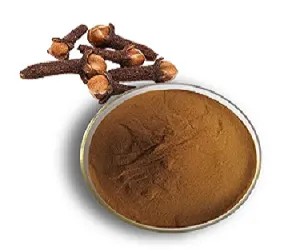
Collection time: Collection time has an important impact on the quality of Clove Powder. The ideal time to collect is just before the lilac tree blooms, when the buds contain the highest concentration of aromatic oils and active ingredients. Typically, this period occurs during the dry season in the areas where lilac trees grow.
Ingredient concentration: Research shows that the content of clove oil, the main active ingredient in clove buds, reaches its highest level before the buds are fully mature, averaging 15-20%.
Cleaning and Preparation
Washing process: Freshly collected clove buds need to be washed immediately to remove dust, soil and other impurities. Usually rinse with clean water, and the water temperature is controlled at 15-20°C to avoid the loss of active ingredients.
Drying method:
Natural drying: Spread the cleaned flower buds flat on a clean surface and dry naturally in the sun. Drying time depends on climatic conditions, usually 5-7 days. It needs to be turned regularly during drying to ensure even drying.
Hot air drying: In a more controlled environment, using hot air drying can speed up the drying process. The temperature is set at 40-50°C and the drying time is approximately 24-48 hours.
Moisture content: The ideal moisture content should be reduced to less than5%, which helps to enhance the shelf life ofClove Powderand prevent the growth of microorganisms.
Drying method
Natural drying:
Description: Utilizes natural sunlight and air fordrying.
Time: Usually it takes 5-7 days, depending on climate conditions and humidity.
Temperature: Ambient temperature, but direct exposure to strong sunlight should be avoided to prevent damage to the active ingredients.
Advantages: Low cost, no additional energy required.
Disadvantages: It takes a long time, is greatly affected by weather, and the degree of drying may be uneven.
Mechanical hot air drying:
Description: Use professional equipment to heat and dry the flower buds through hot air.
Time: Generally completed within 24-48 hours.
Temperature: Control at 40-50°C. Excessive temperature may cause loss of active ingredients.
Advantages: fast speed, strong controllability, and uniform drying.
moisture control
Purpose: Reduce the moisture content to less than 5% to improve the stability and storage life of Clove Powder.
Importance: Proper moisture content prevents microbial growth while maintaining the active ingredients in the buds.
Testing: Monitor through moisture analysis instruments to ensure ideal moisture levels are achieved.
crushing process
Purpose: Crush the dried clove buds into smaller particles to increase the surface area and improve the efficiency of subsequent extraction steps.
Function: The crushing process helps to release more active ingredients and promote the penetration of the extraction solvent.
Crushing equipment:
Type: Typically amechanical grinder is used, such as a hammer mill or blade mill.
Particle size control: By adjusting the settings of the crusher, you can control the size of the particles after crushing. The general goal is to achieve a uniform and moderate particle size to balance extraction efficiency and ease of filtration.
Quality Check : The crushed products need to be inspected through screening and other methods to ensure that the particle size meets the standards.
Extraction process
Extraction method
Description: Use water vapor to pass through crushed clove buds, taking away the volatile components, including clove oil.
Equipment: This method requires the use of professional distillation equipment, including heaters, distillation tanks, condensers and collectors.
Process: Place the crushed clove buds into a distillation tank and heat the water with a heater to generate steam. The water vapor passes through the clove buds, taking away the volatile components in the buds, and then enters the condenser to condense into liquid, and is finally collected in the collector.
Control parameters
temperature:
Importance: Temperature has a significant impact on the extraction efficiency and quality of clove oil.
Range: Usually, the temperature of the distillation process is controlled between 100-120°C. Excessively high temperatures may cause thermal decomposition of some sensitive components, affecting quality.
pressure:
Importance: Pressure affects the rate of distillation and extraction of ingredients.
Adjustment: In some advanced equipment, the pressure can be adjusted to optimize extraction efficiency. Low-pressure distillation helps extract volatile components at lower temperatures, reducing the loss of heat-sensitive components.
Extraction time:
Importance: Extraction time requires a balance between efficiency and integrity of ingredient extraction.
Optimization: Generally speaking, distillation time is between 1-6 hours, depending on the quality of the buds and the efficiency of the equipment.
Ingredient analysis
Detection method: by gas chromatography-mass spectrometryAnalytical techniques such as hyphenated (GC-MS)are used to detect components in the extract, including the main components in clove oil such as Eugenol.
Quality control: Ensure that the concentration and aroma of active ingredients in the extract meet standards.
Purification and concentration
Separation: The extraction solution usually contains clove oil and water. The purpose of the separation process is to effectively separate the two.
Method: Use a condenser to condense the distilled vapor. Since clove oil and water have different densities, they will naturally stratify after condensation, and water and oil can be separated by a separatory funnel or other mechanical methods.
Concentration: The purpose is to further increase the concentration and aroma intensity of clove oil.
Method: Evaporate the separated clove oil to evaporate part of the solvent (such as water), thereby increasing the concentration of the oil. Vacuum pressure distillation can obtain purer, more concentrated oil at lower temperatures while controlling temperature to prevent thermal degradation of active ingredients.
Final product preparation
Drying process: Theconcentrated clove oil is dried to remove residual solvent and obtain a final product in powder form.
Method: Vacuum drying, spray drying or freeze drying can be used. These methods help preserve aroma and active ingredients while reducing thermal degradation.
Quality testing: The importance is to ensure that the quality of the final product meets the standards.
Testing includes aroma (assessed by olfactory testing or chemical analysis methods), ingredient content (analysis of the content of the main active ingredients using techniques such as gas chromatography), and impurity levels (via high-performance liquid chromatography (HPLC) and other methods).
Products must comply with relevant food safety and drug standards, such as FDA, EU standards, etc.
Through the above steps, high-quality Clove Powder extract can be obtained. The entire process requires precise control of every link, from the processing of raw materials to the quality inspection of the final product. Each step has an important impact on the quality of the final product.
If you want to know what Clove Powder is as well as the common types and products used daily, Please click here


