


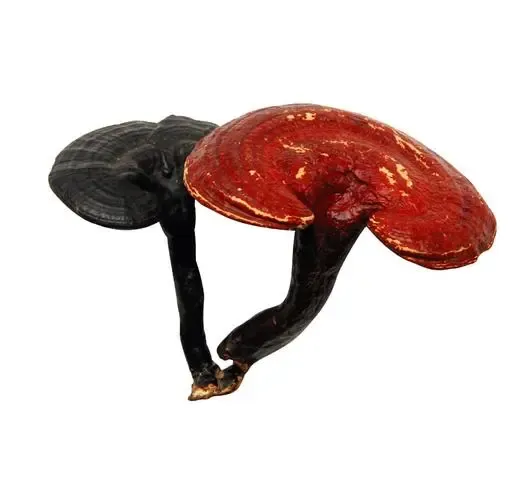
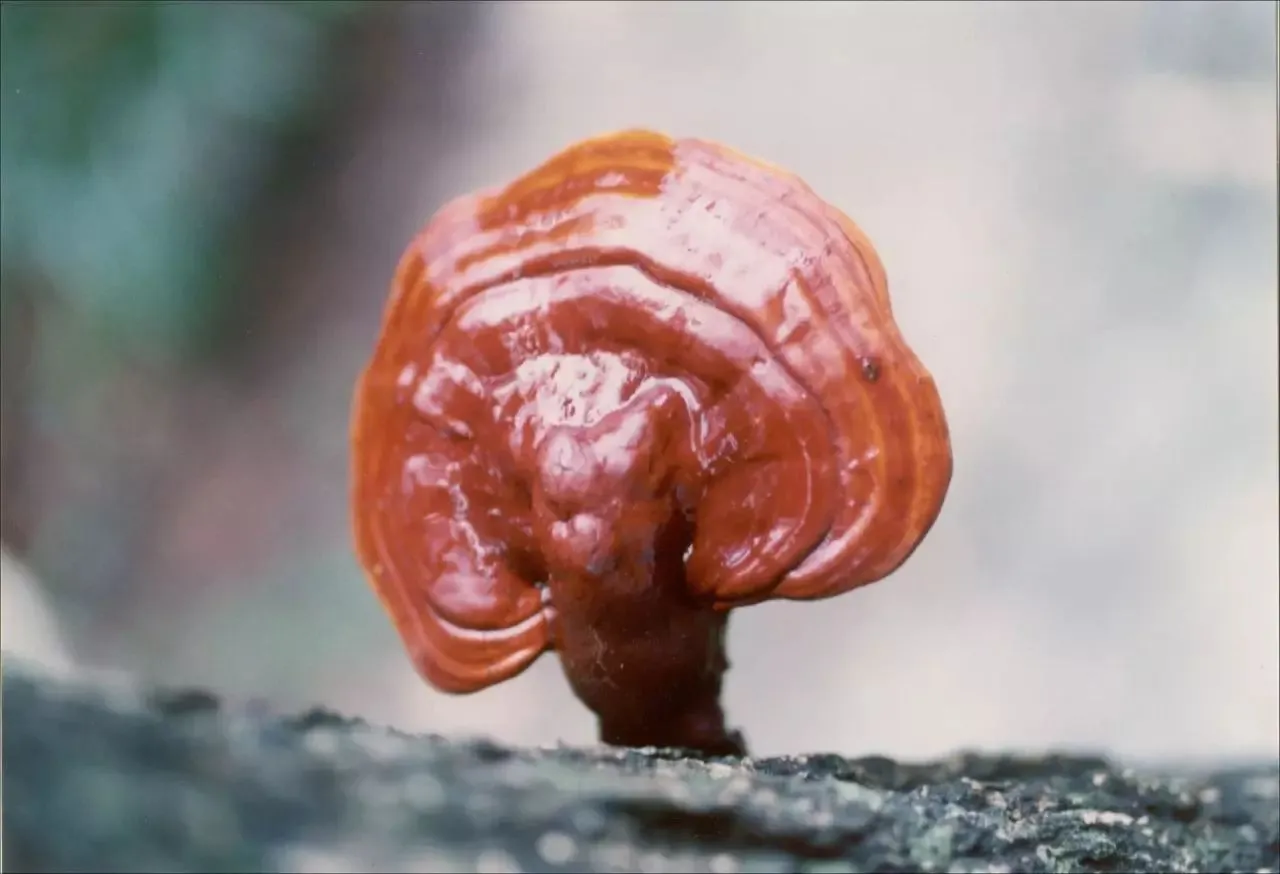
Ganoderma polysaccharide, as the key active ingredient in the traditional Chinese medicine Ganoderma lucidum, has its historical background and traditional applications embedded in the rich tradition of Eastern medicine. Since ancient times, Ganoderma lucidum has been highly valued in traditional medicine in Asia, especially China, and Ganoderma lucidum polysaccharide, as one of its core active ingredients, is believed to have immune-regulating, anti-fatigue and anti-aging effects. This article will explore the historical origin and traditional use of Ganoderma lucidum polysaccharide, revealing its important position in traditional medicine. At the same time, we will also examine how modern science continues this tradition, using scientific methods to conduct in-depth research and verification of the pharmacological effects of Ganoderma lucidum polysaccharides, as well as their application potential in the modern medical and health field.
1. Chemical composition of Ganoderma lucidum polysaccharide
Ganoderma polysaccharides in Reishi mushroom extract are a series of complex biological macromolecules, which are composed of different types of monosaccharides linked by glycosidic bonds. . These polysaccharides mainly include glucose, galactose, mannose, xylose, etc., forming polysaccharide complexes with different molecular weights and branched structures. This complexity is the basis for the wide range of biological activities displayed by Ganoderma polysaccharides. In Ganoderma extracts, the content and type of polysaccharides depend on the extraction method, Ganoderma species, and growing conditions. Ganoderma polysaccharides are not just a simple energy source, they also contain specific biological information that can affect cell function and metabolism.
Basic composition and classification of Ganoderma polysaccharides
In Reishi mushroom extract, the basic composition of Ganoderma lucidum polysaccharides involves a combination of multiple monosaccharides linked by different glycosidic bonds , forming a complex polysaccharide structure. Based on its molecular structure and composition characteristics,Ganoderma polysaccharides can be classified as:
Homopolysaccharide: A polysaccharide composed of the same type of monosaccharide units, such as dextran (composed of glucose units).
HeteromericPolysaccharides:Composed of two or more different types of monosaccharide units, they exhibit more complex molecular structures and biological functions.
In addition, Ganoderma polysaccharides can be further classified based on their solubility (water-soluble and non-water-soluble), molecular weight (low molecular weight and high molecular weight), and branching structure (linear and highly branched). These classification criteria are of great significance for understanding the biological activities and functions of Ganoderma lucidum polysaccharides. For example, high molecular weight and highly branched Ganoderma polysaccharides generally exhibit stronger immunomodulatory activity. This classification helps researchers explore more deeply the potential applications of Ganoderma polysaccharides in different healthcare fields.
Molecular structural characteristics of Ganoderma lucidum polysaccharide
The molecular structural characteristics of Ganoderma lucidum polysaccharide are one of the key factors determining its biological activity. These polysaccharides usually have complex molecular structures, including different monosaccharide compositions, glycosidic bond types, molecular weights, and degrees of branching. These structural features endow Ganoderma polysaccharides with unique physical and chemical properties and biological functions.

Monosaccharide composition: Ganoderma lucidum polysaccharide is composed of a variety of monosaccharides connected through α or β glycosidic bonds. Common monosaccharides include glucose, galactose, mannose, etc. Different monosaccharide compositions and ratios affect its solubility, stability, and ability to interact with receptors in organisms.
Types of glycosidic bonds:α-glycosidic bonds and β-glycosidic bonds are the two main ways to connect monosaccharide units. They determine the spatial configuration of the polysaccharide chain and thus affect its biological activity. For example, beta-glycosidic bonds make polysaccharides more difficult to break down by human digestive enzymes, allowing them to remain in the intestine longer and play an important role in intestinal immunity.
Molecular weight: The molecular weight of Ganoderma lucidum polysaccharide can range from a few thousand Daltons to several million Daltons. The molecular weight directly affects its solubility, viscosity and biological activity. Generally speaking, high molecular weight Ganoderma polysaccharides have stronger immunomodulatory abilities.
Degree of branching: Ganoderma polysaccharides can be linear or highly branched. The different degrees of branching affect the binding ability of polysaccharides to cell receptors, thereby affecting their biological activity. Highly branched polysaccharides generally have greater biological activity because they can interact more efficiently with receptors on the cell surface.
Analysis of chemical properties of Ganoderma lucidum polysaccharide
The chemical properties of Ganoderma lucidum polysaccharides are the basis for its biological activity and range of applications. These properties include water solubility, stability, viscosity, etc., which directly affect the extraction, purification, preservation and application of Ganoderma lucidum polysaccharides in food and medicine.
Water solubility: Most Ganoderma polysaccharides have good water solubility, which allows them to be easily absorbed and utilized in aqueous environments. Water-soluble polysaccharides are particularly important in the pharmaceutical and food industries as they can be incorporated as active ingredients into a variety of water-based formulations.
Stability: The chemical stability of Ganoderma lucidum polysaccharides depends on its molecular structure and storage conditions. Generally speaking, these polysaccharides have better stability under dry, dark, and low-temperature conditions. Stability is a key factor in determining the shelf-life of Ganoderma polysaccharides and their ease of handling during production.
Viscosity: The viscosity of Ganoderma lucidum polysaccharide solution is related to its molecular weight and concentration. Ganoderma polysaccharides with high molecular weight tend to exhibit higher viscosities at the same concentration. Viscosity is an important physical property that affects the application of Ganoderma lucidum polysaccharides in food additives and drug delivery systems.
Antioxidant properties:Many Ganoderma polysaccharides have good antioxidant properties and can scavenge free radicals and protect cells from oxidative damage. This chemical property is the basis for the use of Ganoderma polysaccharides in the prevention and treatment of diseases related to oxidative stress, such as cardiovascular disease and certain types of cancer.
Non-specific immune activation: Ganoderma polysaccharide can activate the host's immune system and enhance the function of immune cells. This property is closely related to its molecular structure, especially its molecular weight and branching degree. This makes Ganoderma polysaccharides an important candidate for research and development of new immunomodulators.
2. Biological activity of Ganoderma lucidum polysaccharide
The biological activities of Ganoderma lucidum polysaccharides are the main reason why they are widely studied and used, including anti-tumor activity, immunomodulatory effects, antioxidant properties, and hypoglycemic and hypolipidemic effects. These activities demonstrate the potential of Ganoderma lucidum polysaccharides in preventing and treating various diseases.
Study on anti-tumor activity
The antitumor activity of Ganoderma lucidum polysaccharides is one of its most compelling biological activities. Studies have shown that Ganoderma lucidum polysaccharide can fight tumors through multiple mechanisms, including directly inhibiting tumor cell proliferation, inducing tumor cell apoptosis, and inhibiting tumor angiogenesis. These polysaccharides can also enhance the host's immune response and improve the body's ability to recognize and eliminate tumor cells. Ganoderma polysaccharides exert their anti-tumor effects by regulating the immune system, especially activating key immune cells such as macrophages, T cells and natural killer cells. These findings provide scientific basis for the application of Ganoderma polysaccharide in anti-cancer therapy and demonstrate its possibility as a potential adjuvant treatment.

Research on immunomodulatory effects
The role of Ganoderma polysaccharides in immunomodulation is another important biological activity. These polysaccharides can significantly affect the body's immune system and enhance the function of immune cells, thereby improving the body's defense capabilities. Ganoderma polysaccharide enhances their ability to phagocytose and kill foreign pathogens by promoting the activation and proliferation of immune cells such as macrophages, T cells and natural killer (NK) cells. In addition, Ganoderma polysaccharides can also regulate the levels of cytokines produced by immune cells, such as increasing the release of anti-inflammatory cytokines and reducing inflammatory responses, thus playing a potential therapeutic role in autoimmune diseases and allergic reactions. This broad immunomodulatory ability makes Ganoderma polysaccharides an important resource for the research and development of novel immunomodulators and health foods.
Antioxidant performance analysis
Ganoderma polysaccharide has significant antioxidant capacity, which is one of its important biological activities. Antioxidant properties refer to the ability of Ganoderma lucidum polysaccharides to scavenge free radicals and reduce oxidative stress, thus protecting cells from oxidative damage. Free radicals are highly reactive chemicals produced during the metabolism of organisms. They can damage cell structures, including lipids, proteins and DNA, leading to the occurrence of various diseases.
Ganoderma polysaccharides exert their antioxidant effect by directly scavenging free radicals and enhancing the activity of the body's antioxidant enzyme system, such as superoxide dismutase (SOD), glutathione peroxidase (GPx), etc. This antioxidant mechanism helps reduce cell damage caused by oxidative stress and prevent chronic diseases related to oxidative stress, such as cardiovascular disease, diabetes, Alzheimer's disease, and certain types of cancer. Therefore, the antioxidant properties of Ganoderma lucidum polysaccharides are not only important for maintaining body health, but also show great potential in the development of health products that prevent disease and resist aging.
Reducing blood sugar and blood lipidsEffect
Ganoderma polysaccharides also show significant effects in regulating blood sugar and blood lipid levels, which is particularly important for the prevention and treatment of diabetes and cardiovascular disease. Studies have shown that Ganoderma polysaccharides can help reduce blood sugar and blood lipid levels by affecting carbohydrate metabolism, improving insulin sensitivity, and promoting lipid metabolism.
In terms of lowering blood sugar, Ganoderma lucidum polysaccharide can enhance the function of pancreatic beta cells, promote insulin secretion, and improve insulin sensitivity, thereby helping to lower blood sugar levels. In addition, they may slow glucose absorption by inhibiting alpha-glucosidase activity, further controlling blood sugar levels.
In terms of lowering blood lipids, Ganoderma polysaccharides reduce plasma levels of total cholesterol, low-density lipoprotein cholesterol (LDL-C) and triglycerides by regulating lipid metabolism, and may also increase the levels of high-density lipoprotein cholesterol (HDL-C). level. This mechanism of action helps prevent and treat cardiovascular disease.
These biological activities of Ganoderma polysaccharides make it a potential dietary and supplementary treatment option for patients with diabetes and cardiovascular disease. However, more clinical studies are still needed to further verify the specific mechanism of action and safety of long-term use.
3. Clinical application of Ganoderma lucidum polysaccharide
The clinical application of Ganoderma lucidum polysaccharide covers many fields, based on its wide range of biological activities, especially its effects in immunomodulation, anti-tumor, antioxidant, hypoglycemic and hypolipidemic effects. Clinically, Ganoderma lucidum polysaccharide has been explored as an auxiliary treatment to improve the efficacy of traditional treatments, reduce side effects, and improve patients' quality of life.
Application of Ganoderma lucidum polysaccharide in tumor treatment
In clinical treatment, Ganoderma lucidum polysaccharide has been studied as an adjuvant therapy for tumor treatment, especially showing potential in improving the efficacy of chemotherapy and radiotherapy and reducing their side effects. By enhancing the body's immune function, Ganoderma lucidum polysaccharides can help improve patients' resistance to tumor cells, while promoting the apoptosis of tumor cells and inhibiting tumor growth. Studies have shown that using Ganoderma lucidum polysaccharide as adjuvant treatment can reduce adverse reactions caused by chemotherapy and radiotherapy to a certain extent, such as leukopenia, thereby improving patients' quality of life. The application of this adjuvant therapy provides a natural, gentle way to complement traditional oncology treatments, bringing hope and new treatment options to patients.
Application of Ganoderma lucidum polysaccharide in the treatment of cardiovascular diseases
Ganoderma polysaccharides also show potential application value in the prevention and treatment of cardiovascular diseases. They help reduce the risk of cardiovascular disease by lowering blood lipid levels, improving blood circulation, and having antioxidant effects. Ganoderma polysaccharides can reduce blood total cholesterol, low-density lipoprotein (LDL) and triglyceride levels, and may increase high-density lipoprotein (HDL) levels, which helps prevent atherosclerosis and heart disease. . In addition, the antioxidant properties of Ganoderma lucidum polysaccharides can protect the cardiovascular system from free radical damage and reduce the impact of oxidative stress on blood vessels, thereby maintaining cardiovascular health. These mechanisms of action make Ganoderma polysaccharides a beneficial option for adjuvant treatment and daily health care in patients with cardiovascular disease, especially for individuals who need to manage blood lipid levels.
Application of Ganoderma lucidum polysaccharide in the treatment of diabetes
Ganoderma polysaccharide has potential therapeutic value for diabetic patients, mainly due to its ability to lower blood sugar. Research shows that Ganoderma polysaccharides can help regulate blood sugar levels through a variety of mechanisms, including enhancing the function of pancreatic beta cells, improving insulin sensitivity, and promoting normal glucose metabolism. These polysaccharides can also affect the absorption and utilization of glucose, thereby helping to maintain blood sugar stability.
Ganoderma polysaccharide reduces insulin resistance by promoting the secretion and action of insulin, which is one of its main mechanisms for lowering blood sugar. In addition, these polysaccharides may further help control blood sugar levels by inhibiting glucose production in the liver. This combined effect makes Ganoderma polysaccharide a useful addition to daily management of blood sugar levels for diabetics.
Although Ganoderma lucidum polysaccharide shows good hypoglycemic potential, its clinical application and effect still need to be verified through more in-depth research. In particular, studies on the most effective dosage, method of use, and long-term safety are critical for the possibility of using Ganoderma polysaccharide as a treatment or adjunct to diabetes.
Application examples of Ganoderma lucidum polysaccharide in other diseases
The application of Ganoderma lucidum polysaccharide in the treatment and management of other diseases has demonstrated its multifaceted biological activities, providing the possibility of auxiliary treatment for a variety of diseases. Here are some examples of non-traditional applications of Ganoderma polysaccharides:
Neurological Diseases: Research shows that Ganoderma polysaccharides are neuroprotective and may be beneficial against neurodegenerative diseases such as Alzheimer's and Parkinson's diseases. These polysaccharides can protect nerve cells and delay disease progression by reducing oxidative stress, regulating neurotransmitter levels, and inhibiting neuroinflammatory responses.
Respiratory Diseases: The immunomodulatory and anti-inflammatory effects of Ganoderma lucidum polysaccharides have shown potential application in the treatment of chronic respiratory diseases such as chronic obstructive pulmonary disease (COPD) and asthma. They can help reduce inflammation, reduce airway hypersensitivity, and improve patients' respiratory function.
Liver diseases: Ganoderma polysaccharides have a positive effect on protecting the liver, preventing and treating liver diseases such as hepatitis, liver fibrosis and cirrhosis. This is mainly due to its antioxidant, anti-inflammatory and ability to inhibit liver cell apoptosis, thereby helping to maintain liver health.
Autoimmune diseases: Because Ganoderma polysaccharides can modulate the immune system and balance Th1/Th2 cell responses, they also show promise in the treatment of certain autoimmune diseases, such as rheumatoid arthritis. By regulating immune responses, Ganoderma polysaccharides help reduce tissue damage and inflammation caused by autoimmune responses.
Fatigue syndrome: Ganoderma polysaccharide has a certain auxiliary therapeutic effect against chronic fatigue syndrome by improving the body's immunity and enhancing body tolerance. It can improve patients' energy metabolism and quality of life, and reduce fatigue.
4. Research on the mechanism of Ganoderma lucidum polysaccharide
Research on the mechanism of Ganoderma polysaccharides shows that these polysaccharides work by regulating the immune system, activating immune cells, promoting the production of cytokines, and affecting various cell signaling pathways. Specifically, Ganoderma polysaccharides can enhance the activity of immune cells such as macrophages, T cells and natural killer cells (NK cells), which play a key role in resisting pathogen invasion and clearing tumor cells in the body. Ganoderma polysaccharides enhance the body's immune response by promoting the production of cytokines such as interferon, tumor necrosis factor, and various interleukins by these immune cells.
Overview of the mechanism of action of Ganoderma lucidum polysaccharide
Ganoderma polysaccharides are a type of bioactive substances extracted from Ganoderma lucidum, a medicinal fungus. They have been widely studied for their various biological activities. Ganoderma polysaccharides mainly work through multiple mechanisms such as enhancing the immune system, anti-tumor, antioxidant, lowering blood sugar and improving cardiovascular and cerebrovascular functions. They mainly achieve their biological effects by regulating the activity of immune cells, promoting the production of immune factors, improving cellular energy metabolism and promoting intercellular signal transmission. Ganoderma lucidum polysaccharide can affect the host's immune response and improve the body's defense against various diseases. Additionally, they protect cells from damage by reducing oxidative stress and modulating apoptotic pathways.
Mechanism of action at the molecular level
At the molecular level, Ganoderma polysaccharides activate or inhibit a series of signaling pathways by binding to specific receptors on the cell surface, thereby affecting cell function and behavior. These mechanisms of action include, but are not limited to:
Immunomodulatory effect: Ganoderma lucidum polysaccharide can enhance the activity of immune cells such as macrophages, natural killer cells (NK cells) and T cells. This is achieved by promoting the production of cytokines such as interferon (IFN), tumor necrosis factor (TNF) and various interleukins (such as IL-1, IL-2, IL-6, etc.), which are essential for activating and regulating immune responses.
Antioxidant effect: Ganoderma polysaccharide increases the activity of antioxidant enzymes in the body (such as superoxide dismutase (SOD), glutathione peroxidase (GPx) and catalytic enzyme (CAT)) And by directly scavenging free radicals, reducing oxidative stress and protecting cells from oxidative damage.
Blood sugar regulation effect: Ganoderma lucidum polysaccharide improves insulin sensitivity by affecting the insulin signaling pathway, thereby helping to regulate blood sugar levels. This includes promoting insulin receptor expression and activity and enhancing glucose uptake and utilization by muscle and liver cells.
The impact of cell signaling pathways
The regulatory effect of Ganoderma lucidum polysaccharide on cell signaling pathways is one of the key mechanisms of its biological activity. By affecting these pathways, Ganoderma polysaccharides can regulate various physiological processes such as cell growth, differentiation, apoptosis, and immune response. The following are several main signaling pathways affected by Ganoderma lucidum polysaccharides:

NF-κB (nuclear factor κB) pathway: NF-κB is a key transcription factor that regulates immune and inflammatory responses. Ganoderma polysaccharide inhibits the activation of NF-κB and reduces the production of inflammatory cytokines, such as TNF-α, IL-1β, and IL-6, thereby exerting anti-inflammatory and immunomodulatory effects. In addition, by affecting this pathway, Ganoderma polysaccharides are also involved in regulating apoptosis and tumor growth.
MAPK (mitogen-activated protein kinase) pathway: The MAPK pathway is an important signaling mechanism for cells to respond to external stimuli, involving cell proliferation, differentiation, apoptosis and stress response. Ganoderma polysaccharide can activate or inhibit specific MAPK pathways (such as ERK, JNK, p38 MAPK), thereby affecting cell survival and death.
PI3K/Akt signaling pathway: This pathway plays a key role in regulating cell growth, survival, and metabolism. Ganoderma polysaccharide can promote cell growth and differentiation and inhibit cell apoptosis by activating the PI3K/Akt signaling pathway. This role is particularly important in the anti-tumor activity of Ganoderma lucidum polysaccharide because it helps regulate the survival status of tumor cells.
Wnt/β-catenin signaling pathway: The Wnt signaling pathway plays an important role in cell fate determination, tissue regeneration, and cancer development. Ganoderma polysaccharide affects cell proliferation and differentiation by regulating the Wnt/β-catenin signaling pathway. This mechanism of action provides potential application value for Ganoderma polysaccharide in promoting wound healing and anti-cancer research.
5. Safety and Toxicology Research
Safety and toxicology studies of Ganoderma polysaccharides are an important part of evaluating their safety as food supplements or pharmaceutical applications. These studies ensure that its impact on human health is positive by evaluating the potential toxicity, side effects, and long-term intake safety of Ganoderma polysaccharides in in vitro experiments, animal experiments, and human clinical trials.
In vitro experiments: In in vitro experiments, researchers evaluated the effects of Ganoderma polysaccharides on different cell types, including their effects on cell survival, cell cycle, and apoptosis at high concentrations. These studies help scientists understand the mechanism of action of Ganoderma lucidum polysaccharide at the molecular level and initially assess its safety.
Animal experiments:Animal models (such as mice, rats) are used to evaluate the acute and chronic toxicity, immunotoxicity, reproductive toxicity, etc. of Ganoderma polysaccharides. These studies evaluate its safety by giving animals different doses of Ganoderma polysaccharide and observing its effects on animal behavior, physiological and biochemical indicators. Research results generally show that Ganoderma polysaccharide has no obvious toxicity to animals within a certain dose range, supporting its potential safety.
Human Clinical Trials: Clinical trials are the gold standard for evaluating the safety and effectiveness of Ganoderma lucidum polysaccharides. Through clinical trials in people of different ages, genders and health conditions, researchers evaluated the tolerability, safety and possible side effects of Ganoderma polysaccharides. Research to date shows that Ganoderma polysaccharide is safe for humans at recommended doses, with very rare reports of side effects.
In general, the safety and toxicology studies of Ganoderma lucidum polysaccharides show that under the recommended intake, Ganoderma lucidum polysaccharides are relatively safe and have no obvious toxicity or serious side effects. However, as with any supplement or medication, individual differences, effects of long-term intake, and interactions with other medications still require further research and monitoring. For certain groups of people, such as pregnant women, breastfeeding women, children, and individuals with certain health conditions, a medical professional should be consulted before consuming Ganoderma polysaccharides.
Conclusion
As research and scientific understanding of Ganoderma polysaccharides continue to advance, we are already witnessing the remarkable potential of this natural ingredient. From regulating the immune system to antioxidant effects, the multi-faceted effects of Ganoderma lucidum polysaccharides continue to attract attention from the scientific community and the market. In the future, we look forward to more clinical studies and scientific verification to fully reveal the efficacy and safety of Ganoderma polysaccharides. At the same time, demand for Ganoderma lucidum polysaccharides continues to grow in the global market, heralding wider applications in health foods and pharmaceuticals. This not only reflects people's emphasis on natural therapy, but also promotes the development of related industries and brings significant economic benefits. In short, Ganoderma lucidum polysaccharide, as a bridge connecting traditional wisdom and modern technology, has broad research and application prospects, heralding a new chapter in human health.


