


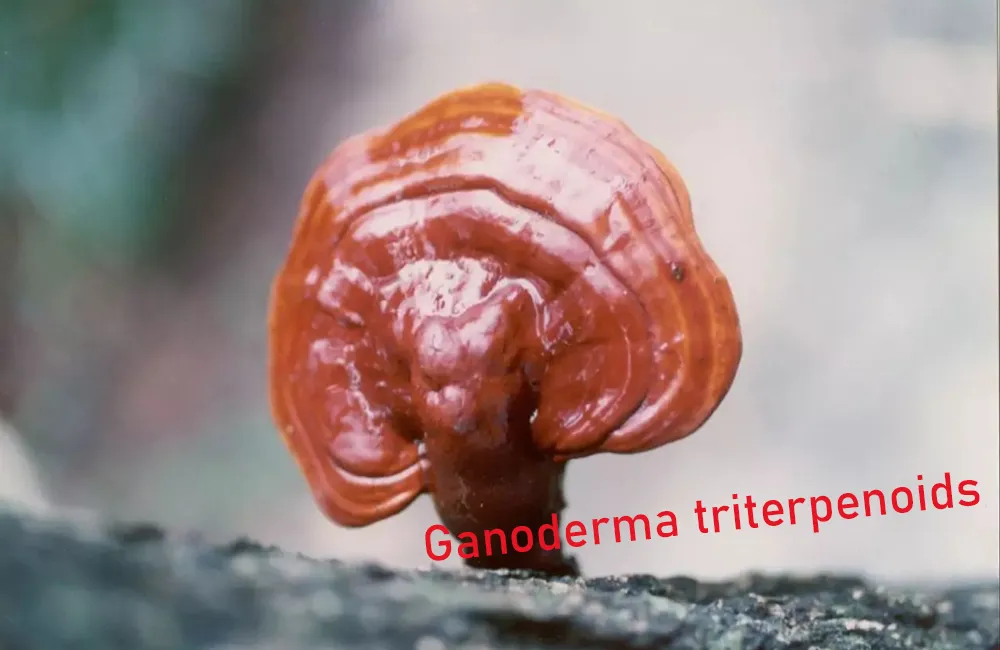
Ganoderma triterpenoids are a group of natural products with unique structures and diverse biological activities, mainly extracted from Ganoderma lucidum. Ganoderma lucidum (scientific name: Ganoderma lucidum) is a medicinal fungus widely used in traditional Chinese medicine and has been given the name "fairy grass" because of its potential health benefits. In recent years, with the development of modern analytical technology and the advancement of biotechnology, Ganoderma lucidum triterpenoids have attracted widespread attention from scientific researchers. These compounds have been found to have a variety of biological activities, including anti-tumor, immunomodulatory, antioxidant and other effects, making them important candidate molecules for the development of new drugs. This article will delve into the chemical structure and classification, chemical properties, and biological activities of Ganoderma triterpenes The study aims to provide readers with a comprehensive understanding and demonstrate the scientific basis and application prospects of Ganoderma triterpenoids as potential pharmaceutical resources.
1. Chemical structure and classification of Ganoderma lucidum triterpenes
Basic chemical framework of Ganoderma lucidum triterpenoids
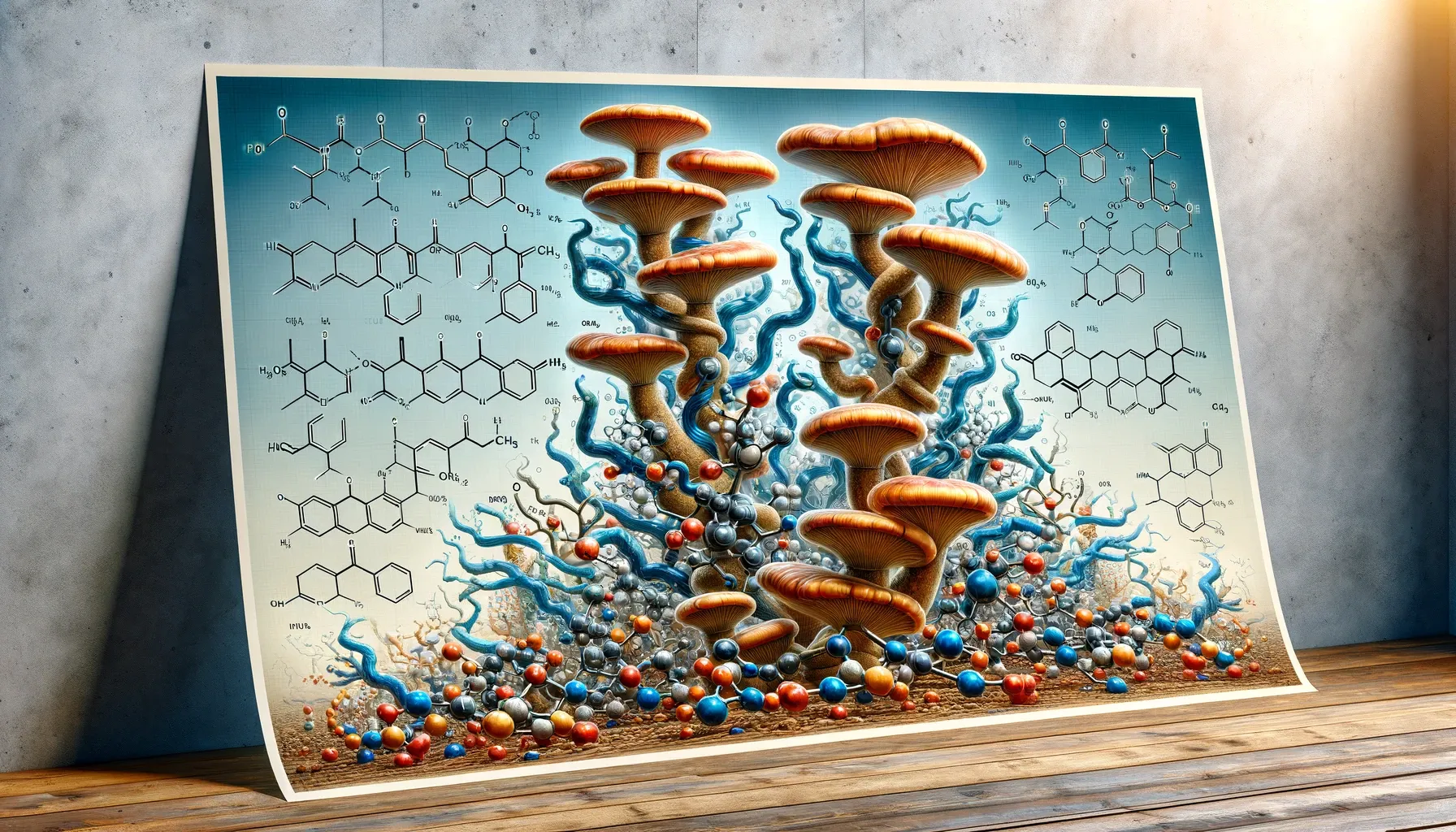
Ganoderma triterpenoids are a large class of naturally occurring terpenes. Their basic chemical framework is composed of 30 carbon atoms, forming a specific polycyclic structure. These compounds are extremely diverse in structure, but all share a common characteristic in that they are based on the same terpene skeleton. This skeleton can be converted into a variety of different triterpenes through different biosynthetic pathways, each with its own unique ring structure and functional groups. GanodermaThis structural diversity of triterpenes provides the basis for their wide range of biological activities.
Main types of Ganoderma lucidum triterpenes and their structural differences
Ganoderma triterpenoids can be divided into several main types, which are mainly distinguished based on their skeletal structure and functional groups. The most common types of Ganoderma triterpenes include auguronic terpenes, naphthenic and steroidal types. Agougere triterpenes have a specific five-ring structure, while naphthenic triterpenes are based on a four-ring structure. Although steroidal triterpenes are less common than the former two, their structures are significantly different from those of agogeran and naphthenic triterpenes, usually containing one or more six-carbon rings.
These structural differences not only determine the chemical properties of individual Ganoderma triterpenes, such as solubility and stability, but also have an important impact on their biological activities. For example, different types of Ganoderma triterpenes may exhibit different potencies and mechanisms in anti-inflammatory, anticancer, or immunomodulatory activities. Therefore, understanding the main types of Ganoderma triterpenes and their structural differences is of great significance for the study and utilization of these compounds.
Classification method of Ganoderma lucidum triterpenoids
Classification of Ganoderma triterpenoids is usually based on their chemical structure, specifically their skeleton type, the type of functional groups and their position in the molecule. This classification method allows researchers to systematically study the biological activities of these compounds and their potential medicinal value. During the classification process, high-precision analytical techniques such as high-performance liquid chromatography (HPLC), mass spectrometry (MS), and nuclear magnetic resonance (NMR) are usually used to identify specific compound structures. These techniques can provide detailed information about the molecular skeleton, functional group types and their arrangement, helping scientists to accurately classify various Ganoderma triterpenes.
In addition, with the development of bioinformatics and chemoinformatics technology, computational methods have also been used to study the classification and structure-activity relationship of Ganoderma lucidum triterpenes, which provides new information for predicting the possible biological activities and medicinal effects of unknown triterpenoid compounds. way. Through these classification methods, researchers can better understand the diversity of Ganoderma triterpenes and their complex biological effects, laying the foundation for further drug development and clinical applications.
2. Chemical properties of Ganoderma lucidum triterpenes
Physical and chemical properties of Ganoderma lucidum triterpenes
The physical and chemical properties of Ganoderma lucidum triterpenes, including solubility and stability, have an important impact on its biological activity and medicinal value. Due to the structural diversity of Ganoderma triterpenoids, their physical and chemical properties also show corresponding diversity. Generally speaking, the solubility of Ganoderma triterpenes is affected by the type and distribution of functional groups in its molecular structure. For example, Ganoderma triterpenes with more polar functional groups have better solubility in polar solvents but poor solubility in non-polar solvents.
In terms of stability, the chemical structure of Ganoderma triterpenes determines their stability under different environmental conditions. Some Ganoderma triterpenes may undergo structural changes under light, heat or acid-base conditions, thus affecting their biological activity. Therefore, when developing Ganoderma triterpenes as medicines or supplements, consideration of their physical and chemical properties is critical to ensure product quality and potency.
In addition, the interaction characteristics between Ganoderma lucidum triterpene molecules is also an important aspect of research. These interactions may affect their absorption, distribution, metabolism, and excretion (ADME) properties in the organism, thereby affecting their bioavailability and efficacy. Understanding these physical and chemical properties is not only important for basic research on Ganoderma triterpenes, but also has practical significance for their application in drug design and development.
Interaction characteristics between Ganoderma lucidum triterpene molecules
The interaction properties between Ganoderma triterpenoid molecules are crucial to understanding their behavior and mechanism of action in organisms. These interactions include intermolecular van der Waals forces, hydrogen bonds, hydrophobic interactions, and possible π-π stacking interactions. These interactions not only determine the solubility and stability of Ganoderma triterpenes, but also affect their ability to bind to biological macromolecules, such as proteins and nucleic acids.
Especially during the interaction between Ganoderma triterpenes and cell membranes or intracellular receptors, the interaction characteristics between molecules determine whether they can effectively enter cells and their affinity for binding to specific receptors. These interactions further influence the biological activities of Ganoderma triterpenes, including their anti-inflammatory, anticancer, or immunomodulatory effects.
In addition, interactions between Ganoderma triterpenes may also lead to synergistic or antagonistic effects in the body, which is particularly important for predicting the effects of mixed use of multiple Ganoderma triterpenes or combinations of Ganoderma triterpenes with other drugs. Understanding the characteristics of these intermolecular interactions can help optimize drug formulations and delivery strategies for Ganoderma triterpenes and improve their efficacy and safety.
Factors affecting the chemical properties of Ganoderma lucidum triterpenes
The chemical properties of Ganoderma triterpenes are affected by a variety of factors, including their original chemical structure, conditions during extraction and purification, and subsequent handling and storage conditions. The type and position of unsaturated bonds, functional groups in the chemical structure directly affect its chemical reactivity and physical properties. The solvent, temperature, pressure and other conditions used in the extraction process will also affect the purity, yield and stability of Ganoderma triterpenes. In addition, storage conditions such as light, temperature, and humidity are equally important to maintain the activity and stability of Ganoderma triterpenes.
In summary, the chemical properties and intermolecular interaction properties of Ganoderma triterpenoids have a profound impact on their biological activity and medicinal potential. A deeper understanding of these properties will help to better utilize Ganoderma triterpenes in pharmaceutical and health products.

3. Research on the biological activity of Ganoderma lucidum triterpenes
Anti-tumor and anti-cancer activity
Ganoderma triterpenes have shown significant potential in the field of anti-tumor and anti-cancer research. These compounds can interfere with tumor growth and spread through multiple mechanisms. Their mechanisms of action include inducing apoptosis of tumor cells, inhibiting the proliferation and division of tumor cells during the cell cycle, preventing the formation of tumor blood vessels (anti-angiogenic effect), and activating the body's immune system to recognize and eliminate tumor cells. These mechanisms work together to make Ganoderma triterpenoids an important compound for studying new strategies for tumor treatment. Experimental research and preliminary clinical trials have proven that Ganoderma triterpenes have certain inhibitory effects on various cancer types, such as breast cancer, lung cancer, and liver cancer.
Immunomodulatory effect
Ganoderma triterpenoids have significant immunomodulatory functions and can effectively adjust and enhance the body's immune system. They improve the body's defense against pathogens by affecting the activity of immune cells, such as enhancing the phagocytic ability of macrophages, activating T cells and B cells, and promoting the production of cytokines. In addition, Ganoderma triterpenes can also regulate immune responses and reduce inflammatory damage caused by immune system overreaction, which has potential value in treating autoimmune diseases and alleviating chronic inflammatory states. This diversity of immunomodulatory effects makes Ganoderma triterpenoids have broad application prospects in improving body health and preventing disease.
Antiviral, antibacterial and anti-inflammatory activity
Ganoderma triterpenoids exhibit significant antiviral and antibacterial activities, which are of great significance in the prevention and treatment of various infectious diseases. They are able to directly combat a variety of pathogens, including bacteria, viruses, and fungi, inhibiting their growth and replication by damaging their cell walls or interfering with their life cycles. In addition, the anti-inflammatory activity of Ganoderma lucidum triterpenoids is also one of its important pharmacological effects. They reduce the inflammatory response by reducing the production and release of inflammatory mediators, such as prostaglandins and interleukins. These activities make Ganoderma triterpenoids potentially useful in treating inflammatory diseases, reducing tissue damage caused by inflammation, and preventing and treating viral and bacterial infections.
Antioxidant and anti-aging effects
Ganoderma triterpenes also have powerful antioxidant effects, which makes them potentially valuable in anti-aging and preventing and treating oxidative stress-related diseases. By neutralizing free radicals and enhancing the activity of the body's antioxidant enzyme system (such as superoxide dismutase, glutathione peroxidase, etc.), Ganoderma triterpenoids help reduce cell damage caused by oxidative stress. This antioxidant capacity is of great significance in preventing cell aging, DNA damage and lipid peroxidation caused by excessive production of free radicals, thereby helping to delay the aging process and prevent related chronic diseases, such as cardiovascular disease, Alzheimer's disease Alzheimer's disease and certain types of cancer. Through these mechanisms of action, Ganoderma triterpenes have become important natural compounds for research on anti-aging and improving life quality.
Other biological activities (such as anti-diabetic, cardiovascular protection, etc.)
In addition to the biological activities mentioned above, Ganoderma triterpenoids also exhibit a variety of other biological activities, including the potential to fight diabetes and protect the cardiovascular system. In terms of anti-diabetes, Ganoderma triterpenes help prevent and treat diabetes by regulating blood sugar levels, improving insulin sensitivity, and protecting pancreatic islet cells. These compounds increase sugar metabolism and reduce the risk of complications common in people with diabetes.
In terms of cardiovascular protection, Ganoderma triterpenes have the effects of lowering blood pressure, anti-atherosclerosis and improving heart function. They help reduce the risk of cardiovascular disease by being antioxidants, reducing inflammation and regulating blood lipid levels. This multifaceted cardiovascular protective effect makes Ganoderma triterpenoids an important natural resource for research on the prevention and treatment of cardiovascular diseases.

4. Discussion on the mechanism of action of Ganoderma lucidum triterpenes
Mechanism of action at the molecular level
The molecular mechanisms behind the biological activities and pharmacological effects of Ganoderma lucidum triterpenes are multifaceted and involve complex cell signaling pathways, gene expression regulation, and direct interactions with cell receptors. These compounds can directly act on a variety of molecular targets, such as receptors, signaling molecules and enzymes on the cell surface, thereby activating or inhibiting specific signaling pathways.
For example, in its anti-tumor effects, Ganoderma triterpenoids may induce programmed death of cancer cells by activating apoptosis-related signaling pathways, such as the caspase kinase pathway. At the same time, they can also inhibit signaling pathways related to tumor cell proliferation, such as the PI3K/Akt and MAPK pathways, thereby inhibiting tumor growth.
In terms of immunomodulatory effects, Ganoderma triterpenoids regulate the activity of immune cells by affecting the production and release of cytokines, including enhancing the functions of macrophages, natural killer cells (NK cells) and T cells. These effects promote the immune system's ability to recognize and eliminate pathogens and tumor cells by adjusting the Th1/Th2 balance.
In addition, the antioxidant mechanism of Ganoderma triterpenoids involves increasing the activity of antioxidant enzymes in the body and reducing the generation of reactive oxygen species (ROS), protecting cells from oxidative stress damage.
Interaction between Ganoderma triterpenes and cell receptors
The interaction between Ganoderma triterpenoids and cell receptors is one of the key mechanisms for its biological activity. These natural compounds can bind to a variety of cell surface receptors or intracellular receptors, thereby initiating or inhibiting a series of biological reactions. For example, some Ganoderma triterpenes can directly induce apoptosis of tumor cells or inhibit their proliferation by binding to specific receptors on the surface of tumor cells. This receptor-mediated mechanism of action is crucial for the anticancer activity of Ganoderma triterpenoids.
In terms of immune regulation, Ganoderma triterpenoids can activate or regulate the function of immune cells by interacting with receptors on the surface of immune cells, such as T cell receptors or pattern recognition receptors on the surface of macrophages. These interactions promote the activation of immune cells, enhance the body's defense against pathogens and eliminate tumor cells.
In addition, Ganoderma triterpenoids can affect gene expression by binding to intracellular receptors, such as members of the nuclear receptor family, thereby regulating the physiological state and metabolic activities of cells. For example, they may regulate gene expression related to inflammation, oxidative stress, and metabolic pathways by activating or inhibiting certain transcription factors, thereby exerting anti-inflammatory, antioxidant, and metabolic regulatory effects.
This interaction between Ganoderma triterpenoids and cell receptors not only reveals their complex mechanism of action, but also provides the possibility to develop new therapeutic strategies targeting specific cell receptors. By further studying these interactions, the biological activities of Ganoderma triterpenes and their potential for use in disease prevention and treatment can be better understood.
Research on the application of Ganoderma lucidum triterpenes in different disease models
The wide range of bioactivities of Ganoderma triterpenes has prompted scientists to conduct applied studies in a variety of disease models, aiming to explore their potential in practical treatment and prevention. These studies cover cancer, immune-related diseases, cardiovascular diseases, diabetes, neurodegenerative diseases and other fields, showing the potential positive effects of Ganoderma triterpenes on different disease states.
In cancer treatment research, Ganoderma triterpenes have been found to inhibit the growth and spread of various cancer cells, and can enhance the effect of chemotherapy drugs and reduce their side effects. These effects are mainly achieved through mechanisms such as inducing cancer cell apoptosis, inhibiting tumor angiogenesis, and regulating immune responses.
For immune-related diseases, such as autoimmune diseases and allergic diseases, the immunomodulatory effects of Ganoderma triterpenes can help mediate excessive immune responses and reduce inflammation. They help restore balance to the immune system by regulating immune cell activity and cytokine production.
In terms of cardiovascular diseases, Ganoderma triterpenes have shown potential in preventing and treating cardiovascular diseases by lowering blood pressure, improving blood lipid levels and anti-platelet aggregation.
For diabetes, research on the application of Ganoderma triterpenes shows that they can help regulate blood sugar levels and improve pancreatic beta cell function, thereby combating diabetes and its complications.
In addition, in the study of neurodegenerative diseases, the antioxidant and anti-inflammatory activities of Ganoderma lucidum triterpenes are believed to be able to slow down nerve cell damage and death, providing new strategies for the treatment of Alzheimer's disease, Parkinson's disease and other diseases.
5. Conclusion and future prospects
Summary of current research
Ganoderma triterpenoids, as a class of natural compounds with diverse biological activities, have shown significant potential in multiple research fields. From anti-cancer, immune modulation, anti-inflammation to anti-oxidation and anti-aging, to the potential to fight diabetes and cardiovascular disease, the broad application prospects of Ganoderma triterpenes have attracted widespread attention from the scientific community. By conducting in-depth studies on the mechanism of action of Ganoderma triterpenoids and their interactions with cell receptors, we not only improve our understanding of their biological activities, but also provide a scientific basis for the development of new therapeutic drugs.
Future Research Directions and Challenges
Although research on Ganoderma triterpenes has made significant progress, it still faces a series of challenges and directions for future research. First, the mechanism of action of Ganoderma lucidum triterpenes is not yet fully understood, and further exploration of its interaction mechanism with specific molecular targets is needed. Secondly, the efficacy and safety of Ganoderma triterpenes in clinical applications need to be verified through more clinical trials. In addition, improving the bioavailability of Ganoderma triterpenes and developing effective delivery methods are also issues that need to be addressed in future research.
The potential of Ganoderma lucidum triterpenes in drug development
Given the potential shown by Ganoderma triterpenes in multiple areas of bioactivity, their application prospects in drug development are very promising. In the future, by combining multidisciplinary technologies such as modern pharmacology, molecular biology and chemical informatics, more new drugs and health products based on Ganoderma lucidum triterpenes will be developed, which will provide new strategies for the treatment of various diseases. Especially in the fields of anti-cancer, immune regulation and anti-aging, Ganoderma triterpenes are expected to become important natural pharmaceutical resources.


