


1. Introduction
Curcumin, a compound found in turmeric, has been the focus of numerous health studies due to its potential antioxidant, anti - inflammatory, and other beneficial properties. However, the quality of Curcumin is highly dependent on the source of the turmeric from which it is extracted. This article delves into the various aspects of sourcing the best turmeric for a high - quality Curcumin supply.
2. Traditional Turmeric - Growing Regions
2.1 India
India is by far the largest producer of turmeric in the world. It has a long - standing tradition of turmeric cultivation, with a climate that is largely conducive to its growth. In India, turmeric is grown in different states such as Andhra Pradesh, Tamil Nadu, and Karnataka.
The soil conditions in these regions vary, but in general, they are rich in nutrients that support turmeric growth. For example, the red soil in some parts of Andhra Pradesh provides a good base for turmeric plants. Indian turmeric is known for its unique flavor profile and has been used in traditional Ayurvedic medicine for centuries.

2.2 Indonesia
Indonesia is another significant turmeric - growing country. The islands of Java and Sumatra are major production areas. The tropical climate in Indonesia offers a warm and humid environment, which turmeric thrives in.
Indonesian turmeric often has a different chemical composition compared to Indian turmeric. This could be due to differences in soil, climate, and cultivation practices. However, it also contributes to the global supply of turmeric and is used in both local and international markets.
3. Emerging Turmeric - Growing Regions

3.1 Madagascar
Madagascar has emerged as an interesting new source of turmeric. The island's unique biodiversity and relatively unpolluted environment offer potential for high - quality turmeric production. The soil in Madagascar contains a variety of minerals that can influence the growth and quality of turmeric.
Moreover, the lack of heavy industrial pollution in many areas means that the turmeric grown there may have fewer contaminants. However, the relatively small - scale nature of production currently in Madagascar means that it is still in the process of establishing itself as a major global turmeric source.

3.2 Peru
Peru has also started to gain attention in the turmeric - growing arena. The Andean region of Peru has a diverse climate and soil types. Some areas with high altitude and specific micro - climates are being explored for turmeric cultivation.
Peruvian turmeric may bring a new flavor and chemical composition to the market. Additionally, the country's focus on sustainable and organic farming practices can be an advantage in the global turmeric market, appealing to consumers who are increasingly conscious about the origin and production methods of their food and supplements.
4. Criteria for Grading Turmeric Based on Curcumin Levels
When sourcing turmeric for Curcumin, one of the most important criteria is the Curcumin content. Here are the factors that are considered when grading turmeric based on Curcumin levels:
4.1 Variety of Turmeric
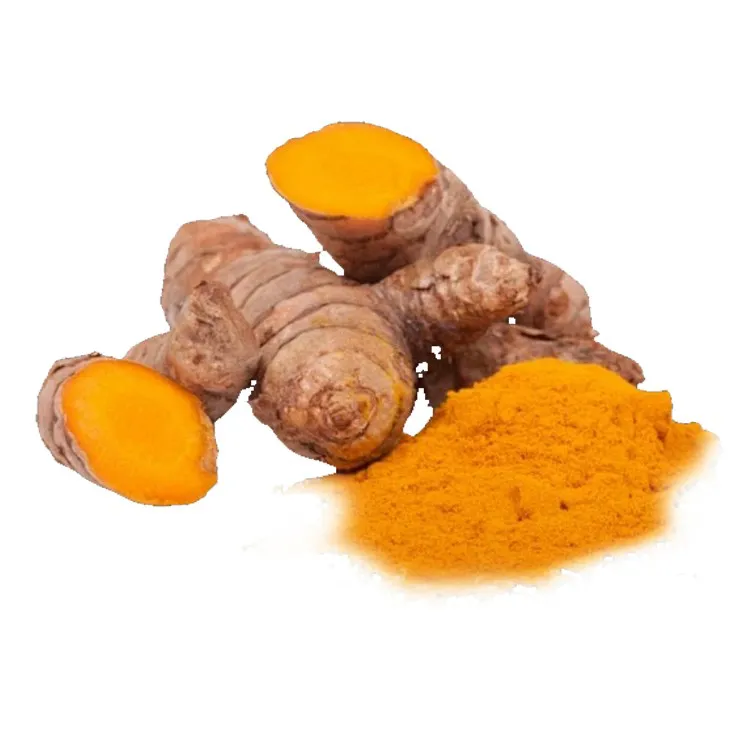
Different varieties of turmeric have different natural Curcumin levels. For example, the Alleppey variety from India is known to have relatively high Curcumin content. Breeders and farmers are constantly looking for ways to improve and maintain high - Curcumin varieties through selective breeding.

4.2 Growing Conditions
The climate, soil, and water availability play a crucial role in determining the Curcumin content of turmeric. Adequate sunlight, well - drained soil, and proper irrigation are essential for maximizing Curcumin production. In regions where the climate is too cold or the soil is too poor in nutrients, the Curcumin levels in turmeric are likely to be lower.
4.3 Harvesting and Post - Harvest Handling
The timing of harvesting is critical. Turmeric should be harvested at the right maturity level to ensure maximum Curcumin content. After harvesting, proper drying and storage are necessary to preserve the Curcumin levels. If turmeric is not dried quickly and stored in a suitable environment, the Curcumin can degrade over time.
5. The Role of Organic and Non - Organic Sourcing
5.1 Organic Sourcing
Organic turmeric is becoming increasingly popular in the market. Organic farming practices prohibit the use of synthetic pesticides, fertilizers, and genetically modified organisms (GMOs). This has several advantages:
- Health Benefits: For consumers who are concerned about pesticide residues in their food, organic turmeric provides a cleaner option. There is a perception that organic products are healthier, although scientific evidence on the direct health benefits of organic turmeric over non - organic in terms of Curcumin content is still limited.
- Environmental Sustainability: Organic farming methods are generally more sustainable. They promote soil health, biodiversity, and water conservation. For example, organic farms often use compost and natural pest control methods, which reduce the environmental impact compared to conventional farming.
- Market Demand: There is a growing segment of consumers who specifically seek out organic products. Sourcing organic turmeric can open up new market opportunities, especially in the health - conscious and natural - products sectors.
5.2 Non - Organic Sourcing
Non - organic turmeric still dominates the global market in terms of volume. There are reasons for this:
- Cost - Effectiveness: Non - organic farming methods can often be more cost - effective. Synthetic fertilizers and pesticides can increase yields and reduce losses due to pests and diseases, which may result in lower production costs and more competitive prices in the market.
- Availability: In some regions, non - organic farming is more established and widespread. This means that there is a more consistent and abundant supply of non - organic turmeric, which is important for meeting the large - scale demand in the food and pharmaceutical industries.
6. Conclusion
Sourcing the best turmeric for Curcumin is a complex process that involves considering multiple factors. Traditional growing regions like India and Indonesia have a long - standing reputation for turmeric production, while emerging regions such as Madagascar and Peru offer new possibilities. Grading turmeric based on Curcumin levels requires attention to variety, growing conditions, and post - harvest handling. The choice between organic and non - organic sourcing depends on various factors including health concerns, environmental sustainability, cost - effectiveness, and market demand. By understanding these aspects, producers and consumers can make more informed decisions about the turmeric they use and consume, ensuring a potent Curcumin supply for various applications.
FAQ:
What are the traditional turmeric - growing regions?
Traditional turmeric - growing regions include India, which has a long - standing history of turmeric cultivation. India's climate in many parts is favorable for turmeric growth. Other traditional regions are parts of Southeast Asia such as Indonesia. These regions have developed unique cultivation techniques over time due to their long - term experience with turmeric farming.
What are the emerging turmeric - growing regions?
Some emerging turmeric - growing regions are in Africa. For example, countries like Nigeria have started to cultivate turmeric on a larger scale. In the Americas, parts of Central America are also emerging as turmeric - growing areas. These emerging regions often have different soil and climate conditions compared to traditional ones, which can lead to variations in the quality of the turmeric produced.
How is turmeric graded based on Curcumin levels?
Turmeric is graded based on Curcumin levels through laboratory analysis. High - performance liquid chromatography (HPLC) is a common method used. Turmeric with a higher percentage of Curcumin content is graded more favorably. Generally, turmeric with at least 3% Curcumin content is considered of good quality, but for some high - end applications, a much higher Curcumin percentage may be required.
What are the differences between organic and non - organic sourced turmeric?
Organic - sourced turmeric is grown without the use of synthetic pesticides, fertilizers, or genetically modified organisms (GMOs). It follows strict organic farming standards. Non - organic turmeric may use chemical inputs for pest control and fertilization. Organic turmeric is often perceived as more environmentally friendly and may have a different chemical profile in terms of minor compounds. However, non - organic turmeric can sometimes be more readily available and may be more cost - effective in some cases.
Why does the source of turmeric matter for Curcumin?
The source of turmeric matters for Curcumin because different regions have different soil compositions, climates, and farming practices. These factors can influence the Curcumin content in turmeric. For example, soil rich in certain minerals may promote higher Curcumin production. Also, the variety of turmeric grown in a particular region can affect the Curcumin levels. Additionally, the use of pesticides and fertilizers in non - organic farming can potentially impact the purity and quality of the Curcumin extracted from the turmeric.
Related literature
TAGS:


-

Aguaje Extract
2024-07-19
-

Citrus Aurantium Extract
2024-07-19
-

L-Cysteine
2024-07-19
-

Vitamin B9 powder
2024-07-19
-

Oyster Peptide
2024-07-19
-

Dandelion Leaf Extract
2024-07-19
-

Avocado Extract Powder
2024-07-19
-

Tormentil Extract
2024-07-19
-

Artichoke Leaf Extract
2024-07-19
-

Licorice Root Extract Powder
2024-07-19