


1. Introduction
Curcumin, a natural compound found in turmeric, has been the focus of extensive research in recent years. Its potential health benefits, including antioxidant and anti - inflammatory properties, have made it a subject of great interest in the fields of medicine, nutrition, and cosmetics. However, to fully utilize the power of Curcumin, it is essential to extract it from its natural source effectively. This is where extraction plants play a crucial role.
2. The Role of Extraction Plants in Isolating Curcumin
2.1. Understanding the Extraction Process
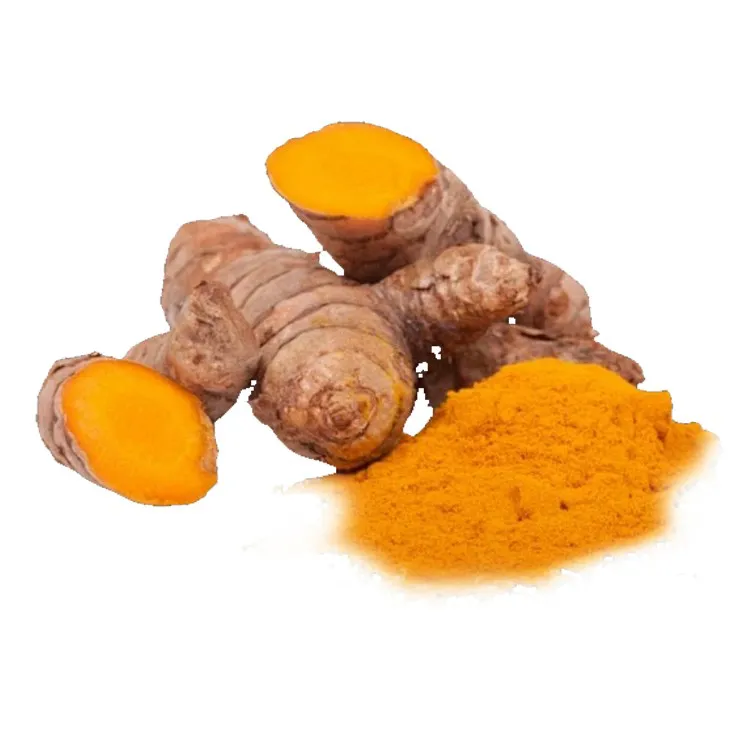
The extraction of Curcumin from turmeric involves several steps. First, the turmeric root is harvested and processed. Extraction plants are equipped with the necessary machinery and technology to carry out this initial processing. They can grind the turmeric root into a fine powder, which increases the surface area available for extraction.

2.2. Different Extraction Methods
There are various methods used in extraction plants to isolate Curcumin. Solvent extraction is one of the most common techniques. In this method, a suitable solvent such as ethanol or acetone is used to dissolve Curcumin from the turmeric powder. The solvent is then separated from the residue, and the Curcumin is further purified. Another method is supercritical fluid extraction, which uses supercritical carbon dioxide. This method has the advantage of being more environmentally friendly as carbon dioxide is a non - toxic gas. It also allows for a more selective extraction of Curcumin, resulting in a higher - quality product.3. The Antioxidant Properties of Curcumin

3.1. How Antioxidants Work
Antioxidants play a vital role in protecting the body from oxidative stress. Oxidative stress occurs when there is an imbalance between the production of free radicals and the body's ability to neutralize them. Free radicals are highly reactive molecules that can damage cells, proteins, and DNA. Curcumin acts as an antioxidant by donating electrons to free radicals, thereby neutralizing them and preventing oxidative damage.

3.2. The Significance of Curcumin's Antioxidant Properties
The antioxidant properties of Curcumin have several implications for human health. For example, it may help in preventing chronic diseases such as cancer, heart disease, and neurodegenerative disorders. Studies have shown that Curcumin can inhibit the growth of cancer cells by reducing oxidative stress and modulating various signaling pathways. In addition, it can protect the heart by reducing inflammation and oxidative damage to the blood vessels.4. The Anti - Inflammatory Properties of Curcumin
4.1. The Inflammatory Response
Inflammation is a natural immune response of the body to injury or infection. However, chronic inflammation can lead to various diseases. The inflammatory process involves the activation of immune cells and the release of inflammatory mediators such as cytokines and prostaglandins.

4.2. How Curcumin Reduces Inflammation
Curcumin has been shown to have anti - inflammatory effects by inhibiting the activation of nuclear factor - kappa B (NF - κB), a key transcription factor involved in the regulation of inflammatory genes. By suppressing NF - κB, Curcumin can reduce the production of inflammatory mediators, thereby alleviating inflammation. This makes it a potential treatment for inflammatory diseases such as arthritis, inflammatory bowel disease, and asthma.5. Economic Implications of Curcumin Extraction
5.1. The Growing Market for Curcumin - Based Products
The increasing awareness of the health benefits of Curcumin has led to a growing market for Curcumin - based products. These products include dietary supplements, functional foods, and cosmetics. The demand for Curcumin - based products is expected to continue to rise in the future, creating economic opportunities for both producers and extraction plants.
5.2. The Role of Extraction Plants in the Economy
Extraction plants are an important part of the Curcumin supply chain. They not only enable the isolation of Curcumin but also contribute to the local and global economy. By providing employment opportunities and generating revenue, extraction plants can have a positive impact on the economic development of a region. Moreover, the production of high - quality Curcumin can enhance the competitiveness of Curcumin - based products in the international market.6. Environmental Implications of Curcumin Extraction
6.1. The Impact of Extraction Methods on the Environment
Different extraction methods have different environmental impacts. Solvent extraction methods, if not properly managed, can lead to solvent waste and potential environmental pollution. On the other hand, supercritical fluid extraction, being more environmentally friendly, can reduce the environmental footprint of Curcumin extraction. However, the initial investment in equipment for supercritical fluid extraction is relatively high.
6.2. Sustainable Practices in Curcumin Extraction
To minimize the environmental impact of Curcumin extraction, extraction plants can adopt sustainable practices. For example, they can recycle solvents, use renewable energy sources, and source turmeric from sustainable farming practices. These sustainable practices not only protect the environment but also enhance the long - term viability of the Curcumin extraction industry.7. Conclusion
Curcumin is a powerful natural compound with significant antioxidant and anti - inflammatory properties. Extraction plants play a vital role in unlocking the power of Curcumin by enabling its isolation from turmeric. The economic and environmental implications of Curcumin extraction are also important factors to consider. By understanding the significance of extraction plants in Curcumin extraction, we can better utilize this natural compound for various applications while also promoting sustainable development.
FAQ:
What is Curcumin?
Curcumin is a natural compound that is found in the spice turmeric. It is responsible for the bright yellow color of turmeric and has been associated with a wide range of potential health benefits.
Why are extraction plants important for Curcumin?
Extraction plants play a crucial role in isolating Curcumin. They have the necessary equipment and techniques to separate Curcumin from the turmeric plant. This allows for a concentrated form of Curcumin to be obtained, which can then be used in various applications such as in the pharmaceutical, food, and cosmetic industries.
What are the antioxidant properties of Curcumin?
Curcumin has strong antioxidant properties. It can neutralize free radicals in the body, which are unstable molecules that can cause damage to cells and contribute to various diseases. By scavenging these free radicals, Curcumin helps to protect the body's cells and tissues from oxidative stress.
How does Curcumin exhibit anti - inflammatory properties?
Curcumin can inhibit the production of certain inflammatory mediators in the body. It targets specific signaling pathways involved in the inflammatory response, reducing inflammation at a molecular level. This makes it potentially useful in treating various inflammatory conditions such as arthritis.
What are the economic implications of Curcumin extraction?
The extraction of Curcumin has significant economic implications. On one hand, it creates opportunities for the agricultural sector as there is a demand for turmeric as the source of Curcumin. In the manufacturing side, companies involved in Curcumin extraction can produce value - added products that can be sold at a premium in the global market, contributing to economic growth and job creation.
Related literature
TAGS:


-

Hawthorn Extract
2024-07-17
-

Rhodiola Rosea Root extract
2024-07-17
-

Panax Ginseng Leaf Extract
2024-07-17
-

Orange Flavor Powder
2024-07-17
-

Troxerutin
2024-07-17
-

Eucommia Ulmoides Extract
2024-07-17
-

Bamboo Leaf extract
2024-07-17
-

Nettle leaf extract
2024-07-17
-

White Willow Bark Extract
2024-07-17
-

Acai Berry Extract
2024-07-17