


Culinary Uses
1. Flavoring Baked Goods
Lemon Extract is a wonderful addition to baked goods. It can add a bright and tangy flavor to cakes, cookies, and muffins. For example, when making a lemon pound cake, instead of using just lemon zest, adding a teaspoon of Lemon Extract can intensify the lemon flavor throughout the cake. The extract penetrates the batter more evenly than zest alone, ensuring that every bite is filled with that delicious lemon essence.
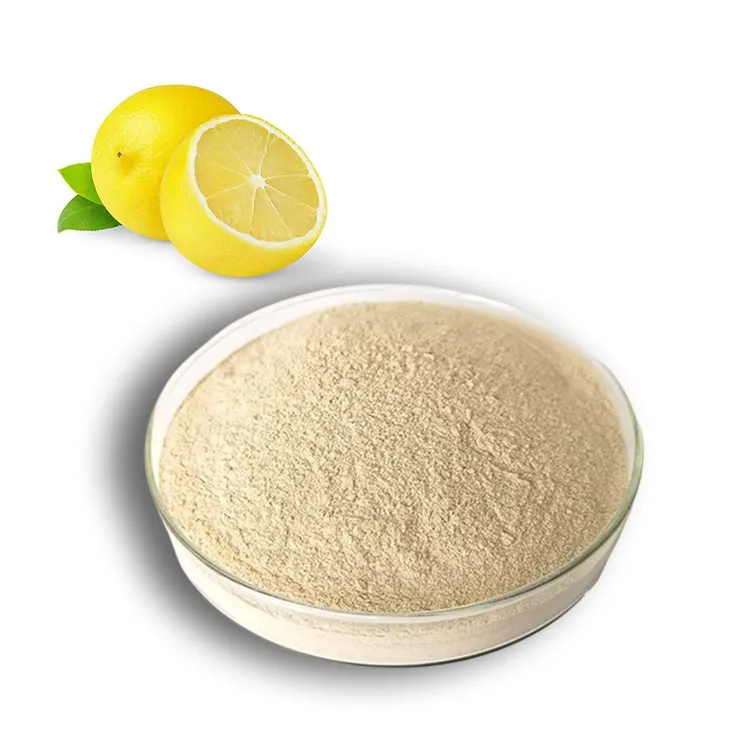
2. Enhancing Sauces and Dressings
In cooking, Lemon Extract can be used to enhance the flavor of sauces and dressings. A few drops in a hollandaise sauce can give it a fresh and citrusy note. Similarly, in a vinaigrette dressing, Lemon Extract can replace fresh lemon juice when you want a more concentrated flavor. It works especially well in creamy dressings like ranch, where it cuts through the richness and adds a zesty touch.

3. Flavoring Beverages
Lemon Extract is a great way to flavor beverages. Add a few drops to your iced tea or lemonade for an extra burst of lemon flavor. It can also be used in cocktails. For instance, in a gin and tonic, a dash of Lemon Extract can add a more complex and long - lasting lemon flavor compared to just using a lemon wedge.Home Remedies

4. Natural Disinfectant
Lemon Extract has natural disinfectant properties. You can use it to clean countertops, cutting boards, and other kitchen surfaces. Mix a few tablespoons of Lemon Extract with water in a spray bottle and use it to wipe down surfaces. It can help kill bacteria and leave a fresh lemon scent behind. This is a great alternative to chemical - laden disinfectants, especially if you have concerns about using harsh chemicals around food preparation areas.

5. Air Freshener
Create a natural air freshener with Lemon Extract. Put a few drops on a cotton ball and place it in a small dish in a room. The lemon scent will gradually fill the air, freshening up the room. You can also add Lemon Extract to a pot of boiling water on the stove. As the water evaporates, it will release the lemon aroma into the air, eliminating odors.
6. Stain Remover
Lemon Extract can be used to remove certain stains. For light - colored fabrics, it can help with stains like coffee or tea. Dab a small amount of Lemon Extract onto the stain and let it sit for a few minutes. Then, gently blot with a clean cloth. The acidic nature of the Lemon Extract can break down the stain, making it easier to remove. However, it's important to test it on a small, inconspicuous area of the fabric first to ensure it doesn't cause any discoloration.Beauty Treatments
7. Skin Brightening
Lemon Extract can be used in skin care for its skin - brightening properties. You can add a few drops to your regular face cream or make a DIY face mask. For example, mix a teaspoon of Lemon Extract with some honey and yogurt to create a mask. Apply it to your face and leave it on for 10 - 15 minutes. The citric acid in the Lemon Extract can help exfoliate the skin gently and reduce the appearance of dark spots, giving your skin a more radiant look.
8. Hair Conditioning
Add a few drops of Lemon Extract to your conditioner for an extra boost of shine. The acidic nature of the lemon can help close the hair cuticles, making your hair look smoother and shinier. It can also help with dandruff control. Massage the conditioner with Lemon Extract into your scalp and hair, leave it on for a few minutes, and then rinse thoroughly.
9. Nail Strengthening
Soak your nails in a solution of Lemon Extract and warm water for about 10 minutes once a week. The Lemon Extract can help strengthen your nails and prevent them from becoming brittle. The citric acid in the Lemon Extract can also help remove any yellowish discoloration on the nails, leaving them looking healthier.Other Uses
10. Preserving Fruits
Lemon Extract can be used to preserve fruits. When making fruit preserves or jams, adding a small amount of Lemon Extract can help prevent the fruit from spoiling quickly. The acidity of the Lemon Extract acts as a natural preservative, allowing you to enjoy your homemade preserves for a longer time.FAQ:
What are the culinary uses of Lemon Extract?
Lemon Extract can be used in baking, such as in cakes, cookies, and muffins, to add a bright lemon flavor. It can also be used in making lemon-flavored icings, glazes, and custards. In cooking, it can be added to sauces, marinades, and salad dressings for a tangy taste.
How can Lemon Extract be used in home remedies?
Lemon Extract has antibacterial properties. It can be used in a homemade cleaner by mixing it with water and vinegar to clean countertops and other surfaces. It may also be used as a natural air freshener when diluted and sprayed in a room. Additionally, it can be added to warm water for a gargle to soothe a sore throat.
What beauty treatments can be done with Lemon Extract?
Lemon Extract can be used in face masks. When combined with honey and yogurt, it can help exfoliate and brighten the skin. It can also be added to hair rinses to add shine to the hair and help with dandruff control as it has astringent properties.
Is Lemon Extract safe to use in all these ways?
When used in moderation, Lemon Extract is generally safe for most of these applications. However, it is important to do a patch test before using it on the skin in beauty treatments, especially for those with sensitive skin. Ingesting large amounts may cause irritation in some people, so it should be used in appropriate quantities in culinary applications.
Can Lemon Extract replace fresh lemons?
Lemon Extract can be a convenient substitute for fresh lemons in some cases. It provides a concentrated lemon flavor, so a small amount can go a long way. However, fresh lemons offer other benefits like fiber from the pulp and additional vitamins. In cooking and baking, Lemon Extract can often replace the flavor aspect of fresh lemons, but for certain drinks or recipes where the texture of the lemon pulp is desired, fresh lemons are better.
Related literature
- The Complete Guide to Using Lemon Extract in Cooking"
- "Lemon Extract: Beyond the Kitchen - Home Remedies and Beauty"
- "A Scientific Look at the Benefits of Lemon Extract"


-

Okra Extract
2024-12-20
-

Vitamin B6
2024-12-20
-

Nutmeg Extract
2024-12-20
-

Melatonin
2024-12-20
-

N-Acetyl-L-cysteine(NAC)
2024-12-20
-

Bayberry Extract
2024-12-20
-

Acai Berry Extract
2024-12-20
-

Boswellia Serrata Extract
2024-12-20
-

L-Arginine alpha-ketoglutarate
2024-12-20
-

Lycopene
2024-12-20