


1. Introduction
Ginkgo Biloba Extract has gained significant attention in the global health and pharmaceutical markets. India, with its large population and growing interest in alternative medicine, is an important market for this extract. This article delves into the various applications of Ginkgo Biloba Extract in India and analyzes the wholesale market dynamics.
2. Applications of Ginkgo Biloba Extract in India
2.1 Neurology - related Treatments
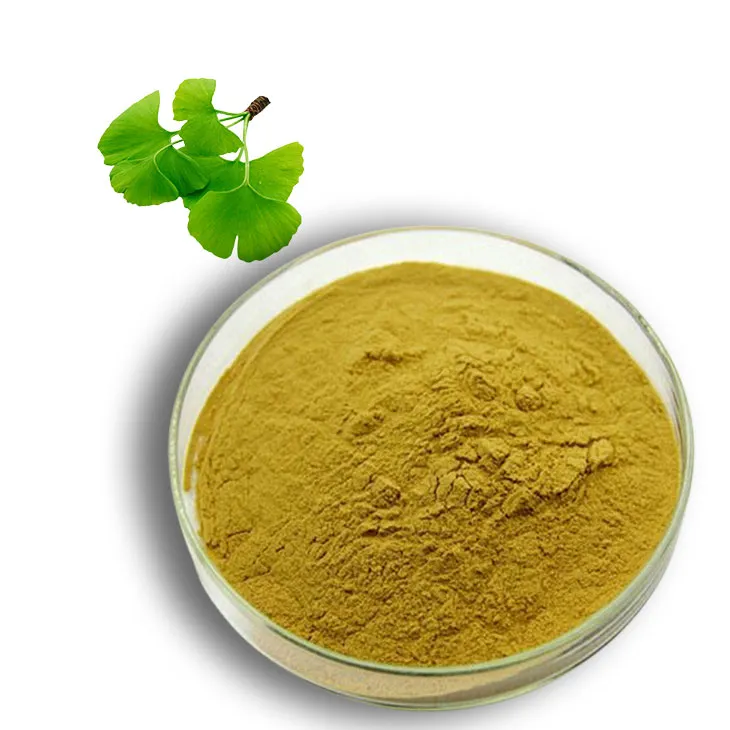
In India, Ginkgo Biloba Extract is increasingly being explored for its potential in neurology - related treatments. It is believed to have properties that can improve blood circulation in the brain. This is crucial as it may help in mitigating symptoms associated with neurodegenerative diseases such as Alzheimer's and Parkinson's. Some studies suggest that the extract can enhance cognitive functions, including memory, concentration, and mental alertness. This has led to its use in some Ayurvedic and modern medicine formulations aimed at supporting brain health.
2.2 General Well - being Products
The extract is also finding its way into general well - being products. In the Indian market, there are dietary supplements and herbal formulations that contain Ginkgo Biloba Extract. These products are marketed towards individuals looking to improve their overall health. The antioxidant properties of the extract are touted as beneficial for combating oxidative stress in the body. This can potentially lead to a reduction in the risk of various chronic diseases and promote a healthier lifestyle. Additionally, it is sometimes included in products for enhancing energy levels and vitality.
3. The Wholesale Market for Ginkgo Biloba Extract in India
3.1 Supply Chain
3.1.1 Cultivation (if applicable)
- While ginkgo trees are not native to India, there are some efforts towards cultivation in certain regions. However, the majority of the raw material for Ginkgo Biloba Extract is still imported. The cultivation of ginkgo trees requires specific climatic conditions. In India, regions with a temperate climate are being explored for potential cultivation. But challenges such as soil suitability and water availability need to be addressed.
- Most of the Ginkgo Biloba Extract used in the Indian wholesale market is imported from countries where ginkgo trees are more abundantly grown, such as China. Importers play a crucial role in bringing in the extract. They need to comply with import regulations, which include quality control standards and customs procedures. Once imported, the extract is distributed to various wholesalers across the country.
- Wholesalers then supply the extract to different industries, including the pharmaceutical, nutraceutical, and herbal product manufacturers. The distribution network is complex and involves multiple levels of intermediaries. Logistics play an important part in ensuring that the extract reaches its destination in a timely and cost - effective manner.

3.2 Market Trends
3.2.1 Influence of Research and Development
- Research related to the applications of Ginkgo Biloba Extract has a significant impact on the wholesale market trends. As new studies uncover potential health benefits, the demand for the extract in different industries grows. For example, if more evidence is found regarding its effectiveness in treating neurological disorders, pharmaceutical companies may increase their orders for the extract, leading to a rise in wholesale prices.
- On the other hand, research that raises concerns about the safety or efficacy of the extract can have a negative impact on the market. For instance, if there are reports of adverse effects associated with the use of Ginkgo Biloba Extract, it may lead to a decrease in demand and a subsequent drop in wholesale prices.
- The wholesale market for Ginkgo Biloba Extract in India is becoming increasingly competitive. With more players entering the market, both domestic and international, pricing has become a crucial factor. Wholesalers need to balance between offering competitive prices to attract customers and maintaining a reasonable profit margin. They also need to consider factors such as the cost of raw materials, import duties, and transportation costs when setting prices.
- Price fluctuations can also occur due to changes in supply. If there are disruptions in the supply chain, such as a decrease in imports due to trade restrictions or poor harvests in the source countries, the wholesale price of the extract may increase. Conversely, if there is an oversupply, prices may decline.
4. Opportunities in the Indian Ginkgo Biloba Extract Wholesale Market
- One of the major opportunities in the Indian wholesale market for Ginkgo Biloba Extract is the growing awareness of natural and herbal products. As consumers become more health - conscious, there is an increasing demand for products containing Ginkgo Biloba Extract. This presents an opportunity for wholesalers to expand their customer base and increase their sales.
- The potential for domestic cultivation of ginkgo trees also offers an opportunity. If successful, it can reduce the dependence on imports, leading to cost savings and potentially more stable supply. This can also encourage local research and development related to Ginkgo Biloba Extract, further enhancing its applications in the Indian market.
- With the government's focus on promoting Ayurveda and other traditional medicine systems, there is scope for Ginkgo Biloba Extract to be integrated into these systems. This can open up new markets within the country, especially in the areas of Ayurvedic pharmacies and wellness centers.
5. Challenges in the Indian Ginkgo Biloba Extract Wholesale Market
- Quality control remains a significant challenge. Ensuring that the imported Ginkgo Biloba Extract meets the required standards is crucial. There have been instances of sub - standard products entering the market, which can pose risks to consumers and damage the reputation of the industry. Wholesalers need to work closely with suppliers and regulatory authorities to ensure strict quality control measures are in place.
- Regulatory compliance is another hurdle. The Indian regulatory environment for herbal and dietary supplements is complex and evolving. Wholesalers need to stay updated with the latest regulations regarding product labeling, safety, and efficacy. Non - compliance can result in penalties and legal issues.
- As mentioned earlier, the lack of significant domestic cultivation means that the market is highly dependent on imports. This makes it vulnerable to factors such as exchange rate fluctuations, trade disputes, and supply disruptions in the source countries.
6. Conclusion
The application of Ginkgo Biloba Extract in India is diverse, spanning from neurology - related treatments to general well - being products. The wholesale market for this extract in India is full of opportunities and challenges. Understanding the supply chain, market trends, opportunities, and challenges is essential for all stakeholders in this industry. With proper management of quality control, regulatory compliance, and strategic planning, the Indian Ginkgo Biloba Extract wholesale market has the potential for significant growth in the future.
FAQ:
What are the main applications of Ginkgo Biloba Extract in India?
Ginkgo Biloba Extract in India is mainly used in neurology - related treatments and general well - being products. It may have potential benefits for various neurological conditions and is also incorporated into products aimed at enhancing overall health.
What are the opportunities in the wholesale market of Ginkgo Biloba Extract in India?
The opportunities in the Indian wholesale market for Ginkgo Biloba Extract may include the growing demand for health - related products. With an increasing awareness of natural remedies, there is a potential for increased sales. Also, if research discovers more applications, it could open up new market segments for wholesalers.
What are the challenges in the wholesale market of Ginkgo Biloba Extract in India?
Some challenges could be related to the supply chain. Ensuring a stable supply of high - quality Ginkgo Biloba Extract, especially if it depends on cultivation, can be difficult. There may also be regulatory challenges, competition from other similar products, and the need to educate consumers about the benefits of Ginkgo Biloba Extract.
How does the cultivation of Ginkgo trees (if any) affect the wholesale market?
If Ginkgo trees are cultivated in India, the quality and quantity of cultivation can significantly impact the wholesale market. A stable and high - quality cultivation can ensure a consistent supply, which is crucial for wholesalers. On the other hand, issues like crop diseases or poor cultivation practices can lead to shortages and affect the market price.
How does research and development influence the wholesale market trends of Ginkgo Biloba Extract in India?
Research and development can drive wholesale market trends in several ways. New findings about the applications of Ginkgo Biloba Extract can create new product categories, increasing the demand. It can also lead to improved extraction methods, which may affect the cost and quality of the extract, thus influencing wholesale prices and market competitiveness.
Related literature
- Ginkgo Biloba: A Review of its Medicinal Properties"
- "The Market Dynamics of Herbal Extracts in India"
- "Applications of Ginkgo Biloba in Neurological Disorders: Recent Research"


-

Rutin
2025-01-11
-

Angelica sinensis extract
2025-01-11
-

Gynostemma pentaphyllum extract
2025-01-11
-

D-Mannose
2025-01-11
-

Polygonum Cuspidatum Extract
2025-01-11
-

White Willow Bark Extract
2025-01-11
-

Kupilu Extract
2025-01-11
-

Passionflower Extract
2025-01-11
-

Pueraria Lobata Extract
2025-01-11
-

Acerola Juice Powder
2025-01-11