


1. Introduction
The food industry is constantly evolving, with consumers demanding healthier and more functionally - enhanced products. In this context, Artichoke Leaf Extract has emerged as a potentially valuable ingredient. The artichoke (Cynara scolymus) is a well - known plant, and its leaves are rich sources of various bioactive compounds. These compounds contribute to the unique properties of Artichoke Leaf Extract, which can be harnessed in different ways within the food sector.
2. Chemical Composition of Artichoke Leaf Extract
2.1. Phenolic Compounds
Artichoke Leaf Extract is abundant in phenolic compounds. These include chlorogenic acid, caffeoylquinic acids, and flavonoids such as luteolin - 7 - O - glucoside. Phenolic compounds are known for their antioxidant properties. They can scavenge free radicals, which are highly reactive molecules that can cause damage to cells, lipids, and proteins in the body. In the context of food, these antioxidants can help prevent rancidity in fats and oils, and also contribute to the preservation of the overall quality and freshness of food products.
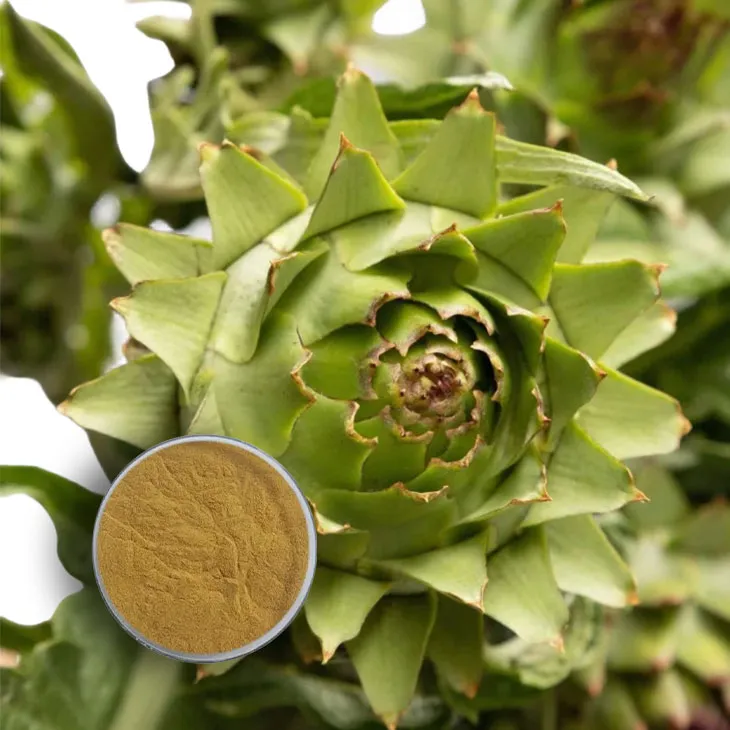
2.2. Inulin
Another important component of Artichoke Leaf Extract is inulin. Inulin is a type of fructan, which is a carbohydrate. It is a prebiotic, meaning that it can selectively stimulate the growth and/or activity of beneficial gut bacteria such as Bifidobacteria. In the food industry, the presence of inulin in Artichoke Leaf Extract can be used to develop products with potential gut - health promoting properties. For example, it can be added to yogurts, cereals, or baked goods to enhance their nutritional profile.3. Antioxidant Activity in Food Applications
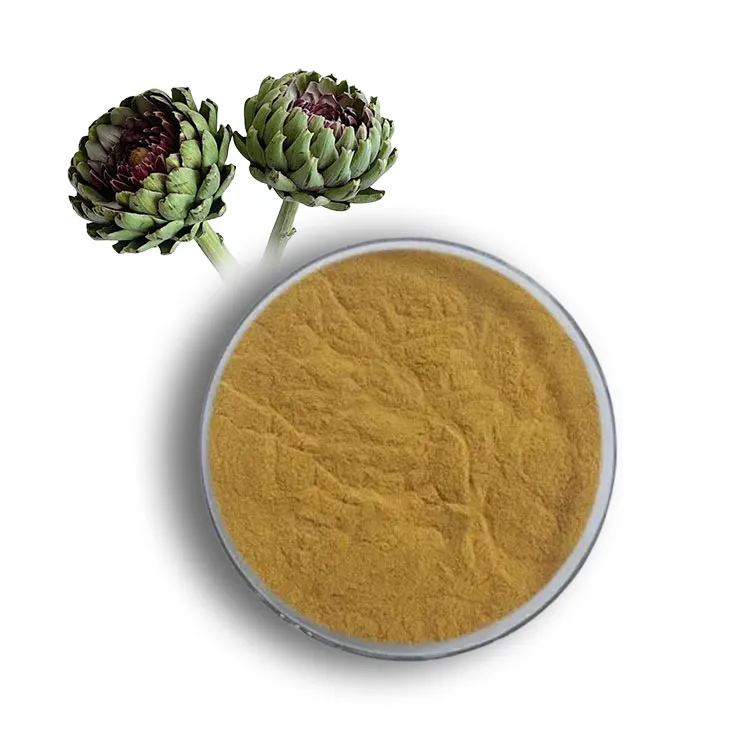
3.1. Protection Against Oxidative Deterioration
The antioxidant activity of Artichoke Leaf Extract makes it useful in preventing oxidative deterioration in food. Oxidative processes can lead to off - flavors, changes in color, and a decrease in nutritional value. For instance, in meat products, the fats are prone to oxidation, which can result in rancid odors and a shorter shelf - life. By adding Artichoke Leaf Extract, the antioxidant compounds can inhibit the lipid peroxidation process. This can extend the shelf - life of meat products and maintain their quality during storage and distribution.
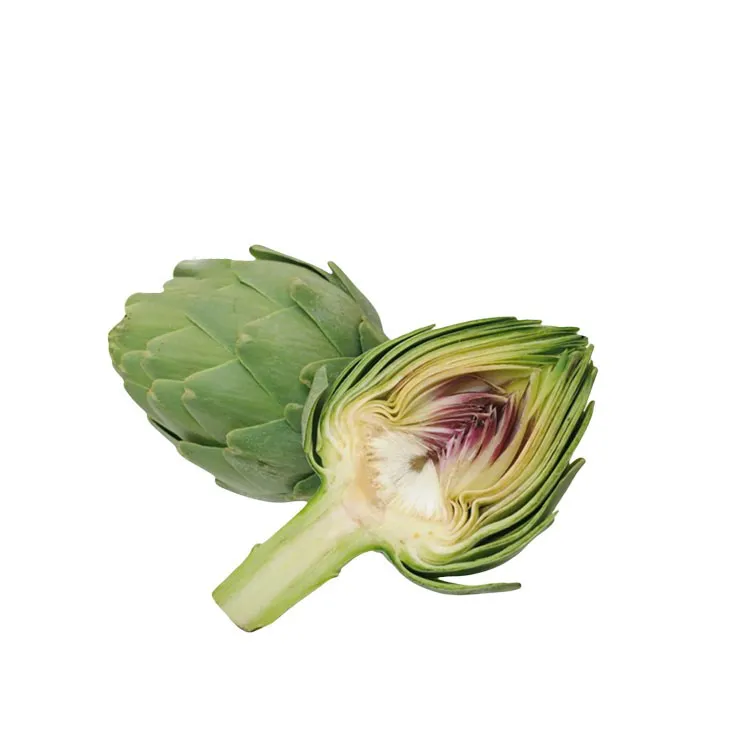
3.2. Enhancement of Nutritional Value
In addition to protecting against oxidation, the antioxidants in Artichoke Leaf Extract also contribute to the overall nutritional value of food. Consumers are increasingly interested in foods that are rich in antioxidants as they are associated with various health benefits, such as reducing the risk of chronic diseases. By incorporating Artichoke Leaf Extract into products like juices, smoothies, or snack bars, manufacturers can enhance the antioxidant content of these products and market them as healthier options.4. Prebiotic Effects in Food
4.1. Gut Microbiota Modulation
As mentioned earlier, the inulin in Artichoke Leaf Extract has prebiotic effects. When consumed, it passes through the upper gastrointestinal tract undigested and reaches the colon, where it serves as a substrate for beneficial gut bacteria. By promoting the growth of these bacteria, Artichoke Leaf Extract can help in maintaining a healthy gut microbiota balance. This is important as an imbalanced gut microbiota has been associated with various health problems, including digestive disorders, obesity, and immune - related issues. In the food industry, products containing Artichoke Leaf Extract can be targeted towards consumers interested in gut - health products, such as probiotic - like yogurts or functional foods.
4.2. Production of Short - Chain Fatty Acids
The fermentation of inulin by gut bacteria results in the production of short - chain fatty acids (SCFAs), such as acetate, propionate, and butyrate. SCFAs have several beneficial effects on the body. They can provide energy for the cells lining the colon, regulate the immune system, and may even have anti - inflammatory properties. In food products, the presence of Artichoke Leaf Extract can potentially lead to an increase in SCFA production in the gut of consumers, which further enhances the health - promoting properties of the product.5. Incorporation into Different Food Products
5.1. Beverages
Artichoke Leaf Extract can be easily incorporated into beverages. In herbal teas, for example, it can add a unique flavor profile while also providing the antioxidant and prebiotic benefits. Additionally, in functional drinks such as sports drinks or energy drinks, the extract can enhance the product's nutritional value. Manufacturers can market these drinks as not only providing hydration and energy but also contributing to overall health through the presence of Artichoke Leaf Extract.
5.2. Dairy Products
In dairy products like yogurts and cheese, Artichoke Leaf Extract can be added. In yogurts, it can work in synergy with live cultures. The prebiotic inulin can support the growth of the probiotic bacteria already present in the yogurt, while the antioxidant compounds can help protect the product from oxidation during storage. In cheese, the extract can be used to add a new dimension of flavor and also provide health - promoting properties.
5.3. Bakery Products
Bakery products such as bread, muffins, and cakes can also benefit from the addition of Artichoke Leaf Extract. Inulin can act as a fiber source, improving the texture of the products and potentially reducing the amount of added sugars needed. The antioxidant properties of the extract can also help in preventing the rancidity of fats used in baking, such as butter or margarine, thus extending the shelf - life of the bakery items.6. Challenges and Considerations
6.1. Sensory Acceptability
One of the main challenges in using Artichoke Leaf Extract in the food industry is ensuring sensory acceptability. The extract may have a distinct flavor that can be overpowering in some products. For example, in delicate - flavored beverages or desserts, the flavor of the Artichoke Leaf Extract may need to be carefully balanced with other ingredients. Taste - testing and product development trials are necessary to find the optimal level of addition that maintains the desired flavor profile while still providing the functional benefits.
6.2. Stability and Compatibility
Another consideration is the stability and compatibility of Artichoke Leaf Extract with other ingredients in food products. In some cases, the extract may interact with other components, affecting the overall stability of the product. For instance, in emulsified products, it may influence the emulsion stability. Additionally, during processing and storage, the bioactive compounds in the extract need to remain stable to ensure their effectiveness. This requires careful formulation and control of processing conditions.
6.3. Regulatory Aspects
Regulatory aspects also play a role in the use of Artichoke Leaf Extract in the food industry. Different countries may have different regulations regarding the use of plant extracts in food. Manufacturers need to ensure that they comply with all relevant regulations, including those related to food safety, labeling, and maximum allowable levels of addition. This may involve obtaining necessary approvals and certifications for their products.7. Future Perspectives
Despite the challenges, the future of Artichoke Leaf Extract in the food industry looks promising. Research is ongoing to further understand its properties and develop more effective ways of using it. With the increasing consumer demand for healthy and functional foods, Artichoke Leaf Extract has the potential to be a key ingredient in a wide range of food products. New extraction methods may be developed to improve the yield and purity of the extract, and also to enhance its sensory properties. Additionally, more in - depth studies on its health benefits, especially in relation to gut health and chronic disease prevention, will likely drive its wider acceptance and use in the food industry.
FAQ:
What are the main components of Artichoke Leaf Extract?
Artichoke Leaf Extract contains various components. It is rich in phenolic compounds such as cynarin, which is one of its characteristic components. Additionally, it also contains flavonoids and other bioactive substances. These components contribute to its antioxidant and other properties.
How does Artichoke Leaf Extract show antioxidant activity in the food industry?
The antioxidant activity of Artichoke Leaf Extract is mainly due to its phenolic and flavonoid components. These substances can scavenge free radicals in the food system. For example, they can prevent the oxidation of lipids in food, which helps to extend the shelf life of food products. They also help in maintaining the quality and freshness of food by reducing oxidative damage.
What are the potential prebiotic effects of Artichoke Leaf Extract?
The potential prebiotic effects of Artichoke Leaf Extract may be related to its ability to stimulate the growth and activity of beneficial gut bacteria. Some components in the extract can serve as a substrate for certain beneficial bacteria in the gut, promoting their proliferation. This can have a positive impact on gut health and may also influence overall health through the gut - body axis.
Can Artichoke Leaf Extract be used in beverage production? If so, how?
Yes, Artichoke Leaf Extract can be used in beverage production. It can be added directly to the beverage formulation. For example, in herbal teas or functional drinks. It can contribute its antioxidant and other beneficial properties to the beverage. It may also add a unique flavor profile to the drink, which can be an advantage for product differentiation in the highly competitive beverage market.
Are there any safety concerns regarding the use of Artichoke Leaf Extract in the food industry?
Generally, when used in appropriate amounts, Artichoke Leaf Extract is considered safe. However, some people may be allergic to artichoke or its components. Also, excessive consumption may lead to some digestive discomfort in some individuals. Therefore, it is important to follow the regulatory guidelines regarding its use in food products to ensure safety.
Related literature
- Antioxidant Activity of Artichoke (Cynara scolymus L.) Leaf Extracts"
- "The Potential of Artichoke Leaf Extract as a Prebiotic: A Review"
- "Application of Artichoke Leaf Extract in Functional Food Development"


-

Ginkgo Biloba Extract
2025-01-14
-

Tongkat Ali Extract Powder
2025-01-14
-

Wheat Germ Extract
2025-01-14
-

Angelica sinensis extract
2025-01-14
-

Mulberry leaf Extract
2025-01-14
-

Taurine
2025-01-14
-

Bayberry Extract
2025-01-14
-

Boswellia Serrata Extract
2025-01-14
-

Agaricus Blazei Extract
2025-01-14
-

Longan Extract
2025-01-14