


1. Introduction
SeaBuckthorn bark extracts have recently attracted significant attention due to their rich composition of bioactive substances. These extracts contain a variety of valuable components such as flavonoids and polyphenols. Flavonoids are well - known for their diverse biological activities, and polyphenols also contribute to the overall functionality of the extracts. The unique combination of these substances endows seaBuckthorn bark extracts with great potential for application in multiple fields.
2. Medical Applications
2.1 Antioxidant Properties
One of the most important properties of seaBuckthorn bark extracts in the medical field is their antioxidant ability. Oxidative stress is associated with numerous chronic diseases, including cardiovascular diseases, neurodegenerative disorders, and certain types of cancers. The antioxidant components in seaBuckthorn bark extracts can scavenge free radicals, which are highly reactive molecules that can damage cells and tissues. By neutralizing these free radicals, the extracts may help prevent or slow down the progression of oxidative - stress - related diseases.
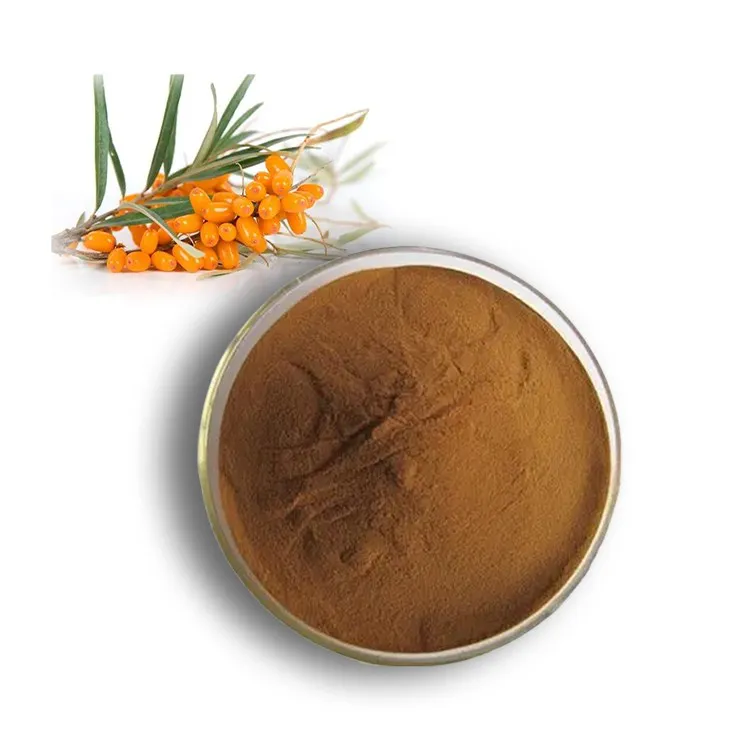
2.2 Anti - inflammatory Effects
SeaBuckthorn bark extracts also exhibit anti - inflammatory properties. Inflammation is a natural response of the body to injury or infection, but chronic inflammation can lead to tissue damage and various diseases. The extracts can modulate the body's inflammatory response by regulating the production of inflammatory mediators such as cytokines. This makes them potential candidates for the treatment of inflammatory diseases such as arthritis, where reducing inflammation is crucial for alleviating symptoms and preventing joint damage.
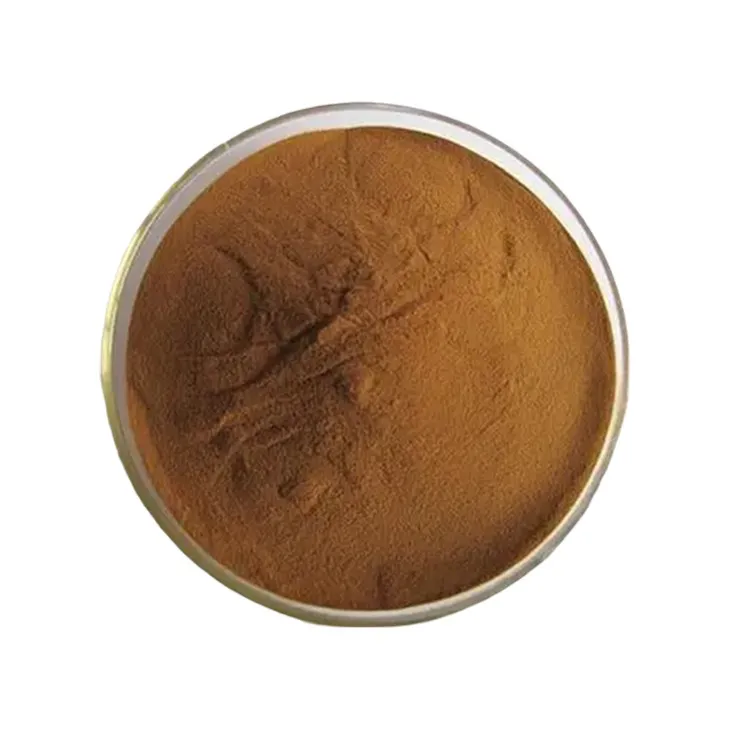
2.3 Antibacterial Activity
Another significant aspect of seaBuckthorn bark extracts is their antibacterial function. In the era of increasing antibiotic resistance, the search for new antibacterial agents is of utmost importance. The extracts have been shown to possess antibacterial activity against certain pathogenic bacteria. This could potentially be used in the development of new antibacterial drugs or as an adjunct to existing antibiotic therapies to enhance their effectiveness.
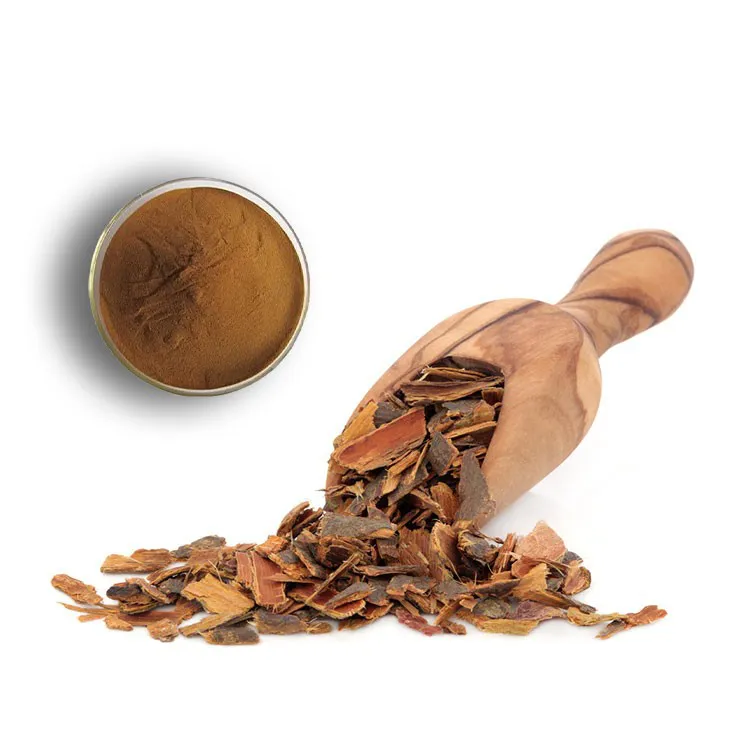
2.4 Potential in Chronic Disease Treatment
Given their antioxidant, anti - inflammatory, and antibacterial properties, seaBuckthorn bark extracts hold great promise in the development of new drugs for treating chronic diseases. For example, in the case of cardiovascular diseases, the extracts may help reduce oxidative stress on the blood vessels, decrease inflammation, and prevent the growth of bacteria that can cause infections in the heart or blood vessels. In neurodegenerative diseases like Alzheimer's and Parkinson's, their antioxidant properties may protect neurons from damage caused by free radicals.
3. Cosmetic Applications
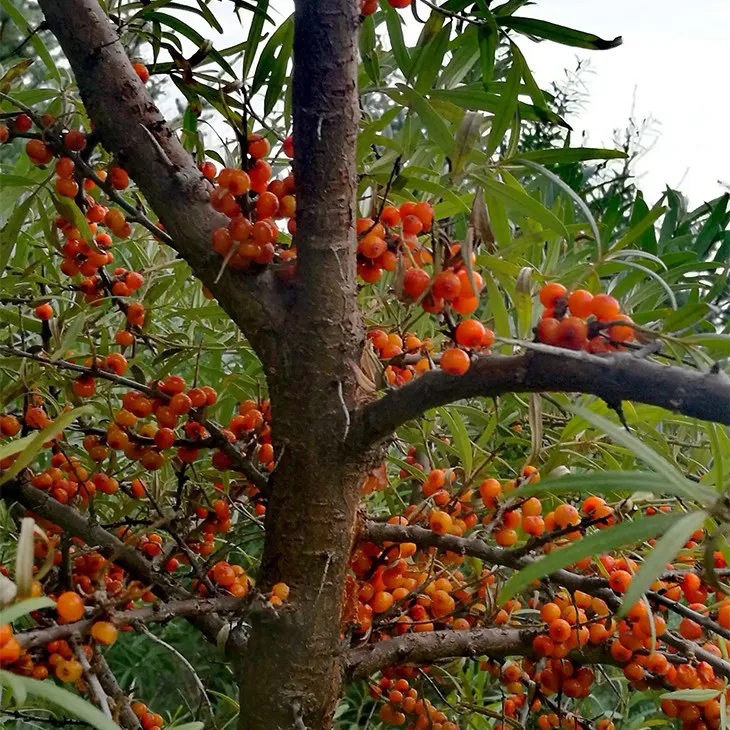
3.1 Anti - aging Benefits
The skin is constantly exposed to environmental factors such as ultraviolet radiation, pollution, and free radicals, which can lead to premature aging. SeaBuckthorn bark extracts, with their antioxidant properties, can combat these factors and thus have significant anti - aging potential in the cosmetic industry. They can help reduce the appearance of wrinkles, improve skin elasticity, and give the skin a more youthful appearance. By neutralizing free radicals, the extracts protect the skin cells from damage, which is a key factor in preventing the signs of aging.
3.2 Skin - Repairing Effects
In addition to anti - aging, seaBuckthorn bark extracts also have skin - repairing capabilities. They can promote the regeneration of skin cells, which is beneficial for healing damaged skin. This makes them suitable for use in products designed for treating skin conditions such as burns, cuts, and acne scars. The extracts can also improve the skin's barrier function, helping to keep the skin hydrated and protected from external irritants.
3.3 Incorporation into Skincare Products
Many cosmetic companies are now exploring the use of seaBuckthorn bark extracts in their skincare products. These extracts can be added to a wide range of products, including creams, lotions, serums, and masks. Their natural origin also makes them appealing to consumers who are increasingly interested in natural and organic beauty products.
4. Agricultural Applications
4.1 Natural Pesticides
The antibacterial and antifungal properties of seaBuckthorn bark extracts make them potential candidates for the development of natural pesticides. Conventional pesticides often have negative impacts on the environment and non - target organisms. In contrast, natural pesticides derived from seaBuckthorn bark extracts could provide a more environmentally friendly alternative. They can be used to control pests and diseases in crops, reducing the need for synthetic pesticides.
- For example, extracts may be effective against certain insect pests that damage agricultural crops. Their mode of action could be through interfering with the pests' physiological processes, such as disrupting their digestive or nervous systems.
- They may also have antifungal properties, which can be used to prevent fungal diseases in plants. This is especially important for crops that are highly susceptible to fungal infections, such as grapes and tomatoes.
4.2 Plant Growth Regulators
SeaBuckthorn bark extracts may also function as plant growth regulators. They can influence various aspects of plant growth, such as seed germination, root development, and shoot growth. By promoting healthy growth in plants, the extracts can potentially increase crop yields. For instance, they may enhance the uptake of nutrients by plants, which is essential for optimal growth.
- Some studies have shown that seaBuckthorn bark extracts can stimulate seed germination, leading to more uniform and faster emergence of seedlings. This can be beneficial for farmers as it ensures a better start for the crop.
- They can also affect root development, promoting the growth of a more extensive and healthy root system. A well - developed root system enables plants to better absorb water and nutrients from the soil.
5. Challenges and Future Directions
5.1 Standardization of Extracts
One of the major challenges in the application of seaBuckthorn bark extracts is the standardization of the extracts. The composition of the extracts can vary depending on factors such as the source of seabuckthorn, extraction methods, and processing conditions. To ensure consistent quality and effectiveness in different applications, it is necessary to develop standardized extraction and quality control procedures.
5.2 Research on Mechanisms
Although the antioxidant, anti - inflammatory, antibacterial, and other properties of seaBuckthorn bark extracts have been observed, further research on the underlying mechanisms is still needed. Understanding how these extracts interact with cells, tissues, and organisms at the molecular level will help in the development of more targeted and effective applications.
5.3 Industrial - Scale Production
For the widespread application of seaBuckthorn bark extracts, industrial - scale production needs to be optimized. Currently, the production processes may be limited in terms of efficiency and cost - effectiveness. Developing more efficient extraction and purification methods will be crucial for meeting the growing demand in various industries.
5.4 Regulatory Approval
Before seaBuckthorn bark extracts can be fully utilized in medical, cosmetic, and agricultural applications, they need to obtain the necessary regulatory approval. Different regions may have different regulations regarding the use of natural products in these fields. Ensuring compliance with these regulations will be a key step in the commercialization of seaBuckthorn bark extract - based products.
6. Conclusion
SeaBuckthorn bark extracts have broad application prospects in the medical, cosmetic, and agricultural fields. Their rich bioactive substances endow them with antioxidant, anti - inflammatory, antibacterial, anti - aging, skin - repairing, pesticidal, and plant growth - regulating properties. However, to fully realize their potential, challenges such as standardization, mechanism research, industrial - scale production, and regulatory approval need to be addressed. With further research and development, seaBuckthorn bark extracts are likely to become important natural products with wide - ranging applications in the future.
FAQ:
1. What are the main bioactive substances in seaBuckthorn bark extracts?
The main bioactive substances in seaBuckthorn bark extracts are flavonoids and polyphenols.
2. How can seaBuckthorn bark extracts be used in the medical field?
In the medical field, seaBuckthorn bark extracts can be used because they have antioxidant, anti - inflammatory and antibacterial properties. These properties may contribute to the development of new drugs for treating chronic diseases.
3. What benefits do seaBuckthorn bark extracts bring to the cosmetic industry?
SeaBuckthorn bark extracts can be added to skincare products in the cosmetic industry. They have anti - aging and skin - repairing functions, which are beneficial for improving skin condition.
4. Why is seaBuckthorn bark extract considered to have potential in the agricultural area?
SeaBuckthorn bark extract has the potential to be developed into natural pesticides or plant growth regulators in the agricultural area, which may be due to its certain bioactive substances that can affect pests or plants growth.
5. Are there any potential risks in using seaBuckthorn bark extracts?
Currently, while seaBuckthorn bark extracts show great potential, more research is needed to fully understand potential risks. However, generally, if used within proper dosage and following safety regulations, no obvious risks have been reported so far.
Related literature
- The Bioactive Components of Seabuckthorn Bark and Their Health - promoting Effects"
- "SeaBuckthorn bark extracts: A Promising Natural Resource for Multiple Industries"


-

Chaste Berry Extract
2024-12-11
-

Clove Powder
2024-12-11
-

Mulberry leaf Extract
2024-12-11
-

Avocado Extract Powder
2024-12-11
-

Motherwort Extract
2024-12-11
-

Pine bark Extract Powder
2024-12-11
-

Lavender Extract
2024-12-11
-

Epimedium extract powder
2024-12-11
-

Rhodiola Rosea Root extract
2024-12-11
-

Milk Thistle Extract
2024-12-11