


1. Introduction
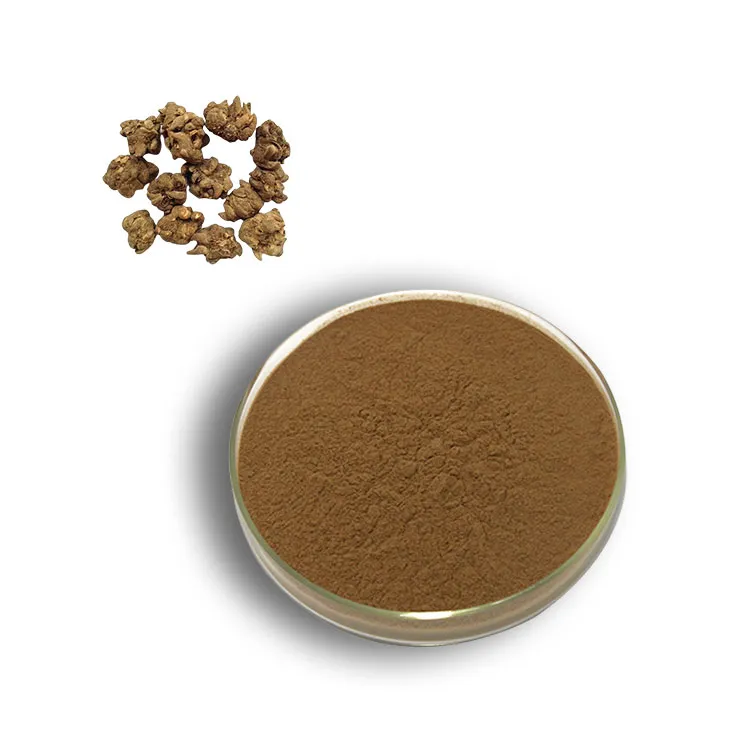
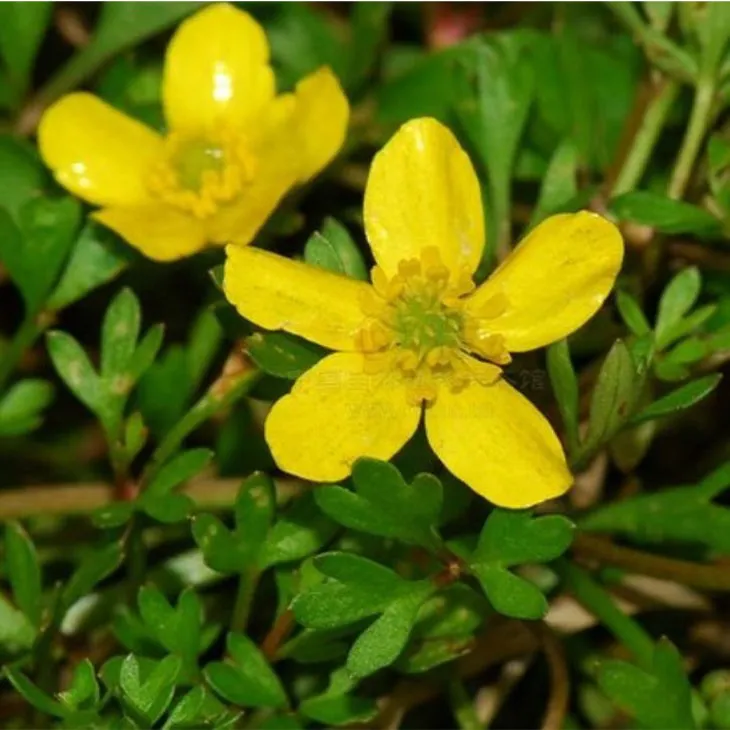
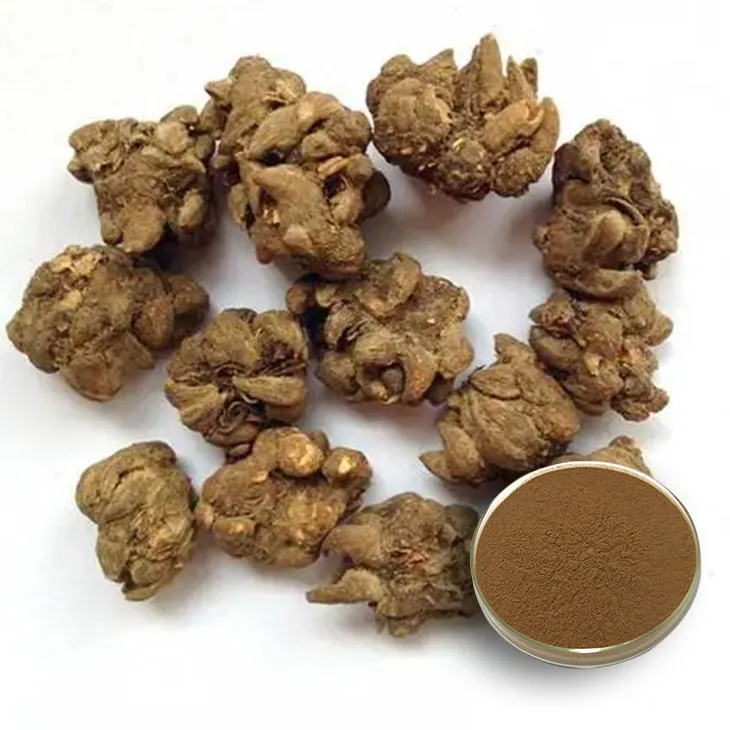
The food industry is constantly evolving, with an increasing demand for natural and functional ingredients. Cat's claw extract has emerged as a potentially valuable component in this context. Derived from the Uncaria tomentosa plant, cat's claw extract contains a variety of bioactive compounds that can offer several benefits to food products.
2. Fortification of Food Products
2.1 Health - Promoting Components
Cat's claw extract is rich in alkaloids, flavonoids, and other phytochemicals. These components are known for their potential health - promoting properties. For example, some alkaloids have been studied for their antioxidant and anti - inflammatory effects. When added to food products, they can enhance the nutritional profile of the food.- Antioxidant Properties: In a world where oxidative stress is a concern, the antioxidant components in cat's claw extract can help protect the body's cells from damage caused by free radicals. When incorporated into foods like juices or cereals, it can offer an added layer of protection to consumers.
- Anti - Inflammatory Effects: Chronic inflammation is linked to various diseases. By including cat's claw extract in food, it may help in reducing inflammation in the body. This is especially relevant for products targeted at consumers with inflammatory conditions or those interested in preventive health.
2.2 Targeted Food Products for Fortification
- Functional Foods: Functional foods are designed to provide additional health benefits beyond basic nutrition. Cat's claw extract can be a great addition to functional foods such as energy bars or fortified waters. For example, in an energy bar, it can work in combination with other ingredients like nuts and fruits to provide a more comprehensive health boost.
- Dietary Supplements: Dietary supplements are a major area where cat's claw extract can be used. It can be formulated into capsules, tablets, or powders. These supplements can be targeted at specific consumer groups, such as the elderly who may need extra antioxidant support or athletes looking for anti - inflammatory benefits during intense training.
3. Role in Food Processing
3.1 Emulsification
- Emulsion Basics: An emulsion is a mixture of two immiscible liquids, such as oil and water. In food, emulsions are common, for example, in salad dressings, mayonnaise, and some dairy products. Maintaining the stability of these emulsions is crucial for the quality and shelf - life of the product.
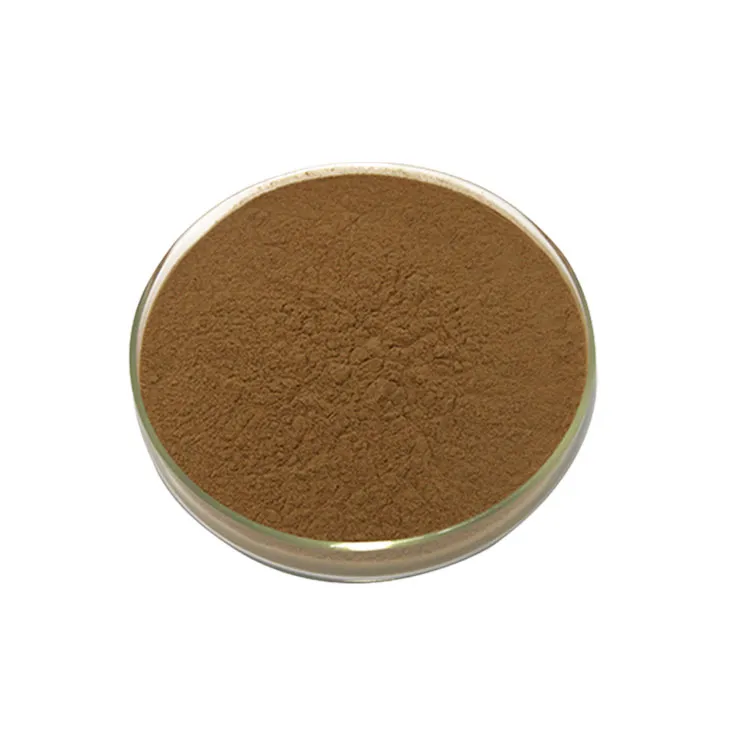
- How Cat's Claw Extract Helps: Cat's claw extract may have emulsifying properties. It can interact with the oil and water phases in an emulsion, reducing the surface tension between them. This helps in preventing the separation of the emulsion over time. For instance, in a salad dressing, the addition of cat's claw extract can keep the oil and vinegar mixture stable for a longer period, ensuring a consistent texture and appearance.
3.2 Other Processing Benefits
- Improving Viscosity: In some food products, the viscosity needs to be carefully controlled. Cat's claw extract may have the ability to modify the viscosity of the food matrix. For example, in a sauce or a puree, it can help in achieving the desired thickness and flow properties.
- Enhancing Shelf - Life: By contributing to the stability of emulsions and potentially having antimicrobial properties, cat's claw extract can play a role in extending the shelf - life of food products. This is of great importance in the food industry as it can reduce food waste and improve cost - effectiveness.
4. As a Natural Color - Enhancer
4.1 The Need for Natural Color - Enhancers
Consumers are increasingly demanding natural ingredients in their food. Synthetic colorants have faced some scRutiny due to potential health concerns. Natural color - enhancers, like cat's claw extract, offer an alternative.- Meeting Consumer Preferences: Today's consumers are more conscious about what they eat. They prefer products with natural ingredients, including natural colorants. By using cat's claw extract as a color - enhancer, food manufacturers can meet these consumer demands.
- Avoiding Synthetic Colorant Issues: Synthetic colorants have been associated with allergic reactions and hyperactivity in some cases. Natural alternatives like cat's claw extract can help food companies avoid these potential problems.
4.2 How Cat's Claw Extract Enhances Color
- Interaction with Pigments: Cat's claw extract may interact with the natural pigments present in food. For example, in fruits or vegetables, it can enhance the existing color or help in retaining the color during processing and storage. This can result in a more vibrant and appealing appearance of the final product.
- Color Stability: It can also contribute to the stability of the color over time. In products like jams or dried fruits, where color fading can be an issue, cat's claw extract can help maintain the desired color for a longer duration.
5. Challenges and Considerations
5.1 Regulatory Requirements
The use of cat's claw extract in the food industry is subject to regulatory scRutiny. Different countries may have different regulations regarding its use as a food ingredient. For example, in some regions, there may be limits on the maximum amount that can be added to food products.- Safety Assessments: Regulatory bodies require safety assessments to ensure that cat's claw extract is safe for consumption. These assessments may include toxicity studies, allergenicity testing, and evaluation of potential interactions with other food components.
- Labeling Requirements: Accurate labeling is essential. Food products containing cat's claw extract need to clearly state its presence on the label. This includes information about the source of the extract, any potential allergens, and its intended function in the product.
5.2 Quality Control
- Standardization of Extract: Ensuring the consistency of cat's claw extract is crucial. Variations in the composition of the extract can affect its performance in food applications. Standardization methods need to be developed to guarantee that each batch of extract has the same quality and functionality.
- Storage and Stability: Cat's claw extract may be sensitive to environmental factors such as temperature, light, and humidity. Proper storage conditions need to be determined to maintain its stability and effectiveness. For example, it may need to be stored in a cool, dry place away from direct sunlight.
6. Conclusion
Cat's claw extract has several potential applications in the food industry. It can be used for fortifying food products, playing a role in food processing, and acting as a natural color - enhancer. However, challenges such as regulatory compliance and quality control need to be addressed. With further research and development, cat's claw extract could become a more widely used and valuable ingredient in the food industry, offering consumers more natural and functional food options.
FAQ:
Q1: What are the specific health - promoting components in Cat Claw Extract that can be used for food fortification?
Cat Claw Extract contains various bioactive components such as alkaloids and flavonoids. These components are believed to have antioxidant, anti - inflammatory, and immune - enhancing properties. The alkaloids can help in maintaining the body's normal physiological functions, while the flavonoids contribute to antioxidant activities, which are beneficial when added to food products for fortification.
Q2: How does Cat Claw Extract contribute to emulsification in food processing?
Cat Claw Extract may contain certain substances with surfactant - like properties. These substances can reduce the surface tension between the two immiscible phases in an emulsion, such as oil and water. By doing so, they help to keep the emulsion stable, preventing the separation of the phases and ensuring a uniform texture and appearance of the food product.
Q3: In what types of food products can Cat Claw Extract be used as a natural color - enhancer?
Cat Claw Extract can potentially be used in products like beverages, baked goods, and confectionery. In beverages, it can enhance the color without the need for artificial colorants. For baked goods, it can give a more appealing golden or brownish hue. In confectionery, it can add a natural and attractive color to items such as candies and gummies.
Q4: Are there any safety concerns regarding the use of Cat Claw Extract in the food industry?
While Cat Claw Extract has potential benefits, there are some safety considerations. High doses or improper extraction methods may introduce unwanted substances. However, when used within the recommended limits and following proper extraction and purification procedures, it is generally considered safe. Regulatory bodies often set guidelines to ensure its safe use in food products.
Q5: How can the quality of Cat Claw Extract used in the food industry be ensured?
To ensure the quality of Cat Claw Extract, strict sourcing and extraction procedures are required. Sourcing should be from reliable suppliers who ensure the plant material is of high quality. The extraction process should be carried out under controlled conditions to preserve the active components. Additionally, quality control tests such as analysis of the active ingredient content, purity, and absence of contaminants should be regularly performed.
Related literature
- The Potential of Cat's Claw Extract in Functional Foods"
- "Cat Claw Extract: Applications and Safety in Food Fortification"
- "Emulsifying Properties of Natural Extracts: The Case of Cat Claw"


-

Acai Berry Extract
2024-12-21
-

Fenugreek Extract Powder
2024-12-21
-

Red Vine Extract
2024-12-21
-

Sophora Japonica Flower Extract
2024-12-21
-

Tinospora cordifolia extract
2024-12-21
-

Motherwort Extract
2024-12-21
-

Feverfew Extract
2024-12-21
-

Jujube Extract
2024-12-21
-

Acerola Juice Powder
2024-12-21
-

Kupilu Extract
2024-12-21