


1. Introduction
The artichoke, a member of the thistle family, has been recognized for its various beneficial properties for centuries. Artichoke Leaf Extract, in particular, has emerged as a valuable substance with a wide range of applications. This extract is rich in bioactive compounds such as cynarin, chlorogenic acid, and flavonoids, which contribute to its diverse functionality. In this article, we will explore how Artichoke Leaf Extract functions in different industries, including agriculture, medicine, and manufacturing.
2. Role in Agriculture
2.1 Plant Growth Promotion
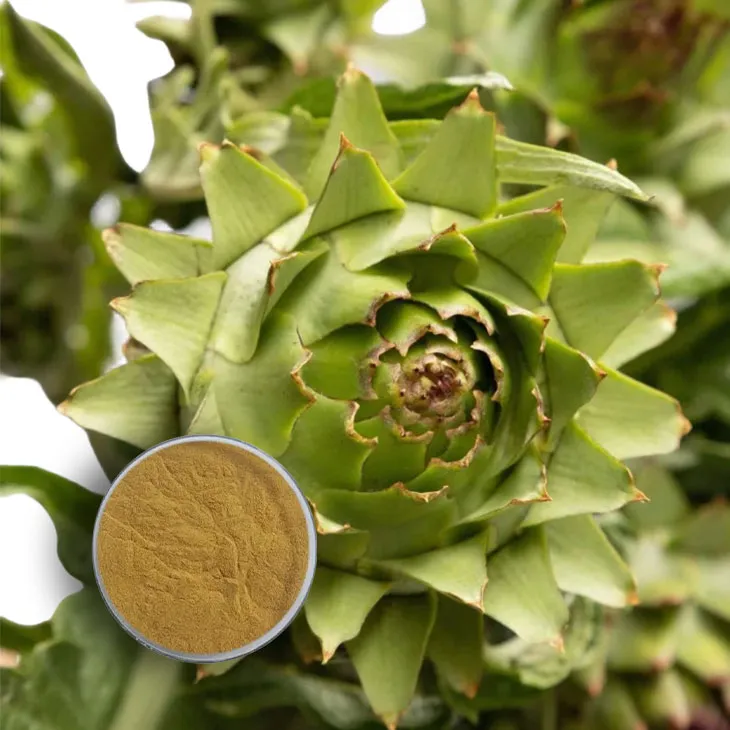
Artichoke Leaf Extract contains nutrients and growth - promoting substances that can have a positive impact on plant growth. Cynarin, one of the key components, has been shown to enhance root development. When applied to the soil or as a foliar spray, the extract can stimulate the elongation of root hairs, which in turn improves the plant's ability to absorb water and nutrients from the soil. For example, in greenhouse experiments with tomato plants, those treated with Artichoke Leaf Extract showed significantly increased root biomass compared to the control group.
Furthermore, the flavonoids present in the extract can act as signaling molecules. They can trigger a series of physiological responses in plants, such as the activation of genes related to photosynthesis and stress tolerance. This means that plants treated with Artichoke Leaf Extract may be better able to withstand environmental stresses like drought or high salinity. In field trials with wheat, the application of the extract led to improved photosynthetic efficiency during periods of water shortage, resulting in higher yields.
2.2 Pest and Disease Resistance
Artichoke Leaf Extract also exhibits properties that can enhance a plant's resistance to pests and diseases. Some of the bioactive compounds in the extract have antimicrobial and antifungal activities. For instance, chlorogenic acid has been found to inhibit the growth of certain plant - pathogenic fungi, such as Fusarium oxysporum. By applying Artichoke Leaf Extract to crops, farmers can potentially reduce the incidence of fungal diseases, thereby minimizing the need for chemical fungicides.
In addition to its antifungal effects, the extract can also repel or deter pests. The unique odor and chemical composition of the extract may be unappealing to insects. Studies have shown that when sprayed on cabbage plants, Artichoke Leaf Extract reduced the infestation of cabbage worms. This natural pest - control method is not only environmentally friendly but also sustainable, as it does not leave harmful residues on the crops like some synthetic pesticides do.
3. Role in Medicine
3.1 Digestive Health
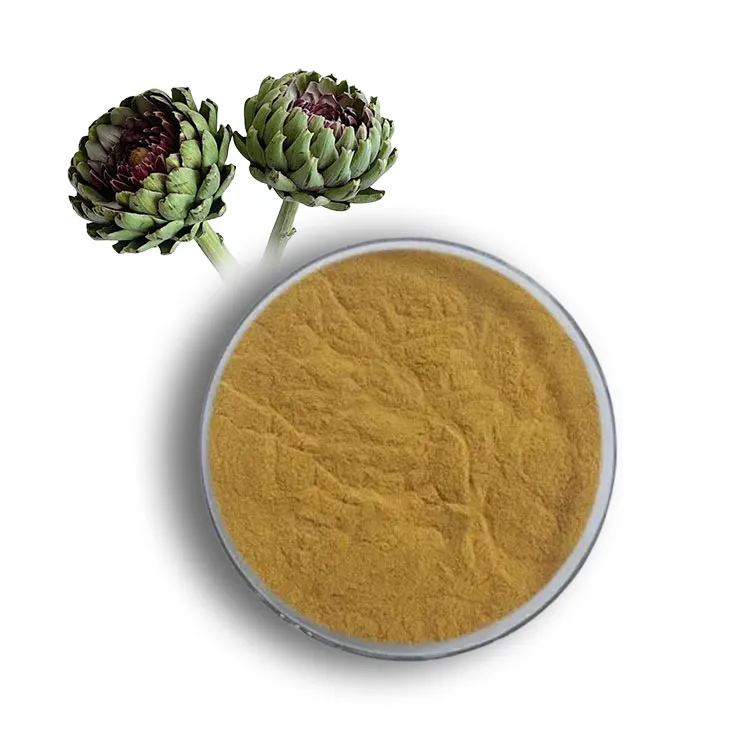
Artichoke Leaf Extract has long been used in traditional medicine for digestive problems. It has a positive effect on the liver and gallbladder. Cynarin in the extract can stimulate the production of bile, which is essential for the digestion and absorption of fats. This can help relieve symptoms of indigestion, such as bloating, flatulence, and abdominal discomfort. Clinical trials have demonstrated that patients with functional dyspepsia who took Artichoke Leaf Extract supplements experienced a significant reduction in their symptoms over a period of weeks.
The extract also has a mild laxative effect, which can help regulate bowel movements. It can increase the motility of the intestines without causing excessive diarrhea. This makes it a potential natural remedy for mild constipation and can contribute to overall digestive well - being.
3.2 Cholesterol and Lipid Management
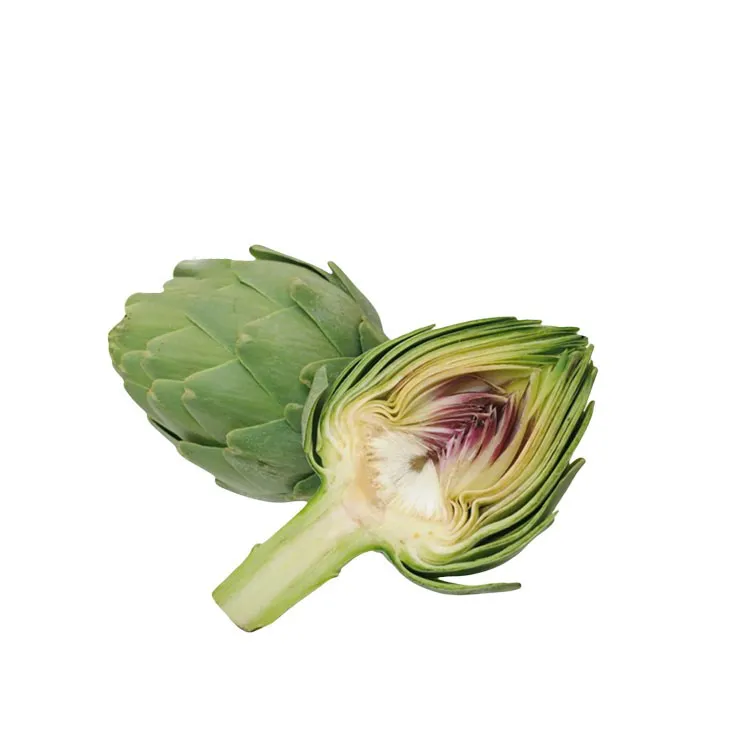
There is evidence to suggest that Artichoke Leaf Extract can play a role in managing cholesterol levels. The flavonoids and other bioactive compounds in the extract can interfere with the absorption of dietary cholesterol in the intestine. By reducing the amount of cholesterol absorbed, the extract may help lower blood cholesterol levels. In some studies, individuals who consumed Artichoke Leaf Extract in addition to their regular diet showed a modest but significant decrease in LDL (low - density lipoprotein) cholesterol, which is often referred to as "bad" cholesterol.
Moreover, the extract may also have an impact on lipid metabolism in general. It can influence the way the body processes and stores fats, potentially reducing the risk of fatty liver disease and other lipid - related disorders.
3.3 Antioxidant and Anti - Inflammatory Properties
The antioxidants present in Artichoke Leaf Extract, such as flavonoids and phenolic acids, can scavenge free radicals in the body. Free radicals are unstable molecules that can cause oxidative damage to cells, which is associated with aging and various diseases, including cancer and heart disease. By neutralizing these free radicals, the extract can help protect cells from damage and maintain their normal function.
Artichoke Leaf Extract also has anti - inflammatory properties. Chronic inflammation is a key factor in many diseases, such as arthritis and inflammatory bowel disease. The extract can inhibit the production of inflammatory mediators in the body, reducing inflammation at the site of injury or disease. For example, in animal models of arthritis, the administration of Artichoke Leaf Extract led to a reduction in joint swelling and pain.
4. Role in Manufacturing
4.1 Food and Beverage Industry
In the food and beverage industry, Artichoke Leaf Extract can be used as a natural flavoring agent. It imparts a unique, slightly bitter and earthy flavor that can add depth to a variety of products. For example, it can be used in the production of herbal teas, where its flavor complements other herbs and spices. Additionally, the extract's antioxidant properties can be beneficial for food preservation. It can help prevent the oxidation of fats and oils in food products, thereby extending their shelf life.
The extract can also be incorporated into functional foods. Given its potential health benefits, such as cholesterol - lowering and digestive - enhancing properties, it can be added to products like energy bars or breakfast cereals to create "health - promoting" foods. This caters to the growing consumer demand for foods that not only taste good but also offer health benefits.
4.2 Cosmetics and Skincare Industry
Artichoke Leaf Extract is finding increasing use in the cosmetics and skincare industry. Its antioxidant and anti - inflammatory properties make it a valuable ingredient in anti - aging and skin - soothing products. In anti - aging creams, the extract can help reduce the appearance of wrinkles by protecting the skin from free radical damage and promoting collagen synthesis. Collagen is a protein that gives the skin its elasticity and firmness.
For skincare products aimed at treating inflammatory skin conditions like eczema or acne, Artichoke Leaf Extract can help calm the skin and reduce redness. It can also have a moisturizing effect, as it helps the skin retain water. This makes it a versatile ingredient that can be used in a wide range of cosmetic formulations, from lotions to serums.
4.3 Textile Industry
In the textile industry, Artichoke Leaf Extract can be used for natural dyeing. The pigments present in the extract can produce a range of colors, from light yellow to greenish - brown. This provides an alternative to synthetic dyes, which are often associated with environmental pollution. Natural dyeing with Artichoke Leaf Extract is not only more sustainable but can also give textiles a unique and natural look. Additionally, the extract may have antimicrobial properties that can be imparted to the textiles, making them more resistant to bacteria and fungi during storage and use.
5. Conclusion
Artichoke Leaf Extract is a remarkable substance with a wide array of applications in different industries. In agriculture, it promotes plant growth and protects against pests and diseases. In medicine, it offers benefits for digestive health, cholesterol management, and has antioxidant and anti - inflammatory properties. In manufacturing, it finds uses in the food, cosmetics, and textile industries. As research continues to uncover more about the properties and potential applications of Artichoke Leaf Extract, it is likely to become even more widely utilized in the future, providing sustainable and effective solutions in various fields.
FAQ:
What are the main components of Artichoke Leaf Extract?
Artichoke Leaf Extract contains various components. Some of the main ones include cynarin, chlorogenic acid, and flavonoids. Cynarin is often associated with many of the extract's properties. Flavonoids contribute to its antioxidant effects, while chlorogenic acid also has potential health - promoting and other functional properties.
How does Artichoke Leaf Extract promote plant growth in agriculture?
In agriculture, Artichoke Leaf Extract can enhance plant growth in several ways. It may contain nutrients that can be absorbed by plants. Additionally, certain compounds in the extract can stimulate root development, making plants better able to absorb water and nutrients from the soil. It might also have properties that can enhance the plant's natural defense mechanisms against pests and diseases, thereby promoting overall growth and productivity.
What specific ailments can Artichoke Leaf Extract treat in medicine?
In medicine, Artichoke Leaf Extract has been studied for treating various ailments. It may be beneficial for liver health, as it can help in promoting liver function and potentially aid in the treatment of liver - related disorders. It has also been investigated for its role in improving digestion. Some studies suggest that it can help relieve symptoms of indigestion, such as bloating and discomfort. Additionally, there is some evidence that it may have a positive impact on cholesterol levels, potentially helping to lower bad cholesterol in the body.
How does Artichoke Leaf Extract improve product quality in the manufacturing sector?
In the manufacturing sector, Artichoke Leaf Extract can improve product quality in different ways. For example, in the food industry, its antioxidant properties can be used to prevent spoilage and extend the shelf - life of products. In the cosmetic industry, the extract may be added to products due to its potential skin - beneficial properties, such as antioxidant and anti - inflammatory effects, which can improve the quality of skin - care products. It can also be used in the pharmaceutical manufacturing process as an ingredient for certain drugs, where its medicinal properties contribute to the overall quality and effectiveness of the final product.
Are there any potential side effects of using Artichoke Leaf Extract?
While Artichoke Leaf Extract is generally considered safe for most people when used appropriately, there can be some potential side effects. Some individuals may experience mild digestive issues, such as nausea or an upset stomach. In rare cases, allergic reactions may occur, especially in those who are sensitive to plants in the same family. However, these side effects are not common, and proper dosage and usage guidelines should be followed to minimize any potential risks.
Related literature
- The Bioactive Compounds and Potential Health Benefits of Artichoke Leaf Extract"
- "Artichoke Leaf Extract in Agriculture: A Promising Natural Agent"
- "The Role of Artichoke Leaf Extract in Manufacturing: Improving Product Attributes"


-

Bitter Melon Extract
2024-12-10
-

Pine bark Extract Powder
2024-12-10
-

Milk Thistle Extract
2024-12-10
-

Red Date Extract
2024-12-10
-

Lily extract
2024-12-10
-

S-Adenosyl L-methionine(SAMe)
2024-12-10
-

Baicalin
2024-12-10
-

Sea buckthorn oil
2024-12-10
-

Fig Extract
2024-12-10
-

Fenugreek Extract Powder
2024-12-10