


1. Introduction
Artichoke (Cynara scolymus) is a plant that has been cultivated for centuries for its edible parts and also for the medicinal properties of its leaf extract. The Artichoke Leaf Extract has gained significant attention in recent years due to its potential health benefits. This article will explore the various aspects of Artichoke Leaf Extract, starting from its cultivation, moving on to processing techniques, and finally analyzing its market position.
2. Cultivation of Artichoke
2.1 Climate and Soil Requirements
Artichokes thrive in mild climates. They are sensitive to frost and prefer areas with cool, foggy summers and mild winters. The ideal temperature range for growth is between 13 - 16°C (55 - 61°F). In terms of soil, artichokes require well - drained, fertile soil with a pH level between 6.5 - 7.5. Sandy - loam soils are often considered optimal as they provide good drainage while retaining sufficient moisture.
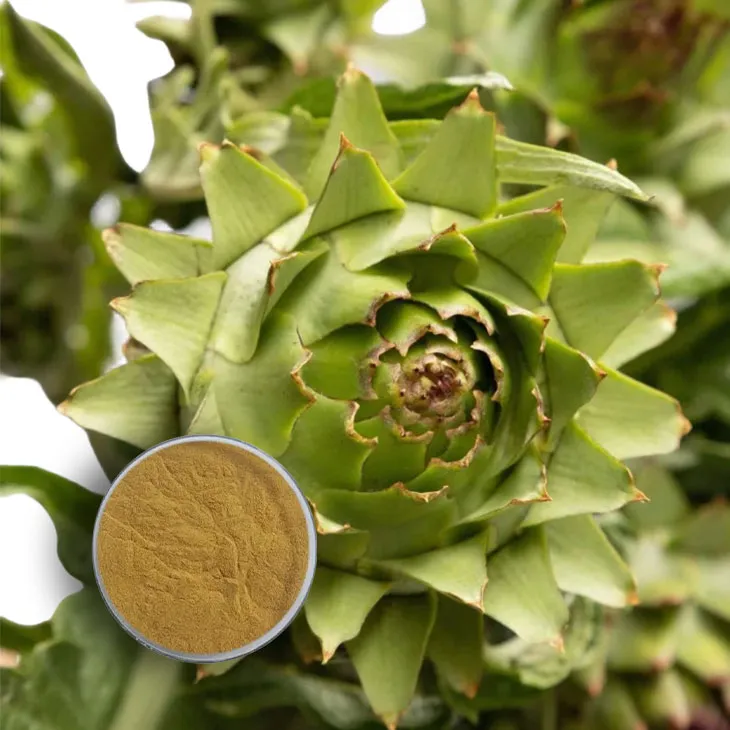
2.2 Propagation
Artichokes can be propagated through seeds or vegetatively. However, propagation through seeds can be a bit challenging as it may result in plants with variable characteristics. Vegetative propagation, such as through suckers or offshoots, is more commonly used in commercial cultivation. This method ensures that the new plants have the same genetic characteristics as the parent plant, resulting in more consistent yields and quality.
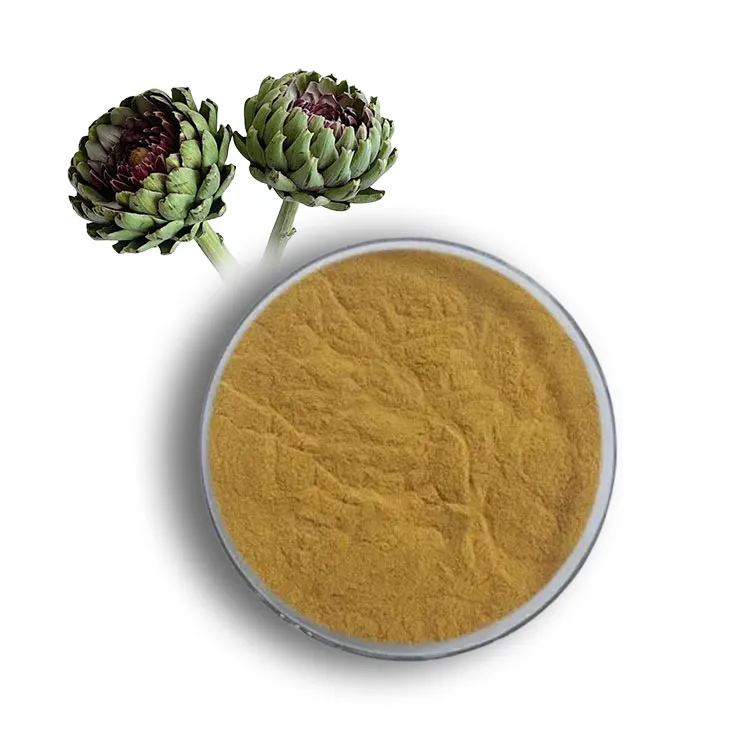
2.3 Planting and Spacing
When planting artichoke, it is important to space the plants properly. Typically, plants should be spaced about 1 - 1.5 meters (3 - 5 feet) apart in rows that are also 1 - 1.5 meters apart. This allows each plant to have enough space for growth, access to sunlight, and air circulation. Planting is usually done in spring or fall, depending on the local climate.
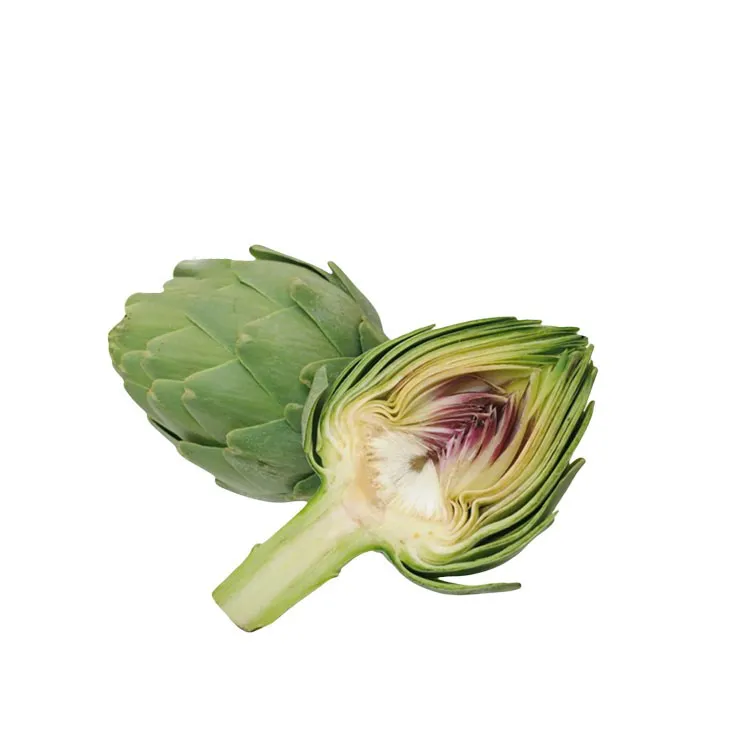
2.4 Irrigation and Fertilization
Artichokes require regular irrigation, especially during the growing season. However, over - watering should be avoided as it can lead to root rot. A drip irrigation system is often preferred as it provides a slow and steady supply of water directly to the roots. In terms of fertilization, artichokes benefit from a balanced fertilizer rich in nitrogen, phosphorus, and potassium. Organic fertilizers, such as compost or well - rotted manure, can also be used to improve soil fertility.
2.5 Pest and Disease Management
Several pests and diseases can affect artichoke cultivation. Common pests include aphids, slugs, and snails. These can be controlled through the use of insecticides or by introducing natural predators such as ladybugs. Diseases such as powdery mildew and botrytis can be managed through proper crop rotation, good air circulation, and the use of fungicides when necessary.
3. Processing of Artichoke Leaf Extract
3.1 Harvesting
The leaves for extraction are typically harvested when the artichoke plants are mature. This is usually a few months after planting, depending on the variety. The leaves should be harvested carefully to avoid damaging the plant. Only healthy, fully - grown leaves should be selected for extraction.
3.2 Cleaning and Sorting
Once harvested, the leaves are first cleaned to remove any dirt, debris, or insects. This can be done through a series of washing and rinsing steps. After cleaning, the leaves are sorted to remove any damaged or diseased leaves. This ensures that only high - quality leaves are used for the extraction process.
3.3 Extraction Methods
There are several methods for extracting the active compounds from artichoke leaves. One common method is solvent extraction, where a solvent such as ethanol or methanol is used to dissolve the active compounds from the leaves. Another method is supercritical fluid extraction, which uses supercritical carbon dioxide as the solvent. This method is considered more environmentally friendly as it does not leave behind any solvent residues. The extracted liquid is then further processed to obtain a concentrated form of the Artichoke Leaf Extract.
3.4 Purification and Concentration
After extraction, the extract may need to be purified to remove any impurities. This can be done through filtration or chromatography techniques. Once purified, the extract is concentrated to increase the concentration of the active compounds. This concentrated extract can then be formulated into various products such as capsules, tablets, or tinctures.
4. Market for Artichoke Leaf Extract
4.1 Health Benefits and Applications
Artichoke Leaf Extract has been associated with several health benefits. It has been shown to have cholesterol - lowering properties, which makes it attractive for use in dietary supplements for those at risk of heart disease. It also has antioxidant and anti - inflammatory properties, which may be beneficial for various health conditions such as liver health, digestive health, and joint health. As a result, it is used in a wide range of products in the health and wellness market, including dietary supplements, herbal teas, and functional foods.
4.2 Market Trends
In recent years, there has been a growing trend towards natural and plant - based products in the health and wellness market. This has led to an increased demand for Artichoke Leaf Extract. Additionally, with the increasing awareness of the importance of liver health and digestive health, the market for Artichoke Leaf Extract is expected to continue to grow. However, the market also faces challenges such as competition from other herbal extracts and the need for more research to fully understand the long - term health benefits of the extract.
4.3 Global Market and Major Players
The global market for Artichoke Leaf Extract is spread across several regions, including Europe, North America, and Asia. In Europe, countries such as Italy and Spain, which are major producers of artichokes, also have a significant presence in the Artichoke Leaf Extract market. In North America, the United States is a major consumer of Artichoke Leaf Extract products. There are several major players in the market, including companies that specialize in herbal supplement production and pharmaceutical companies that are exploring the potential of Artichoke Leaf Extract for drug development.
5. Conclusion
Artichoke Leaf Extract has a promising future in the market, given its potential health benefits and the growing trend towards natural products. However, continuous research is needed to further explore its properties and applications. The cultivation and processing of artichoke for leaf extract also need to be optimized to ensure a consistent supply of high - quality extract. With proper management, the Artichoke Leaf Extract industry can continue to grow and contribute to the health and wellness of consumers around the world.
FAQ:
1. What are the key factors for successful artichoke cultivation?
Successful artichoke cultivation depends on several factors. Firstly, the climate is crucial. Artichokes prefer a mild climate, not too cold or too hot. They thrive in well - drained soil with a pH range of 6.5 - 7.5. Adequate sunlight is also necessary, typically at least 6 - 8 hours a day. Additionally, proper irrigation is essential to keep the soil moist but not waterlogged. And appropriate spacing between plants is required to ensure good air circulation and growth space.
2. How is Artichoke Leaf Extract processed?
The processing of Artichoke Leaf Extract involves multiple steps. First, the artichoke leaves are harvested at the appropriate time. Then, they are usually washed thoroughly to remove dirt and impurities. After that, drying is a common step, which can be done through natural drying or using drying equipment. Once dried, the leaves are ground into a powder. Next, extraction methods such as solvent extraction are used. The solvents can be organic solvents like ethanol. After extraction, purification steps may be carried out to remove any remaining impurities, resulting in the final Artichoke Leaf Extract.
3. What are the main applications of Artichoke Leaf Extract in the market?
Artichoke Leaf Extract has several applications in the market. In the health and wellness sector, it is often used as a dietary supplement. It is believed to have properties that support liver health, such as promoting bile production and liver detoxification. It may also have antioxidant effects, which can help combat oxidative stress in the body. In the cosmetic industry, it can be used in skincare products for its potential antioxidant and anti - inflammatory properties, which may help improve skin health and appearance.
4. What are the emerging trends in the Artichoke Leaf Extract market?
One emerging trend in the Artichoke Leaf Extract market is the increasing demand for natural and organic products. Consumers are more interested in products that are free from synthetic additives and are sourced sustainably. Another trend is the exploration of new applications in the pharmaceutical industry. Researchers are studying its potential in treating various health conditions more comprehensively. There is also a growing trend towards product diversification, with Artichoke Leaf Extract being incorporated into a wider range of products such as functional foods and beverages.
5. How does the quality of artichoke cultivation affect the extract?
The quality of artichoke cultivation has a significant impact on the extract. High - quality cultivation with proper soil management, pest control, and nutrient supply results in healthier artichoke plants. This, in turn, leads to leaves with a higher content of beneficial compounds. For example, if the plants are well - nourished, they may produce more of the active ingredients that are desired in the extract. On the other hand, poor cultivation practices, such as over - use of pesticides or improper irrigation, can lead to lower - quality leaves and a less effective extract.
Related literature
- Artichoke Cultivation: Best Practices and Yield Optimization"
- "Processing Techniques for Herbal Extracts: The Case of Artichoke Leaf Extract"
- "The Market Potential of Artichoke Leaf Extract in the Health and Wellness Industry"


-

Selenium yeast
2024-12-07
-

Pomegranate Extract
2024-12-07
-

Nutmeg Extract
2024-12-07
-

Tormentil Extract
2024-12-07
-

Curcuma Longa Extract/Turmeric extract
2024-12-07
-

Panax Ginseng Leaf Extract
2024-12-07
-

Rose Hip Extract
2024-12-07
-

Mangosteen extract powder
2024-12-07
-

L-Tyrosine
2024-12-07
-

Plantain extract
2024-12-07