


1. Introduction to Artichoke Leaf Extract
Artichoke Leaf Extract is a product that holds great promise in the realms of health, food, and pharmaceuticals. It has been increasingly recognized for its diverse properties and potential applications. This extract is derived from the leaves of the artichoke plant, which is native to the Mediterranean region but is now cultivated in various parts of the world.
2. Composition and Benefits of Artichoke Leaf Extract
Artichoke Leaf Extract is rich in nutrients and bioactive substances. It contains phenolic compounds that are not only antioxidants but also have anti - inflammatory properties. These properties can be beneficial for conditions related to inflammation in the body, such as joint pain. The extract also has potential prebiotic effects, which can support the growth of beneficial gut bacteria. This makes it an interesting ingredient for the development of functional foods and probiotic - related products.
Another important component of Artichoke Leaf Extract is cynarin. Cynarin has been studied for its potential to influence bile production and liver function. It may help in the digestion process by promoting the secretion of bile, which is essential for the breakdown and absorption of fats. Additionally, Artichoke Leaf Extract may have a positive impact on cholesterol levels. Some studies suggest that it can help in reducing LDL (low - density lipoprotein) cholesterol, which is often referred to as "bad" cholesterol.
Moreover, the antioxidant properties of Artichoke Leaf Extract are of great significance. Antioxidants help in neutralizing free radicals in the body. Free radicals are unstable molecules that can cause damage to cells and DNA, and are associated with various chronic diseases such as cancer, heart disease, and neurodegenerative disorders. By consuming products containing Artichoke Leaf Extract, individuals may potentially reduce their risk of developing these diseases.
3. The Supplier's Contribution
3.1 Raw Material Processing
A good supplier of Artichoke Leaf Extract is essential for maintaining product quality. They are involved in the initial processing of the artichoke leaves. This includes cleaning and preparing the leaves for extraction. The leaves need to be carefully sorted to remove any damaged or diseased parts. Proper cleaning is crucial to eliminate dirt, pesticides (if any), and other contaminants. Suppliers must also ensure that the leaves are dried at the appropriate temperature and humidity to preserve their bioactive compounds.
3.2 Understanding the Artichoke Plant
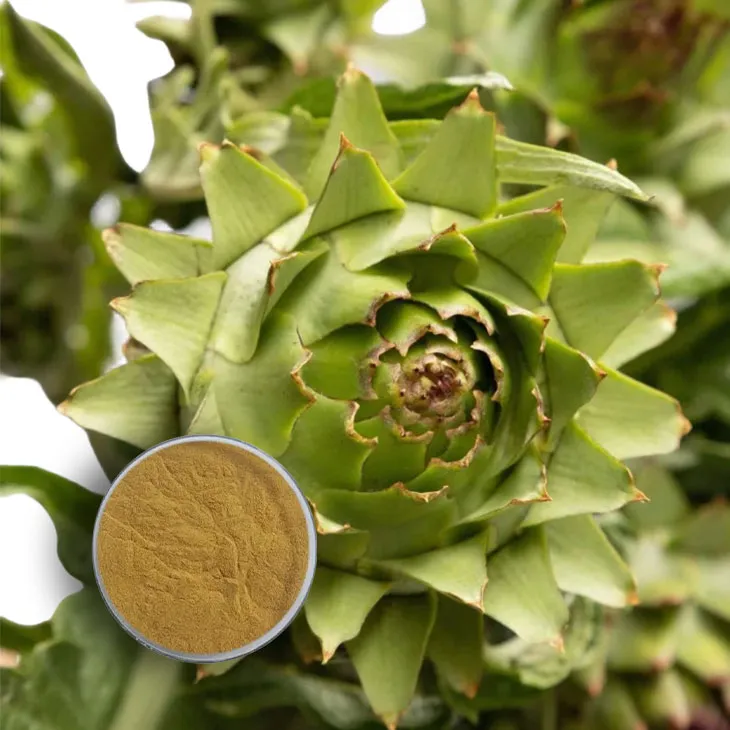
Suppliers need to have a deep understanding of the artichoke plant's biology. They should know the optimal time for harvesting the leaves to ensure maximum concentration of beneficial compounds. For example, the leaves may contain higher levels of certain bioactive substances at a particular stage of growth. If harvested too early or too late, the quality and quantity of the extract may be affected. Additionally, knowledge of the plant's growth requirements, such as soil type, water availability, and sunlight exposure, can help in cultivating high - quality artichoke plants, which in turn will result in better - quality extract.
3.3 Inventory Management
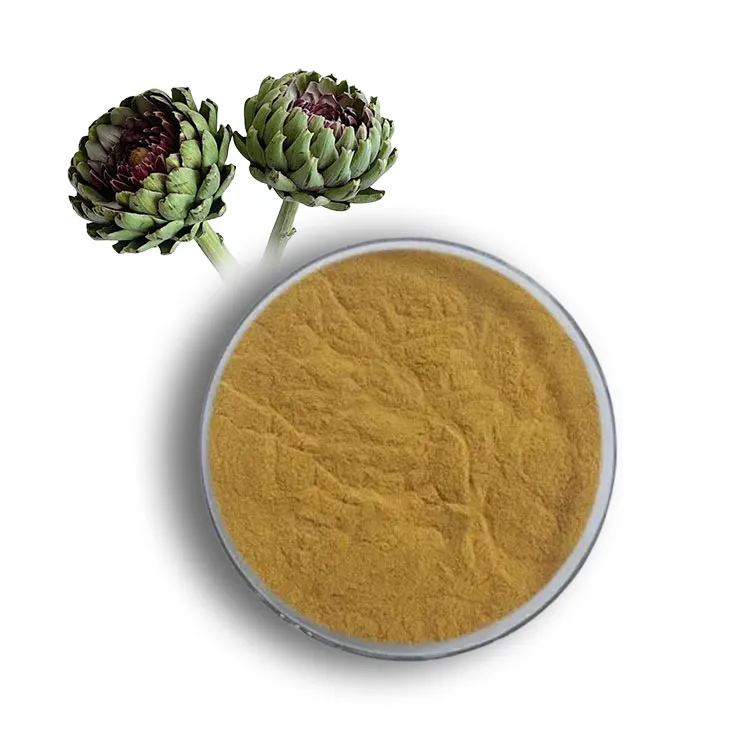
Another important role of the supplier is to manage inventory effectively. Since the demand for Artichoke Leaf Extract can be seasonal or subject to market fluctuations, proper inventory management helps to ensure a stable supply. Suppliers need to forecast demand accurately based on historical data, market trends, and customer orders. They should also have adequate storage facilities to store the artichoke leaves and the extract. These storage facilities need to maintain the appropriate temperature, humidity, and light conditions to prevent spoilage and degradation of the product.
4. The Exporter's Role in the Global Market
4.1 Promoting the Product
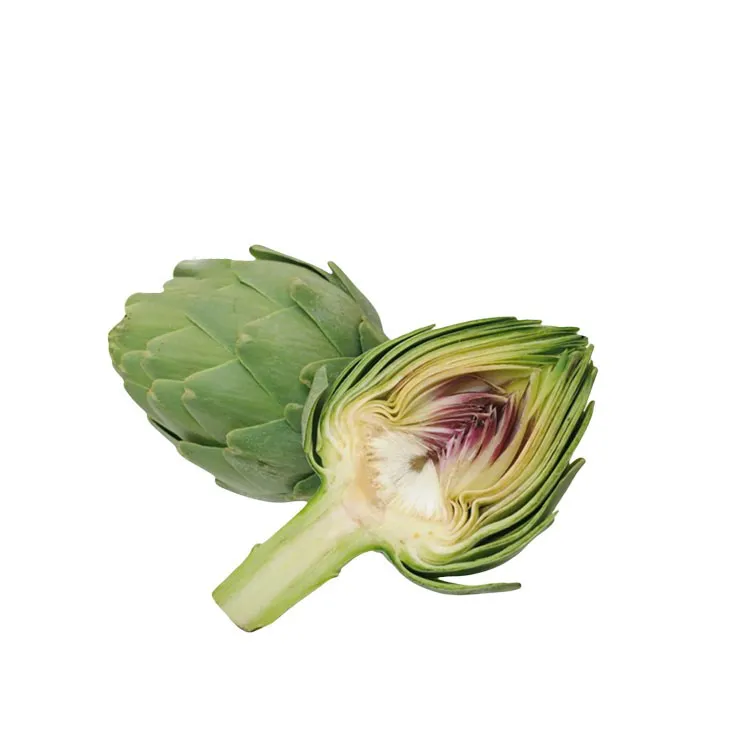
Exporters of Artichoke Leaf Extract play a vital role in expanding the reach of this product. They are responsible for promoting the product in international markets. This may involve participating in trade fairs and exhibitions to showcase the benefits and quality of the Artichoke Leaf Extract. At these events, exporters can interact with potential customers, distributors, and business partners. They can also provide product samples and brochures to create awareness about the product. In addition to trade fairs, exporters can use digital marketing strategies such as social media marketing, email marketing, and search engine optimization (SEO) to reach a wider audience.
4.2 Awareness of Economic Factors
Exporters also need to be aware of currency exchange rates and economic factors that can impact the price and competitiveness of the product. Fluctuations in currency exchange rates can affect the cost of production and the final price of the Artichoke Leaf Extract in international markets. For example, if the domestic currency of the exporting country strengthens against the currencies of the importing countries, the product may become more expensive for foreign buyers, potentially reducing demand. Exporters need to closely monitor these economic factors and develop strategies to mitigate their impact. This may include hedging against currency risks or adjusting prices based on market conditions.
4.3 Targeted Marketing Strategies
Exporters need to develop marketing strategies that target different customer segments in various countries. For example, in some countries, the focus may be on the health - promoting aspects for the consumer market, while in others, it may be on the industrial applications for the food or pharmaceutical industries. In consumer - oriented markets, exporters can highlight the health benefits of Artichoke Leaf Extract, such as its antioxidant and anti - inflammatory properties. They can target health - conscious consumers, fitness enthusiasts, and those interested in natural remedies. In industrial markets, they can emphasize the extract's potential as an ingredient in functional foods, dietary supplements, or pharmaceuticals. For example, in the food industry, Artichoke Leaf Extract can be used to develop new products with added health benefits, such as prebiotic - rich yogurts or cholesterol - lowering spreads.
5. Challenges in the Supplier - Exporter Chain
5.1 Quality Control
One of the major challenges in the Artichoke Leaf Extract supplier - exporter chain is quality control. Maintaining consistent quality throughout the supply chain is crucial for customer satisfaction and market acceptance. Suppliers need to implement strict quality control measures during the processing of the artichoke leaves and the extraction process. This includes testing for the presence and concentration of bioactive compounds, as well as ensuring that the product is free from contaminants such as heavy metals, pesticides, and microbial pathogens. Exporters also need to ensure that the quality of the product is maintained during transportation and storage. They may need to invest in proper packaging materials and storage facilities to protect the product from environmental factors such as heat, moisture, and light.
5.2 Regulatory Compliance
Another challenge is regulatory compliance. Different countries have different regulations regarding the import and use of Artichoke Leaf Extract in food, dietary supplements, and pharmaceuticals. Exporters need to be well - informed about these regulations and ensure that their products meet the requirements of each target market. This may involve obtaining necessary certifications, such as Good Manufacturing Practice (GMP) certificates or food safety certifications. Regulatory compliance can be a complex and time - consuming process, especially when dealing with multiple international markets.
5.3 Competition
The Artichoke Leaf Extract market is becoming increasingly competitive. There are many suppliers and exporters in the market, both from traditional artichoke - growing regions and emerging economies. To stay competitive, suppliers and exporters need to differentiate their products. This can be achieved through product innovation, such as developing new extraction methods to improve the quality and purity of the extract, or by offering value - added services such as custom packaging or product formulation. They also need to build strong brand identities and customer relationships to gain a competitive edge.
6. Strategies for Success in the Artichoke Leaf Extract Market
6.1 Collaboration and Partnerships
One strategy for success in the Artichoke Leaf Extract market is collaboration and partnerships. Suppliers and exporters can collaborate with research institutions to conduct further research on the health benefits and applications of Artichoke Leaf Extract. This can help in generating new knowledge and evidence - based marketing claims. They can also partner with other companies in the supply chain, such as farmers, processors, and distributors, to improve efficiency and quality control. For example, a supplier can partner with a local farmer to ensure a steady supply of high - quality artichoke leaves, while an exporter can partner with a distributor in a foreign market to improve market penetration.
6.2 Continuous Improvement
Continuous improvement is another key strategy. Suppliers and exporters should constantly strive to improve their processes, products, and services. This can involve investing in new technology for extraction and processing, training employees to enhance their skills, and seeking customer feedback to identify areas for improvement. For example, a supplier can invest in a more advanced extraction technology to increase the yield and purity of the Artichoke Leaf Extract, while an exporter can improve its customer service by providing faster response times and more personalized support.
6.3 Market Research
Market research is essential for understanding the needs and trends in the Artichoke Leaf Extract market. Suppliers and exporters need to stay updated on the latest research findings on the health benefits of Artichoke Leaf Extract, as well as market trends such as changing consumer preferences, emerging applications, and competitor activities. This information can be used to develop more effective marketing strategies and product innovation. For example, if market research indicates that consumers are increasingly interested in natural and plant - based products, suppliers and exporters can focus on highlighting the natural origin and sustainable production methods of Artichoke Leaf Extract.
7. Conclusion
In conclusion, the Artichoke Leaf Extract market depends on the efficient operation of suppliers and exporters to realize its full potential both domestically and globally. Suppliers play a crucial role in ensuring the quality of the raw material and maintaining a stable supply, while exporters are responsible for promoting the product in international markets and adapting to different market requirements. Despite the challenges in the supplier - exporter chain, such as quality control, regulatory compliance, and competition, there are strategies for success, including collaboration, continuous improvement, and market research. By implementing these strategies, suppliers and exporters can contribute to the growth and development of the Artichoke Leaf Extract market and meet the increasing demand for this valuable product.
FAQ:
What are the main bioactive substances in Artichoke Leaf Extract?
The main bioactive substances in Artichoke Leaf Extract are phenolic compounds. These compounds are antioxidants and also have anti - inflammatory properties.
Why is a good supplier important for Artichoke Leaf Extract?
A good supplier is important for Artichoke Leaf Extract because they are involved in the initial processing like cleaning and preparing the leaves for extraction. They also need to understand the artichoke plant's biology to know the best time for harvesting to ensure high concentration of beneficial compounds. Moreover, effective inventory management by the supplier is necessary to ensure a stable supply as the demand can be seasonal or subject to market fluctuations.
What are the responsibilities of an exporter of Artichoke Leaf Extract?
The responsibilities of an exporter of Artichoke Leaf Extract include promoting the product in international markets such as participating in trade fairs and exhibitions to show its benefits and quality. They also need to be aware of currency exchange rates and economic factors affecting price and competitiveness. Additionally, they must develop marketing strategies for different customer segments in various countries, like focusing on health - promoting aspects for consumer markets in some countries and industrial applications for food or pharmaceutical industries in others.
How can Artichoke Leaf Extract be beneficial for gut health?
Artichoke Leaf Extract has potential prebiotic effects, which means it can support the growth of beneficial gut bacteria, thus being beneficial for gut health.
What factors can influence the supply of Artichoke Leaf Extract?
The supply of Artichoke Leaf Extract can be influenced by factors such as the season (as the demand may be seasonal), market fluctuations, and proper inventory management by the supplier.
Related literature
- The Nutritional and Therapeutic Potential of Artichoke (Cynara scolymus L.)"
- "Bioactive Compounds in Artichoke: A Review of Their Potential Health Benefits"
- "Artichoke Leaf Extract: From Traditional Use to Modern Applications"


-

Saw Palmetto Extract
2024-12-07
-

Clove Powder
2024-12-07
-

Coconut Water Powder
2024-12-07
-

Rutin
2024-12-07
-

Acerola Extract
2024-12-07
-

L-carnitine
2024-12-07
-

Eyebright Extract
2024-12-07
-

Bitter Melon Extract
2024-12-07
-

Green Tea Extract
2024-12-07
-

Konjac Powder
2024-12-07