


1. Introduction
In the realm of natural ingredients, artichoke leaves and Artichoke Leaf Extracts have been gaining increasing attention. Artichokes themselves are known for their unique taste and various health - promoting properties. The leaves, whether in their whole form or as an extract, offer a range of potential benefits that make them valuable in different industries, including the food, pharmaceutical, and cosmetic sectors. Understanding the differences between artichoke leaves and their extracts is crucial for consumers and producers alike, as it can help in making informed decisions based on specific requirements.
2. Nutritional Content of Artichoke Leaves
Artichoke leaves are rich in a variety of nutrients. They contain significant amounts of dietary fiber, which is important for digestive health. The fiber in artichoke leaves can help in promoting regular bowel movements and preventing constipation.
Additionally, artichoke leaves are a good source of vitamins, such as Vitamin C, vitamin K, and folate. Vitamin C is an antioxidant that helps in protecting the body's cells from damage caused by free radicals. Vitamin K plays a crucial role in blood clotting, while folate is essential for cell division and the formation of DNA.
Minerals like potassium are also present in artichoke leaves. Potassium is important for maintaining proper heart function, regulating blood pressure, and balancing fluid levels in the body.
3. Nutritional Content of Artichoke Leaf Extract
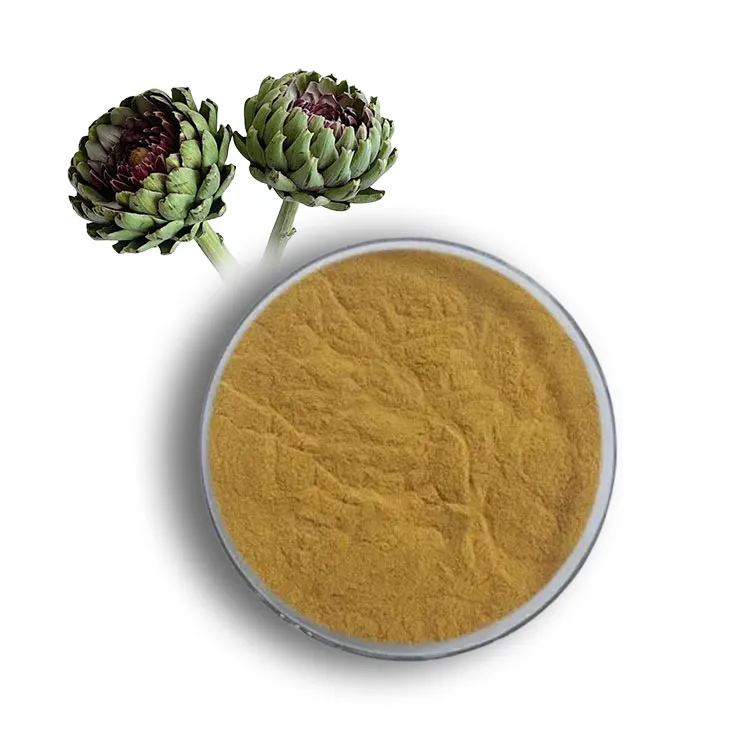
Artichoke Leaf Extract is concentrated, which means that while it contains many of the same nutrients as the whole leaves, their proportions may be different. The extraction process can result in a higher concentration of certain bioactive compounds.
For example, Artichoke Leaf Extract often has a higher concentration of cynarin. Cynarin is a compound that has been studied for its potential role in promoting liver health. It may help in increasing bile production, which can aid in digestion and the removal of toxins from the body.
The extract may also contain a significant amount of antioxidants. These antioxidants can help in reducing inflammation in the body and protecting against chronic diseases such as heart disease and cancer.
4. Potential Health Effects of Artichoke Leaves
4.1 Digestive Health
As mentioned earlier, the fiber in artichoke leaves is beneficial for the digestive system. It can add bulk to the stool, making it easier to pass. Moreover, artichoke leaves may also help in soothing the digestive tract. Some people use artichoke leaves in the form of tea to relieve symptoms of indigestion, such as bloating, abdominal pain, and gas.
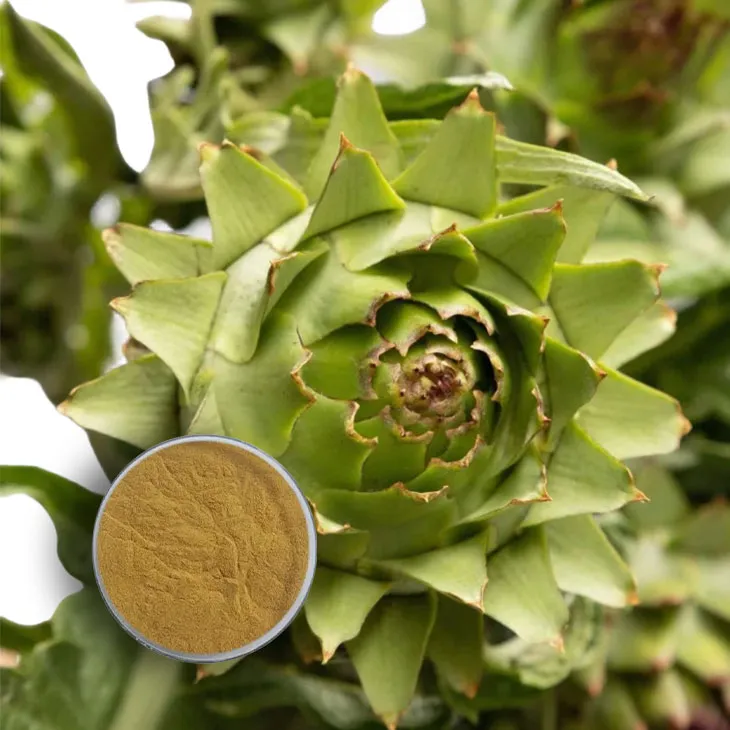
4.2 Heart Health
The potassium content in artichoke leaves can contribute to heart health. By helping to regulate blood pressure, it reduces the risk of hypertension, a major risk factor for heart disease. Additionally, the antioxidants in artichoke leaves may help in preventing the oxidation of LDL cholesterol, which is another factor associated with heart disease.
4.3 Blood Sugar Regulation
Some studies suggest that artichoke leaves may have a role in regulating blood sugar levels. The fiber in the leaves can slow down the absorption of carbohydrates, preventing rapid spikes in blood sugar. However, more research is needed to fully understand the mechanisms behind this potential effect.
5. Potential Health Effects of Artichoke Leaf Extract
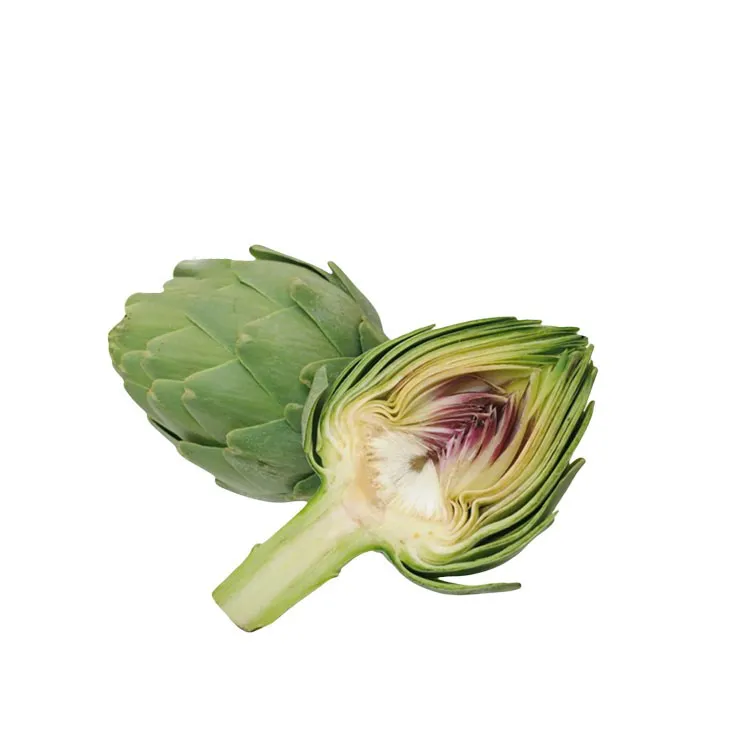
5.1 Liver Support
The high concentration of cynarin in Artichoke Leaf Extract makes it a promising ingredient for liver health. By increasing bile production, it can help in the digestion of fats and the removal of waste products from the liver. This may be beneficial for people with liver problems or those who want to support their liver function in general.
5.2 Cholesterol Management
Artichoke Leaf Extract has been shown to have an impact on cholesterol levels. It may help in reducing LDL cholesterol (the "bad" cholesterol) while increasing HDL cholesterol (the "good" cholesterol). This can lead to an improved lipid profile and a reduced risk of heart disease.
5.3 Anti - Inflammatory Properties
The antioxidants in Artichoke Leaf Extract can help in reducing inflammation in the body. Chronic inflammation is associated with many diseases, including arthritis, diabetes, and certain cancers. By reducing inflammation, Artichoke Leaf Extract may potentially play a role in preventing or managing these conditions.
6. Applications in the Food Industry
6.1 Culinary Uses of Artichoke Leaves
Artichoke leaves can be used in cooking in various ways. In some Mediterranean cuisines, young artichoke leaves are often sautéed with garlic, olive oil, and lemon juice. They can also be added to soups, stews, and casseroles to add flavor and texture.
Another popular use is to make artichoke leaf tea. The tea has a unique flavor and is often consumed for its potential digestive benefits.
6.2 Use of Artichoke Leaf Extract in Food
Artichoke Leaf Extract can be used as a natural flavor enhancer in the food industry. It can add a unique, slightly bitter taste to products such as salad dressings, sauces, and spreads.
Additionally, due to its potential health benefits, it can be added to functional foods. For example, it could be incorporated into energy bars or health - focused snacks to provide added nutritional value.
7. Applications in the Pharmaceutical Industry
7.1 Artichoke Leaves in Traditional Medicine
Artichoke leaves have a long history of use in traditional medicine. They have been used to treat various ailments, including digestive disorders, liver problems, and rheumatism. In traditional medicine systems, artichoke leaves are often prepared as tinctures, decoctions, or poultices for different therapeutic purposes.
7.2 Modern Pharmaceutical Applications of Artichoke Leaf Extract
In modern pharmaceuticals, Artichoke Leaf Extract is being studied for its potential in treating liver diseases such as hepatitis and fatty liver. It is also being investigated for its role in managing hyperlipidemia (high cholesterol) and hypertension.
However, more clinical trials are needed to fully establish its efficacy and safety for these medical applications.
8. Applications in the Cosmetic Industry
8.1 Artichoke Leaves in Cosmetics
Artichoke leaves can be used in cosmetic products for their antioxidant and anti - inflammatory properties. They can be incorporated into creams, lotions, and masks for skin health. For example, they may help in reducing skin redness, soothing irritated skin, and protecting the skin from environmental damage.
8.2 Use of Artichoke Leaf Extract in Cosmetics
Artichoke Leaf Extract, with its higher concentration of bioactive compounds, is also used in the cosmetic industry. It can be found in anti - aging products, as the antioxidants can help in fighting free radicals that contribute to skin aging.
It may also be used in products for treating acne or other skin disorders, due to its potential anti - inflammatory effects.
9. How to Choose the Right Ingredient
9.1 Based on Health Needs
If your primary concern is digestive health, both artichoke leaves and their extract can be beneficial. However, if you are specifically looking for support for liver function or cholesterol management, artichoke leaf extract, with its higher concentration of cynarin and other bioactive compounds, may be a better choice.
For those interested in general antioxidant support or blood sugar regulation, artichoke leaves may be sufficient, although Artichoke Leaf Extract can also provide these benefits.
9.2 Based on Usage in Different Industries
In the food industry, if you are aiming for a more natural and whole - food approach, artichoke leaves may be preferred for cooking or making tea. On the other hand, if you are developing a functional food product or a food with a unique flavor profile, Artichoke Leaf Extract could be a better option.
In the pharmaceutical industry, for traditional medicine applications, artichoke leaves may be used as they have a long history of use. For modern, evidence - based drug development, Artichoke Leaf Extract is more likely to be studied due to its more concentrated and potentially more effective nature.
In the cosmetic industry, if you are creating a product for general skin health, either artichoke leaves or their extract can be used. But for more targeted anti - aging or anti - inflammatory products, artichoke leaf extract may be more suitable.
10. Conclusion
Artichoke leaves and Artichoke Leaf Extract are both valuable natural ingredients with a range of potential benefits. Their nutritional content, health effects, and applications in different industries vary, and understanding these differences is essential for making the right choice according to your specific needs. Whether it is for personal health, food production, or cosmetic development, considering the characteristics of these ingredients can lead to more effective and beneficial use.
FAQ:
What are the main nutritional components in artichoke leaves?
Artichoke leaves are rich in various nutrients. They contain dietary fiber, which is beneficial for digestive health. Additionally, they have vitamins such as Vitamin C, vitamin K, and some B - vitamins. There are also minerals like potassium, magnesium, and iron present in artichoke leaves.
What are the potential health benefits of Artichoke Leaf Extract?
Artichoke Leaf Extract has several potential health benefits. It may support liver health by promoting the production of bile. It could also have antioxidant properties, which help in fighting against free radicals in the body. Some studies suggest that it may assist in improving digestion, reducing cholesterol levels, and potentially having anti - inflammatory effects.
How can one choose between artichoke leaves and Artichoke Leaf Extract for digestive problems?
If you prefer a more natural and whole - food approach, artichoke leaves might be a good choice. You can incorporate them into your diet, for example, by adding them to salads or cooking them as a vegetable. However, if you are looking for a more concentrated form with potentially stronger effects, Artichoke Leaf Extract in the form of supplements might be more suitable. But it's important to consult a healthcare provider before starting any new supplement.
Are there any side effects associated with artichoke leaves or their extract?
For most people, artichoke leaves and their extract are safe. However, some individuals may experience mild side effects such as an upset stomach, diarrhea, or allergic reactions. If you have a known allergy to artichokes or related plants, it's best to avoid them. Also, if you are taking medications, especially those metabolized by the liver, it's advisable to consult a doctor as artichoke products may interact with the medications.
How are artichoke leaves and Artichoke Leaf Extract used in the food industry?
Artichoke leaves can be used fresh or cooked in various food preparations. They can be added to soups, stews, or used as a side dish. Artichoke Leaf Extract is sometimes used as a flavor enhancer or in the production of functional foods. It can add a unique flavor and potentially bring the associated health benefits to the food product.
Related literature
- The Nutritional and Therapeutic Potential of Artichoke (Cynara scolymus L.)"
- "Artichoke Leaf Extract: A Review of its Pharmacological Properties"
- "Beneficial Effects of Artichoke in Health and Disease"


-

Pueraria Lobata Extract
2024-12-10
-

Cranberry Extract
2024-12-10
-

Feverfew Extract
2024-12-10
-

Agaricus Blazei Extract
2024-12-10
-

Peppermint Extract Powder
2024-12-10
-

Fig Extract
2024-12-10
-

Citrus Aurantii Extract
2024-12-10
-

Rose Hip Extract
2024-12-10
-

Ivy Extract
2024-12-10
-

Curcumin
2024-12-10