


1. Introduction
In the world of natural substances, both Astaxanthin and various herbal ingredients have gained significant attention. Astaxanthin, a powerful antioxidant, has been the subject of numerous scientific studies in recent years. On the other hand, herbal ingredients have a long - standing history in traditional medicine systems around the world. This article will delve into the characteristics of Astaxanthin and other herbal ingredients to determine which one may hold a more dominant position in different aspects.
2. Astaxanthin: An Overview
2.1 Chemical Properties
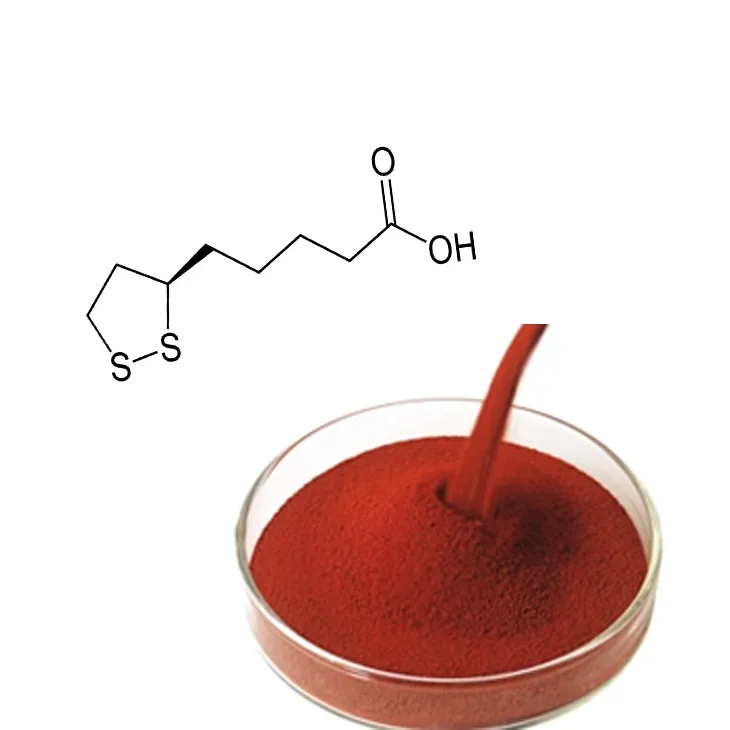
Astaxanthin is a carotenoid pigment. It is chemically characterized by its long carbon - chain structure and multiple conjugated double bonds. These chemical features endow it with unique antioxidant properties. It is fat - soluble, which affects its absorption and distribution in the body.
2.2 Sources
Astaxanthin can be sourced from both natural and synthetic means. Naturally, it is found in certain microalgae, such as Haematococcus pluvialis, and also in some marine organisms like salmon, shrimp, and krill. Synthetic Astaxanthin is also produced for commercial use, although there are some differences in its properties compared to the natural form.

2.3 Bioavailability
The bioavailability of Astaxanthin is a crucial factor. Due to its fat - solubility, it is best absorbed when consumed with a source of fat. Studies have shown that its absorption can be enhanced when taken with a meal containing dietary fats. However, its bioavailability can also be influenced by factors such as the form of Astaxanthin (e.g., esterified or free form) and the presence of other substances in the diet.
3. Therapeutic Effects of Astaxanthin

3.1 Antioxidant Activity
Astaxanthin is renowned for its potent antioxidant activity. It can scavenge free radicals, which are unstable molecules that can cause damage to cells, proteins, and DNA. By neutralizing free radicals, Astaxanthin helps protect the body from oxidative stress, which is associated with various chronic diseases such as heart disease, cancer, and neurodegenerative disorders.
3.2 Anti - inflammatory Properties
Another important aspect of Astaxanthin's therapeutic effects is its anti - inflammatory properties. It can modulate the inflammatory response in the body by inhibiting the production of pro - inflammatory cytokines. This makes it potentially beneficial for conditions such as arthritis, where inflammation plays a significant role.
3.3 Skin Health
Astaxanthin has also been shown to have positive effects on skin health. It can protect the skin from UV - induced damage, reduce wrinkles, and improve skin elasticity. This is attributed to its antioxidant and anti - inflammatory properties, as well as its ability to enhance the skin's barrier function.
4. Herbal Ingredients: A Diverse Group
4.1 Examples of Herbal Ingredients
There are numerous herbal ingredients with different properties and uses. For example, Ginseng is a well - known herbal ingredient in traditional Chinese medicine. It is believed to have adaptogenic properties, helping the body adapt to stress. Another example is Turmeric, which contains Curcumin, a compound with antioxidant, anti - inflammatory, and potential anti - cancer properties. St. John's Wort has been used for its antidepressant effects in some traditional medicine systems.
4.2 Traditional Uses
Herbal ingredients have a rich history of traditional use. In Ayurvedic medicine, herbs like Ashwagandha have been used for centuries to promote vitality and well - being. In Native American medicine, plants such as Echinacea were used to boost the immune system. These traditional uses often form the basis for modern research on herbal ingredients.
4.3 Bioavailability of Herbal Ingredients
The bioavailability of herbal ingredients varies widely. Some herbal compounds may have low bioavailability due to factors such as poor solubility or rapid metabolism in the body. For example, Curcumin from turmeric has relatively low bioavailability, but various strategies, such as combining it with piperine (found in black pepper), have been explored to improve its absorption.
5. Therapeutic Effects of Herbal Ingredients
5.1 Ginseng
Ginseng has been studied for its potential to improve cognitive function, enhance physical performance, and regulate blood sugar levels. Its adaptogenic properties are thought to help the body maintain homeostasis under stress conditions.
5.2 Turmeric
As mentioned earlier, turmeric's Curcumin has antioxidant, anti - inflammatory, and anti - cancer potential. It may also have beneficial effects on digestive health, such as reducing inflammation in the gut and improving liver function.
5.3 St. John's Wort
St. John's Wort has been shown to be effective in treating mild to moderate depression in some studies. However, it can also interact with certain medications, highlighting the importance of caution when using herbal supplements.
6. Market Trends
6.1 Astaxanthin in the Market
The market for Astaxanthin has been growing steadily. It is increasingly used in the nutraceutical and cosmetic industries. In the nutraceutical sector, Astaxanthin - containing supplements are popular among consumers interested in antioxidant - rich products. In the cosmetic industry, it is used in skincare products for its anti - aging and skin - protecting properties.
6.2 Herbal Ingredients in the Market
Herbal ingredients also have a large market share. The demand for herbal supplements and products based on traditional medicine is high. For example, ginseng - based products are widely available in the market, targeting consumers looking for natural ways to boost energy and improve cognitive function. Turmeric - based supplements and foods are also becoming more popular due to the growing awareness of Curcumin's health benefits.
7. Cultural Significance
7.1 Astaxanthin
While Astaxanthin does not have a long - standing cultural significance in the same way as herbal ingredients in traditional medicine systems, it is becoming more recognized in modern cultures for its health and beauty benefits. It is associated with a modern lifestyle of health - conscious consumers who are interested in using natural substances to maintain their well - being.
7.2 Herbal Ingredients
Herbal ingredients have deep - rooted cultural significance. In many cultures, the use of herbs is an integral part of their heritage and traditional medicine. For example, in Chinese culture, herbal medicine has been passed down for thousands of years and is still widely practiced today. In Indian Ayurvedic medicine, herbs are used not only for treating diseases but also for promoting spiritual and mental well - being.
8. Comparison and Conclusion
8.1 Bioavailability Comparison
When comparing the bioavailability of Astaxanthin and herbal ingredients, both have their own challenges and strategies for improvement. Astaxanthin's fat - solubility affects its absorption, while many herbal ingredients face issues such as low solubility or rapid metabolism. However, with proper formulation and combination with other substances, the bioavailability of both can be enhanced.
8.2 Therapeutic Effects Comparison
In terms of therapeutic effects, Astaxanthin and herbal ingredients each have their own areas of strength. Astaxanthin is a powerful antioxidant and anti - inflammatory agent with specific benefits for skin health. Herbal ingredients, on the other hand, cover a wide range of potential therapeutic effects, from adaptogenic properties to antidepressant effects, depending on the specific herb.
8.3 Market and Cultural Significance Comparison
The market for both Astaxanthin and herbal ingredients is growing, but they target different consumer segments. Astaxanthin is more associated with the modern health and beauty market, while herbal ingredients have a broader cultural and traditional appeal. Herbal ingredients also have a more diverse range of products, including traditional herbal medicines, supplements, and functional foods.
In conclusion, it is difficult to say which one dominates between Astaxanthin and other herbal ingredients. Each has its own unique properties, therapeutic effects, market trends, and cultural significance. Depending on the context, such as the specific health condition, consumer preference, or cultural background, either Astaxanthin or herbal ingredients may hold a more prominent position.
FAQ:
What is Astaxanthin?
Astaxanthin is a red - colored pigment that belongs to the carotenoid family. It is found in certain marine organisms such as microalgae, salmon, trout, and shrimp. It has strong antioxidant properties and is believed to have various potential health benefits, including reducing oxidative stress, improving skin health, and enhancing cardiovascular function.
What are some common herbal ingredients?
Some common herbal ingredients include ginseng, which is known for its potential to boost energy and improve immune function; turmeric, which contains Curcumin and has anti - inflammatory properties; and ginger, which can help with digestion and has antioxidant effects. There are many other herbal ingredients used in traditional medicine around the world, each with their own unique properties.
How is the bioavailability of Astaxanthin compared to herbal ingredients?
The bioavailability of Astaxanthin can vary depending on its source and the form in which it is consumed. Generally, it has relatively good bioavailability when compared to some herbal ingredients. For example, Astaxanthin esters are more easily absorbed than free Astaxanthin. However, some herbal ingredients may have complex bioavailability issues due to factors such as the presence of multiple active compounds and the need for specific extraction or preparation methods to enhance absorption.
What are the main therapeutic effects of Astaxanthin?
Astaxanthin has several potential therapeutic effects. It is a powerful antioxidant, which means it can help protect cells from damage caused by free radicals. This may contribute to reducing the risk of chronic diseases such as heart disease, cancer, and neurodegenerative disorders. It has also been shown to have anti - inflammatory properties, which can be beneficial for conditions like arthritis. Additionally, Astaxanthin may improve skin health by reducing wrinkles, protecting against UV damage, and improving skin moisture.
How do herbal ingredients compare in terms of cultural significance?
Herbal ingredients often have deep - rooted cultural significance. For example, ginseng has been an important part of traditional Chinese medicine for thousands of years and is highly regarded for its health - promoting properties. Turmeric is a staple in Indian cuisine and Ayurvedic medicine. In contrast, Astaxanthin is more recently recognized for its health benefits, and while it is found in certain traditional diets (such as those of indigenous Arctic peoples who consume a lot of salmon), it does not have the same long - standing cultural associations as many herbal ingredients.
Related literature
- Astaxanthin: Sources, Extraction, Stability, Biological Activities and Its Commercial Applications: A Review"
- "Herbal Medicine: Biomolecular and Clinical Aspects"


-

Pine bark Extract Powder
2024-12-23
-

Bayberry Extract
2024-12-23
-

Sugarcane Extract
2024-12-23
-

Yohimbine Bark Extract
2024-12-23
-

Resveratrol Extract
2024-12-23
-

Polygonum Cuspidatum Extract
2024-12-23
-

Cocoa Extract
2024-12-23
-

Baicalin
2024-12-23
-

Red Vine Extract
2024-12-23
-

Aguaje Extract
2024-12-23