


1. Introduction
Astaxanthin has emerged as a highly significant compound in recent years, particularly in the fields of health, nutrition, and cosmetics. It is a natural pigment with a host of beneficial properties.
2. Characteristics of Astaxanthin
2.1 Chemical Structure and Classification
Astaxanthin belongs to the carotenoid family. Carotenoids are a large group of natural pigments, and Astaxanthin is notable for its unique structure. It has a long carbon - chain structure with conjugated double bonds, which is responsible for many of its characteristic properties.
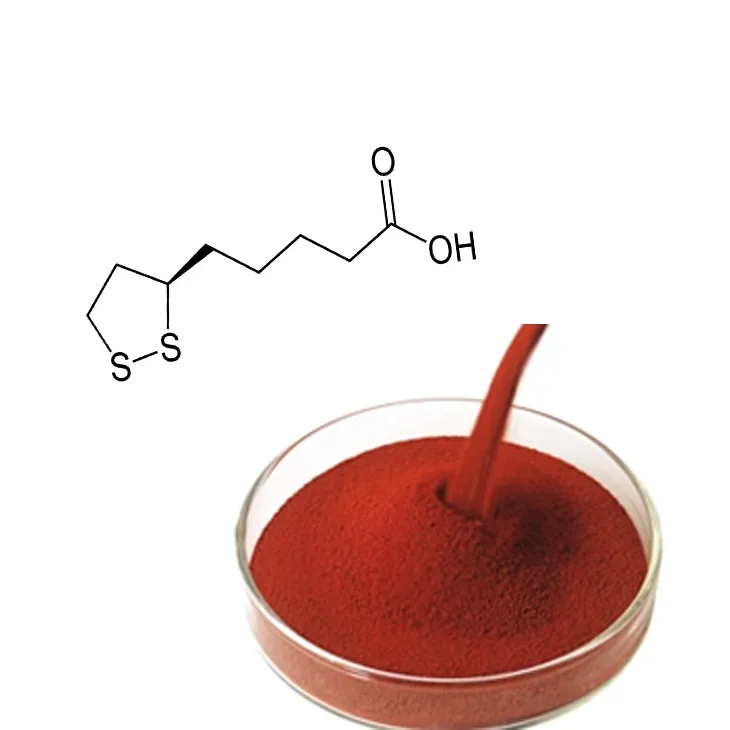
2.2 Color - giving Property
One of the most obvious characteristics of Astaxanthin is its role in providing color. In the natural world, it is responsible for the red color in various marine organisms. For example, in salmon and shrimp, Astaxanthin is what gives them their characteristic pink - red hue. This color - giving property is not just aesthetically pleasing but also an indication of the presence of this valuable compound.

2.3 Antioxidant Activity
Astaxanthin is renowned for its powerful antioxidant activity. It has the ability to scavenge free radicals, which are highly reactive molecules that can cause damage to cells. Compared to many other antioxidants such as Vitamin C and vitamin E, Astaxanthin has a much higher antioxidant capacity.
- It can protect cells from oxidative stress. Oxidative stress occurs when there is an imbalance between the production of free radicals and the body's ability to detoxify them or repair the resulting damage.
- By neutralizing free radicals, Astaxanthin helps in maintaining the integrity of cell membranes, DNA, and other cellular components.

2.4 Health - related Benefits
The antioxidant properties of Astaxanthin are closely linked to various health benefits:
- Cardiovascular Health: It may help in reducing the risk of cardiovascular diseases. By preventing oxidative damage to blood vessels and lipids in the blood, it can contribute to better heart health. For instance, it may help in reducing LDL (low - density lipoprotein) oxidation, which is a key factor in the development of atherosclerosis.
- Cancer Prevention: While it is not a cure - all for cancer, Astaxanthin may play a role in reducing the risk of certain types of cancers. Its antioxidant and anti - inflammatory properties may help in inhibiting the growth and spread of cancer cells. However, more research is needed in this area.
- Eye Health: Astaxanthin can accumulate in the eyes and has been shown to protect against age - related macular degeneration (AMD) and cataracts. It does this by reducing oxidative damage to the retina and other eye tissues.
- Skin Health: In the field of cosmetics, Astaxanthin is used for its skin - enhancing properties. It can protect the skin from UV - induced damage, reduce wrinkles, and improve skin elasticity. This is because it can combat oxidative stress in the skin cells, which is a major cause of skin aging.
3. Processing Methods of Astaxanthin
3.1 Sources of Astaxanthin
There are several sources of Astaxanthin, but the most important natural source is microalgae.
- Haematococcus pluvialis: This is a type of microalgae that is a major source of natural Astaxanthin. It has the ability to produce high levels of Astaxanthin under certain environmental conditions, such as high light intensity and nutrient - limited conditions.
- Other sources include some yeast and bacteria, but they are not as commonly used as Haematococcus pluvialis for commercial Astaxanthin production.
3.2 Cultivation of Microalgae
The cultivation of microalgae like Haematococcus pluvialis is a crucial step in Astaxanthin production.
- Growth Medium: A suitable growth medium is required. This typically contains nutrients such as nitrogen, phosphorus, and potassium, as well as trace elements like iron, zinc, and manganese. The composition of the growth medium can influence the growth rate and Astaxanthin production of the microalgae.
- Light Conditions: Microalgae need light for photosynthesis. In the case of Haematococcus pluvialis, it requires specific light intensities and photoperiods. High - intensity light can stimulate Astaxanthin production, but if the light is too intense, it can also damage the cells. Therefore, careful control of light conditions is necessary.
- Temperature and pH: The optimal temperature and pH range also need to be maintained. For Haematococcus pluvialis, the suitable temperature is usually around 20 - 25°C, and the pH should be in the range of 7 - 8. Deviations from these optimal conditions can affect the growth and Astaxanthin production of the microalgae.
3.3 Extraction Processes
Once the microalgae are cultivated, extraction processes are employed to obtain Astaxanthin.
- Mechanical Disruption: This is often the first step in the extraction process. Mechanical methods such as bead milling or high - pressure homogenization are used to break open the cell walls of the microalgae. This releases the intracellular contents, including Astaxanthin.
- Solvent Extraction: After mechanical disruption, solvent extraction is commonly used. Organic solvents such as hexane, ethanol, or acetone can be used to extract Astaxanthin from the disrupted cells. However, the use of solvents has some drawbacks, such as potential toxicity and environmental concerns.
- Modern and Environmentally Friendly Techniques: In recent years, there has been a focus on developing more environmentally friendly and efficient extraction techniques. For example, supercritical fluid extraction (SFE) using carbon dioxide as the supercritical fluid has been explored. SFE has the advantages of being non - toxic, leaving no solvent residues, and having high selectivity for Astaxanthin extraction.
4. Conclusion
Astaxanthin is a remarkable compound with unique characteristics and a wide range of potential applications. Its powerful antioxidant properties make it valuable in the prevention of various diseases and in promoting overall health. The processing methods for Astaxanthin, especially the cultivation of microalgae and extraction techniques, are continuously evolving to meet the growing demand for this compound in the health and cosmetic industries. As research continues, it is likely that new applications and more efficient production methods will be discovered.
FAQ:
What is Astaxanthin?
Astaxanthin is a powerful antioxidant that belongs to the carotenoid family and is responsible for the red color in some marine organisms like salmon and shrimp.
What are the main characteristics of Astaxanthin?
Its main characteristic is its remarkable antioxidant activity, which far exceeds many other antioxidants. It can scavenge free radicals and protect cells from oxidative damage, thus helping to reduce the risk of various diseases such as cardiovascular diseases and some types of cancers.
Where can natural Astaxanthin be obtained from?
Natural Astaxanthin can be obtained from microalgae, for example, Haematococcus pluvialis.
What are the important steps in obtaining Astaxanthin from microalgae?
The cultivation of microalgae like Haematococcus pluvialis is a crucial step. After cultivation, extraction processes are used, including mechanical disruption followed by solvent extraction.
What are the trends in Astaxanthin processing?
Modern processing focuses on developing more environmentally friendly and efficient extraction techniques to meet the growing demand for Astaxanthin in the health and cosmetic industries.
Related literature
- Astaxanthin: Sources, Extraction, Stability, Biological Activities and Its Commercial Applications: A Review"
- "Astaxanthin: Metabolism, Health Benefits and Potential Applications in the Food Industry"
- "The Role of Astaxanthin in Oxidative Stress, Inflammation and Carcinogenesis"


-

Hawthorn powder
2025-01-15
-

Vitamin B9
2025-01-15
-

Saffron Extract Powder
2025-01-15
-

Lemon Balm Extract
2025-01-15
-

Grape Seed Extract Powder
2025-01-15
-

Green coffee bean Extract
2025-01-15
-

Dan Shen Root Extract/Salvia Root Extract
2025-01-15
-

White Willow Bark Extract
2025-01-15
-

Apricot Powder
2025-01-15
-

Withania Somnifera Extract
2025-01-15