


1. Introduction
Food packaging is a critical aspect of the food industry, aiming not only to protect food products during storage and transportation but also to enhance their shelf - life and maintain quality. In recent years, there has been a growing interest in exploring natural and bioactive compounds for food packaging applications. Astaxanthin, a carotenoid pigment, has emerged as a promising candidate in this regard.
2. Astaxanthin: A Brief Overview
2.1 Chemical Structure
Astaxanthin has a unique chemical structure that endows it with various interesting properties. It is a keto - carotenoid, with a long conjugated double - bond system. This structure is responsible for its antioxidant activity and its ability to interact with biological membranes.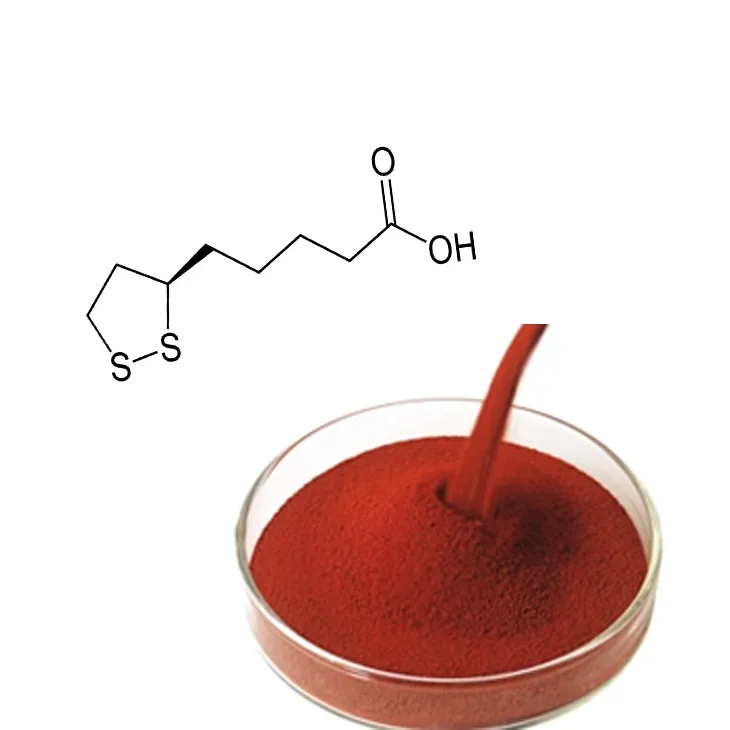
2.2 Natural Sources
Astaxanthin is naturally found in certain organisms. It is produced by microalgae such as Haematococcus pluvialis, as well as by some yeast and bacteria. It can also be found in certain marine organisms like salmon, shrimp, and krill, where it is responsible for their characteristic pink or red color.3. Astaxanthin in Food Preservation

3.1 Inhibition of Microbial Growth
One of the key roles of Astaxanthin in food packaging is its ability to inhibit the growth of harmful microorganisms. Studies have shown that Astaxanthin can disrupt the cell membranes of bacteria and fungi, thereby preventing their proliferation. For example, in tests on food - borne pathogens such as Escherichia coli and Salmonella, Astaxanthin has demonstrated significant antimicrobial activity. This property is crucial in reducing the risk of foodborne illnesses and spoilage.
3.2 Reduction of Lipid Oxidation
Lipid oxidation is a major cause of food spoilage, leading to off - flavors, rancidity, and a decrease in nutritional value. Astaxanthin acts as a powerful antioxidant, scavenging free radicals that initiate lipid oxidation. By doing so, it helps to preserve the quality of lipid - rich foods such as oils, nuts, and meat products. In addition, it can also protect other components in food, such as vitamins and proteins, from oxidative damage.4. Astaxanthin as an Indicator in Intelligent Packaging
4.1 The Concept of Intelligent Packaging
Intelligent packaging is an emerging trend in the food industry. It involves the use of materials or components that can provide information about the quality or safety of food products. Astaxanthin's vibrant color makes it an ideal candidate for use as an indicator in intelligent packaging systems.4.2 How Astaxanthin Works as an Indicator
Astaxanthin can change its color in response to certain environmental factors such as pH, temperature, or the presence of specific chemicals. For instance, in the presence of reactive oxygen species (ROS), which are often associated with food spoilage, Astaxanthin may lose its color or change to a different hue. This color change can be easily detected by consumers or by sensors, providing an indication of the freshness or quality of the food product.5. Scientific Properties of Astaxanthin in Food Packaging
5.1 Antioxidant Capacity
Astaxanthin has a high antioxidant capacity, which is measured in terms of its ability to scavenge free radicals. It has been shown to be more effective than many other common antioxidants, such as Vitamin C and vitamin E. This high antioxidant activity is related to its chemical structure, specifically the conjugated double - bond system, which allows it to donate electrons to stabilize free radicals.5.2 Interaction with Food Components
Astaxanthin can interact with various food components. For example, it can bind to proteins and lipids, which may affect its distribution and activity in food systems. Understanding these interactions is important for optimizing its use in food packaging. In addition, it may also influence the sensory properties of food, such as color, flavor, and texture.6. Safety of Astaxanthin in Food Packaging
6.1 Regulatory Status
Astaxanthin has been approved for use in food and food - related applications in many countries. Regulatory agencies such as the Food and Drug Administration (FDA) in the United States and the European Food Safety Authority (EFSA) in Europe have evaluated its safety. These agencies have set limits on its use to ensure that it does not pose any risks to human health.6.2 Toxicological Studies
Numerous toxicological studies have been conducted on Astaxanthin. These studies have shown that, at the levels typically used in food and food packaging, Astaxanthin is safe for consumption. It has not been associated with any adverse effects on human health, such as toxicity, mutagenicity, or carcinogenicity.7. Impact of Astaxanthin on the Food Industry
7.1 Market Trends
The use of Astaxanthin in food packaging is expected to follow the growing trend towards natural and sustainable packaging solutions. As consumers become more conscious about food safety and environmental impact, the demand for Astaxanthin - based packaging is likely to increase. This is also driven by the increasing popularity of functional foods, where Astaxanthin can play a dual role of preservation and providing added health benefits.7.2 Innovation and Competition
The introduction of Astaxanthin in food packaging has spurred innovation in the food industry. Companies are investing in research and development to explore new applications and improve the performance of Astaxanthin - based packaging. This has also led to increased competition, as different companies strive to develop more effective and cost - efficient Astaxanthin - based packaging solutions.7.3 Collaboration and Partnerships
To fully realize the potential of Astaxanthin in food packaging, collaboration and partnerships between different stakeholders are essential. This includes cooperation between food manufacturers, packaging material suppliers, and research institutions. These collaborations can facilitate the transfer of knowledge and technology, leading to the development of more advanced Astaxanthin - based packaging products.8. Challenges and Future Directions
8.1 Stability and Efficacy
One of the main challenges in using Astaxanthin for food packaging is ensuring its stability and efficacy. Astaxanthin can be sensitive to factors such as light, heat, and oxygen, which may affect its antioxidant and antimicrobial properties. Research is needed to develop methods to improve its stability, such as encapsulation or the use of protective additives.8.2 Cost - effectiveness
Currently, the cost of producing Astaxanthin - based packaging materials can be relatively high. This may limit its widespread adoption in the food industry. Strategies to reduce the cost, such as optimizing the production process or finding alternative sources of Astaxanthin, need to be explored.8.3 Standardization and Quality Control
There is a need for standardization and quality control in the production and use of Astaxanthin - based packaging. This includes establishing uniform standards for the amount of Astaxanthin used, its purity, and its performance characteristics. Standardization will ensure the reliability and consistency of Astaxanthin - based packaging products.9. Conclusion
Astaxanthin has great potential for revolutionizing food packaging. Its ability to preserve food, act as an indicator in intelligent packaging, and its overall safety make it an attractive option. However, challenges such as stability, cost - effectiveness, and standardization need to be addressed. With further research and development, Astaxanthin - based food packaging could play an increasingly important role in the future of the food industry, providing consumers with safer, fresher, and more sustainable food products.
FAQ:
What are the main functions of Astaxanthin in food packaging?
Astaxanthin has two main functions in food packaging. Firstly, it can inhibit the growth of harmful microorganisms and reduce lipid oxidation, which helps to extend the shelf - life of food products. Secondly, its vibrant color can be used as an indicator of food freshness or quality in intelligent packaging systems.
How does Astaxanthin inhibit the growth of harmful microorganisms?
The exact mechanism by which Astaxanthin inhibits the growth of harmful microorganisms is related to its chemical structure. It may disrupt the cell membranes or metabolic processes of these microorganisms. However, more research is still needed to fully understand this process at the molecular level.
Is Astaxanthin safe for use in food packaging?
Astaxanthin is generally considered safe for use in food packaging. It is a natural compound that has been studied extensively. However, like any food - related substance, its use is regulated to ensure that it does not pose any risks to human health. Regulatory bodies around the world set limits on its usage amounts and ensure that it is sourced from reliable and safe origins.
How can Astaxanthin's color be used as an indicator in intelligent packaging?
In intelligent packaging systems, Astaxanthin's color change can be related to changes in the food environment, such as pH, oxygen levels, or the presence of certain substances. For example, as the food begins to spoil, there may be changes in pH or oxygen levels. These changes can cause Astaxanthin to change color, thus providing a visual indication to consumers about the freshness or quality of the food.
What is the impact of Astaxanthin in food packaging on the overall food industry?
The use of Astaxanthin in food packaging has a significant impact on the food industry. It can improve food preservation, which reduces food waste. This is not only beneficial for food producers in terms of cost savings but also has positive environmental implications. Additionally, the use of Astaxanthin in intelligent packaging can enhance consumer confidence by providing a clear indication of food quality, which may lead to increased consumer satisfaction and loyalty.
Related literature
- The Role of Astaxanthin in Food Preservation and Packaging"
- "Astaxanthin - Based Intelligent Food Packaging: A Review"
- "Safety and Efficacy of Astaxanthin in Food - Related Applications"


-

Vitamin D3
2024-12-13
-

Chasteberry Extract
2024-12-13
-

Stevia Extract
2024-12-13
-

Beetroot Powder
2024-12-13
-

Cat Claw Extract
2024-12-13
-

Coconut Water Powder
2024-12-13
-

Licorice Root Extract Powder
2024-12-13
-

Ginger Extract
2024-12-13
-

White Peony Extract
2024-12-13
-

Andrographis Paniculata Extract Powder
2024-12-13