


Introduction to Astaxanthin
In the broad fields of nutraceuticals and biotech, Astaxanthin holds a significant position. Astaxanthin is a red - colored carotenoid. Its unique properties have made it an extremely desirable compound in various industries. It has powerful antioxidant capabilities, far surpassing many other common antioxidants. This antioxidant property is what mainly drives its high demand in sectors like health supplements, aquaculture, poultry, and cosmetics.
The Role of Astaxanthin Manufacturers
Manufacturers of Astaxanthin play a crucial role in bringing this valuable compound to the market. They are involved in complex production processes that require a high level of technical expertise and precision.
Raw Material Sources for Astaxanthin Production
Natural Sources
Some producers focus on natural sources for Astaxanthin production. One of the most important natural sources is certain types of yeast or microalgae. For example, the microalga Haematococcus pluvialis is considered a prime source. This is because it has a high Astaxanthin productivity. When grown under the right conditions, Haematococcus pluvialis can accumulate a significant amount of Astaxanthin within its cells.
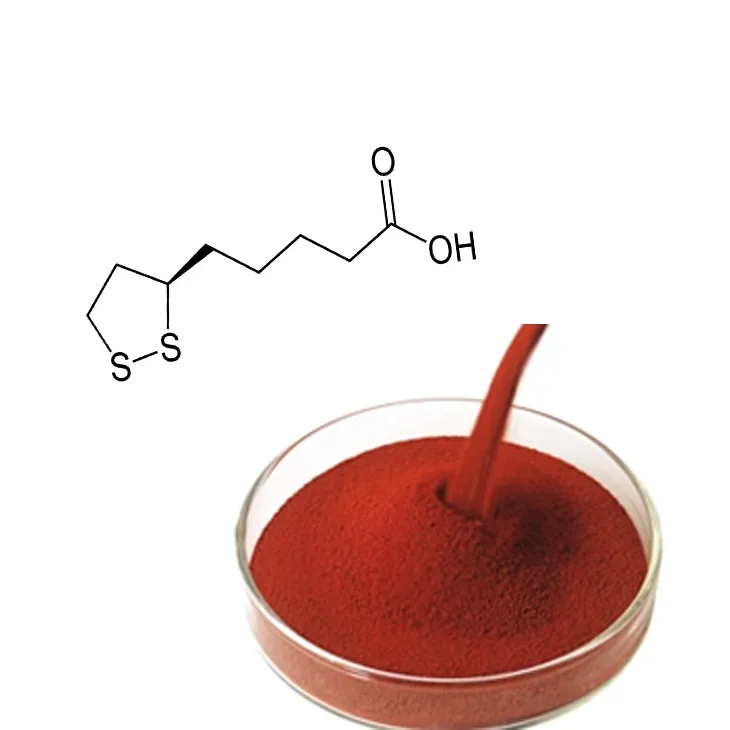
Comparison of Different Sources
Different raw material sources have their own advantages and disadvantages. While microalgae like Haematococcus pluvialis are known for their high Astaxanthin content, they can be more difficult to cultivate compared to some yeast strains. Yeast may be easier to grow on a large scale, but the extraction and purification processes might be more complex to obtain pure Astaxanthin.
The Production Process of Astaxanthin

Growth Conditions for Raw Material Source
During the production cycle, manufacturers must optimize various parameters related to the growth of the raw material source. For microalgae like Haematococcus pluvialis, the right balance of carbon dioxide, light intensity, and pH levels is crucial for growth.
- Carbon dioxide: Adequate carbon dioxide supply is necessary for photosynthesis, which is the main process through which microalgae produce energy and grow. Insufficient carbon dioxide can limit growth and Astaxanthin production.
- Light intensity: Microalgae need an appropriate amount of light. Too much light can cause damage to the cells, while too little light can slow down growth. The optimal light intensity varies depending on the specific strain of microalgae.
- pH levels: Maintaining the correct pH level in the growth medium is also important. A pH that is too acidic or too alkaline can affect the enzymatic activities within the microalgae cells and thus influence growth and Astaxanthin production.

Harvesting and Purification
After the growth phase, the next step is harvesting. For microalgae, harvesting techniques can include centrifugation or filtration. Once harvested, purification techniques are applied to obtain pure Astaxanthin.
- Centrifugation: This method uses centrifugal force to separate the microalgae cells from the growth medium. It is a commonly used technique, but it can be energy - intensive.
- Filtration: Filtration can be used to physically separate the microalgae from the liquid medium. However, clogging of the filters can be a problem, especially if the microalgae concentration is high.
- Purification: After harvesting, purification methods such as chromatography can be used to separate Astaxanthin from other compounds present in the microalgae. This ensures that the final product is of high purity.
Quality Control in Astaxanthin Production
These production companies are not only concerned with the quantity but also the quality of Astaxanthin. Quality control is a vital part of the production process.
- Purity Tests: Manufacturers conduct purity tests to ensure that the Astaxanthin product is free from contaminants. This can involve techniques such as high - performance liquid chromatography (HPLC) to analyze the chemical composition of the product.
- Potency Tests: Potency tests are carried out to determine the effectiveness of the Astaxanthin. This can be related to its antioxidant activity, which is a key property of Astaxanthin. Tests may involve measuring the ability of Astaxanthin to scavenge free radicals.
- Stability Tests: Astaxanthin needs to be stable under different storage and usage conditions. Stability tests can include exposing the product to different temperatures, humidity levels, and light conditions over a period of time to see if there are any changes in its properties.
Applications of Astaxanthin
Health Supplement Market
In the health supplement market, Astaxanthin is promoted for its antioxidant and anti - aging benefits.
- Antioxidant Benefits: Astaxanthin can help protect the body's cells from damage caused by free radicals. Free radicals are unstable molecules that can cause oxidative stress in the body, which is linked to various diseases and aging.
- Anti - aging Benefits: By reducing oxidative stress, Astaxanthin may contribute to slowing down the aging process. It can improve skin elasticity, reduce wrinkles, and enhance overall skin health.
Aquaculture and Poultry Industries
In the aquaculture and poultry industries, Astaxanthin is used to enhance the color and health of the animals.
- Color Enhancement: In fish farming, for example, Astaxanthin is added to the feed. It gives fish like salmon their characteristic pink or red color, which is more appealing to consumers. In the poultry industry, it can enhance the color of egg yolks and the skin of birds.
- Health Benefits: Astaxanthin also has positive effects on the health of animals. It can boost the immune system of fish and poultry, making them more resistant to diseases. It can also improve their growth and reproductive performance.
Cosmetic Industry
In the cosmetic industry, Astaxanthin - based products are used for skin health improvement.
- Anti - inflammatory Properties: Astaxanthin has anti - inflammatory properties that can help soothe irritated skin. It can be used in creams and lotions to treat skin conditions such as acne and eczema.
- Sun Protection: Some studies suggest that Astaxanthin can provide a certain level of protection against UV radiation. This makes it a potentially valuable ingredient in sunscreens and other sun - protection products.
Future Trends in Astaxanthin Manufacturing
As the demand for Astaxanthin continues to grow, manufacturers are likely to face both challenges and opportunities.
- Sustainable Production: There will be an increasing emphasis on sustainable production methods. This may involve finding more environmentally friendly ways to cultivate the raw material sources, such as using renewable energy sources for microalgae growth and reducing waste in the production process.
- New Applications: Researchers are constantly exploring new applications for Astaxanthin. In the future, we may see Astaxanthin being used in areas such as pharmaceuticals for treating specific diseases or in functional foods with enhanced health benefits.
- Improved Production Efficiency: Manufacturers will strive to improve production efficiency. This could include developing new strains of microalgae or yeast with higher Astaxanthin productivity, as well as optimizing existing production processes to reduce costs and increase yields.
FAQ:
What are the main raw material sources for Astaxanthin manufacturers?
Some of the main raw material sources for Astaxanthin manufacturers are certain types of yeast or microalgae. For example, the microalga Haematococcus pluvialis is a prime source because of its high Astaxanthin productivity.
What parameters do Astaxanthin manufacturers need to optimize during production?
During production, Astaxanthin manufacturers need to optimize various parameters. For the growth of raw material sources like microalgae, they need to get the right balance of carbon dioxide, light intensity, and pH levels. These are important for the growth of the raw material and ultimately the production of Astaxanthin.
How do Astaxanthin manufacturers ensure the quality of their products?
Astaxanthin manufacturers ensure the quality of their products through extensive quality control tests. These tests include checking for purity, potency, and stability of the Astaxanthin produced.
What are the applications of Astaxanthin in different industries?
In the health supplement market, Astaxanthin is promoted for its antioxidant and anti - aging benefits. In the aquaculture and poultry industries, it is used to enhance the color and health of the animals. In the cosmetic industry, Astaxanthin - based products are used for skin health improvement.
What is the production process of Astaxanthin like?
The production process of Astaxanthin is multi - step. It starts with choosing a suitable raw material source such as microalgae or yeast. Then, the growth conditions of the raw material source are optimized. After harvesting, purification techniques are applied to obtain pure Astaxanthin.
Related literature
- Astaxanthin: Sources, Extraction, Stability, Biological Activities and Its Commercial Applications: A Review"
- "Production of Astaxanthin by Microalgae: Current State and Perspectives"
- "Astaxanthin in Aquaculture: An Overview of Its Applications and Future Perspectives"


-

Oyster Mushroom Extract Powder
2024-12-05
-

Ginger Extract
2024-12-05
-

White mustard seed extract
2024-12-05
-

Elderberry Extract
2024-12-05
-

Calendula Extract
2024-12-05
-

Saw Palmetto Extract
2024-12-05
-

Giant Knotweed Extract
2024-12-05
-

Sea buckthorn oil
2024-12-05
-

Buckthorn bark extract
2024-12-05
-

Acerola Extract
2024-12-05