


1. Introduction
The bulk Artichoke Leaf Extract industry is a significant part of the natural supplement and herbal medicine market. In this supply chain, two key entities play crucial roles: the manufacturers and the distributors. Understanding the differences and similarities between them is essential for a comprehensive view of the market dynamics.
2. Manufacturers: The Source of Production
2.1 Raw Material Control
Manufacturers are at the very origin of the production process. One of their primary responsibilities is the control of raw materials. Artichoke plants, from which the leaf extract is derived, need to be carefully sourced. They must ensure that the artichoke plants are of high quality, free from pesticides and other contaminants. This involves establishing relationships with reliable farmers or suppliers who follow good agricultural practices. For example, some manufacturers may choose to work with organic farmers to guarantee the purity of the raw materials from the start. By having strict control over the raw materials, manufacturers can lay a solid foundation for the production of high - quality Artichoke Leaf Extract.
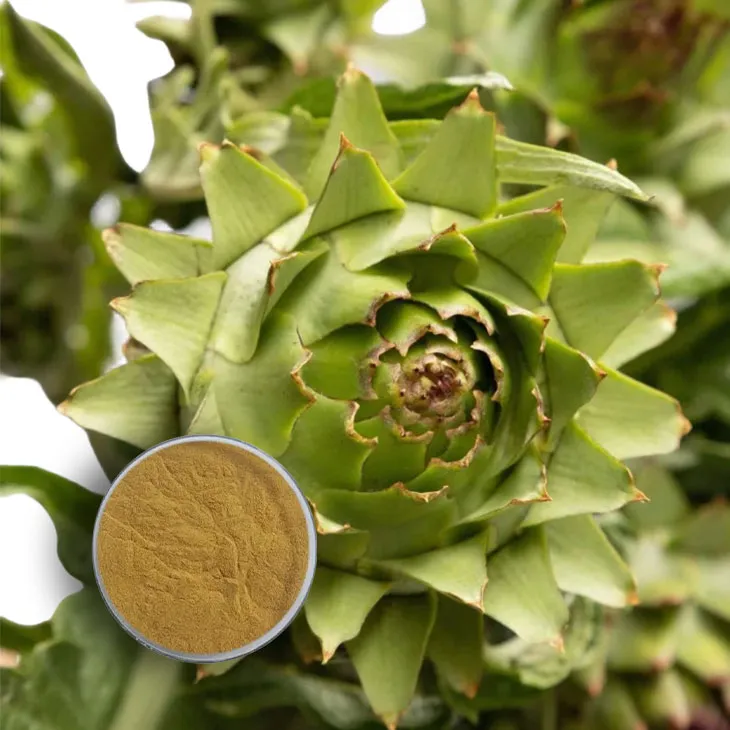
2.2 Extraction Processes
The extraction process is a critical aspect of manufacturing bulk Artichoke Leaf Extract. Manufacturers invest in advanced extraction technologies and equipment. There are various extraction methods available, such as solvent extraction and supercritical fluid extraction. Solvent extraction may use ethanol or other solvents to draw out the active compounds from the artichoke leaves. However, manufacturers need to ensure that all traces of the solvent are removed to meet safety and quality standards. Supercritical fluid extraction, on the other hand, uses substances like carbon dioxide in a supercritical state, which can be a more environmentally friendly and efficient method. During the extraction process, manufacturers also need to monitor parameters such as temperature, pressure, and extraction time to optimize the yield and quality of the extract. They are constantly researching and improving these processes to ensure that the final product contains the desired levels of active ingredients, such as cynarin and chlorogenic acid.
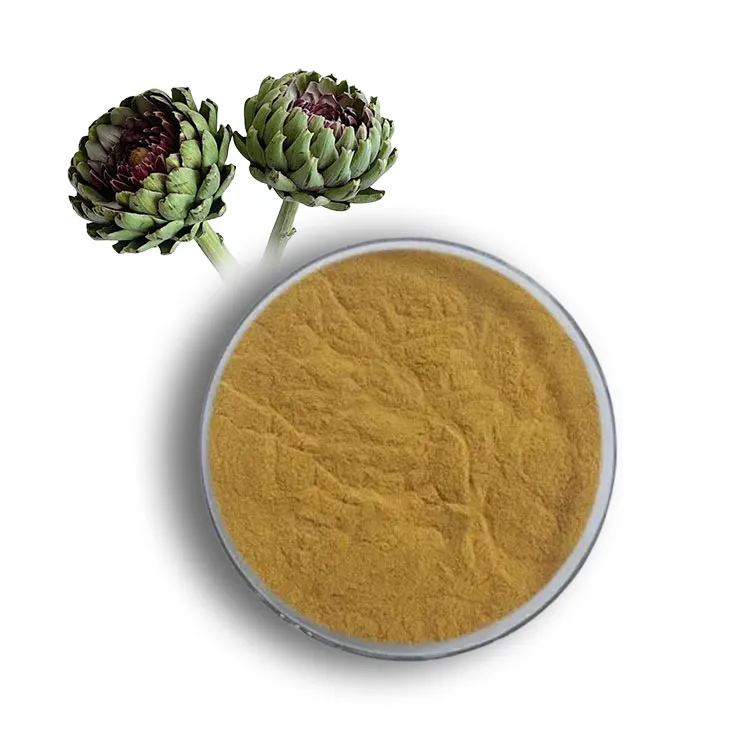
2.3 Research and Development (R & D)
Manufacturers in the bulk Artichoke Leaf Extract industry also play an important role in research and development. They invest in studying the properties and potential health benefits of Artichoke Leaf Extract. For instance, research may focus on how the extract can support liver health, aid in digestion, or have antioxidant effects. Through R & D, manufacturers can develop new formulations or improve existing ones. They may also conduct clinical trials or in - vitro studies to provide scientific evidence for the efficacy of their products. This not only helps in product innovation but also in meeting the regulatory requirements of different markets. Additionally, R & D efforts can lead to the discovery of new extraction techniques or ways to enhance the stability and bioavailability of the extract.
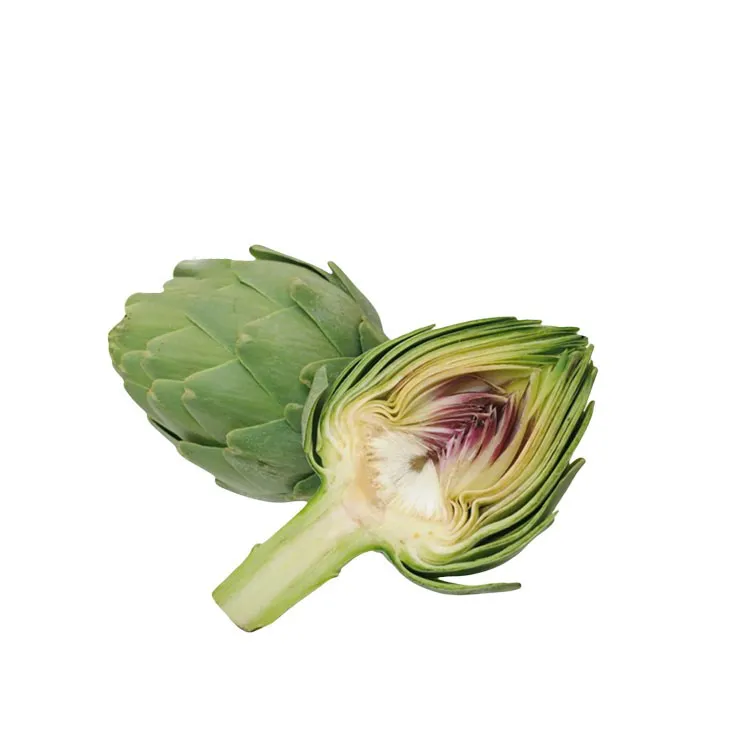
2.4 Quality Control
Quality control is a top priority for manufacturers. They have in - house laboratories or collaborate with external testing facilities to ensure the purity, potency, and safety of the Artichoke Leaf Extract. Tests may include analyzing the chemical composition of the extract, checking for heavy metals, microbial contamination, and verifying the concentration of active ingredients. Manufacturers need to comply with international and national quality standards, such as Good Manufacturing Practice (GMP). Any batch of extract that does not meet the quality criteria is rejected. This strict quality control ensures that customers receive a consistent and reliable product. For example, if the concentration of cynarin in the extract is below the specified level, it may not have the expected health benefits, so manufacturers must ensure accurate measurement and control of such components.
3. Distributors: The Key to Market Reach
3.1 Market Understanding
Distributors of bulk Artichoke Leaf Extract have a deep understanding of the market. They are constantly monitoring market trends, including changes in consumer preferences, emerging health trends, and regulatory developments. For example, if there is a growing trend towards natural liver - support supplements, distributors can quickly identify this and adjust their marketing and distribution strategies accordingly. They also keep track of competitor activities in the market. By having a comprehensive view of the market, distributors can position the Artichoke Leaf Extract products in the most favorable way, targeting the right customer segments and maximizing sales opportunities.
3.2 Customer Needs Analysis
Another important role of distributors is to analyze customer needs. They interact directly or indirectly with end - users, such as supplement manufacturers, health food stores, and consumers. Distributors need to understand what customers are looking for in Artichoke Leaf Extract products. For instance, some customers may be more interested in a highly concentrated extract for maximum health benefits, while others may prefer a more affordable option with a lower concentration. Based on this understanding, distributors can select the most suitable products from different manufacturers to meet the diverse needs of their customers. They can also provide valuable feedback to manufacturers about customer requirements, which can influence product development and improvement.
3.3 Price Trends and Cost Management
Distributors are well - versed in price trends in the Artichoke Leaf Extract market. They monitor factors such as raw material prices, production costs of manufacturers, and market competition to determine the optimal pricing for the products they distribute. They also manage costs associated with storage, transportation, and marketing. For example, if the price of artichoke raw materials increases due to a poor harvest season, distributors may need to negotiate with manufacturers to maintain a reasonable profit margin while still offering competitive prices to customers. Additionally, they may explore cost - effective transportation and storage solutions to reduce overall costs. By effectively managing prices and costs, distributors can ensure the viability and profitability of the Artichoke Leaf Extract supply chain.
3.4 Distribution Networks
Distributors have established extensive distribution networks. They have relationships with various stakeholders in the supply chain, including wholesalers, retailers, and e - commerce platforms. These networks enable them to reach a wide range of customers across different regions. For example, a distributor may have partnerships with local health food stores in multiple cities, as well as with major online supplement retailers. This allows them to distribute Artichoke Leaf Extract products both locally and globally. Through their distribution networks, they can also ensure timely delivery of products, which is crucial for maintaining customer satisfaction. Moreover, they can use their networks to promote new products and expand market share.
4. Comparison in Terms of Cost
4.1 Manufacturers' Cost Structure
The cost structure for manufacturers mainly includes raw material costs, production costs (such as equipment, labor, and energy), and R & D expenses. Raw material costs can vary depending on the quality and source of the artichoke plants. Production costs are influenced by the scale of production and the sophistication of the extraction processes. R & D expenses are an investment for future product development and improvement. For example, a manufacturer that uses advanced supercritical fluid extraction technology may have higher initial equipment costs but may achieve lower production costs in the long run due to higher extraction efficiency. Overall, manufacturers need to balance these costs to ensure the profitability of their products while maintaining high quality.
4.2 Distributors' Cost Structure
Distributors' costs are centered around procurement from manufacturers, storage, transportation, and marketing. Procurement costs depend on the price negotiated with manufacturers. Storage costs include rent for warehouses and the cost of maintaining proper storage conditions. Transportation costs are affected by factors such as distance, mode of transport (e.g., road, air, or sea), and the volume of products shipped. Marketing costs involve promoting the Artichoke Leaf Extract products through various channels, such as advertising, trade shows, and online marketing. For instance, a distributor that focuses on international distribution may have higher transportation costs but may also have access to a larger market with potentially higher profit margins.
4.3 Impact on Final Product Price
Both manufacturers and distributors' costs ultimately impact the final price of the Artichoke Leaf Extract. Manufacturers' costs set the base price, and distributors add their mark - up to cover their costs and generate a profit. If manufacturers face high raw material or production costs, the price of the extract may be higher at the source. Distributors then need to consider market demand and competition when determining their mark - up. For example, in a highly competitive market, distributors may have to limit their mark - up to remain price - competitive, while in a niche market with high - end products, they may be able to add a higher mark - up. The final price also affects the competitiveness of the Artichoke Leaf Extract in the market compared to other similar products.
5. Comparison in Terms of Quality Control
5.1 Manufacturers' Quality Assurance
As mentioned earlier, manufacturers have a comprehensive quality control system in place. They are responsible for ensuring the quality of the raw materials, the extraction process, and the final product. Their quality assurance measures are mainly focused on the production process. They use techniques such as chromatography to analyze the chemical composition of the extract and ensure that it meets the specified standards. For example, they may test for the presence of unwanted substances or ensure that the ratio of active ingredients is within the desired range. Any deviation from the quality standards is addressed immediately, either by adjusting the production process or rejecting the batch.
5.2 Distributors' Quality Monitoring
Distributors also play a role in quality monitoring, although it is different from that of manufacturers. They are more concerned with the overall quality of the products they receive from manufacturers and during the distribution process. They may conduct random sampling and basic quality checks when receiving products from manufacturers. For example, they may check for packaging integrity and the presence of proper labels. During storage and transportation, they need to ensure that the products are maintained under appropriate conditions to prevent degradation. If they detect any quality issues, they may take steps such as returning the products to the manufacturer or notifying the relevant parties to resolve the problem.
5.3 Collaboration for Quality
To ensure the highest quality of Artichoke Leaf Extract in the market, manufacturers and distributors can collaborate. Manufacturers can provide distributors with detailed quality reports and information about the production process. Distributors can, in turn, provide feedback on customer complaints or market - related quality issues. For example, if customers consistently report issues with the taste or solubility of the extract, distributors can pass this information to manufacturers, who can then investigate and potentially make improvements to the production process. This collaboration helps to maintain the overall quality of the product throughout the supply chain.
6. Comparison in Terms of Market Reach
6.1 Manufacturers' Market Reach
Manufacturers' market reach is often more limited compared to distributors. They typically focus on producing high - quality Artichoke Leaf Extract and may sell directly to a few large customers, such as major supplement companies or pharmaceutical firms. Some manufacturers may also participate in international trade shows to showcase their products and attract potential customers. However, their primary focus is on production, and they may not have the extensive marketing and distribution capabilities to reach a wide range of end - users. For example, a small - scale manufacturer may only supply to local supplement manufacturers and have difficulty expanding to international markets without the help of distributors.
6.2 Distributors' Market Reach
Distributors, on the other hand, have a much broader market reach. Their distribution networks enable them to reach customers at different levels of the supply chain, from wholesalers to retailers and directly to consumers. They can target both domestic and international markets. For instance, a large - scale distributor may have a presence in multiple countries, supplying Artichoke Leaf Extract products to health food stores, pharmacies, and e - commerce platforms around the world. This wide market reach allows them to introduce new products to different markets and respond quickly to market demands in various regions.
6.3 Synergistic Market Expansion
Manufacturers and distributors can achieve synergistic market expansion by working together. Manufacturers can leverage distributors' market reach to introduce their products to new customers and markets. Distributors can benefit from manufacturers' high - quality products to enhance their product portfolio and gain a competitive edge. For example, a manufacturer may develop a new, high - potency Artichoke Leaf Extract. The distributor can then use its network to promote this product globally, reaching consumers who are interested in premium health supplements. This synergy can lead to increased market share and growth for both parties in the Artichoke Leaf Extract supply chain.
7. Conclusion
In the bulk Artichoke Leaf Extract supply chain, manufacturers and distributors both play indispensable roles. Manufacturers are the foundation of the industry, ensuring product quality through raw material control, extraction processes, R & D, and quality control. Distributors, on the other hand, are crucial for market reach, understanding customer needs, managing costs, and promoting products. By comparing them in terms of cost, quality control, and market reach, it becomes clear that a harmonious collaboration between the two can lead to a more efficient and successful Artichoke Leaf Extract market. Both entities need to recognize their respective strengths and work together to meet the growing demand for high - quality Artichoke Leaf Extract products in the global market.
FAQ:
Q1: What are the main differences in cost between bulk Artichoke Leaf Extract manufacturers and distributors?
Manufacturers' costs are mainly associated with raw material procurement, production equipment, and R & D. They need to ensure the quality of raw materials and the efficiency of the extraction process, which often requires a large amount of capital investment. Distributors' costs are more focused on inventory management, marketing, and transportation. They need to purchase products from manufacturers at a certain price and then add their own profit margins. However, distributors may also enjoy economies of scale in terms of transportation and inventory management, which can reduce their overall costs per unit.
Q2: How do manufacturers ensure the quality control of bulk Artichoke Leaf Extract?
Manufacturers ensure quality control through multiple steps. Firstly, they carefully select high - quality artichoke leaves as raw materials, often having strict standards for the origin and quality of the leaves. Then, during the extraction process, they use advanced extraction techniques and equipment to ensure the purity and potency of the extract. They also conduct regular quality tests at different stages of production, including tests for active ingredients, purity, and potential contaminants. Additionally, manufacturers may follow industry - recognized quality management systems to ensure consistent product quality.
Q3: What strategies do distributors use to understand market needs for bulk Artichoke Leaf Extract?
Distributors use various strategies. They conduct market research, which may include surveys, interviews with customers, and analysis of industry reports. They also closely monitor market trends, such as changes in consumer preferences for health products. By maintaining good relationships with customers, they can directly obtain feedback on product requirements. Moreover, distributors often participate in industry trade shows and conferences to stay updated on the latest market developments and competitor activities.
Q4: Can manufacturers directly reach the end - market without distributors?
While it is possible in theory for manufacturers to directly reach the end - market, in practice, it can be challenging. Manufacturers are mainly focused on production and quality control. They may not have the same level of market - oriented resources and expertise as distributors. Distributors have established distribution networks, customer relationships, and marketing channels that are difficult for manufacturers to replicate quickly. However, some large - scale manufacturers may choose to establish their own direct - to - consumer sales channels in addition to working with distributors, but this usually requires significant investment and a long - term building process.
Q5: How do distributors influence the price of bulk Artichoke Leaf Extract?
Distributors influence the price in several ways. They add their own profit margins to the price they purchase from manufacturers. Their understanding of market price trends also affects the price they set. If they anticipate a high demand in the market, they may increase the price. Additionally, distributors' cost - management strategies, such as inventory holding costs and transportation costs, are factored into the final price. They also consider competition in the market; if there are many distributors competing for the same product, prices may be more competitive.
Related literature
- The Role of Manufacturers in the Botanical Extract Supply Chain"
- "Distribution Strategies in the Nutraceutical Industry"
- "Quality Control in Artichoke Leaf Extract Production"


-

L-Theanine Powder
2024-12-17
-

Chaste Berry Extract
2024-12-17
-

Grape Leaf Extract
2024-12-17
-

Purple Sweet Potato Extract
2024-12-17
-

Fig Extract
2024-12-17
-

Saw Palmetto Extract
2024-12-17
-

Nettle leaf extract
2024-12-17
-

Hawthorn Extract
2024-12-17
-

Honeysuckle Pollen
2024-12-17
-

Buckthorn bark extract
2024-12-17