


1. Introduction
The market for bulk Ginkgo Biloba Extract is a complex and dynamic one, with manufacturers and distributors playing distinct yet interconnected roles. Ginkgo Biloba Extract has been widely used in various industries, including the pharmaceutical, nutraceutical, and cosmetic industries, due to its potential health benefits. Understanding the roles of manufacturers and distributors in this market is crucial for anyone interested in the product's life cycle and market development.
2. Manufacturers: The Originators
2.1. Extraction Techniques
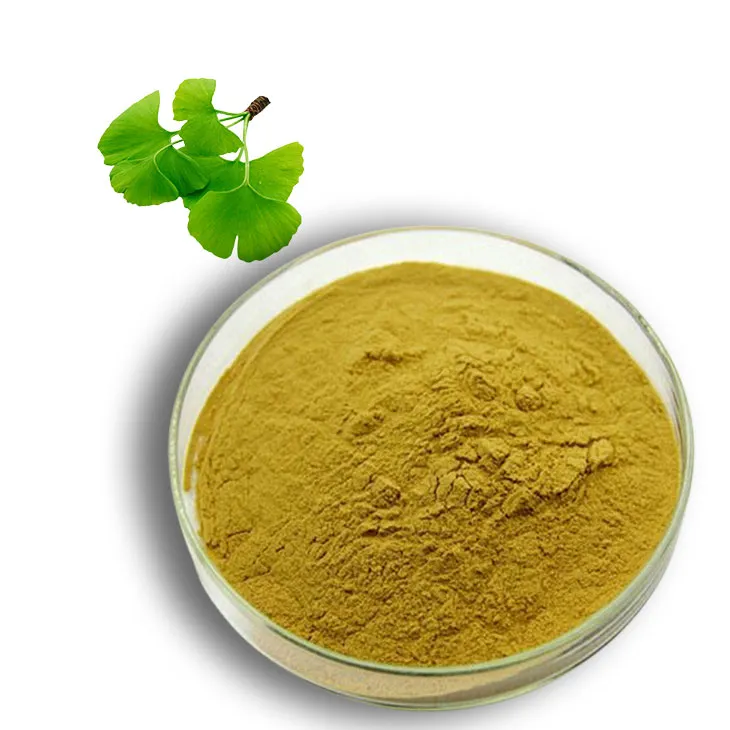
Manufacturers are responsible for the initial step of producing bulk Ginkgo Biloba Extract. One of the most critical aspects of their work is the extraction technique. Ginkgo biloba leaves contain a variety of active compounds, such as flavonoids and terpenoids. Extracting these compounds efficiently and maintaining their potency requires sophisticated extraction methods. There are several common extraction techniques, including solvent extraction and supercritical fluid extraction.
Solvent extraction involves using organic solvents like ethanol or hexane to dissolve the active compounds from the Ginkgo biloba leaves. However, this method requires careful control of solvent purity and extraction conditions to avoid contamination and ensure product quality. Supercritical fluid extraction, on the other hand, uses supercritical carbon dioxide as the extraction solvent. This method is considered more environmentally friendly and can often result in a purer extract with better-preserved active compounds.
2.2. Quality Assurance
Quality assurance is another cornerstone of the manufacturing process. Manufacturers must ensure that their bulk Ginkgo Biloba Extract meets strict quality standards. This involves testing for the presence and concentration of active compounds, as well as screening for contaminants such as heavy metals, pesticides, and microbial contaminants.
To achieve this, manufacturers typically have in - house quality control laboratories equipped with advanced analytical instruments. For example, high - performance liquid chromatography (HPLC) is commonly used to analyze the chemical composition of the extract. Additionally, microbiological testing methods are employed to detect the presence of harmful bacteria, fungi, or yeasts. Strict quality control measures not only protect the end - users but also help manufacturers build a good reputation in the market.
2.3. Product Development
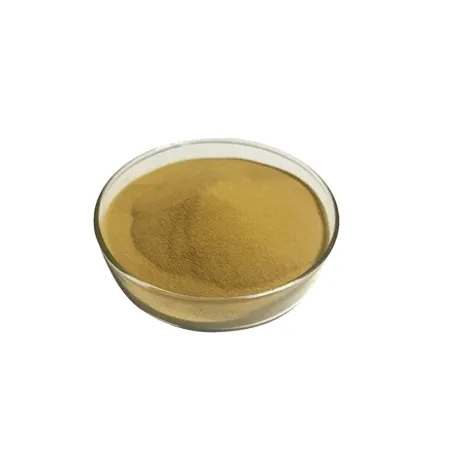
Manufacturers are also involved in product development. They may work on improving the extraction process to increase the yield and purity of the extract. Additionally, they may develop new forms of Ginkgo Biloba Extract, such as encapsulated powders or liquid concentrates, to meet the diverse needs of different industries.
Innovation is key in product development. For instance, some manufacturers are exploring ways to enhance the bioavailability of Ginkgo Biloba Extract. This could involve formulating the extract with other substances that can improve its absorption in the body. By continuously investing in product development, manufacturers can stay competitive in the market and expand the potential applications of Ginkgo Biloba Extract.
3. Distributors: The Market Movers

3.1. Negotiating with Manufacturers
Distributors play a crucial role in the market circulation of bulk Ginkgo Biloba Extract. One of their primary tasks is to negotiate with manufacturers. This negotiation process involves aspects such as price, quantity, and delivery terms. Distributors need to secure favorable terms from manufacturers to ensure a profitable business.
When negotiating price, distributors must consider factors such as market demand, production costs, and competitor prices. They also need to take into account the quality of the extract offered by the manufacturer. For quantity, distributors need to accurately forecast market demand to avoid overstocking or understocking. Delivery terms, including lead time and shipping methods, are also important considerations as they can affect the distributor's ability to meet customer orders in a timely manner.

3.2. Managing Distribution Channels
Managing distribution channels is another key responsibility of distributors. They need to establish and maintain a network of channels to ensure the efficient delivery of bulk Ginkgo Biloba Extract to end - users. This may involve working with wholesalers, retailers, and direct - to - consumer channels.
Wholesalers can help distributors reach a wider customer base by purchasing large quantities of the extract and reselling it to smaller retailers. Retailers, on the other hand, play a crucial role in making the product available to end - consumers. Direct - to - consumer channels, such as e - commerce platforms, are also becoming increasingly popular. Distributors need to carefully manage these channels to ensure proper inventory management, pricing, and customer service across all platforms.
3.3. Responding to Market Fluctuations
The market for Ginkgo Biloba Extract is subject to various fluctuations, including changes in consumer demand, regulatory requirements, and competitor activities. Distributors must be able to respond effectively to these fluctuations.
If consumer demand for Ginkgo Biloba Extract increases, distributors need to quickly adjust their inventory levels and distribution strategies to meet the growing demand. Conversely, if there is a decline in demand, they may need to find alternative markets or reduce their inventory. Regulatory changes, such as new quality standards or restrictions on the use of Ginkgo Biloba Extract in certain products, also require distributors to adapt their operations. Additionally, they need to keep a close eye on competitor activities and develop strategies to differentiate their products and services in the market.
4. Competition and Cooperation between Manufacturers and Distributors
4.1. Competition
There is an element of competition between manufacturers and distributors in the bulk Ginkgo Biloba Extract market. Manufacturers may compete with each other to offer the best - quality product at the lowest price to distributors. This can lead to price wars and a race for innovation in extraction techniques and product development.
Distributors, on the other hand, may compete with each other to secure exclusive distribution rights for high - quality Ginkgo Biloba Extract from manufacturers. They may also compete in terms of providing the best customer service, such as faster delivery times and more flexible payment terms. This competition among distributors can influence the market share and profitability of individual distributors.
4.2. Cooperation
Despite the competition, there is also a significant amount of cooperation between manufacturers and distributors. A good relationship between the two is essential for the success of both parties. Manufacturers rely on distributors to bring their products to market and reach a wide range of customers. Distributors, in turn, depend on manufacturers to provide a consistent supply of high - quality Ginkgo Biloba Extract.
Cooperation can take many forms. For example, manufacturers may provide technical support and product training to distributors to help them better understand and market the product. Distributors may provide market feedback to manufacturers, which can be used to improve the product or adjust production levels. In some cases, manufacturers and distributors may even collaborate on marketing campaigns to promote the use of Ginkgo Biloba Extract in different industries.
5. Impact on the Market Development
5.1. Manufacturers' Influence
Manufacturers have a significant impact on the development of the bulk Ginkgo Biloba Extract market. Their investment in research and development can lead to new extraction techniques and product formulations, which can expand the market potential of Ginkgo Biloba Extract. For example, if a manufacturer develops a new, more efficient extraction method that results in a higher - quality extract, it can attract more customers and drive market growth.
Manufacturers' quality control measures also play a crucial role in market development. By ensuring the safety and efficacy of their products, they can build trust among consumers and regulatory authorities. This, in turn, can lead to increased market acceptance and a positive reputation for the Ginkgo Biloba Extract industry as a whole.
5.2. Distributors' Influence
Distributors also have a considerable influence on market development. Their ability to manage distribution channels effectively can determine the availability and accessibility of Ginkgo Biloba Extract in the market. If distributors can establish a wide - reaching network of channels, it can make the product more widely available, which can increase market penetration.
Distributors' response to market fluctuations can also impact the market. By quickly adapting to changes in consumer demand or regulatory requirements, they can help stabilize the market and ensure its long - term development. For example, if distributors can find new markets for Ginkgo Biloba Extract during a period of declining domestic demand, it can prevent a significant slump in the market.
6. Conclusion
In conclusion, bulk Ginkgo Biloba Extract manufacturers and distributors are both integral parts of the product's life cycle and market development. Manufacturers focus on the production aspects, including extraction techniques, quality assurance, and product development. Distributors, on the other hand, are responsible for market circulation, including negotiating with manufacturers, managing distribution channels, and responding to market fluctuations.
The competition and cooperation between them play important roles in shaping the market. While they compete in certain aspects, their cooperation is essential for the success of both parties and the overall development of the Ginkgo Biloba Extract market. Understanding their respective roles and how they interact can provide valuable insights for businesses operating in this market, as well as for regulatory authorities and consumers interested in the product.
FAQ:
What are the main responsibilities of bulk Ginkgo Biloba Extract manufacturers?
Manufacturers are mainly responsible for extraction techniques, quality assurance, and product development. They need to innovate in extraction methods to ensure efficient extraction of Ginkgo Biloba Extract. Quality assurance involves strict control of raw materials, production processes, and final product quality to meet relevant standards. Product development may include researching new applications or improving the existing product formula.
What role do bulk Ginkgo Biloba Extract distributors play?
Distributors play a vital role in market circulation. They negotiate with manufacturers to obtain products at favorable prices. They manage distribution channels, which means ensuring the products reach different markets and customers efficiently. Also, they need to be able to respond to market fluctuations, such as changes in demand or competition, by adjusting their distribution strategies.
How do manufacturers ensure the quality of bulk Ginkgo Biloba Extract?
Manufacturers ensure quality through multiple steps. Firstly, they carefully select high - quality Ginkgo biloba raw materials. Then, during the extraction process, they follow strict production procedures and quality control standards. This includes monitoring parameters such as temperature, pressure, and extraction time. They also conduct regular quality tests on the finished product, checking for purity, potency, and the absence of contaminants.
What challenges do distributors face in the bulk Ginkgo Biloba Extract market?
Distributors face several challenges. One is intense competition, as there may be many other distributors vying for the same market share. Another challenge is dealing with market fluctuations. If the demand for Ginkgo Biloba Extract suddenly drops or there is a surplus in the market, they need to adjust quickly. Also, they have to maintain good relationships with manufacturers, which can be difficult if there are issues such as price disputes or supply shortages.
How do manufacturers and distributors cooperate in the bulk Ginkgo Biloba Extract market?
Manufacturers and distributors cooperate in various ways. Manufacturers rely on distributors to get their products to market, so they often provide product information and support to help distributors sell. Distributors, in turn, provide market feedback to manufacturers, such as customer preferences and emerging trends. They may also work together on marketing campaigns, with manufacturers contributing product knowledge and distributors using their market reach.
Related literature
- Ginkgo Biloba Extract: Production and Quality Control"
- "The Role of Distributors in the Botanical Extract Market: A Case Study of Ginkgo biloba"
- "Innovation in Ginkgo Biloba Extract Manufacturing and Its Impact on Distribution"


-

Oyster Mushroom Extract Powder
2024-12-19
-

Yam Extract
2024-12-19
-

S-Adenosyl L-methionine(SAMe)
2024-12-19
-

Pueraria Lobata Extract
2024-12-19
-

Panax Ginseng Leaf Extract
2024-12-19
-

Curcumin
2024-12-19
-

L-carnitine
2024-12-19
-

Vitamin B6
2024-12-19
-

Sugarcane Extract
2024-12-19
-

Sea buckthorn Juice Powder
2024-12-19