


1. Introduction
The bulk Medicinal Marshmallow Extract industry is a complex and vital part of the herbal medicine and natural supplement market. Manufacturers and distributors play distinct yet interconnected roles in this ecosystem. Understanding their differences and similarities is crucial for anyone involved in or interested in this industry.
2. Manufacturers of Bulk Medicinal Marshmallow Extract
2.1 Raw Material Sourcing
Manufacturers are responsible for obtaining the raw materials required to produce Medicinal Marshmallow Extract. This process is not without challenges. The marshmallow plant, from which the extract is made, has specific growth requirements. Sourcing high - quality marshmallow plants can be difficult due to factors such as climate change, which may affect the plant's growth regions, and competition from other industries that also use the plant.
They often have to establish relationships with farmers or wild - harvesters. In some cases, they may need to ensure sustainable harvesting practices to preserve the marshmallow plant population. For example, if the plant is over - harvested in a particular area, it could lead to a decline in availability and potentially higher costs for the raw material.
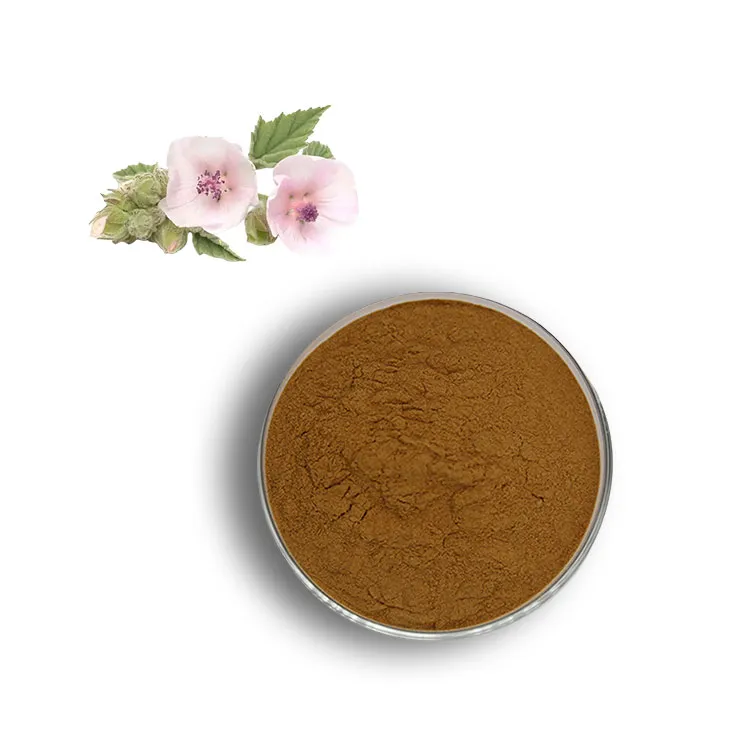
2.2 Production Process
Once the raw materials are sourced, manufacturers engage in a complex production process. This typically involves extraction techniques that aim to isolate the active compounds in the marshmallow plant. Different methods, such as solvent extraction or steam distillation, can be used, each with its own advantages and disadvantages.
During production, quality control is of utmost importance. Manufacturers need to ensure that the extract meets certain standards for potency, purity, and safety. This may involve testing at various stages of production, from the raw material intake to the final product. They must also comply with regulatory requirements, which can vary depending on the country or region where the product is intended to be sold.
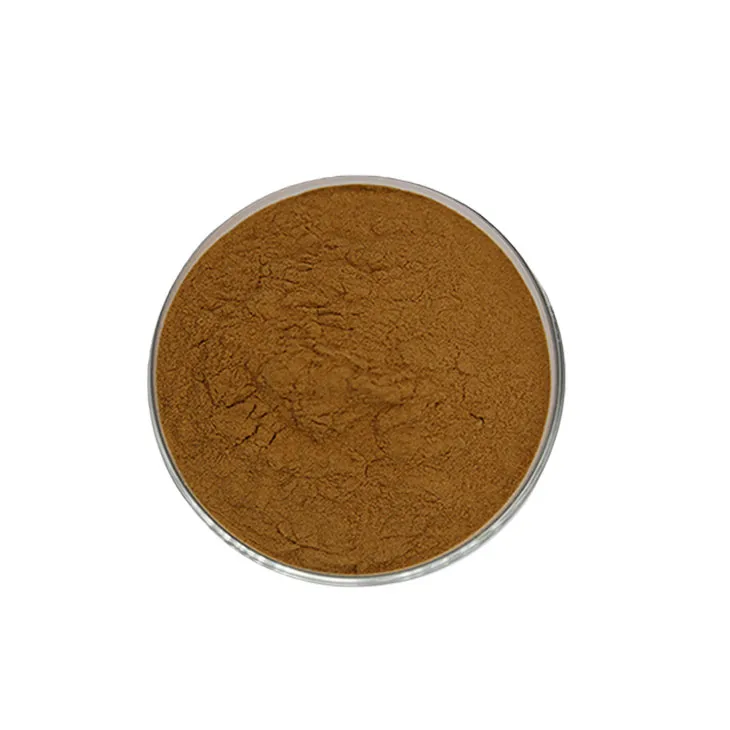
2.3 Research and Development
Some manufacturers invest in research and development (R & D) related to Medicinal Marshmallow Extract. This could include studies on new extraction methods to improve efficiency or enhance the quality of the extract. R & D may also focus on exploring new applications for the extract, such as in the treatment of specific medical conditions or in combination with other natural ingredients.
For example, research might be conducted to determine the optimal dosage of the extract for different health benefits. Additionally, manufacturers may collaborate with scientific institutions or researchers to gain a deeper understanding of the plant's properties and potential benefits.
3. Distributors of Bulk Medicinal Marshmallow Extract

3.1 Inventory Management
Distributors are tasked with managing the inventory of Medicinal Marshmallow Extract. This requires a careful balance between having enough stock to meet market demands and avoiding overstocking, which can tie up capital and lead to potential losses if the product expires or becomes obsolete.
They need to monitor sales trends, seasonality, and market forecasts to make informed decisions about inventory levels. For instance, if there is an expected increase in demand during the flu season due to the potential immune - boosting properties of marshmallow extract, distributors may increase their inventory in advance.
3.2 Transportation and Logistics
Ensuring the proper transportation and logistics of the bulk extract is another key responsibility of distributors. The extract needs to be stored and transported under appropriate conditions to maintain its quality. This may involve temperature - controlled storage and transportation, especially for sensitive extracts.
Distributors must also consider factors such as shipping costs, delivery times, and the reliability of carriers. They may need to choose between different modes of transportation, such as air, sea, or land, depending on the volume of the product, the destination, and cost - effectiveness.
3.3 Market Demands and Customer Relations
Distributors are closer to the end - users compared to manufacturers. They need to be attuned to market demands and customer preferences. This involves gathering feedback from customers, such as supplement manufacturers, pharmacies, or individual consumers, and relaying this information back to the manufacturers if necessary.
They also play a role in promoting the product in the market. This could include marketing activities such as participating in trade shows, providing product samples, and creating marketing materials. By building strong relationships with customers, distributors can help increase the market share of Medicinal Marshmallow Extract.
4. Differences between Manufacturers and Distributors
- Core Function: Manufacturers are focused on the production of the extract, while distributors are centered around getting the product from the manufacturer to the end - user.
- Skills and Expertise: Manufacturers require technical knowledge in areas such as raw material processing and quality control. Distributors, on the other hand, need skills in inventory management, logistics, and marketing.
- Capital Investment: Manufacturers typically have a higher capital investment in production facilities, equipment, and R & D. Distributors may require significant capital for inventory purchase and storage facilities, but generally not to the same extent as manufacturers.
- Risk Exposure: Manufacturers face risks related to raw material availability, production process failures, and regulatory compliance. Distributors are more exposed to risks associated with market fluctuations, inventory obsolescence, and transportation disruptions.
5. Similarities between Manufacturers and Distributors
- Dependence on Quality: Both manufacturers and distributors rely on the quality of the Medicinal Marshmallow Extract. For manufacturers, it is essential for production success and regulatory compliance. For distributors, high - quality products are more likely to be accepted in the market and lead to repeat business.
- Market Awareness: They both need to be aware of the overall market conditions. Manufacturers must consider market demand when planning production volumes, while distributors need to understand market trends to manage inventory and marketing effectively.
- Regulatory Impact: Both entities are affected by regulatory requirements. Manufacturers must adhere to production - related regulations, and distributors need to ensure that the products they handle comply with distribution - related regulations, such as proper labeling and documentation.
6. Conclusion
In the bulk Medicinal Marshmallow Extract industry, manufacturers and distributors are two integral parts of the supply chain. While they have different functions, skills, and risk exposures, they also share common interests in quality, market awareness, and regulatory compliance. A successful industry depends on the effective cooperation between these two entities. Manufacturers need to produce high - quality extracts consistently, and distributors need to ensure that these extracts reach the right customers in a timely and cost - effective manner. Only through such collaboration can the bulk Medicinal Marshmallow Extract industry thrive and continue to meet the growing demand for natural and herbal remedies.
FAQ:
1. What are the main responsibilities of bulk Medicinal Marshmallow Extract manufacturers?
Manufacturers are mainly responsible for sourcing raw materials, which often involves ensuring a stable supply. They also have to focus on the production process to create the final extract. This includes quality control at every stage, from the initial handling of raw materials to the packaging of the finished product. Additionally, they may be involved in research and development to improve the extraction process or the quality of the extract.
2. How do distributors of bulk Medicinal Marshmallow Extract ensure product availability?
Distributors ensure product availability through effective inventory management. They need to maintain appropriate stock levels based on market forecasts and historical sales data. They also work closely with manufacturers to ensure a timely supply of the extract. This may involve negotiating contracts for regular deliveries and having contingency plans in case of supply disruptions. Transportation management is also crucial as they need to ensure the extract is moved from the manufacturer to the end - users without delay.
3. What quality control measures do manufacturers of bulk Medicinal Marshmallow Extract typically implement?
Manufacturers typically implement multiple quality control measures. They start with raw material inspection to ensure that the marshmallow used for extraction meets certain standards. During the extraction process, they monitor parameters such as temperature, pressure, and extraction time to ensure consistency. Finished product testing is also carried out to check for purity, potency, and the absence of contaminants. They may also follow industry - recognized quality management systems such as Good Manufacturing Practice (GMP) to ensure overall product quality.
4. How do distributors deal with market demands for bulk Medicinal Marshmallow Extract?
Distributors deal with market demands by closely monitoring market trends. They communicate with end - users such as pharmaceutical companies, herbal supplement producers, or research institutions to understand their needs. Based on this information, they adjust their inventory levels and marketing strategies. For example, if there is an increasing demand for a particular type of Medicinal Marshmallow Extract in the market, they will work with manufacturers to increase the supply and promote the product to potential customers.
5. What are the similarities between bulk Medicinal Marshmallow Extract manufacturers and distributors?
Both manufacturers and distributors are essential in the supply chain of bulk Medicinal Marshmallow Extract. They both need to have a good understanding of the product, including its properties and applications. They also rely on each other for the success of the business. Manufacturers need distributors to reach the end - users, and distributors need manufacturers to provide a reliable supply of the product. Additionally, both entities need to comply with relevant regulations regarding the handling and trading of medicinal products.
Related literature
- Medicinal Plants: An Overview of Their Role in Modern Medicine"
- "The Extract Manufacturing Process: Quality and Standardization"
- "Distribution Channels in the Herbal Medicine Industry"


-

Chia Seed Powder
2025-02-10
-

Gynostemma pentaphyllum extract
2025-02-10
-

Rhodiola Rosea Root extract
2025-02-10
-

Green coffee bean Extract
2025-02-10
-

Genistein
2025-02-10
-

Ginseng Root Extract
2025-02-10
-

Chaste Berry Extract
2025-02-10
-

Yellow Pine Extract
2025-02-10
-

Shikone Extract
2025-02-10
-

Banana juice powder
2025-02-10