


1. Introduction
The bulk Phellodendron Extract industry is a complex and multifaceted one, with manufacturers and distributors playing crucial but distinct roles. This article aims to compare and contrast these two important entities within the business ecosystem. By understanding their functions, challenges, and interactions, we can gain a more comprehensive view of how the industry operates.
2. Manufacturers: The Production Core
2.1 Raw Material Sourcing
Manufacturers of bulk Phellodendron Extract are responsible for securing high - quality raw materials. This is no easy feat, as it involves several factors. Phellodendron bark, the main source for the extract, needs to be sourced sustainably. Manufacturers must ensure that they are not contributing to over - harvesting, which could have negative environmental impacts. They often have to work with suppliers who follow ethical and sustainable harvesting practices. Additionally, the quality of the raw material can vary depending on factors such as the geographical location of growth, the time of harvest, and the handling procedures before it reaches the manufacturing facility. For example, Phellodendron bark from certain regions may have a higher concentration of the active compounds, making it more desirable for extraction. Manufacturers need to be able to identify and select the best raw materials to produce a high - quality extract.

2.2 Extraction Techniques
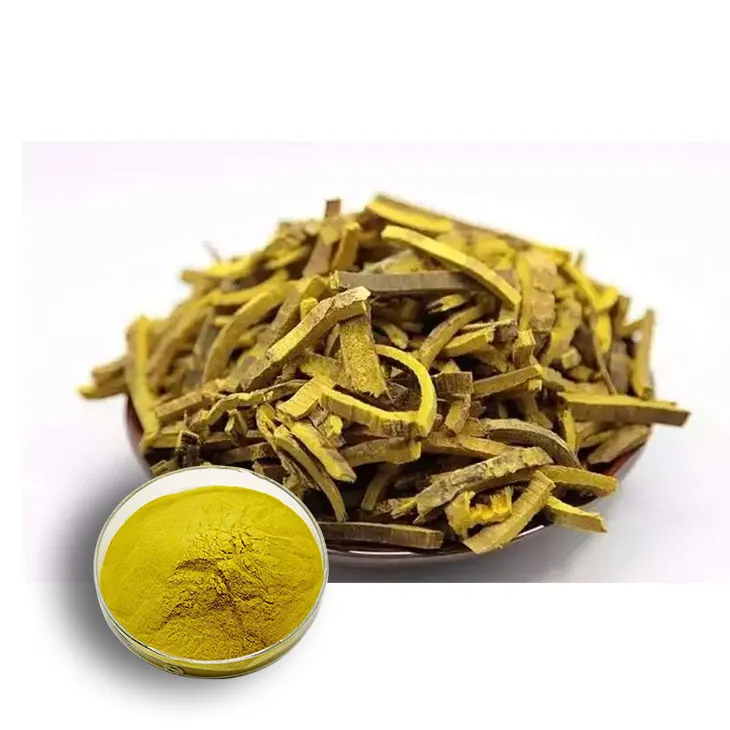
Once the raw materials are sourced, manufacturers turn their attention to the extraction process. There are various extraction techniques available, each with its own advantages and disadvantages. Solvent extraction is a commonly used method. However, the choice of solvent is crucial as it can affect the purity and quality of the final extract. For example, some solvents may leave behind residues that are not suitable for certain applications. Another technique is supercritical fluid extraction, which offers the advantage of producing a cleaner extract with a higher concentration of active compounds. However, this method requires more specialized equipment and is often more expensive. Manufacturers need to balance the cost and efficiency of the extraction method with the quality requirements of the market. They also need to constantly research and develop new extraction techniques to improve the yield and quality of the extract. For instance, some manufacturers are exploring the use of enzymatic extraction methods, which may offer a more environmentally friendly and efficient alternative in the future.
2.3 Ensuring Product Purity
Product purity is of utmost importance for manufacturers. After the extraction process, the resulting Phellodendron Extract may contain impurities such as other plant compounds, residual solvents, or contaminants from the raw material or the extraction process. Manufacturers must implement strict quality control measures to remove these impurities. This includes the use of filtration, purification, and analytical techniques. High - performance liquid chromatography (HPLC) is often used to analyze the composition of the extract and ensure that it meets the required purity standards. Manufacturers also need to comply with regulatory requirements regarding product purity, which may vary depending on the target market. For example, the standards for a pharmaceutical - grade Phellodendron Extract will be much higher than for an extract used in dietary supplements. Ensuring product purity not only protects the end - users but also helps to build the reputation of the manufacturer in the market.
3. Distributors: The Market Link
3.1 Inventory Management
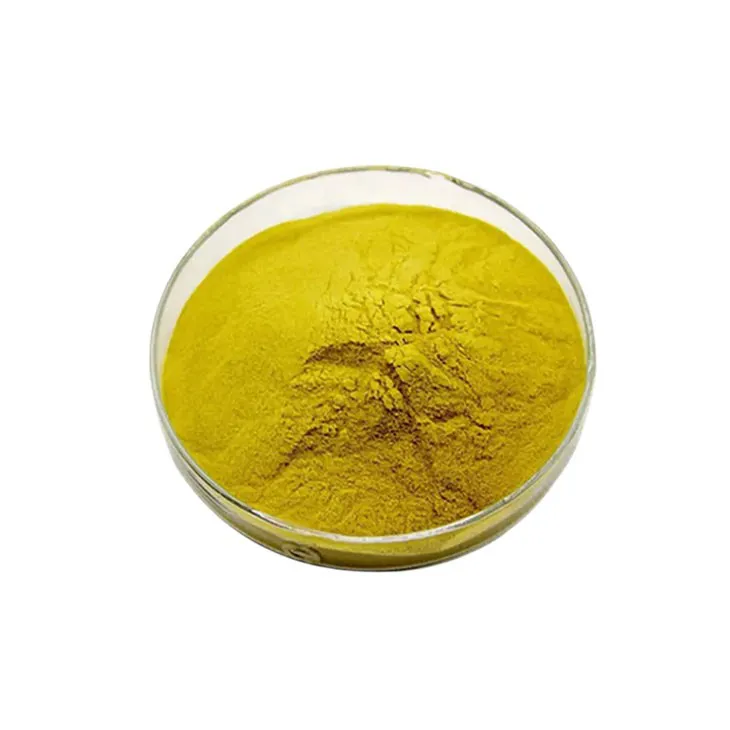
Distributors of bulk Phellodendron Extract are tasked with managing inventory effectively. This involves several aspects. Firstly, they need to forecast the demand for the extract accurately. Since the market for Phellodendron Extract can be influenced by factors such as trends in the natural health industry, new research findings on its benefits, and competition from other similar products, predicting the demand is a challenging task. Distributors need to keep track of market trends and customer preferences to ensure that they have enough stock to meet the market demand without overstocking, which can lead to increased storage costs and the risk of product expiration. They also need to manage the storage conditions of the extract properly. Phellodendron Extract may be sensitive to factors such as temperature, humidity, and light, and improper storage can affect its quality. Distributors must ensure that the extract is stored in appropriate facilities to maintain its integrity until it is sold to the end - user.

3.2 Market Penetration
One of the key roles of distributors is to penetrate the market for bulk Phellodendron Extract. This requires a deep understanding of the market segments. They need to identify potential customers, which can range from pharmaceutical companies looking for raw materials for drug development to manufacturers of dietary supplements and cosmetics. Distributors need to develop marketing strategies tailored to each market segment. For example, when targeting the pharmaceutical industry, they may need to emphasize the scientific research and quality control behind the Phellodendron Extract. For the dietary supplement market, they may focus on the health benefits and natural origin of the extract. They also need to build relationships with key players in the market, such as wholesalers, retailers, and manufacturers. This can involve attending industry trade shows, networking events, and providing product samples and information to potential customers. By effectively penetrating the market, distributors can increase the sales volume of the Phellodendron Extract and contribute to the growth of the industry.
3.3 Providing After - Sales Service
After - sales service is an important aspect of the distributor's role. Once the Phellodendron Extract is sold, distributors need to be available to answer any questions or concerns from the customers. This can include providing technical support regarding the use of the extract in different applications, handling any complaints about product quality, and providing solutions for issues such as delivery delays or damaged products. Good after - sales service can enhance customer satisfaction and loyalty, which is crucial for the long - term success of the distributor. For example, if a customer has a question about the proper dosage of the Phellodendron Extract in a dietary supplement formulation, the distributor should be able to provide accurate information or refer the customer to the appropriate expert. Additionally, distributors may also offer product warranties or guarantees, which can further instill confidence in the customers.
4. Comparison and Contrast
4.1 Goals and Objectives
Manufacturers are primarily focused on producing high - quality Phellodendron Extract. Their goals are centered around optimizing the production process, ensuring product purity, and meeting regulatory requirements. They are driven by the need to maintain a consistent supply of high - quality extract to the market. On the other hand, distributors are more concerned with market - related goals. Their main objective is to increase the sales volume of the extract by effectively managing inventory, penetrating the market, and providing excellent after - sales service. While manufacturers aim to produce the best product, distributors aim to get the product to the right customers in the most efficient and profitable way.
4.2 Risk Exposure
Manufacturers face risks related to the production process. These include risks associated with raw material supply, such as shortages due to environmental factors or political unrest in the source regions. They also face risks related to the extraction techniques, such as equipment failure or the discovery of new, more cost - effective extraction methods by competitors. Additionally, regulatory risks are a major concern for manufacturers. Changes in regulations regarding product purity, safety, or environmental impact can significantly affect their operations. Distributors, on the other hand, are exposed to market - related risks. Fluctuations in demand, competition from other distributors, and changes in market trends can all impact their business. For example, if a new study reveals potential side effects of Phellodendron Extract, the demand may drop suddenly, leaving distributors with excess inventory. They also face risks related to credit and payment defaults from customers, which can affect their cash flow and financial stability.
4.3 Dependency on Each Other
Manufacturers and distributors are highly dependent on each other within the bulk Phellodendron Extract business ecosystem. Manufacturers rely on distributors to get their products to the market. Without effective distribution channels, manufacturers may find it difficult to sell their products, especially in international markets. Distributors, in turn, depend on manufacturers to provide a consistent supply of high - quality Phellodendron Extract. If manufacturers fail to meet the quality or quantity requirements, distributors may lose customers and damage their reputation in the market. This mutual dependency highlights the importance of good communication and cooperation between the two entities.
5. Conclusion
In conclusion, the roles of bulk Phellodendron Extract manufacturers and distributors are both vital and distinct within the industry. While manufacturers focus on production - related aspects such as raw material sourcing, extraction techniques, and product purity, distributors are more involved in market - related activities including inventory management, market penetration, and after - sales service. By understanding their differences, similarities, and the mutual dependency between them, we can better appreciate the complexity of the bulk Phellodendron Extract business ecosystem. This knowledge can also be useful for industry participants, regulators, and researchers who are interested in promoting the sustainable growth and development of the industry.
FAQ:
What are the main challenges faced by bulk Phellodendron Extract manufacturers?
Manufacturers face several challenges. Firstly, sourcing high - quality raw materials can be difficult as it depends on factors such as the availability of Phellodendron plants, which may be affected by environmental and regulatory factors. Secondly, they need to constantly optimize extraction techniques to ensure high - yield and pure extracts. This requires investment in research and development. Thirdly, they must comply with strict quality control standards to ensure the product is safe and effective for various applications.
What are the key responsibilities of bulk Phellodendron Extract distributors?
Distributors have important responsibilities. They are responsible for inventory management, which involves accurately forecasting demand, storing the product properly to maintain its quality, and preventing stock - outs or overstocking. Market penetration is another key task, which includes identifying potential customers, promoting the product in different markets, and building relationships with buyers. Additionally, providing after - sales service such as handling customer complaints and providing technical support is crucial for maintaining a good reputation in the market.
How do manufacturers and distributors work together in the bulk Phellodendron Extract business?
Manufacturers and distributors often have a symbiotic relationship. Manufacturers rely on distributors to get their products to a wider market. They provide distributors with the necessary product information and quality certifications. Distributors, in turn, give manufacturers feedback on market trends and customer demands. This helps manufacturers adjust their production and product features accordingly. For example, if distributors notice a growing demand for a particular form of Phellodendron Extract in a certain market, they can inform the manufacturer, who may then consider increasing production of that specific product.
What factors influence the pricing of bulk Phellodendron Extract for manufacturers and distributors?
For manufacturers, the cost of raw materials, production costs (including extraction equipment, labor, and energy), and research and development expenses all influence the pricing. Quality control costs also play a role. For distributors, in addition to the purchase price from the manufacturer, they consider their own operating costs such as storage, transportation, and marketing expenses. Market demand and competition also affect the pricing strategy. If there is high demand and limited competition, both manufacturers and distributors may be able to set higher prices. Conversely, in a highly competitive market, prices may be more competitive.
How do quality control measures differ between bulk Phellodendron Extract manufacturers and distributors?
Manufacturers' quality control mainly focuses on the production process. They test the raw materials before extraction, monitor the extraction process to ensure proper parameters are maintained, and test the final product for purity, potency, and safety. Distributors' quality control is more about ensuring the product remains in good condition during storage and transportation. They may check for proper packaging, storage conditions, and verify the product's quality upon receipt and before distribution. However, distributors also rely on manufacturers' quality certifications and may conduct random sampling to double - check the product quality.
Related literature
- Study on the Extraction Techniques of Phellodendron Extract"
- "Market Trends of Bulk Phellodendron Extract: A Distributor's Perspective"
- "Manufacturing Processes and Quality Control in Phellodendron Extract Production"


-

Vitamin B9
2024-12-15
-

Dandelion Leaf Extract
2024-12-15
-

Green Tea Extract
2024-12-15
-

D-Mannose
2024-12-15
-

Acerola Extract
2024-12-15
-

Diosmin
2024-12-15
-

Ginkgo Biloba Extract
2024-12-15
-

Moringa powder
2024-12-15
-

Soy Extract
2024-12-15
-

Plantain extract
2024-12-15