


1. Introduction to Yellow Pine Extract
Yellow Pine Extract has emerged as a highly sought - after substance in numerous industries. Derived from the yellow pine tree, this extract is known for its rich composition of bioactive compounds. These compounds are what make the Yellow Pine Extract so valuable and versatile, with potential applications spanning across medicine, cosmetics, and food industries.
2. The Significance of Bioactive Compounds in Yellow Pine Extract
The bioactive compounds present in Yellow Pine Extract are of great significance. They are responsible for many of the potential benefits that the extract can offer. For instance, in the field of medicine, these compounds may possess anti - inflammatory, antioxidant, or even antimicrobial properties. In cosmetics, they can contribute to skin health, potentially improving skin texture and reducing signs of aging. In the food industry, they may act as natural preservatives or flavor enhancers.
3. Manufacturing of Yellow Pine Extract
3.1 Optimization of the Extraction Process
Manufacturers are constantly striving to optimize the extraction process of Yellow Pine Extract. This involves careful selection of extraction methods, such as solvent extraction or supercritical fluid extraction. The goal is to ensure that the extract obtained is of high - quality and pure. High - quality extraction not only maximizes the yield of the bioactive compounds but also minimizes the presence of unwanted impurities. For example, using the wrong solvent or improper extraction conditions can lead to a lower - quality extract with reduced efficacy.
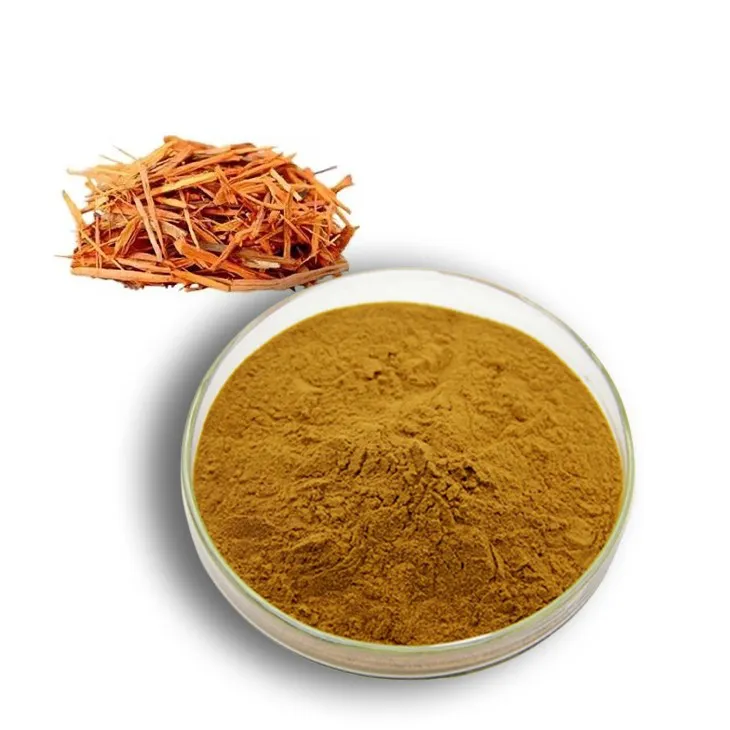
3.2 Quality Control in Manufacturing
Quality control is a crucial aspect of Yellow Pine Extract manufacturing. Manufacturers need to implement strict quality control measures at every stage of the production process. This includes testing the raw materials for purity and potency, monitoring the extraction process parameters, and conducting final product analysis. Quality control helps to ensure that the Yellow Pine Extract meets the required standards for its intended applications. For example, in the medical field, the extract must meet strict pharmaceutical - grade quality standards to be safe and effective for use in medications.
4. The Role of Wholesale Suppliers
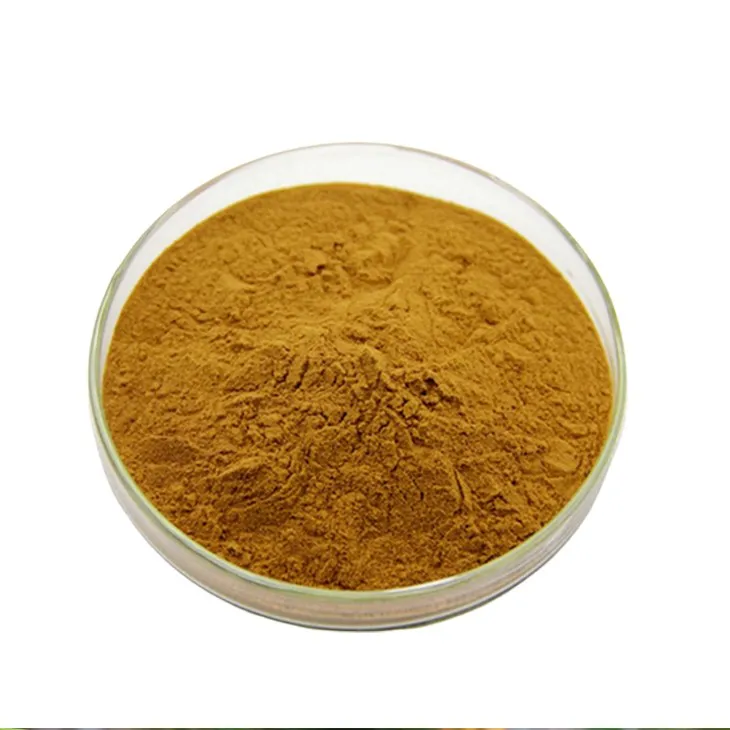
4.1 Supply Chain Management
Wholesale suppliers play a vital role in the Yellow Pine Extract market, especially in terms of supply chain management. They are responsible for ensuring a stable supply of the extract from the manufacturers to the end - users. This involves coordinating with multiple manufacturers to source sufficient quantities of the extract. A well - managed supply chain can prevent shortages or delays in the delivery of Yellow Pine Extract to customers. For example, during peak demand seasons in the cosmetics industry, a reliable wholesale supplier will be able to meet the increased demand without disruptions.

4.2 Product Quality Assurance
Another important function of wholesale suppliers is product quality assurance. They need to carefully vet the manufacturers they source from to ensure that the Yellow Pine Extract they supply is of high quality. This may involve conducting their own quality tests or relying on third - party certifications. By providing high - quality Yellow Pine Extract, wholesale suppliers can build trust with their customers, which is essential for long - term business success. For example, a wholesale supplier that consistently supplies pure and potent Yellow Pine Extract will be more likely to retain customers in the competitive food industry.
4.3 Offering Competitive Prices
Wholesale suppliers also need to offer competitive prices. They are in a position to negotiate better prices with manufacturers due to their bulk purchasing power. However, they also need to balance profitability with affordability for their customers. Offering competitive prices can attract more customers, especially in price - sensitive markets such as the food and cosmetics industries. For example, a wholesale supplier that can offer Yellow Pine Extract at a lower price compared to its competitors may gain a larger market share in the food additive market.
5. Considerations for Exporters
5.1 International Regulations
Exporters of Yellow Pine Extract face a complex web of international regulations. These regulations cover various aspects such as quality control, packaging, and shipping. In terms of quality control, different countries may have different standards for the purity and safety of the extract. For example, the European Union may have more stringent requirements for the presence of certain contaminants compared to some Asian countries. Packaging regulations may dictate the type of materials used for packaging to ensure product safety during transportation. Shipping regulations also need to be adhered to, including proper labeling and documentation. Non - compliance with these international regulations can lead to significant problems, such as product rejection at the border or legal penalties.
5.2 Impact of External Factors
Exporters also need to consider external factors that can impact their business. Currency exchange rates play a crucial role. Fluctuations in exchange rates can affect the profitability of exporting Yellow Pine Extract. For example, if the exporter's domestic currency strengthens against the currency of the importing country, the price of the extract in the foreign market may become relatively more expensive, potentially reducing demand. Trade policies are another important factor. Tariffs, trade agreements, and import/export restrictions can all have a significant impact on the export business. For instance, a new tariff imposed on Yellow Pine Extract by an importing country can increase the cost of the product for the end - user, thereby affecting sales volume.
6. Market Trends for Yellow Pine Extract
6.1 Growth in the Medical Industry
The medical industry is witnessing a growing demand for Yellow Pine Extract. As research continues to uncover the potential health benefits of the bioactive compounds in the extract, more pharmaceutical and nutraceutical companies are showing interest. For example, studies on the anti - inflammatory properties of the extract may lead to its use in the development of new medications for inflammatory diseases. This trend is expected to drive the growth of the Yellow Pine Extract market in the medical sector in the coming years.
6.2 Rising Popularity in Cosmetics
In the cosmetics industry, Yellow Pine Extract is also gaining popularity. Consumers are increasingly looking for natural ingredients in their skincare and beauty products. The potential of Yellow Pine Extract to improve skin health, as mentioned earlier, makes it an attractive ingredient for cosmetic manufacturers. For example, many high - end skincare brands are starting to incorporate Yellow Pine Extract into their anti - aging creams and moisturizers, which is contributing to the growth of the market for this extract in the cosmetics industry.
6.3 Emerging Opportunities in the Food Industry
The food industry is presenting emerging opportunities for Yellow Pine Extract. As consumers become more health - conscious, there is a growing demand for natural preservatives and flavor enhancers. Yellow Pine Extract, with its potential as a natural preservative and flavor enhancer, is well - positioned to capitalize on this trend. For example, some food companies are exploring the use of Yellow Pine Extract in their organic food products to extend shelf - life and add a unique flavor.
7. Conclusion
In conclusion, for manufacturers, wholesale suppliers, and exporters interested in buying bulk Yellow Pine Extract, a comprehensive understanding of the product, market trends, and regulatory requirements is essential for success. The unique properties of Yellow Pine Extract, along with its potential applications in multiple industries, make it a promising product. However, careful consideration of factors such as manufacturing processes, supply chain management, international regulations, and market trends is necessary to navigate this complex and growing market effectively.
FAQ:
What are the main bioactive compounds in Yellow Pine Extract?
Yellow Pine Extract contains various bioactive compounds such as flavonoids, phenolic acids, and terpenoids. These compounds contribute to its potential applications in different industries. Flavonoids, for example, are known for their antioxidant properties, which can be beneficial in cosmetics and food. Phenolic acids may have antimicrobial and anti - inflammatory effects, relevant in the medical field. Terpenoids can add unique scents or flavors, which might be useful in the food and cosmetic sectors as well.
How can manufacturers ensure the high - quality of Yellow Pine Extract?
Manufacturers can ensure the high - quality of Yellow Pine Extract in several ways. Firstly, they need to start with high - quality raw materials, carefully selecting the yellow pine sources. Secondly, optimizing the extraction process is crucial. This involves using appropriate extraction solvents, temperatures, and extraction times. Advanced extraction techniques like supercritical fluid extraction can also be employed to enhance the purity and quality. Quality control measures should be implemented at every stage of production, including testing for contaminants, purity, and the presence of desired bioactive compounds.
What are the key factors for wholesale suppliers to maintain a stable supply chain?
For wholesale suppliers, several key factors are important to maintain a stable supply chain. They need to have reliable relationships with manufacturers. This includes having contracts in place that ensure a consistent supply of Yellow Pine Extract. Inventory management is also crucial. They should have appropriate stock levels to meet the market demand without overstocking or understocking. Additionally, they need to be aware of potential disruptions such as natural disasters or political issues in the regions where the extract is sourced or produced and have contingency plans in place.
What international regulations do exporters of Yellow Pine Extract need to comply with?
Exporters of Yellow Pine Extract need to comply with various international regulations. In terms of quality control, they may need to meet the standards set by importing countries' regulatory agencies, such as the FDA in the United States or the EMA in the European Union. Packaging regulations are also important. This includes proper labeling with information about the product, its origin, and any potential allergens. Shipping regulations involve ensuring proper handling, storage during transit, and compliance with international transportation laws. There may also be regulations regarding the sustainable sourcing of yellow pine, especially in countries with strict environmental protection policies.
How do currency exchange rates affect exporters of Yellow Pine Extract?
Currency exchange rates can significantly affect exporters of Yellow Pine Extract. If the domestic currency of the exporter strengthens against the currency of the importing country, the price of the exported Yellow Pine Extract in the foreign market will increase. This can make the product less competitive and potentially lead to a decrease in sales volume. On the other hand, if the domestic currency weakens, the product becomes relatively cheaper in the foreign market, which can boost exports. Exporters need to closely monitor currency exchange rates and may use hedging strategies to mitigate the risks associated with currency fluctuations.
Related literature
- Bioactive Compounds in Yellow Pine: A Comprehensive Review"
- "The Role of Wholesale Suppliers in the Yellow Pine Extract Market"
- "Exporting Yellow Pine Extract: Regulatory and Market Considerations"


-

Lemon Balm Extract
2025-01-09
-

Chia Seed Powder
2025-01-09
-

Withania Somnifera Extract
2025-01-09
-

Red Clover Extract
2025-01-09
-

Lemon Extract
2025-01-09
-

Rhodiola Rosea Root extract
2025-01-09
-

Sophora Japonica Flower Extract
2025-01-09
-

Elderberry Extract
2025-01-09
-

Vitamin D3
2025-01-09
-

Tamarind extract powder
2025-01-09