


1. Introduction
Cat claws and their extracts are indeed fascinating elements that have captured the attention of various industries and research fields. The claws of a cat are not just simple appendages but are highly specialized structures with multiple functions in a cat's daily life. On the other hand, Cat Claw Extracts have emerged as a significant component in the world of natural medicine, offering a range of potential benefits.
2. The Significance of Cat Claws
2.1 Structure and Function
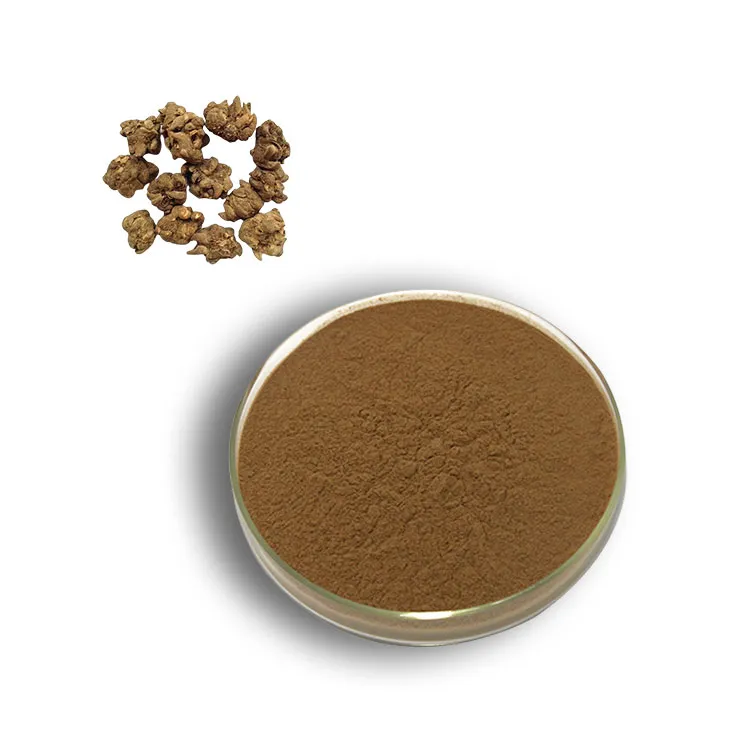
The structure of cat claws is a marvel of nature. Retractable claws are a characteristic feature of cats. This unique design allows them to keep their claws protected when not in use, preventing them from getting dull or damaged. When it comes to function, climbing is one of the most important roles that cat claws play. Cats are natural climbers, and their claws provide the necessary grip on various surfaces such as tree trunks or the sides of furniture. For example, when a cat climbs a tree to escape from a predator or to reach a vantage point, its claws dig into the bark, enabling it to ascend with ease.
Another crucial function is self - defense. A cat's claws are a formidable weapon when it feels threatened. In the wild, if a cat encounters a larger predator, it can use its claws to scratch and fend off the attacker. Even in domestic settings, a cornered or frightened cat may use its claws to protect itself.
2.2 Importance in Cat Behavior and Physiology
Cat claws also play an important role in a cat's behavior and physiology. They are used for activities such as marking territory. Cats have scent glands in their paws, and when they scratch on surfaces, they are not only leaving visible marks but also depositing their scent. This is a way for them to communicate with other cats, indicating that the area is their territory.
From a physiological perspective, the growth and maintenance of cat claws are also important aspects. The claws are made of a protein called keratin, which continuously grows. Cats need to engage in activities that help wear down their claws to maintain a healthy length. This is why they often scratch on appropriate surfaces.
3. Cat Claw Extracts: Composition and Properties
3.1 Bioactive Compounds
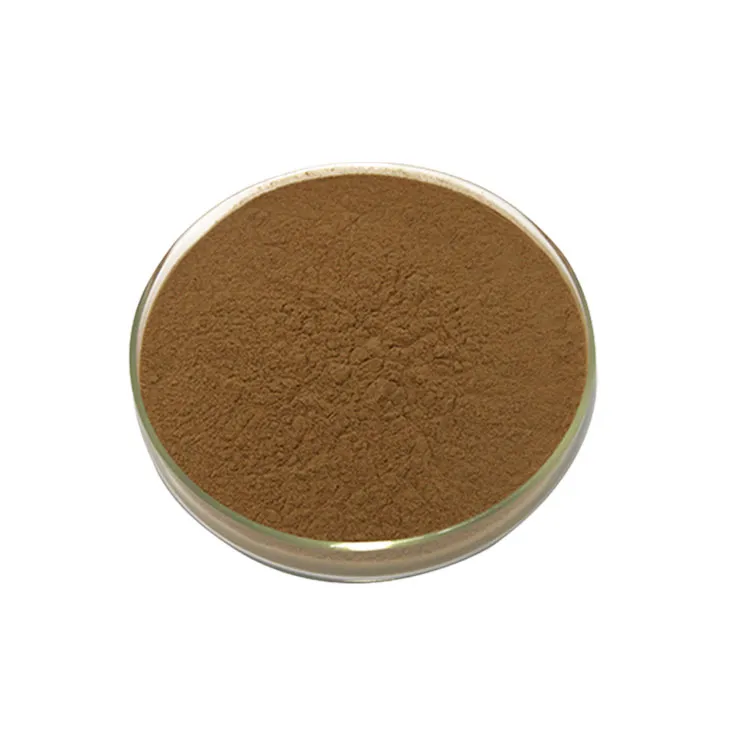
Cat Claw Extracts are rich in a variety of bioactive compounds. One of the important groups of compounds found in Cat Claw Extracts is alkaloids. These alkaloids are believed to contribute to many of the potential health benefits associated with Cat Claw Extracts. For example, some alkaloids may have anti - inflammatory properties, which can be beneficial for reducing inflammation in the body.
Another group of compounds are polyphenols. Polyphenols are known for their antioxidant properties. In the context of Cat Claw Extracts, they may help in protecting the body's cells from damage caused by free radicals. This can potentially have implications for overall health and well - being, including reducing the risk of certain chronic diseases.
3.2 Potential Health Benefits
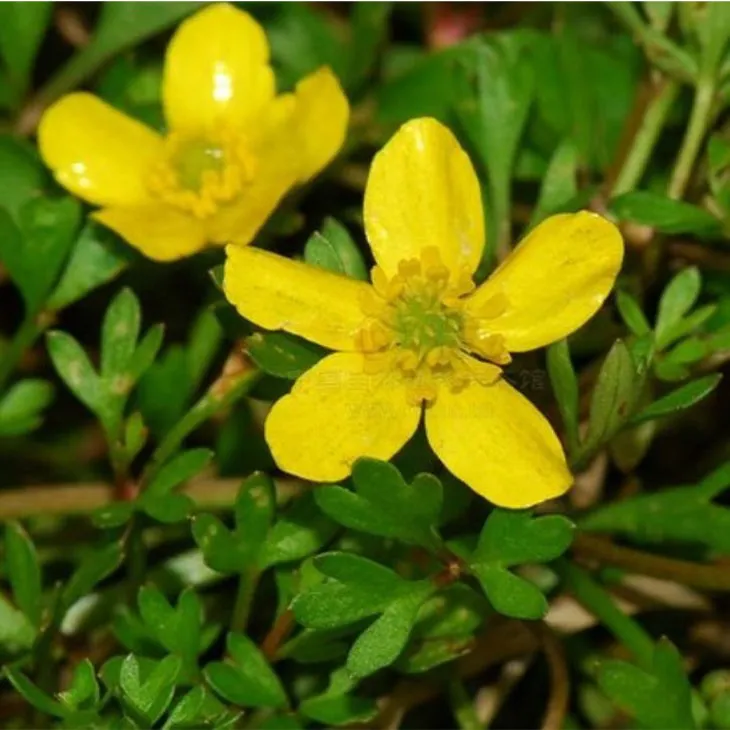
The presence of these bioactive compounds gives Cat Claw Extracts several potential health benefits. As mentioned earlier, the anti - inflammatory properties can be useful for conditions such as arthritis. By reducing inflammation in the joints, it may help to relieve pain and improve mobility for those suffering from arthritis.
Cat Claw Extracts are also thought to have immune - enhancing properties. The compounds in the extract may stimulate the immune system, making it more effective in fighting off infections. This can be especially beneficial for individuals with weakened immune systems, such as the elderly or those recovering from illness.
4. When to Choose Cat Claws
There are certain situations where the cat claw itself is the more appropriate choice. In the field of zoology, for studying the physical characteristics of cats, the actual cat claw is of great importance. Researchers may be interested in the shape, size, and structure of the claw for various reasons. For example, they may be studying the evolution of cats and how their claws have adapted over time.
Another area where cat claws are relevant is in forensic science. In cases where a cat may be involved in a criminal investigation, for example, if a cat scratch is found on a victim or at a crime scene, the analysis of the cat claw can provide valuable information. The shape and pattern of the claw mark can be used to identify the breed of cat or potentially link it to a specific cat in the area.
5. When to Choose Cat Claw Extracts
When it comes to health - related uses, Cat Claw Extracts are often the preferred option. For those seeking natural remedies for inflammation - related conditions, such as joint pain or muscle soreness, Cat Claw Extracts can be a viable alternative. The anti - inflammatory properties of the extract can help to reduce pain and swelling without the side effects associated with some conventional medications.
People with immune - system - related issues may also benefit from Cat Claw Extracts. Whether it is to prevent frequent infections or to boost the immune system during the cold and flu season, the immune - enhancing properties of the extract can be advantageous. Additionally, for those interested in natural health products in general, Cat Claw Extracts can be part of a holistic approach to maintaining good health.
6. Considerations for Choosing between Cat Claws and Cat Claw Extracts
6.1 Purpose of Use
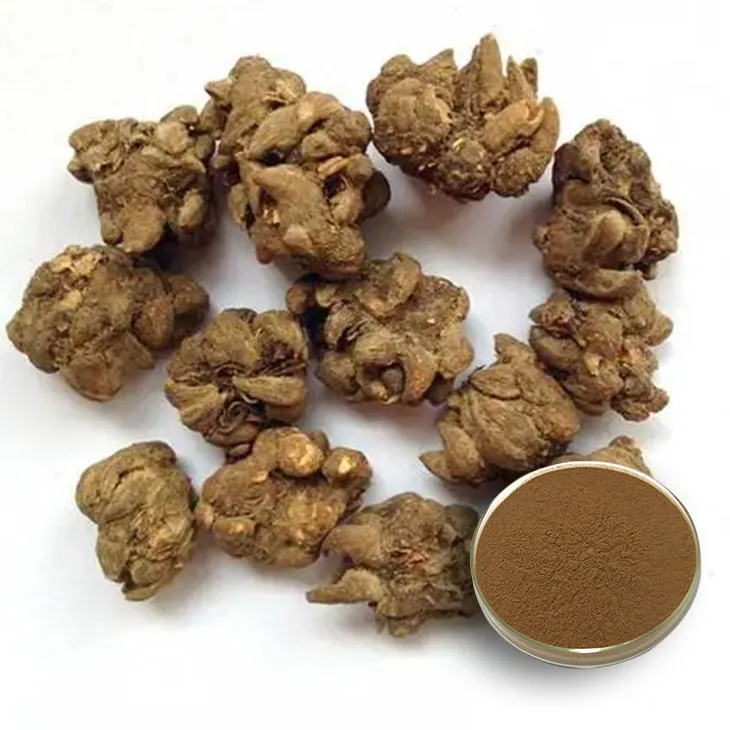
The most important consideration when choosing between cat claws and Cat Claw Extracts is the purpose of use. If the aim is to study the anatomy or behavior of cats, then cat claws are the obvious choice. However, if the goal is to improve health or explore natural remedies, Cat Claw Extracts are more relevant.
It is also important to note that different uses may require different forms of Cat Claw Extracts. For example, for internal use to boost the immune system, an extract in the form of a capsule or tincture may be more appropriate. For topical use to reduce inflammation on the skin, a cream or ointment containing Cat Claw Extract may be the better option.
6.2 Safety and Ethical Concerns
When dealing with cat claws, there are ethical concerns, especially if they are obtained from live cats. In most cases, cat claws used for research or other purposes should be obtained from natural shedding or from cats that have passed away due to natural causes. This ensures that no harm is done to the animals.
Regarding Cat Claw Extracts, safety is a key consideration. While Cat Claw Extracts are generally considered safe when used as directed, there may be potential side effects for some individuals. For example, some people may experience allergic reactions to the extract. It is important to consult a healthcare professional before starting to use Cat Claw Extracts, especially if one has a history of allergies or is taking other medications.
7. Conclusion
In conclusion, both cat claws and Cat Claw Extracts have their own unique significance and applications. Understanding the differences between them and being able to choose the right ingredient according to specific needs is crucial. Whether it is for scientific research, forensic investigations, or health - related purposes, making an informed decision will ensure that the appropriate element is utilized while also taking into account safety and ethical considerations.
FAQ:
1. What are the main functions of cat claws?
Cat claws have several important functions. Their unique structure enables cats to climb various surfaces, such as trees or fences. They are also a crucial tool for self - defense, allowing cats to protect themselves from potential threats in their environment.
2. What bioactive compounds are typically found in Cat Claw Extracts?
Cat Claw Extracts are rich in a variety of bioactive compounds. These may include alkaloids, tannins, and flavonoids, among others. These compounds are believed to contribute to the potential health benefits associated with Cat Claw Extracts, such as anti - inflammatory and immune - enhancing properties.
3. How can Cat Claw Extracts be used for health purposes?
For health - related uses, Cat Claw Extracts may be used in different ways. Some people may take it as a dietary supplement in the form of capsules or tinctures. It is thought to potentially help with reducing inflammation in the body and enhancing the immune system. However, it's important to note that before using any Cat Claw Extract for health purposes, one should consult a healthcare professional.
4. In what situations would one study the physical characteristics of cat claws?
One might study the physical characteristics of cat claws in various situations. For example, in veterinary research to understand better the overall anatomy and biomechanics of cats. Zoologists may also study cat claws to learn about their evolution and how they are adapted to different environments. Additionally, in product development related to cat - related items, such as cat - friendly furniture or toys, understanding the physical characteristics of cat claws can be helpful.
5. Are there any side effects associated with using Cat Claw Extracts?
While Cat Claw Extracts are generally considered safe for many people when used appropriately, some individuals may experience side effects. These can include digestive issues such as nausea, diarrhea, or stomach upset. In addition, there may be potential interactions with certain medications. Therefore, it is crucial to consult a doctor before starting to use Cat Claw Extracts, especially if you have pre - existing health conditions or are taking other medications.
Related literature
- The Bioactive Compounds in Cat Claw and Their Potential Health Benefits"
- "Cat Claws: Anatomy, Function, and Adaptation"
- "Cat Claw Extracts in Natural Medicine: A Review"


-

Almond Extract Powder
2024-12-23
-

Tormentil Extract
2024-12-23
-

Tinospora cordifolia extract
2024-12-23
-

L-Tyrosine
2024-12-23
-

Lycopene
2024-12-23
-

Rhodiola Rosea Root extract
2024-12-23
-

Saffron Extract Powder
2024-12-23
-

Diosmin
2024-12-23
-

Echinacea Extract
2024-12-23
-

Vitamin D3
2024-12-23