


I. Introduction
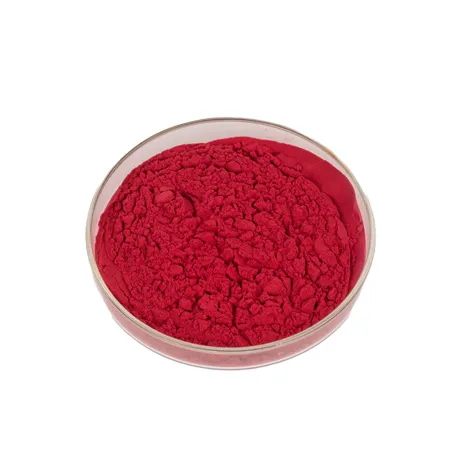
Cranberry Extract has emerged as a highly valuable product in recent years, with a wide range of applications in various industries. This extract is rich in bioactive compounds that endow it with antioxidant, anti - inflammatory, and urinary tract health - promoting properties. Understanding the entire process from cultivation to market is crucial for anyone interested in this product.
II. Cranberry Cultivation
A. Ideal Growing Conditions
Cranberries are typically grown in bogs or carefully managed fields. The soil in these areas needs to be acidic, with a pH ranging from 4.0 to 5.5. Moisture is also a key factor, as cranberries require a consistent water supply. They are often grown in areas with high water tables or in wetlands that can be flooded during certain times of the year. The plants also need a sufficient amount of sunlight, although they can tolerate some shade.

B. Cultivation Practices
- Cranberry plants are usually propagated through cuttings. Growers carefully select healthy parent plants and take cuttings from them. These cuttings are then planted in prepared beds.
- Weeding is an important part of cranberry cultivation. Since cranberries are low - growing plants, they can be easily overshadowed by weeds. Manual weeding or the use of approved herbicides is often employed to keep the cranberry beds weed - free.
- Fertilization is necessary to ensure healthy plant growth. However, the type and amount of fertilizer need to be carefully controlled to avoid over - fertilization, which can lead to excessive vegetative growth and reduced fruit quality.
C. Pest and Disease Management
- Several pests can affect cranberry plants, such as cranberry fruitworm and sparganothis fruitworm. Integrated pest management (IPM) strategies are often used. This includes the use of natural predators, such as certain wasp species that parasitize the pests, as well as the targeted application of pesticides when pest populations reach a certain threshold.
- Diseases like fruit rot and false blossom can also be a problem. Good cultural practices, such as proper drainage and air circulation, can help prevent the spread of diseases. Fungicides may be applied when necessary to control fungal diseases.
III. Cranberry Processing

A. Harvesting
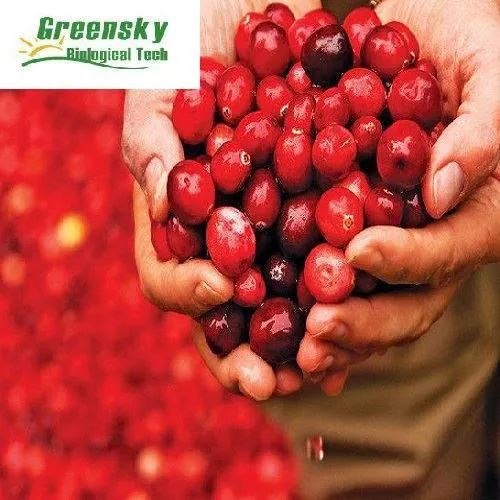
Cranberries are typically harvested in the fall. There are two main methods of harvesting: wet harvesting and dry harvesting. Wet harvesting involves flooding the cranberry bogs, which causes the ripe berries to float to the surface. They can then be collected using special equipment. Dry harvesting, on the other hand, uses mechanical pickers to remove the berries from the vines. Wet - harvested cranberries are often used for processing into juice or extract, while dry - harvested berries are more likely to be sold as fresh fruit.
B. Initial Processing Steps
- Once harvested, cranberries are sorted to remove any damaged or unripe berries. This can be done using mechanical sorters or by hand in some small - scale operations.
- The berries are then washed thoroughly to remove dirt, debris, and any remaining pesticides. Clean water is used for this process, and the washing may be repeated several times to ensure complete cleanliness.
C. Extraction of Bioactive Compounds
- There are several methods for extracting bioactive compounds from cranberries. One common method is solvent extraction. Organic solvents such as ethanol or ethyl acetate are often used. These solvents are able to dissolve the bioactive compounds, such as polyphenols and flavonoids, from the cranberry pulp or skins.
- Another method is supercritical fluid extraction. This uses supercritical carbon dioxide as the extracting agent. Supercritical carbon dioxide has the advantage of being non - toxic and leaving no solvent residue in the final extract. It can also be more selective in extracting specific bioactive compounds.
- Enzyme - assisted extraction is also being explored. Enzymes can break down the cell walls of cranberry tissues, making it easier to extract the desired compounds. This method can potentially increase the yield of bioactive compounds while reducing the use of harsh solvents.
D. Concentration and Purification
After extraction, the Cranberry Extract may need to be concentrated to increase the concentration of bioactive compounds. This can be done through evaporation under reduced pressure or other concentration techniques. Purification steps may also be involved to remove any impurities or unwanted compounds. Chromatography techniques, such as high - performance liquid chromatography (HPLC), can be used to separate and purify specific bioactive compounds in the extract.
IV. Technological Advancements in Cranberry Extract Production
A. Improved Extraction Efficiency
Recent technological advancements have focused on improving the efficiency of extraction. New extraction equipment has been developed that can handle larger volumes of cranberries and extract a higher percentage of bioactive compounds. For example, some extraction systems use advanced agitation and mixing mechanisms to ensure better contact between the cranberry material and the extracting solvent. This results in a more complete extraction of the valuable compounds.
B. Quality Control and Standardization
- Advanced analytical techniques are now used to monitor the quality of Cranberry Extract. Spectroscopic methods, such as infrared spectroscopy and ultraviolet - visible spectroscopy, can be used to identify and quantify the bioactive compounds in the extract. This helps ensure that the extract meets the required quality standards.
- Standardization of Cranberry Extract is also important. Manufacturers are now working towards establishing consistent levels of bioactive compounds in their products. This is crucial for ensuring the effectiveness of the extract in various applications, such as dietary supplements and functional foods.
C. Novel Processing Technologies
- Some researchers are exploring the use of pulsed electric field (PEF) technology in cranberry processing. PEF can be used to pre - treat cranberries before extraction, which may enhance the release of bioactive compounds. This non - thermal technology has the potential to improve the quality of the extract while reducing energy consumption.
- Another emerging technology is ultrasound - assisted extraction. Ultrasound waves can create cavitation bubbles in the extraction solvent, which can disrupt the cell walls of cranberries and improve the extraction efficiency of bioactive compounds.
V. The Market for Cranberry Extract
A. Dietary Supplements
Cranberry Extract is a popular ingredient in dietary supplements. Due to its urinary tract health - promoting properties, it is often formulated into capsules or tablets for people who want to support their urinary health. The growing awareness of the importance of natural remedies for maintaining health has led to an increasing demand for Cranberry Extract - based dietary supplements.
B. Functional Foods
- Functional foods are foods that provide additional health benefits beyond basic nutrition. Cranberry Extract is being added to a variety of functional foods, such as yogurts, cereals, and energy bars. The antioxidant and anti - inflammatory properties of the extract make it an attractive ingredient for enhancing the health - promoting aspects of these foods.
- Manufacturers are also exploring new ways to incorporate Cranberry Extract into beverages. Cranberry - flavored drinks with added extract are becoming more common, as consumers are increasingly interested in both the taste and the health benefits of such products.
C. Skincare Products
- The antioxidant properties of Cranberry Extract make it suitable for use in skincare products. It can help protect the skin from free radical damage, which is associated with premature aging. Cranberry Extract is being used in moisturizers, serums, and facial masks.
- Some skincare products also claim that Cranberry Extract can improve skin tone and texture. Research is ongoing in this area to better understand the potential benefits of Cranberry Extract for skin health.
D. Market Trends and Future Outlook
- The market for Cranberry Extract is expected to continue to grow. The increasing consumer demand for natural and healthy products, combined with the expanding research on the health benefits of Cranberry Extract, will drive this growth.
- However, there are also challenges in the market. Ensuring the quality and safety of Cranberry Extract products, as well as dealing with competition from other natural ingredients, will be important factors for manufacturers to consider in the future.
VI. Conclusion
Cranberry Extract is a product with a great deal of potential. From its cultivation, which requires specific environmental conditions and careful management, to its processing using advanced technologies, and finally to its wide - ranging applications in the market, every aspect of Cranberry Extract is of significance. As technology continues to advance and consumer demand for natural health - promoting products grows, the future of Cranberry Extract looks promising.
FAQ:
Q1: What are the specific requirements for the bog or field conditions in cranberry cultivation?
The bog or field for cranberry cultivation typically needs to have acidic soil with a pH level around 4.0 - 5.5. It should also have a good water - holding capacity. Adequate sunlight is necessary, but cranberries can tolerate some shade. The soil should be rich in organic matter and well - drained to prevent waterlogging while still maintaining sufficient moisture during the growing season.
Q2: What are the main bioactive compounds in Cranberry Extract?
The main bioactive compounds in Cranberry Extract include proanthocyanidins, flavonoids, and phenolic acids. Proanthocyanidins are particularly notable for their potential health benefits such as antioxidant and anti - inflammatory properties. These compounds contribute to the overall functionality of Cranberry Extract in promoting urinary tract health, among other things.
Q3: How do technological advancements in extraction affect the quality of Cranberry Extract?
Advanced extraction techniques can precisely isolate and preserve the bioactive compounds in Cranberry Extract. For example, modern extraction methods can avoid over - processing that might degrade these compounds. They can also ensure a higher concentration of the desired substances, leading to a more potent and pure extract with consistent quality. This is crucial as it determines the effectiveness of Cranberry Extract in various applications such as dietary supplements and skincare products.
Q4: Why is Cranberry Extract in high demand in the market?
Cranberry Extract is in high demand because of its multiple health - promoting properties. Its antioxidant and anti - inflammatory properties are beneficial for overall health. In particular, its ability to promote urinary tract health has made it a popular ingredient in dietary supplements. Additionally, it is being increasingly used in functional foods and skincare products due to these properties, which meet the growing consumer demand for natural and healthy products.
Q5: How is Cranberry Extract used in skincare products?
In skincare products, Cranberry Extract can be used for its antioxidant properties. Antioxidants help to protect the skin from damage caused by free radicals, which can lead to premature aging. It may also have anti - inflammatory effects, which can soothe irritated skin. Additionally, Cranberry Extract can contribute to improving the skin's texture and appearance, making it a desirable ingredient in various skincare formulations such as creams, lotions, and serums.
Related literature
- Cranberry Cultivation: Best Practices for High - Yield and Quality"
- "The Science behind Cranberry Extract Processing"
- "Market Trends in Cranberry Extract - Based Products"


-

Calendula Extract
2024-12-07
-

Pine bark Extract Powder
2024-12-07
-

Berberis aristata Extract
2024-12-07
-

Echinacea Extract
2024-12-07
-

Tongkat Ali Extract Powder
2024-12-07
-

Fenugreek Extract Powder
2024-12-07
-

Propolis Extract Powder
2024-12-07
-

Vitamin B9
2024-12-07
-

Shikonin
2024-12-07
-

Okra Extract
2024-12-07