


1. Introduction to Curcumin
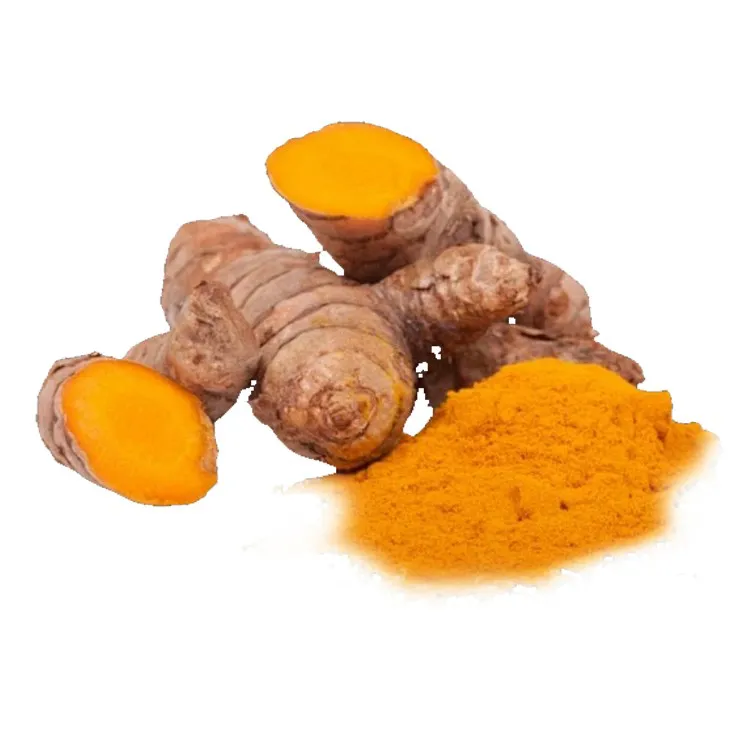
Curcumin is a natural compound that has been the focus of extensive research in recent years. It is derived from the rhizome of the turmeric plant (Curcuma longa). With its bright yellow color, Curcumin has not only been an important part of traditional medicine in many cultures but has also emerged as a compound with a wide range of modern applications.
2. Advantages of Curcumin
2.1 Immune System Modulation
One of the most significant advantages of Curcumin is its ability to modulate the immune system. The immune system is a complex network of cells, tissues, and molecules that defends the body against pathogens. Curcumin can influence various components of the immune system, such as macrophages and lymphocytes.
Macrophages are white blood cells that play a crucial role in the innate immune response. Curcumin can enhance the phagocytic activity of macrophages, which means they are better able to engulf and destroy foreign invaders like bacteria and viruses. Lymphocytes, on the other hand, are part of the adaptive immune response. Curcumin can help regulate the function of T - lymphocytes and B - lymphocytes, ensuring a balanced immune response. This modulation of the immune system can be particularly beneficial in situations where the immune system is either overactive (as in autoimmune diseases) or underactive (as in immunocompromised individuals).

2.2 Analgesic Effects
Curcumin also exhibits analgesic effects, meaning it has the potential to reduce pain. Pain is a complex physiological and psychological experience that can be caused by a variety of factors, including inflammation, nerve damage, and tissue injury. Curcumin's analgesic properties are thought to be related to its anti - inflammatory effects.
Inflammation is often associated with pain, as it leads to the release of various inflammatory mediators that sensitize nerve endings. Curcumin can inhibit the production of these inflammatory mediators, such as prostaglandins and cytokines. By reducing inflammation, Curcumin can effectively decrease pain. Additionally, some studies suggest that Curcumin may also act directly on pain - sensing neurons, modulating their activity and further contributing to its analgesic effects. This makes Curcumin a potential alternative or complementary treatment for pain management, especially for chronic pain conditions where long - term use of traditional painkillers may have unwanted side effects.

2.3 Antioxidant Properties
Another important advantage of Curcumin is its antioxidant activity. The body is constantly exposed to reactive oxygen species (ROS) and free radicals, which are generated during normal metabolic processes as well as due to environmental factors such as pollution, radiation, and cigarette smoke. These ROS and free radicals can cause oxidative damage to cells, including damage to DNA, proteins, and lipids.
Curcumin is a potent antioxidant that can scavenge these harmful ROS and free radicals. It can neutralize them before they have a chance to cause damage to cellular components. By doing so, Curcumin helps protect cells from oxidative stress, which is implicated in many chronic diseases, including cancer, cardiovascular diseases, and neurodegenerative diseases. For example, in the case of neurodegenerative diseases like Alzheimer's and Parkinson's, oxidative stress is thought to play a significant role in the progression of the disease. Curcumin's antioxidant properties may potentially slow down or prevent the development of these diseases by reducing oxidative damage in the brain cells.
3. Applications of Curcumin

3.1 Dietary Supplements
In the dietary supplement market, Curcumin - based products are extremely popular for promoting general well - being. People are increasingly interested in natural remedies to maintain their health and prevent diseases. Curcumin supplements are often marketed as products that can support joint health, improve digestion, and boost the immune system.
For joint health, Curcumin's anti - inflammatory properties can be beneficial for individuals with arthritis or other joint disorders. It may help reduce inflammation in the joints, thereby alleviating pain and improving mobility. In terms of digestion, Curcumin can stimulate the production of bile, which is important for the digestion and absorption of fats. Moreover, as mentioned earlier, its immune - modulating effects can contribute to overall health and well - being. However, it's important to note that the effectiveness of Curcumin supplements may vary depending on factors such as the formulation, dosage, and individual differences in absorption.
3.2 Textile Industry
Curcumin can be used as a natural dye in the textile industry. With the growing demand for sustainable and environmentally friendly products, natural dyes are becoming more attractive. Curcumin's bright yellow color can be used to dye fabrics such as cotton, silk, and wool.
One of the advantages of using Curcumin as a dye is that it is a renewable resource, as it is derived from the turmeric plant. Additionally, compared to some synthetic dyes, Curcumin is generally considered to be less harmful to the environment. However, there are also some challenges associated with using Curcumin as a textile dye. For example, its colorfastness may not be as good as some synthetic dyes, meaning that the color may fade more easily over time. Researchers are currently exploring ways to improve the colorfastness of Curcumin - dyed fabrics through various treatment methods.

3.3 Treatment of Liver Diseases
Curcumin shows great promise in treating liver diseases because of its hepatoprotective qualities. The liver is a vital organ that performs numerous functions in the body, including detoxification, metabolism, and synthesis of proteins. However, the liver is also susceptible to damage from various factors, such as alcohol, drugs, and viral infections.
Curcumin can protect the liver by reducing inflammation and oxidative stress. In cases of alcoholic liver disease, Curcumin can inhibit the activation of hepatic stellate cells, which are responsible for the production of extracellular matrix proteins that lead to liver fibrosis. In viral hepatitis, Curcumin may help modulate the immune response against the virus and protect the liver cells from viral - induced damage. Additionally, Curcumin may also have a role in preventing non - alcoholic fatty liver disease (NAFLD), which is becoming increasingly prevalent due to factors such as obesity and a sedentary lifestyle. By improving lipid metabolism and reducing inflammation in the liver, Curcumin may help prevent the progression of NAFLD to more severe liver diseases such as cirrhosis.
4. Other Potential Applications
Beyond the above - mentioned applications, Curcumin also has potential in other areas. For example, in the field of skincare, Curcumin's antioxidant and anti - inflammatory properties may be useful for treating skin conditions such as acne, psoriasis, and eczema. It can help reduce inflammation in the skin, prevent oxidative damage to skin cells, and potentially promote skin healing.
In cancer research, Curcumin has shown some interesting properties. While it is not a substitute for conventional cancer treatments such as chemotherapy and radiotherapy, it may have a role in complementary therapy. Curcumin can influence various cellular processes involved in cancer development and progression, such as cell proliferation, apoptosis (programmed cell death), and angiogenesis (the formation of new blood vessels that supply tumors). Some studies have suggested that Curcumin may enhance the effectiveness of chemotherapy drugs while reducing their side effects. However, more research is needed to fully understand its potential in cancer treatment.
Another area of interest is in the treatment of neurodegenerative diseases. As mentioned earlier, Curcumin's antioxidant properties can protect brain cells from oxidative damage. In addition, it may also have a role in reducing the aggregation of amyloid - beta peptides, which are implicated in Alzheimer's disease. In Parkinson's disease, Curcumin may help protect dopaminergic neurons, which are the neurons that are progressively lost in this disease. However, the translation of these findings from laboratory studies to clinical applications still faces many challenges, such as the low bioavailability of Curcumin in the body.
5. Challenges and Future Directions
Despite the many potential advantages and applications of Curcumin, there are also several challenges that need to be addressed. One of the major challenges is its low bioavailability. Curcumin is poorly absorbed in the gastrointestinal tract, which means that a large proportion of the ingested Curcumin may not reach the target tissues and cells where it is needed.
To overcome this problem, researchers are exploring various strategies, such as developing new formulations of Curcumin, such as nanoparticle - based formulations or liposomal encapsulation, which can improve its absorption and bioavailability. Another challenge is the need for more high - quality clinical trials. While there are many pre - clinical studies that have shown promising results for Curcumin in various applications, more large - scale, well - designed clinical trials are needed to confirm its effectiveness and safety in humans.
In the future, further research is also needed to fully understand the mechanisms of action of Curcumin at the molecular level. This will help in the development of more targeted and effective Curcumin - based therapies. Additionally, exploring new applications of Curcumin in other fields, such as regenerative medicine or environmental protection, may also be an area of future research interest.
FAQ:
What are the main advantages of Curcumin?
Curcumin has several main advantages. It can modulate the immune system, enhancing the body's defense mechanisms. It also has analgesic effects, which means it may potentially reduce pain.
Why are Curcumin - based products popular in the dietary supplement market?
Curcumin - based products are popular in the dietary supplement market because they are believed to promote general well - being. Curcumin has various beneficial properties that contribute to overall health.
How can Curcumin be used in the textile industry?
In the textile industry, Curcumin can be used as a natural dye. It provides a natural and potentially more environmentally friendly option compared to some synthetic dyes.
What makes Curcumin show promise in treating liver diseases?
Curcumin shows promise in treating liver diseases due to its hepatoprotective qualities. These qualities help protect the liver from damage and may aid in the treatment of liver - related conditions.
Are there any other potential applications of Curcumin?
Yes, apart from its uses in the dietary supplement market, textile industry, and liver disease treatment, Curcumin may have other potential applications. For example, research is being conducted on its potential anti - inflammatory and antioxidant properties in various other health - related areas.
Related literature
TAGS:


-

Citrus bioflavonoids
2025-01-08
-

Cranberry Extract
2025-01-08
-

L-Arginine
2025-01-08
-

Reishi mushroom extract
2025-01-08
-

Withania Somnifera Extract
2025-01-08
-

Yohimbine Bark Extract
2025-01-08
-

Lemon Extract
2025-01-08
-
Curcumin
2025-01-08
-

Kidney Bean Extract
2025-01-08
-

Vitamin K2
2025-01-08