


1. Introduction to Curcumin
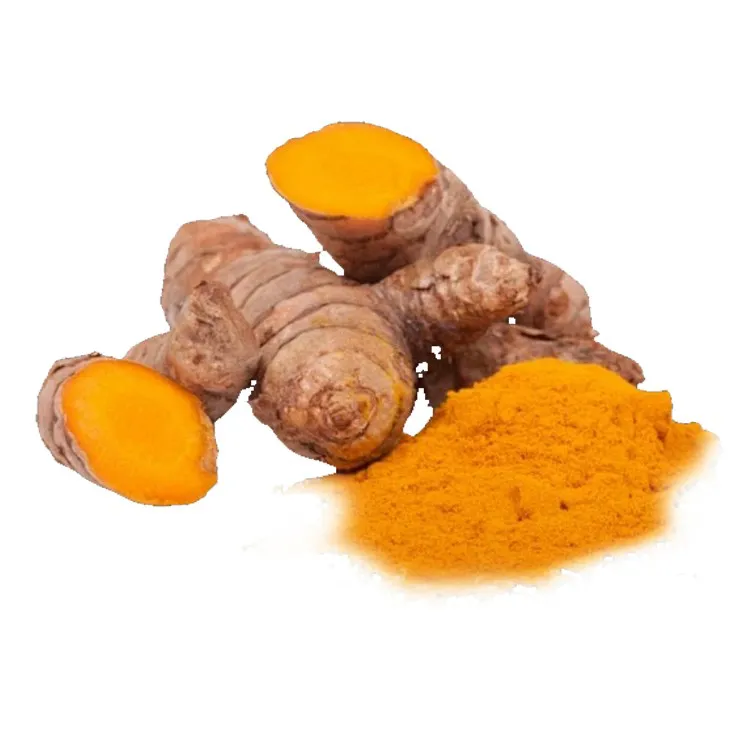
Curcumin is a natural polyphenol compound that is derived from turmeric, a well - known spice in Asian cuisine. It has a distinct yellow color and a unique chemical structure that endows it with a wide range of properties. Turmeric has been used for centuries in traditional medicine, and Curcumin is considered to be one of the major bioactive components responsible for its medicinal effects.
2. The Role of Curcumin in the Medical Field
2.1 Anti - inflammatory Properties
Inflammation is a natural response of the body to injury or infection. However, chronic inflammation can lead to various diseases such as arthritis, cardiovascular diseases, and even cancer. Curcumin has been shown to possess strong anti - inflammatory properties. It can inhibit the activation of certain inflammatory signaling pathways, such as the NF - κB (nuclear factor kappa - light - chain - enhancer of activated B cells) pathway. By suppressing the production of pro - inflammatory cytokines like interleukin - 1β (IL - 1β), interleukin - 6 (IL - 6), and tumor necrosis factor - α (TNF - α), Curcumin helps to reduce inflammation in the body.

2.2 Antioxidant Properties
Oxidative stress occurs when there is an imbalance between the production of reactive oxygen species (ROS) and the body's antioxidant defense mechanisms. ROS can damage cells, proteins, and DNA, contributing to the development of many diseases, including neurodegenerative disorders and cancer. Curcumin is a powerful antioxidant that can scavenge free radicals, such as superoxide anions, hydroxyl radicals, and peroxyl radicals. It also has the ability to upregulate the expression of antioxidant enzymes like superoxide dismutase (SOD), catalase (CAT), and glutathione peroxidase (GPx), thereby enhancing the body's antioxidant defense system.

2.3 Potential Anticancer Properties
While more research is needed, Curcumin has shown potential in cancer prevention and treatment. It can interfere with multiple aspects of cancer cell behavior. For example, Curcumin can induce apoptosis (programmed cell death) in cancer cells. It also inhibits cancer cell proliferation by blocking cell cycle progression at various checkpoints. Additionally, Curcumin has anti - angiogenic properties, which means it can prevent the formation of new blood vessels that are necessary for tumor growth and metastasis. Some studies have also suggested that Curcumin may enhance the effectiveness of chemotherapy and radiotherapy while reducing their side effects.
3. The Role of Curcumin in the Food Industry

3.1 As a Natural Colorant
One of the most prominent uses of Curcumin in the food industry is as a natural colorant. The bright yellow color of Curcumin makes it an ideal alternative to synthetic food dyes. It is used in a variety of food products, including but not limited to:
- Mustard: Gives mustard its characteristic yellow color.
- Pickles: Adds a natural yellow hue to pickles.
- Cheese: Some types of cheese use Curcumin for coloring.
- Beverages: Can be used in certain non - alcoholic and alcoholic beverages for coloring purposes.
4. The Role of Curcumin in the Cosmetics Industry
4.1 Skin Health Improvement
Curcumin has several beneficial effects on skin health. Its antioxidant properties help protect the skin from oxidative damage caused by environmental factors such as UV radiation and pollution. This can slow down the aging process of the skin, reducing the appearance of wrinkles and fine lines.
- Anti - inflammatory effects: It can soothe irritated skin, making it useful for treating skin conditions like acne, eczema, and psoriasis.
- Wound healing: Curcumin has been shown to promote wound healing by enhancing collagen synthesis and angiogenesis at the wound site.
5. Challenges and Future Perspectives

5.1 Bioavailability
One of the major challenges associated with Curcumin is its low bioavailability. Curcumin has poor solubility in water and is rapidly metabolized in the body, which limits its effectiveness. Researchers are exploring different strategies to improve its bioavailability, such as encapsulation in nanoparticles, formulation with lipids, or combination with other substances that can enhance its absorption.
5.2 Standardization
In the context of its use in different industries, standardization of Curcumin is crucial. There is a need for consistent quality control measures to ensure that the Curcumin used in medical, food, and cosmetic applications meets the required purity and potency levels. This will require the development of standardized extraction methods, quality assessment protocols, and regulatory guidelines.
5.3 Future Research
Despite the extensive research on Curcumin, there are still many areas that need further investigation. For example, more clinical trials are needed to fully establish its efficacy in the treatment of various diseases. Additionally, research on new applications of Curcumin in emerging fields such as nutraceuticals and functional foods is warranted. The development of novel delivery systems to overcome the bioavailability issue will also be an important area of future research.
6. Conclusion
Curcumin is a remarkable compound with diverse applications in the medical, food, and cosmetics industries. Its anti - inflammatory, antioxidant, and potential anticancer properties make it a valuable ingredient in medicine. In the food industry, it serves as a natural and safe colorant, and in cosmetics, it offers multiple benefits for skin health. However, challenges such as low bioavailability and the need for standardization need to be addressed. With continued research and innovation, Curcumin has the potential to play an even more significant role in various industries in the future.
FAQ:
What are the anti - inflammatory mechanisms of Curcumin in the medical field?
Curcumin can regulate various signaling pathways related to inflammation. It can inhibit the activation of NF - κB (nuclear factor kappa - light - chain - enhancer of activated B cells), which is a key regulator of inflammation - related genes. By suppressing NF - κB, Curcumin reduces the production of pro - inflammatory cytokines such as TNF - α (tumor necrosis factor - alpha), IL - 1β (interleukin - 1 beta), and IL - 6 (interleukin - 6). Additionally, Curcumin can also interact with other molecules involved in the inflammatory response, such as COX - 2 (cyclooxygenase - 2), and modulate their activity to exert its anti - inflammatory effects.
How does Curcumin act as an antioxidant?
Curcumin has antioxidant properties due to its chemical structure. It can scavenge free radicals, which are highly reactive molecules that can cause damage to cells and tissues. The phenolic hydroxyl groups in Curcumin are able to donate electrons to neutralize free radicals, preventing them from oxidizing other molecules. Moreover, Curcumin can enhance the activity of antioxidant enzymes in the body, such as superoxide dismutase (SOD), catalase (CAT), and glutathione peroxidase (GPx), which play important roles in the body's antioxidant defense system.
What evidence supports Curcumin's potential anticancer properties?
There are several lines of evidence. In vitro studies have shown that Curcumin can inhibit the growth and proliferation of various cancer cell lines. It can induce cell cycle arrest, which means it stops cancer cells from dividing. For example, it can interfere with the G1/S or G2/M checkpoints in the cell cycle. Curcumin also promotes apoptosis (programmed cell death) in cancer cells by modulating various apoptotic pathways. In vivo studies in animal models have also demonstrated that Curcumin can suppress tumor growth. However, more clinical trials are needed to fully establish its effectiveness as an anticancer agent in humans.
How is Curcumin used as a natural colorant in the food industry?
Curcumin gives a characteristic yellow - orange color. It is extracted from turmeric and can be added to food products to enhance their color. It is used in a variety of food items such as curries, mustard, and some baked goods. Curcumin is a safe and natural alternative to synthetic colorants. It is stable under certain conditions, but its color may be affected by factors like pH and light exposure. Food manufacturers need to consider these factors when using Curcumin as a colorant.
What are the ways Curcumin aids in skin health improvement in cosmetics?
Curcumin has antioxidant and anti - inflammatory properties that are beneficial for skin health. It can protect the skin from oxidative stress caused by environmental factors such as UV radiation and pollution. By reducing inflammation, it can help with skin conditions like acne, eczema, and psoriasis. Curcumin can also promote collagen synthesis, which is important for maintaining skin elasticity and firmness. Some cosmetic products contain Curcumin in the form of creams, lotions, or serums.
Related literature
TAGS:


-

Bayberry Extract
2024-12-21
-

Angelica sinensis extract
2024-12-21
-

White Willow Bark Extract
2024-12-21
-

L-Tyrosine
2024-12-21
-

Oat Straw Extract Powder
2024-12-21
-

Mangosteen extract powder
2024-12-21
-

Polygonum Cuspidatum Extract
2024-12-21
-

Kidney Bean Extract
2024-12-21
-

Fig Extract
2024-12-21
-

Bilberry Extract
2024-12-21