


1. Introduction
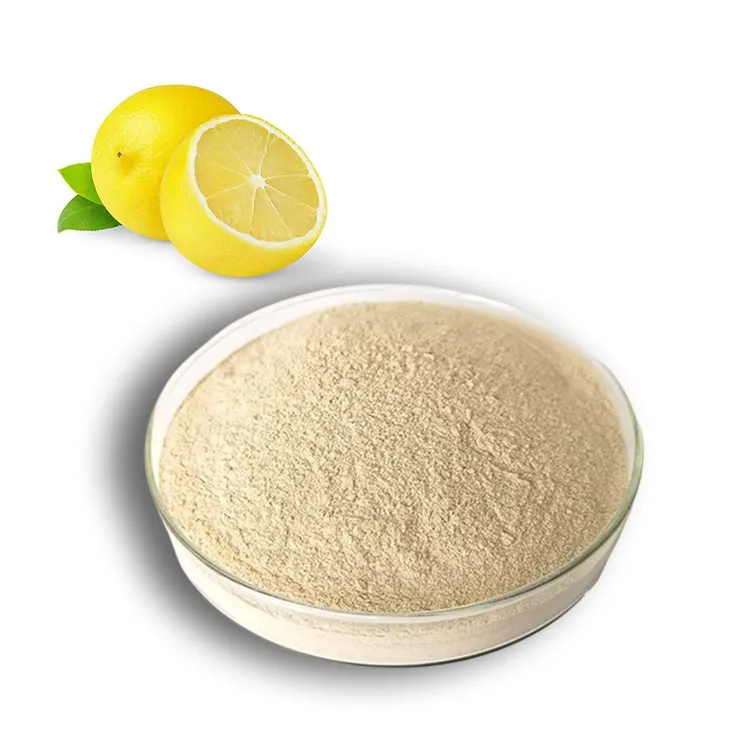
Lemon Extract has emerged as a remarkable natural substance with a wide array of applications. Derived from lemons (Citrus limon), it is a reservoir of various bioactive compounds that make it highly valuable in multiple industries. Lemons are well - known for their refreshing taste and characteristic aroma, and these qualities are effectively harnessed in the form of Lemon Extract. The increasing demand for natural and healthy products has further propelled the development and utilization of Lemon Extract.
2. Bioactive Compounds in Lemon Extract
Lemon Extract is rich in several important bioactive compounds:
- Citric acid: This is one of the most prominent components. Citric acid not only imparts a tangy flavor but also has antioxidant properties. It can act as a natural preservative in food products, inhibiting the growth of bacteria and fungi.
- Flavonoids: Such as Hesperidin and naringin. Flavonoids are known for their antioxidant, anti - inflammatory, and anti - cancer potential. They help in protecting cells from oxidative stress and can have a positive impact on overall health.
- Essential oils: Lemon essential oils are responsible for the characteristic aroma of lemons. They contain compounds like limonene, which has antimicrobial and antifungal properties. These essential oils are widely used in aromatherapy and cosmetic products for their pleasant smell and potential health benefits.
3. Development of Lemon Extract Products
3.1 Extraction Methods
There are several methods for extracting Lemon Extract:
- Solvent extraction: This involves using solvents such as ethanol or ethyl acetate to dissolve the bioactive compounds from the lemon peel or pulp. The solvent is then removed through evaporation, leaving behind the concentrated extract. However, it is crucial to ensure that all traces of the solvent are removed to meet safety standards.
- Steam distillation: Commonly used for extracting essential oils from lemons. Steam is passed through the lemon material, and the volatile compounds are carried along with the steam. The mixture is then condensed, and the essential oil is separated from the water. This method is effective for obtaining the aromatic components of lemons.
- Press extraction: In this method, the lemons are mechanically pressed to extract the juice, which can then be further processed to obtain the extract. This is a relatively simple and natural method, but it may not be as efficient in extracting all the bioactive compounds as the other methods.
3.2 Standardization and Quality Control
To ensure the consistency and quality of Lemon Extract products, standardization and quality control measures are essential. These include:
- Determining the concentration of key bioactive compounds such as citric acid and flavonoids. This can be done through various analytical techniques like high - performance liquid chromatography (HPLC).
- Testing for contaminants such as pesticides, heavy metals, and microbial contaminants. Any presence of these contaminants can pose a risk to human health and must be within acceptable limits.
- Ensuring the stability of the extract over time. This may involve packaging in appropriate containers and storing under suitable conditions to prevent degradation of the bioactive compounds.
4. Applications of Lemon Extract Products

4.1 Food and Beverage Industry
The food and beverage industry is one of the major sectors where Lemon Extract is widely used:
- Flavor enhancer: Lemon Extract adds a fresh, tangy, and citrusy flavor to a variety of products. It is commonly used in soft drinks, juices, jams, and confectionery items. For example, in lemon - flavored sodas, the extract provides the characteristic lemon taste that consumers love.
- Natural preservative: As mentioned earlier, citric acid in Lemon Extract has preservative properties. It can be used to extend the shelf - life of food products, especially in acidic foods like pickles and salad dressings.
- Acidulant: In baking and food processing, Lemon Extract can be used as an acidulant to adjust the pH. It can also enhance the leavening process in baking by reacting with baking soda.

4.2 Cosmetic Industry
Lemon Extract has found significant applications in the cosmetic industry due to its beneficial properties:
- Antioxidant effects: The flavonoids and other bioactive compounds in Lemon Extract help in protecting the skin from free - radical damage. This can slow down the aging process, reduce wrinkles, and improve the overall skin texture.
- Antibacterial and antifungal properties: These properties make Lemon Extract suitable for use in acne - fighting products. It can help in killing the bacteria that cause acne and prevent fungal infections on the skin.
- Whitening and brightening: Lemon Extract is often used in skin - whitening products as it can help in reducing the appearance of dark spots and hyperpigmentation. However, it should be used with caution as it may cause skin irritation in some individuals.

4.3 Pharmaceutical Industry
The pharmaceutical industry is also exploring the potential of Lemon Extract for various therapeutic applications:
- Digestive health: Citric acid in Lemon Extract can stimulate the production of digestive juices, helping with digestion. It may also be beneficial for relieving symptoms of indigestion and heartburn.
- Antioxidant and anti - inflammatory properties: The flavonoids and other antioxidants in Lemon Extract may have potential in treating inflammatory diseases. They can help in reducing inflammation in the body and protecting cells from oxidative damage.
- Antimicrobial activity: Some studies suggest that Lemon Extract may have antimicrobial activity against certain pathogens. This could potentially be developed into new antimicrobial drugs in the future.
5. Conclusion
In conclusion, Lemon Extract products have come a long way in terms of development and application. With its rich source of bioactive compounds, it has found uses in the food and beverage, cosmetic, and pharmaceutical industries. The development processes, from extraction methods to quality control, have been refined to ensure the production of high - quality and safe products. As research continues, it is likely that more applications of Lemon Extract will be discovered, further expanding its role in various industries. However, it is also important to note that proper safety evaluations and regulatory compliance are necessary to ensure the safe use of Lemon Extract products.
FAQ:
What are the main bioactive compounds in Lemon Extract?
Lemon Extract is rich in bioactive compounds such as citric acid, flavonoids, and phenolic compounds. Citric acid gives lemons their characteristic sour taste and also has antioxidant properties. Flavonoids and phenolic compounds contribute to the antioxidant, antibacterial, and anti - inflammatory activities of Lemon Extract.
How does Lemon Extract enhance the flavor in food and beverage products?
Lemon Extract contains volatile compounds that give it a characteristic fresh and tangy smell and taste. When added to food and beverage products, these compounds enhance the overall flavor profile. The acidity of Lemon Extract can also balance the sweetness or richness in certain products, making the flavor more complex and appealing.
What are the specific antioxidant benefits of Lemon Extract in cosmetics?
In cosmetics, the antioxidant properties of Lemon Extract help protect the skin from damage caused by free radicals. Free radicals are unstable molecules that can damage skin cells, leading to premature aging, wrinkles, and other skin problems. Lemon Extract can neutralize these free radicals, reducing oxidative stress on the skin and helping to maintain a healthy complexion.
Can you give some examples of the therapeutic uses of Lemon Extract in the pharmaceutical realm?
Lemon Extract has shown potential in various therapeutic uses. For example, its antibacterial properties may be useful in treating skin infections. It may also have anti - inflammatory effects that could be beneficial for conditions such as arthritis. Additionally, some studies suggest that certain compounds in Lemon Extract may have anticancer properties, although more research is needed in this area.
How is Lemon Extract produced?
Lemon Extract is typically produced through processes such as cold - pressing or solvent extraction. Cold - pressing involves mechanically squeezing the lemons to extract the juice, which contains the bioactive compounds. Solvent extraction may use solvents like ethanol to extract the desired compounds from the lemon peel or other parts of the lemon. The resulting extract is then purified and concentrated for use in various products.
Related literature
- The Chemical Composition and Bioactivity of Lemon Extract"
- "Lemon Extract in Cosmetics: A Review of its Benefits"
- "Therapeutic Potential of Lemon - Derived Compounds"


-

L-Tyrosine
2025-01-09
-

Red Date Extract
2025-01-09
-
Lemon Extract
2025-01-09
-

Hericium erinaceus extract powder
2025-01-09
-

Hops Extract
2025-01-09
-

Olive leaf extract
2025-01-09
-

Clove Powder
2025-01-09
-

Avocado Extract Powder
2025-01-09
-

Troxerutin
2025-01-09
-

American Ginseng Root Extract
2025-01-09