


1. Introduction
Lemon Extracts, whether food - grade or cosmetic - grade, are products that harness the essence of lemons. However, their end uses are distinct, which leads to several differences between them. Understanding these differences is crucial for various industries, including food, cosmetics, and regulatory bodies.
2. Purpose and Application
2.1 Food - grade Lemon Extract
The primary purpose of food - grade Lemon Extract is to add flavor to food and beverages. It is commonly used in baking, confectionery, and beverage production. For example, it can be added to cakes, cookies, and lemonade to impart a refreshing lemon flavor. In the food industry, it is an essential ingredient for creating a wide range of lemon - flavored products. The food - grade extract must blend well with other ingredients without overpowering the overall taste of the product.
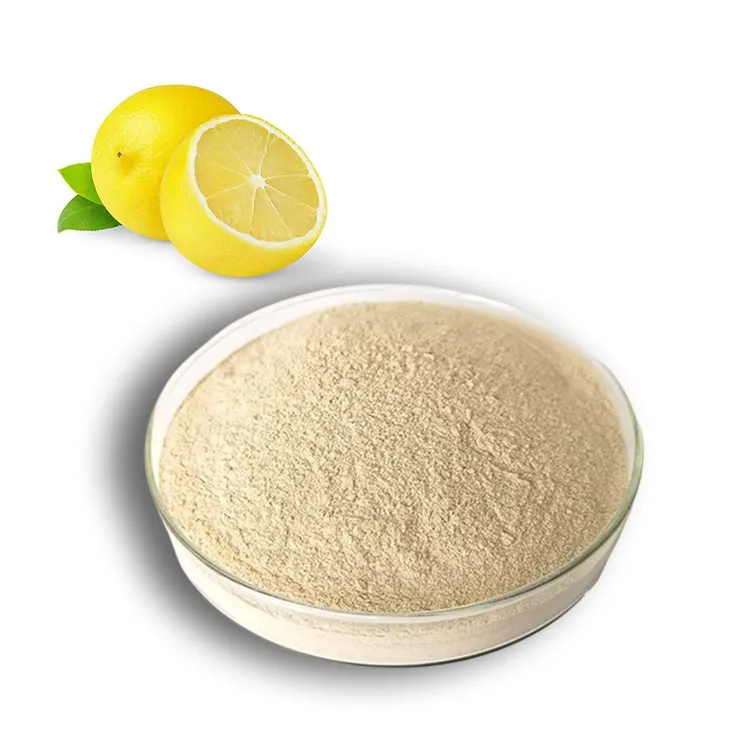
2.2 Cosmetic - grade Lemon Extract
Cosmetic - grade Lemon Extract, on the other hand, is designed for use in skin - care products. It can be found in items such as face creams, body lotions, and exfoliating scrubs. The extract is incorporated into these products due to its potential benefits for the skin. For instance, it may be used for its antioxidant properties to help protect the skin from environmental damage or for its exfoliating abilities, which can help to remove dead skin cells and improve skin texture.
3. Composition

3.1 Food - grade Lemon Extract
Food - grade Lemon Extract typically contains a high concentration of natural flavor compounds. These include terpenes, which are responsible for the characteristic lemon aroma, and esters, which contribute to the flavor. The extract also contains small amounts of acids, such as citric acid, which add a touch of tartness. However, the composition is carefully regulated to ensure that it is safe for consumption. For example, any potential contaminants or allergens must be removed or present in extremely low levels.

3.2 Cosmetic - grade Lemon Extract
Cosmetic - grade Lemon Extract may have a different composition profile. While it also contains some of the flavor - related compounds for a pleasant scent, it may be more focused on components that are beneficial for the skin. This includes antioxidants like Vitamin C and flavonoids. Additionally, it may contain higher levels of certain acids, such as alpha - hydroxy acids (AHAs), which are used for exfoliation. However, these components must also be carefully balanced to ensure that they do not cause irritation or harm to the skin.
4. Manufacturing Process

4.1 Food - grade Lemon Extract
The manufacturing process of food - grade Lemon Extract is designed to produce a pure and safe flavoring agent. First, high - quality lemons are carefully selected. Then, the peel and/or juice of the lemons are processed through extraction methods such as cold - pressing or steam distillation. The extracted liquid is then purified to remove any impurities, such as pulp or seeds. After purification, the extract may be concentrated to increase the flavor intensity. Throughout the process, strict quality control measures are in place to ensure that the extract meets food safety standards. For example, the manufacturing facility must adhere to good manufacturing practices (GMP) and the final product is tested for contaminants, such as heavy metals and pesticides.
4.2 Cosmetic - grade Lemon Extract
For cosmetic - grade Lemon Extract, the manufacturing process also starts with the selection of suitable lemons. However, the extraction methods may be different. In some cases, more gentle extraction techniques are used to preserve the integrity of the skin - beneficial components. After extraction, the liquid may be further processed to isolate specific components, such as antioxidants or AHAs. The manufacturing process must also comply with cosmetic - specific quality and safety standards. This includes testing for skin irritation potential and ensuring that the product is free from harmful substances, such as certain preservatives that may be restricted in cosmetics.
5. Quality and Safety Standards
5.1 Food - grade Lemon Extract
Food - grade Lemon Extract is subject to strict food safety regulations. In many countries, regulatory bodies such as the Food and Drug Administration (FDA) in the United States set standards for its production, labeling, and use. These standards cover aspects such as the purity of the extract, the allowable levels of additives, and the proper labeling of ingredients. For example, if the extract contains any allergens, such as citrus allergens, it must be clearly labeled on the product packaging. Additionally, the manufacturing facility must be regularly inspected to ensure compliance with food safety requirements.
5.2 Cosmetic - grade Lemon Extract
Cosmetic - grade Lemon Extract is regulated under cosmetic regulations. Different regions may have their own regulatory frameworks. For example, in the European Union, the Cosmetics Regulation sets out requirements for the safety assessment, ingredient listing, and labeling of cosmetic products containing Lemon Extract. The safety of the extract for use on the skin must be evaluated through appropriate tests, such as in - vitro and in - vivo tests. The extract must also be free from substances that are prohibited in cosmetics, such as certain carcinogens or mutagens.
6. Packaging and Shelf - life
6.1 Food - grade Lemon Extract
Food - grade Lemon Extract is typically packaged in containers that are suitable for food products. This may include glass bottles or food - grade plastic containers. The packaging is designed to protect the extract from light, air, and moisture, which can affect its flavor and quality. The shelf - life of food - grade Lemon Extract can vary depending on the formulation and packaging. Generally, it has a relatively long shelf - life when stored properly, but it may start to lose its flavor intensity over time.
6.2 Cosmetic - grade Lemon Extract
Cosmetic - grade Lemon Extract is packaged in containers that are appropriate for cosmetic use. This often includes opaque or tinted bottles to protect the extract from light, which can degrade its active components. The shelf - life of cosmetic - grade Lemon Extract is also determined by factors such as the formulation and packaging. However, it may have a shorter shelf - life compared to food - grade extract, especially if it contains active ingredients that are more sensitive to environmental factors.
7. Pricing
7.1 Food - grade Lemon Extract
The price of food - grade Lemon Extract can be influenced by factors such as the quality of the lemons used, the extraction method, and the volume of production. Generally, it is relatively affordable compared to cosmetic - grade extract, as the production scale in the food industry is often larger. The cost also needs to be competitive to be used in a wide range of food products without significantly increasing the production cost.
7.2 Cosmetic - grade Lemon Extract
Cosmetic - grade Lemon Extract may be more expensive due to several reasons. First, the extraction and processing methods may be more specialized to preserve the skin - beneficial components. Second, the quality and safety requirements for cosmetics are often more stringent, which can increase the production cost. Additionally, the volume of production for cosmetic - grade extract may be smaller compared to food - grade extract, leading to higher per - unit costs.
8. Conclusion
In conclusion, food - grade and cosmetic - grade Lemon Extracts have significant differences in terms of purpose, composition, manufacturing process, quality and safety standards, packaging, shelf - life, and pricing. These differences are a result of their distinct end - uses in the food and cosmetic industries. Understanding these differences is important for producers, consumers, and regulatory bodies alike. Producers need to ensure that they meet the appropriate standards for their specific product type, consumers can make informed choices based on their needs, and regulatory bodies can effectively oversee the production and use of these extracts.
FAQ:
What are the main uses of food - grade Lemon Extract?
Food - grade Lemon Extract is mainly used for flavoring in the food industry. It contains natural flavor compounds that enhance the taste of food products.
What are the main uses of cosmetic - grade Lemon Extract?
Cosmetic - grade Lemon Extract is formulated for skin - related products. It focuses more on components beneficial for skin, such as antioxidants and certain acids for exfoliation.
Are the safety regulations the same for food - grade and cosmetic - grade Lemon Extracts?
No. Food - grade Lemon Extract has strict regulations on safety for ingestion, while cosmetic - grade Lemon Extract has to meet different quality and safety standards for skin - related applications.
Do food - grade and cosmetic - grade Lemon Extracts have the same components?
No. Although both are derived from lemons, food - grade focuses on flavor - enhancing components for food, while cosmetic - grade focuses more on components beneficial for skin.
How do the manufacturing processes of food - grade and cosmetic - grade Lemon Extracts differ?
Their manufacturing processes vary to meet different quality and safety standards for their respective applications. For example, food - grade needs to ensure safety for ingestion, while cosmetic - grade needs to meet requirements for skin - related products.
Related literature
- Analysis of Lemon Extracts in Food and Cosmetic Applications"
- "Safety and Quality Standards of Lemon Extracts: Food - grade vs Cosmetic - grade"


-

Vitamin C
2024-12-21
-

Vitamin D3
2024-12-21
-

Curcumin
2024-12-21
-

Baicalin
2024-12-21
-

Motherwort Extract
2024-12-21
-

Acai Berry Extract
2024-12-21
-

Bromelain
2024-12-21
-

Phyllanthus Emblica Extract
2024-12-21
-

Fenugreek Extract Powder
2024-12-21
-

Rosemary extract
2024-12-21