


1. Introduction
White mustard seed extracts have found applications in both the food and cosmetic industries. However, the requirements and characteristics of these extracts vary depending on whether they are intended for food - grade or cosmetic - grade use. This article will explore the differences between these two types of White mustard seed extracts in detail.
2. End - use Applications
2.1 Food - grade Applications
Food - grade White mustard seed extract is primarily used in the food industry. It can be added to various food products such as sauces, dressings, and processed meats. In these applications, the extract serves not only as a flavor enhancer but also as a source of certain nutrients. For example, it can contribute to the overall protein content of a food product. Additionally, it may be used in traditional or ethnic cuisines to impart a characteristic mustard flavor.
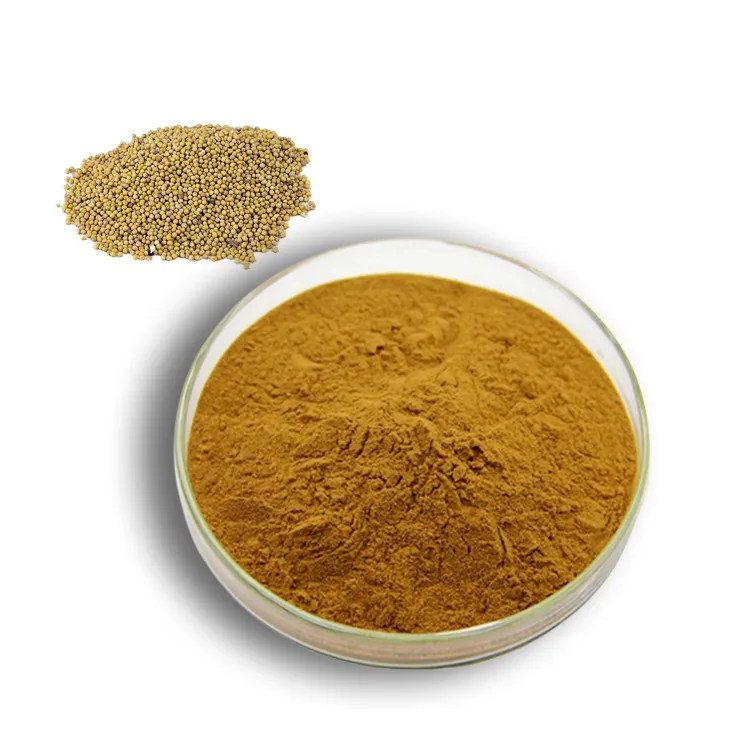
2.2 Cosmetic - grade Applications
Cosmetic - grade White mustard seed extract is designed for use in cosmetics. It is often incorporated into skincare products like creams, lotions, and serums. The main functions in cosmetics are related to skin health. For instance, it can be used for its antioxidant properties, which help protect the skin from damage caused by free radicals. It may also have anti - inflammatory effects, which can be beneficial for reducing skin redness and irritation. Moreover, it can act as a skin - conditioning agent, improving the overall texture and appearance of the skin.
3. Composition and Nutritional Considerations
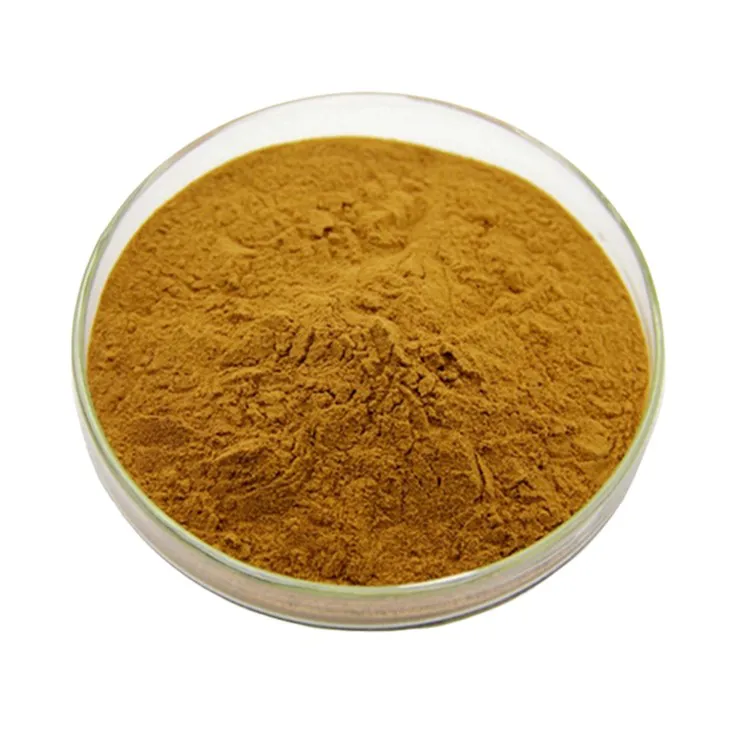
3.1 Food - grade Composition
When it comes to food - grade White mustard seed extract, the focus is on retaining nutritional components that are important for human consumption. This includes proteins, which are essential for building and repairing tissues in the body. Vitamins, such as Vitamin C, vitamin E, and various B - vitamins, may also be present in the extract. These vitamins play crucial roles in maintaining good health, for example, Vitamin C is important for the immune system, and vitamin E is an antioxidant. Additionally, minerals like potassium, magnesium, and calcium can be part of the food - grade extract. These minerals are involved in various physiological functions in the body, such as muscle contraction and nerve function.
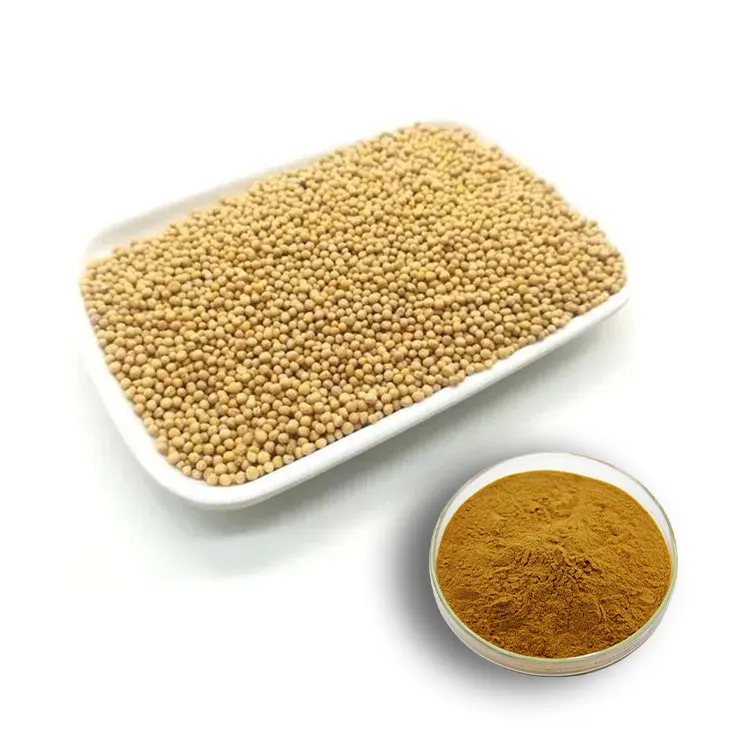
3.2 Cosmetic - grade Composition
Cosmetic - grade White mustard seed extract may not be as concerned with overall nutritional value as food - grade extract. Instead, it is more about the presence of specific compounds that have beneficial effects on the skin. For example, certain phenolic compounds in the extract may be responsible for its antioxidant and anti - inflammatory properties. These phenolic compounds can scavenge free radicals and reduce oxidative stress on the skin. Other bioactive compounds may play a role in promoting skin cell turnover or enhancing the skin's natural barrier function.
4. Extraction Methods

4.1 Food - grade Extraction
Food - grade extraction of White mustard seed extract may prioritize gentle methods. This is to ensure that the properties suitable for food use are preserved. For example, cold - pressing or low - temperature extraction methods may be used. These methods are less likely to cause degradation of heat - sensitive nutrients such as vitamins. Additionally, the extraction process may be designed to minimize the introduction of unwanted chemicals or contaminants. The goal is to obtain an extract that can be safely added to food products without posing any health risks.
4.2 Cosmetic - grade Extraction
Cosmetic - grade extraction, on the other hand, might be more concerned with isolating active compounds for skin benefits. This could involve more complex extraction procedures. For instance, solvent extraction using specific organic solvents may be employed to target and isolate the desired bioactive compounds. Supercritical fluid extraction is also a possibility, which can be effective in separating and purifying compounds with specific properties. However, these methods need to ensure that the final extract is safe for use on the skin and does not cause any adverse reactions.
5. Quality Control
5.1 Food - grade Quality Control
For food - grade White mustard seed extract, quality control is extremely strict. There are specific standards regarding the purity of the extract. It must be free from harmful substances such as heavy metals (e.g., lead, mercury), pesticides, and mycotoxins. Microbiological safety is also a crucial aspect. The extract should have a low microbial count to prevent foodborne illnesses. Nutritional content analysis is an important part of quality control. This ensures that the extract contains the expected levels of proteins, vitamins, and minerals as claimed on the label.
5.2 Cosmetic - grade Quality Control
Cosmetic - grade quality control also has its own set of requirements. In addition to being free from harmful substances like heavy metals and pesticides, the extract must be tested for skin compatibility. This involves conducting various in - vitro and in - vivo tests to ensure that it does not cause skin irritation, allergic reactions, or other adverse effects. The stability of the extract in different cosmetic formulations needs to be evaluated. This is to ensure that the active properties of the extract are maintained over the shelf - life of the cosmetic product.
6. Regulatory Standards
6.1 Food - grade Regulatory Standards
Food - grade White mustard seed extract is subject to strict food - related regulations. These regulations vary from country to country but generally cover aspects such as food safety, labeling requirements, and maximum allowable levels of additives. For example, in the European Union, there are specific regulations regarding the use of food additives, including extracts. The extract must be approved for use in food and comply with all relevant safety and quality standards. In the United States, the Food and Drug Administration (FDA) has its own set of regulations governing food ingredients, and White mustard seed extract used in food must meet these requirements.
6.2 Cosmetic - grade Regulatory Standards
Cosmetic - grade White mustard seed extract is regulated under cosmetic regulations. In many countries, cosmetic products are required to be safe for use on the skin. Regulatory agencies may require manufacturers to conduct safety assessments before marketing a product containing the extract. For example, in the European Union, the Cosmetics Regulation sets out requirements for the safety assessment, labeling, and notification of cosmetic products. In the United States, the FDA has regulations for cosmetics, although the regulatory framework is different from that for food. Manufacturers need to ensure that their cosmetic - grade White mustard seed extract - containing products comply with these regulations.
7. Pricing and Market Availability
7.1 Food - grade Pricing and Availability
The pricing of food - grade White mustard seed extract can be influenced by factors such as the cost of raw materials, extraction methods, and production volume. Generally, if the extraction method is more complex or requires higher - quality raw materials, the price may be higher. However, due to the relatively large market for food - grade extracts in the food industry, they are often more widely available. They can be sourced from food ingredient suppliers, both locally and internationally.
7.2 Cosmetic - grade Pricing and Availability
Cosmetic - grade White mustard seed extract may be more expensive compared to food - grade extract. This is because the extraction methods for cosmetic - grade extracts are often more specialized and the quality control requirements are higher. Additionally, the market for cosmetic - grade extracts is relatively smaller compared to the food - grade market. They are typically available from cosmetic ingredient suppliers, and the availability may be more limited, especially for high - quality, pure extracts.
8. Conclusion
In conclusion, food - grade and cosmetic - grade White mustard seed extracts are clearly different in many aspects. Their end - use applications, composition, extraction methods, quality control, regulatory standards, pricing, and market availability all vary significantly. Understanding these differences is crucial for manufacturers, suppliers, and consumers in both the food and cosmetic industries. It ensures that the appropriate type of extract is used for the intended purpose, whether it is to enhance the flavor and nutrition of food or to improve the health and appearance of the skin in cosmetics.
FAQ:
What are the main differences in application between food - grade and cosmetic - grade White mustard seed extracts?
Food - grade White mustard seed extract is mainly applied in the food industry. It is used to add nutritional value to food products, taking advantage of its beneficial nutritional components such as proteins, vitamins, and minerals. Cosmetic - grade White mustard seed extract, on the other hand, is used in cosmetics. It is utilized for its antioxidant, anti - inflammatory, and skin - conditioning properties to improve the quality of the skin.
Do the extraction methods of food - grade and cosmetic - grade White mustard seed extracts differ?
Yes, they do. Food - grade extraction usually focuses on gentle methods to preserve food - friendly properties. This is important as it is meant for consumption. Cosmetic - grade extraction, however, is more concerned with isolating active compounds that are beneficial for the skin. This is to enhance the cosmetic effects of the extract.
What are the differences in quality control between food - grade and cosmetic - grade White mustard seed extracts?
The quality control for food - grade White mustard seed extract is mainly centered around ensuring its safety for consumption. It needs to meet strict food safety standards regarding the presence of contaminants, proper preservation of nutritional components, etc. For cosmetic - grade White mustard seed extract, quality control is more about ensuring the stability and effectiveness of the active compounds for skin application. It also has to meet cosmetic - specific regulations regarding purity and safety.
Are the regulatory standards for food - grade and cosmetic - grade White mustard seed extracts the same?
No, they are not. Food - grade White mustard seed extract has to comply with food - related regulations which are mainly focused on safety for human consumption. These regulations govern aspects like ingredient sourcing, processing methods, and labeling. Cosmetic - grade White mustard seed extract is subject to cosmetic regulations which are more concerned with product safety for skin application, as well as claims made about the product's benefits.
Can cosmetic - grade White mustard seed extract be used in food products?
Generally, no. Cosmetic - grade White mustard seed extract is formulated for use in cosmetics and may not meet the strict safety and nutritional requirements for food products. It may contain substances or be processed in a way that is not suitable for consumption. Food - grade White mustard seed extract, which is designed for food use, should be used in food products instead.
Related literature
- The Extraction and Application of Mustard Seed Extracts in Food and Cosmetics"
- "White mustard seed extract: Understanding the Differences between Food - Grade and Cosmetic - Grade"
- "Quality Control and Regulatory Aspects of Mustard Seed Extracts in Different Industries"


-

Panax Ginseng Leaf Extract
2025-02-10
-

Thunder God Vine Extract
2025-02-10
-

Bitter Melon Extract
2025-02-10
-

Reishi mushroom extract
2025-02-10
-

Giant Knotweed Extract
2025-02-10
-

Scutellaria Extract
2025-02-10
-

Echinacea Extract
2025-02-10
-

Tinospora cordifolia extract
2025-02-10
-

Maca Extract
2025-02-10
-

Nettle leaf extract
2025-02-10