


Introduction
Yam Extract has emerged as a highly sought - after ingredient in a diverse range of industries. Pharmaceuticals, cosmetics, and food supplements are among the sectors that have recognized the value of Yam Extract. This article aims to explore the ways to find cost - effective and reliable sources of Yam Extract.
Types of Yam Extracts
Dioscorea opposita
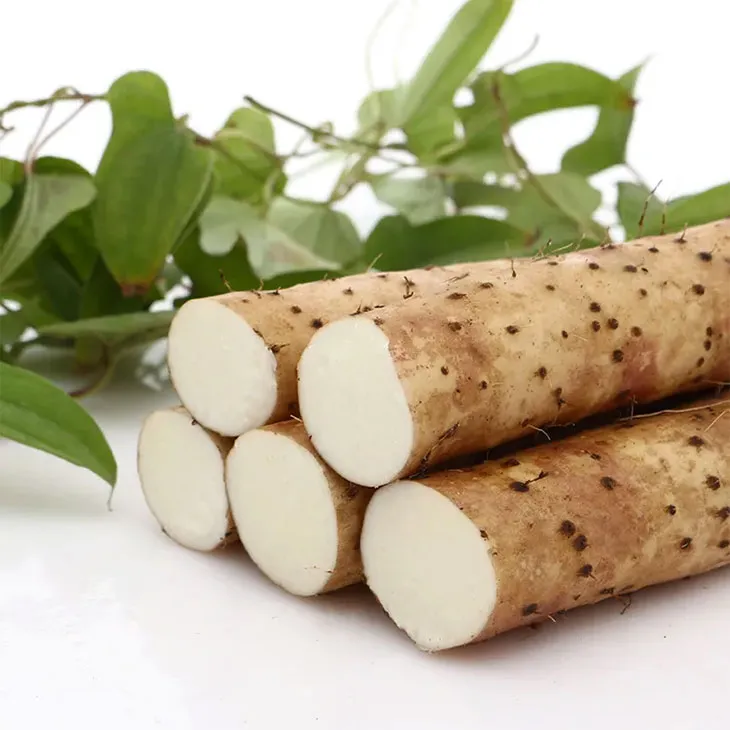
One of the most commonly used types of Yam Extract is derived from Dioscorea opposita. This variety has certain properties that make it suitable for various applications. For example, in traditional medicine, it has been associated with certain health - promoting effects. In the pharmaceutical industry, it may be used in the development of drugs related to metabolic disorders or as an ingredient in herbal remedies. In cosmetics, it can contribute to skin - enhancing properties such as hydration and anti - aging effects. In food supplements, it can be a source of nutrients like vitamins and minerals.

Other Varieties
There are also other types of Yam Extracts from different yam species. Each variety may have its own unique chemical composition and potential benefits. Some may be rich in specific bioactive compounds, such as certain polysaccharides or phenolic compounds. These differences can influence their suitability for different end - uses. For instance, a Yam Extract rich in polysaccharides may be more suitable for applications where thickening or gelling properties are required, like in some food or cosmetic formulations.
Supplier Considerations

Production Processes
When evaluating suppliers, it is crucial to consider their production processes. Reputable suppliers typically employ advanced extraction techniques. These techniques are designed to ensure the production of high - quality and pure Yam Extract. For example, modern extraction methods may use supercritical fluid extraction, which can extract bioactive compounds more efficiently while minimizing the degradation of these compounds. Another common method is solvent extraction, but the choice of solvent and the extraction conditions need to be carefully controlled to avoid the presence of residual solvents in the final product. Suppliers who invest in research and development of their production processes are more likely to produce consistent and high - quality Yam Extract.
Cost
- Cost is an important factor when looking for Yam Extract suppliers. Comparing prices among different suppliers can help in finding more cost - effective options. However, it is essential not to sacrifice quality for the sake of a lower price. A very low - priced Yam Extract may be of inferior quality, which can have negative impacts on the final product in various industries.
- Some suppliers may offer lower prices due to economies of scale. Larger suppliers that produce Yam Extract in large quantities may be able to reduce their production costs per unit. They may also have more efficient supply chains, which can further contribute to cost savings. For example, they may have better relationships with raw material providers, enabling them to obtain yams at a lower cost.
- Another aspect to consider regarding cost is the long - term stability of prices. Some suppliers may offer initially low prices but then increase them significantly in the future. It is important to look for suppliers who can provide price stability over time, especially for industries that rely on a consistent supply of Yam Extract at a predictable cost.
Certifications
- Certifications play a vital role in identifying reliable suppliers. Suppliers with relevant quality certifications are more likely to provide consistent and high - quality Yam Extract. One of the most important certifications is GMP (Good Manufacturing Practice). GMP - certified suppliers follow strict guidelines regarding production facilities, quality control, and personnel training.
- Other certifications such as organic certifications can also be important, especially for the food supplement and cosmetics industries. Organic Yam Extract may be preferred by consumers who are looking for natural and sustainable products. Suppliers with organic certifications need to adhere to specific standards for growing, harvesting, and processing yams to ensure their organic status.
- ISO certifications, such as ISO 9001 for quality management systems, can also indicate that a supplier has a well - organized and efficient operation. These certifications can provide assurance to customers that the supplier is committed to quality and continuous improvement.
Quality Control
Testing Procedures
- Quality control starts with proper testing procedures. Reputable suppliers will conduct various tests on their Yam Extract. These tests may include chemical analysis to determine the presence and quantity of key bioactive compounds. For example, they may use chromatographic techniques such as HPLC (High - Performance Liquid Chromatography) to analyze the content of polysaccharides or phenolic compounds.
- Microbial testing is also crucial. Yam Extract should be free from harmful microorganisms such as bacteria, fungi, and molds. Suppliers should conduct regular microbial tests to ensure the safety of their product. This is especially important for applications in the food and pharmaceutical industries.
- Stability testing is another aspect of quality control. Yam Extract may degrade over time, especially under certain storage conditions. Suppliers should conduct stability tests to determine the shelf - life of their product and the appropriate storage conditions. This information is valuable for customers who need to ensure the quality of the Yam Extract during storage and use.
Traceability
- Traceability is an important aspect of quality control. Suppliers should be able to trace the origin of the yams used in their extract. This includes information about the farming location, cultivation methods, and harvesting time. Traceability can help in ensuring the quality and safety of the Yam Extract. For example, if there is a problem with a batch of yams, such as contamination or poor quality, the supplier can quickly identify the source and take appropriate actions.
- Some industries, such as the pharmaceutical and food industries, may require strict traceability as part of regulatory compliance. Suppliers who can provide comprehensive traceability information are more likely to meet the requirements of these industries and gain the trust of customers.
Market Research
Industry Trends
- Conducting market research is essential for finding cost - effective Yam Extract suppliers. Understanding industry trends can help in predicting the future demand for Yam Extract and identifying potential suppliers. For example, in the cosmetics industry, there is a growing trend towards natural and plant - based ingredients. This trend has increased the demand for Yam Extract, which is known for its skin - beneficial properties.
- In the pharmaceutical industry, research on the health benefits of Yam Extract is constantly evolving. New studies may uncover additional therapeutic properties of Yam Extract, which can further drive the demand. Keeping track of these trends can help in finding suppliers who are well - positioned to meet the changing market demands.
- In the food supplement industry, consumer preferences for convenient and functional products are on the rise. Yam Extract, with its potential nutritional benefits, can be incorporated into various types of food supplements. Suppliers who are aware of these trends and can adapt their product offerings accordingly are more likely to be successful in the market.
Competitor Analysis
- Competitor analysis is another aspect of market research. By studying competitors who are using Yam Extract in their products, one can gain insights into their supplier selection criteria. For example, if a leading cosmetics brand is using high - quality Yam Extract in its products, it may be worth investigating the suppliers they use.
- Competitor analysis can also help in identifying gaps in the market. If competitors are mainly focusing on a particular type of Yam Extract or a specific quality level, there may be an opportunity to find cost - effective suppliers for other types or quality levels of Yam Extract.
- Furthermore, understanding how competitors are pricing their products containing Yam Extract can provide valuable information for negotiating with suppliers. If competitors are able to offer products at a lower cost while maintaining quality, it may be possible to find suppliers who can offer similar cost - effectiveness.
Conclusion
Finding cost - effective Yam Extract or suppliers requires a comprehensive approach. Understanding the types of Yam Extracts, evaluating supplier considerations such as production processes, cost, and certifications, ensuring quality control through testing procedures and traceability, and conducting market research are all essential steps. By taking these steps, industries can find reliable sources of Yam Extract that meet their quality and cost requirements, enabling them to develop high - quality products in pharmaceuticals, cosmetics, and food supplements.
FAQ:
What are the main types of Yam Extracts?
Dioscorea opposita is a commonly used type of Yam Extract. There may be other varieties as well, but this is one of the more popular ones in various industries such as pharmaceuticals, cosmetics, and food supplements.
How can I ensure the quality of Yam Extract from a supplier?
Look for suppliers that use advanced extraction techniques. Also, check if the supplier has relevant quality certifications like GMP (Good Manufacturing Practice). These factors can help ensure that the Yam Extract is of high quality and pure.
Why is comparing prices among different Yam Extract suppliers important?
Comparing prices is crucial because it helps you find cost - effective options. However, it should not be at the expense of quality. Some suppliers may offer lower prices due to economies of scale or efficient supply chains, but you need to make sure the product still meets your quality requirements.
What role do certifications play in choosing a Yam Extract supplier?
Certifications like GMP are very important. Suppliers with such certifications are more likely to provide reliable products. It shows that they follow certain standards in their production processes, which can give you confidence in the quality of the Yam Extract they supply.
How can I find suppliers with efficient supply chains for Yam Extract?
You can start by looking at the reputation of the supplier in the industry. A well - established supplier with a history of timely deliveries may have an efficient supply chain. Also, you can ask for references or look at online reviews from other customers who have dealt with the supplier regarding their supply chain performance.
Related literature
- The Benefits of Yam Extract in Cosmetics"
- "Yam Extract: A Promising Ingredient in Pharmaceuticals"
- "Quality Control in Yam Extract Production"


-

Andrographis Paniculata Extract Powder
2024-12-16
-

Cocoa Extract
2024-12-16
-

Hericium erinaceus extract powder
2024-12-16
-

White mustard seed extract
2024-12-16
-

S-Adenosyl L-methionine(SAMe)
2024-12-16
-

Rutin
2024-12-16
-

Mulberry leaf Extract
2024-12-16
-

Tormentil Extract
2024-12-16
-

Moringa powder
2024-12-16
-

Vitamin C
2024-12-16