


1. Introduction
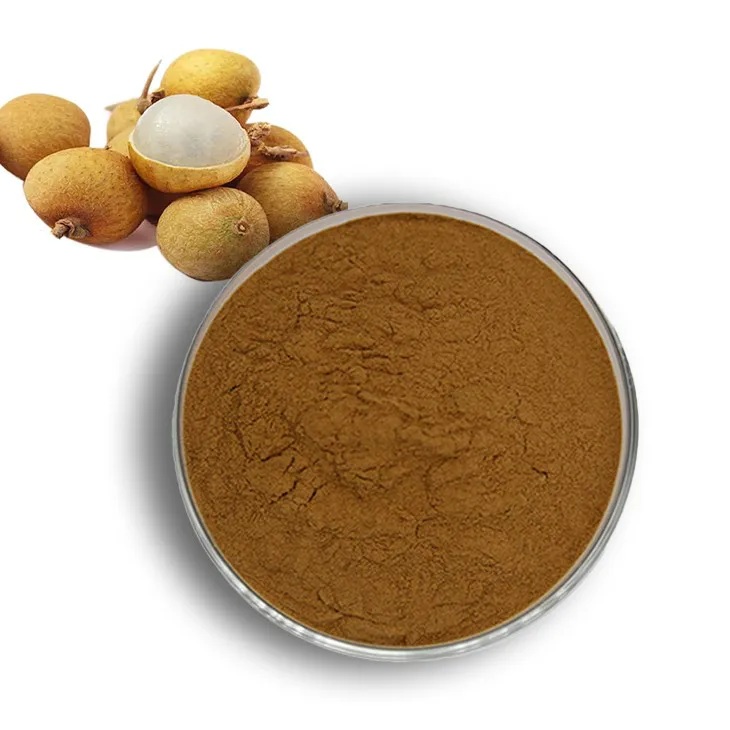
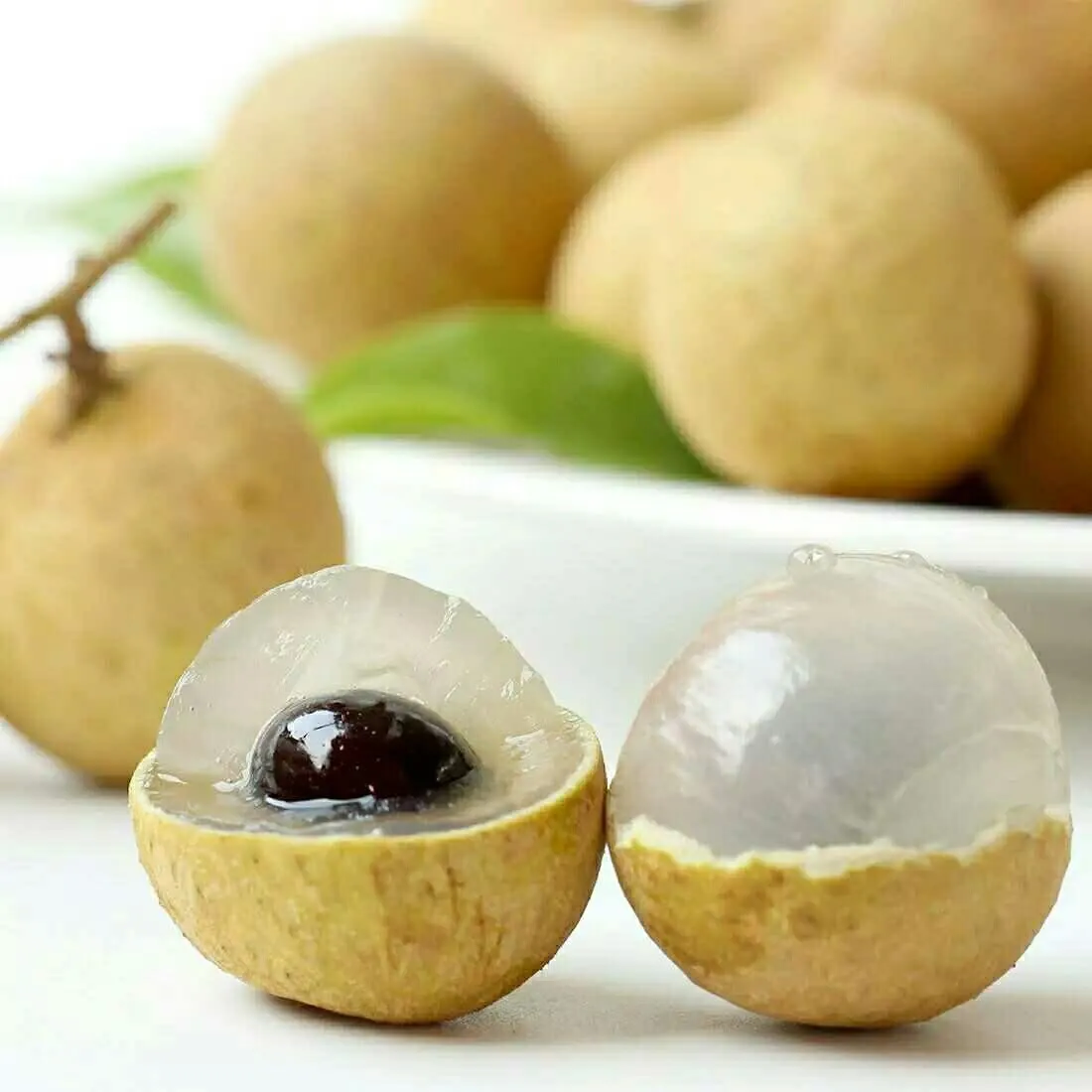
Longan Extract has been increasingly recognized in the international market in recent years. It is a product with great potential, deriving from the longan fruit which has been cultivated in many Asian countries for centuries. This extract is rich in various nutrients and bioactive compounds, making it attractive for a wide range of applications in the fields of food, medicine, and cosmetics.
2. Production Regions and Their Impact on Exports
2.1 Thailand
Thailand is one of the major longan - producing countries in the world. The country's favorable climate and vast agricultural land provide ideal conditions for longan cultivation. Thai farmers have extensive experience in longan farming, which ensures a relatively stable supply of raw materials for Longan Extract production.
The extraction technology in Thailand has also been continuously developed. Advanced extraction techniques enable the production of high - quality Longan Extract with high purity and rich active ingredients. This, in turn, enhances the competitiveness of Thai Longan Extract in the international market. Thailand exports a significant amount of Longan Extract to various regions, including North America, Europe, and Asia - Pacific.
2.2 China
China is another large - scale longan producer. In southern regions such as Guangdong, Guangxi, and Fujian, longan trees are widely planted. China's longan production benefits from a long - standing agricultural heritage and a large labor force. Chinese farmers have mastered a variety of cultivation techniques to improve the yield and quality of longan fruits.
In terms of extraction technology, China has made remarkable progress in recent years. Domestic research institutions and enterprises have been constantly exploring more efficient and environmentally friendly extraction methods. Chinese Longan Extract not only meets the domestic market demand but also is exported to many countries. For example, it has a certain market share in Southeast Asian countries, as well as in the Middle East.
3. Market Trends and Their Influence on Exports
3.1 Growing Awareness of Health Benefits
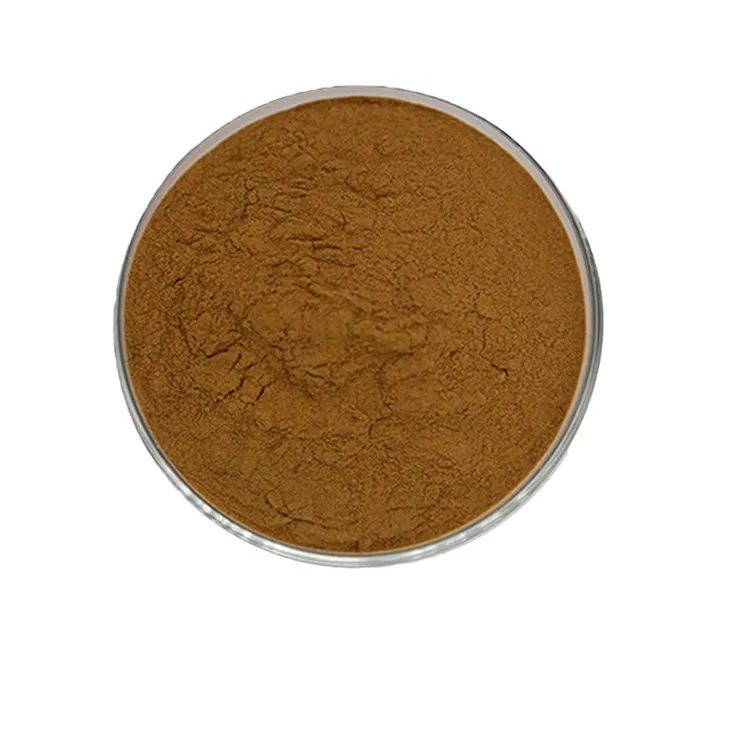
Consumers around the world are becoming more health - conscious, and this has a significant impact on the export of Longan Extract. Longan Extract is known for its antioxidant, anti - inflammatory, and immune - enhancing properties. It contains various bioactive substances such as polysaccharides, phenolic compounds, and flavonoids.
In the food industry, Longan Extract is added to functional foods and beverages as a natural health - promoting ingredient. For example, some energy drinks and dietary supplements now incorporate Longan Extract. In the pharmaceutical field, research on the potential medical applications of Longan Extract is ongoing, which also drives the demand in the international market. As a result, the export volume of Longan Extract has been on the rise in recent years to meet the growing global demand.

3.2 Expansion in Cosmetic Applications
The cosmetic industry is also showing an increasing interest in Longan Extract. Longan Extract's moisturizing, anti - aging, and skin - brightening properties make it a desirable ingredient in skin care products. Many cosmetic companies are starting to use Longan Extract in their formulations for products such as creams, lotions, and masks.
This trend has opened up new export opportunities for Longan Extract. Countries with a large cosmetics market, such as France, the United States, and Japan, are importing more Longan Extract for their domestic cosmetic production. The demand from the cosmetic industry is expected to contribute to the continuous growth of Longan Extract exports in the future.
4. Trade Barriers Affecting Exports
4.1 Tariffs
Tariffs are one of the main trade barriers that impact the export of Longan Extract. Some countries impose relatively high tariffs on agricultural products and their extracts. For example, in certain European countries, the tariff rate on imported Longan Extract may be as high as [X]%. This significantly increases the cost of Longan Extract for importers in these countries, reducing the price competitiveness of exporters.
High tariffs may also lead to a decrease in the market share of Longan Extract in these regions. Exporters have to either absorb the additional cost or pass it on to consumers, which may not be a favorable option in a highly competitive market.
4.2 Non - Tariff Measures
Non - tariff measures also pose challenges to the export of Longan Extract. These include strict quality and safety standards, as well as complex certification requirements. For instance, some countries require that Longan Extract meet specific pesticide residue limits, microbiological standards, and heavy metal content requirements.
Meeting these non - tariff requirements often requires additional investment in production facilities, quality control systems, and testing procedures. For small - scale exporters in particular, these non - tariff measures can be a significant obstacle to entering international markets.
5. Strategies for Overcoming Export Challenges
5.1 Technological Innovation
Exporters can focus on technological innovation to improve the competitiveness of Longan Extract. Research and development of more advanced extraction technologies can increase the yield and quality of the extract. For example, the use of supercritical fluid extraction technology can produce Longan Extract with higher purity and better preservation of bioactive components.
Innovation in product formulation is also important. Developing new longan - based products, such as Longan Extract - enriched functional foods or cosmeceuticals, can expand the market demand. By continuously introducing new and improved products, exporters can better adapt to the changing market trends.
5.2 Market Diversification
Instead of relying on a few major markets, exporters should consider market diversification. Exploring emerging markets in regions such as Africa, South America, and Eastern Europe can reduce the impact of trade barriers in traditional markets. These emerging markets may have different consumption patterns and demand characteristics, providing new opportunities for Longan Extract exports.
Exporters can also strengthen market research in these new markets to better understand local consumer preferences, regulatory requirements, and market competition. Based on this research, they can develop targeted marketing strategies to promote Longan Extract in these regions.
5.3 Collaboration and Lobbying
Longan Extract exporters can collaborate with each other to form industry associations or consortia. Through these organizations, they can jointly promote the Longan Extract industry, share market information, and conduct joint research and development. Industry associations can also play a role in lobbying government agencies both at home and abroad to address trade barriers such as high tariffs and complex regulations.
Collaboration with research institutions and universities can also be beneficial. By partnering with academic entities, exporters can access the latest research findings and technological expertise, which can be used to improve their production processes and product quality.
6. Conclusion
The export situation of Longan Extract in the world is influenced by multiple factors. Production in major producing countries like Thailand and China provides the foundation for exports. Market trends, driven by the growing awareness of health benefits and expansion in cosmetic applications, are creating increasing demand for Longan Extract. However, trade barriers such as tariffs and non - tariff measures pose challenges to exporters.
To ensure the sustainable growth of Longan Extract exports, exporters need to adopt strategies such as technological innovation, market diversification, and collaboration. By addressing these challenges effectively, the Longan Extract industry can continue to expand its presence in the global market and contribute to the economic development of producing countries.
FAQ:
What are the main Longan Extract - exporting countries?
Thailand and China are the main Longan Extract - exporting countries. These countries have large - scale longan cultivation, which provides a sufficient raw material base for Longan Extract production. Their production capabilities, influenced by agricultural practices and extraction technologies, contribute to their status as major exporters.
What factors contribute to the quality of Longan Extract exports?
The quality of Longan Extract exports is determined by multiple factors. Firstly, the agricultural practices in the producing countries play a crucial role. High - quality longan fruits, obtained through proper cultivation, irrigation, and pest control methods, are the starting point for good - quality extract. Secondly, technological advancements in extraction processes are essential. Advanced extraction techniques can ensure that the active ingredients in longan, such as antioxidants and anti - inflammatory substances, are effectively extracted, thereby enhancing the quality of the export - ready Longan Extract.
How does consumer awareness affect the export of Longan Extract?
Consumer awareness has a significant impact on the export of Longan Extract. As consumers become more aware of the health benefits of Longan Extract, such as its antioxidant and anti - inflammatory properties, the demand for it in international markets rises. This increased demand encourages exporters to produce and export more Longan Extract to meet the market needs, which in turn can affect export volumes and market expansion.
What are the common trade barriers for Longan Extract exporters?
Exporters of Longan Extract face several common trade barriers. Tariffs are one of the significant barriers. High tariffs imposed by some importing countries can increase the cost of Longan Extract in those markets, reducing its competitiveness. Non - tariff measures also pose difficulties. These can include strict quality and safety standards, complex customs procedures, and regulations regarding packaging and labeling. Meeting these requirements can be challenging for exporters and may limit their ability to enter certain international markets.
How can Longan Extract exporters overcome trade barriers?
To overcome trade barriers, Longan Extract exporters can take several measures. Firstly, they can invest in improving product quality to meet the strict quality and safety standards of different markets. This may involve upgrading extraction and processing facilities. Secondly, exporters can work on streamlining customs procedures by ensuring accurate documentation and compliance with import regulations. Regarding tariffs, they can explore preferential trade agreements that may reduce or eliminate tariffs. Additionally, building strong relationships with local importers and distributors can help navigate through some of the non - tariff barriers.
Related literature
- The Global Trade of Botanical Extracts: Focus on Longan Extract"
- "Longan Extract in the International Market: Production, Export and Consumption Trends"
- "Overcoming Trade Barriers in Longan Extract Export: A Case Study"


-

Genistein
2024-12-05
-

Lavender Extract
2024-12-05
-

White mustard seed extract
2024-12-05
-

Hedyotis Diffusa Extract
2024-12-05
-

Camu Camu Extract
2024-12-05
-

Taurine
2024-12-05
-

Acerola Juice Powder
2024-12-05
-

Coconut Water Powder
2024-12-05
-

Natural grape seed extract
2024-12-05
-

N-Acetyl-L-cysteine(NAC)
2024-12-05