


1. Introduction
Mulberry leaf Extract has emerged as a significant product in the global market in recent years. Its popularity is on the rise, mainly due to its potential health benefits. This extract is obtained from the leaves of the mulberry tree, which has a long history of cultivation in many parts of the world.
2. Major Exporting Regions: Asia
2.1 China: The Dominant Exporter
China plays a dominant role in the global export of Mulberry leaf Extract. This is primarily because of its extensive mulberry cultivation. China has a large area of land dedicated to mulberry farming, which provides a rich source of raw materials for the extraction process. The country has a long - standing tradition of silk production, and mulberry trees are mainly grown for silkworm feeding. However, in recent years, the economic value of Mulberry leaf Extract has been recognized, leading to a significant increase in its production and export.
The Chinese government has also been supportive of the development of the Mulberry leaf Extract industry. It has provided various policies and incentives to promote research and development, improve production technology, and enhance product quality. This has enabled Chinese exporters to gain a competitive edge in the international market.

2.2 Other Asian Countries
Besides China, other Asian countries also contribute to the export of Mulberry leaf Extract. For example, India has a certain amount of mulberry cultivation, mainly in some southern regions. Although its export volume is not as large as that of China, it still has potential for development. Japan and South Korea are also involved in the production and export of mulberry - related products to a certain extent. These countries often focus on high - value - added products, leveraging their advanced technology and strict quality control systems.
3. Market Trends
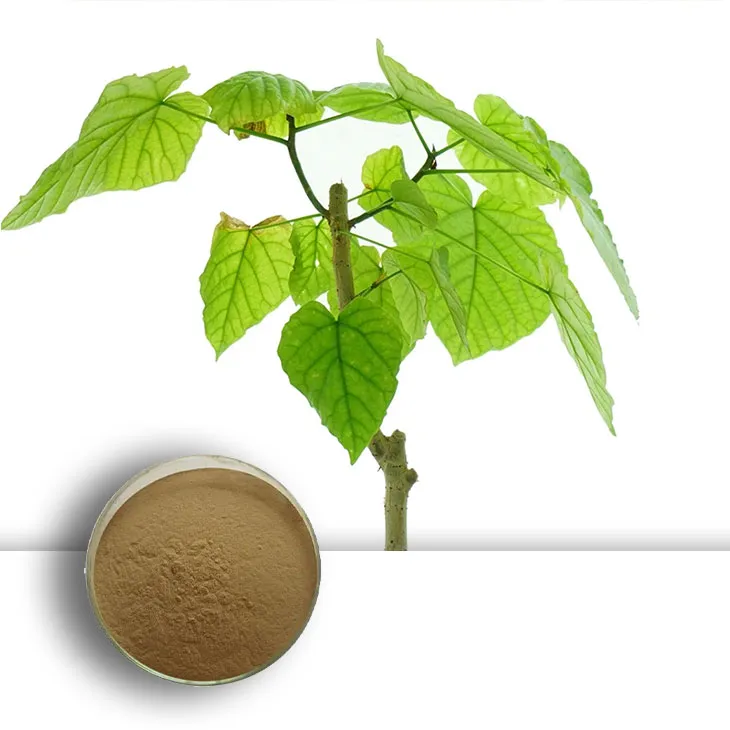
3.1 Health - Driven Demand
The demand for Mulberry leaf Extract in the international market is significantly driven by its potential health benefits. One of the most well - known properties of Mulberry leaf Extract is its role in blood sugar regulation. It contains compounds such as DNJ (1 - deoxynojirimycin), which can inhibit the activity of certain enzymes related to carbohydrate metabolism, thereby helping to control blood glucose levels. This makes it attractive to consumers who are concerned about diabetes prevention and management.
Another important property is its antioxidant properties. Mulberry leaf Extract is rich in antioxidants, such as flavonoids and phenolic acids. These antioxidants can scavenge free radicals in the body, reduce oxidative stress, and protect cells from damage. As a result, it is considered beneficial for overall health and anti - aging purposes.
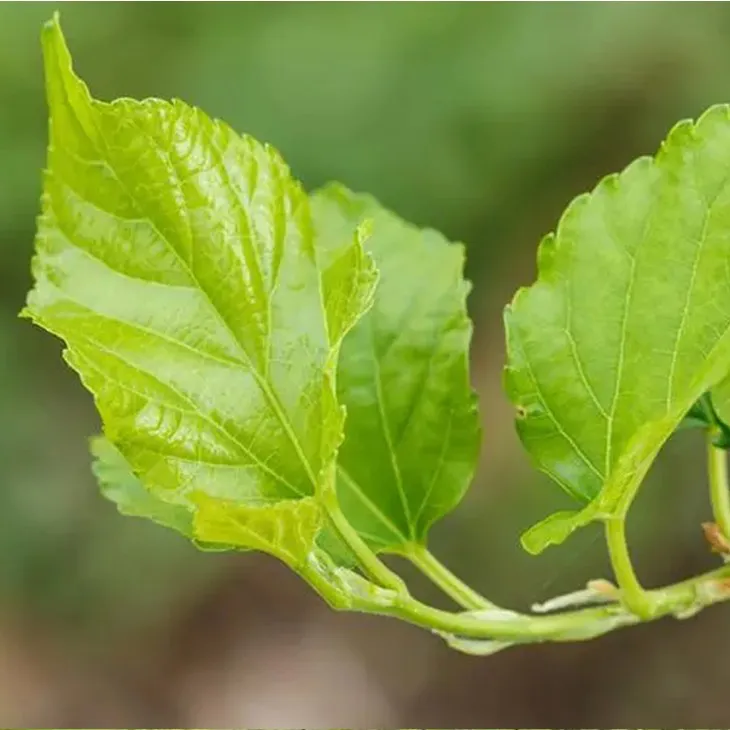
3.2 Increasing Awareness and Acceptance
With the increasing popularity of natural and herbal products, the awareness and acceptance of Mulberry leaf Extract are gradually increasing. Consumers are more inclined to choose natural products with potential health benefits over synthetic drugs. This trend has been further promoted by the growing interest in traditional medicine systems, such as Chinese medicine, where mulberry leaves have been used for centuries.
In addition, scientific research on Mulberry leaf Extract has been continuously carried out in recent years, providing more evidence of its health - promoting effects. This has also increased the confidence of consumers and manufacturers in the product, leading to a growing market demand.
4. Quality Control and Standardization
Quality control and standardization are crucial aspects in the international trade of Mulberry leaf Extract. Different countries have different regulations regarding the extract, which directly affects export strategies.
4.1 Regulatory Requirements in Different Countries
In the United States, for example, the Food and Drug Administration (FDA) has certain regulations on dietary supplements, which include Mulberry leaf Extract. Manufacturers need to ensure that their products meet safety, quality, and labeling requirements. In the European Union, strict regulations are in place to ensure the safety and quality of food and herbal products. These regulations cover aspects such as raw material sourcing, production processes, and final product quality.
China also has its own quality standards for Mulberry leaf Extract. These standards specify the content of active ingredients, limits of heavy metals and pesticides, and other quality indicators. Meeting these standards is essential for Chinese exporters to enter the international market.
4.2 Importance of Standardization for Exporters
For exporters, standardization is not only a requirement to comply with regulations but also a means to enhance competitiveness. Standardized production processes can ensure product consistency and quality stability, which are highly valued by international customers. By implementing strict quality control measures and adhering to international standards, exporters can build a good reputation and gain more market share.
5. Competition among Exporters
The competition among exporters of Mulberry leaf Extract is intensifying. With the growing market potential, more and more companies are entering this field, both from traditional mulberry - growing regions and from other areas.
5.1 Traditional Exporters and Their Strategies
Traditional exporters, such as those from China, are facing new challenges in the face of increasing competition. They are constantly innovating in terms of production technology, product diversification, and marketing strategies. For example, some Chinese exporters are investing in research and development to develop new extraction methods that can improve the yield and quality of the extract. They are also expanding their product lines, not only focusing on the traditional powder form of Mulberry leaf Extract but also developing new products such as capsules, tablets, and functional beverages.
In marketing, traditional exporters are strengthening their brand building, participating in international exhibitions, and establishing cooperation with international distributors. These strategies are aimed at enhancing their brand awareness and market penetration in the international market.
5.2 Emerging Players and Their Market Entry
Emerging players, including some small - and - medium - sized enterprises from different countries, are also trying to carve out a share in this lucrative market. These companies often rely on their unique selling points, such as local sourcing of raw materials, niche market targeting, or innovative marketing approaches. For example, some emerging players in South America are promoting their Mulberry leaf Extract as an organic and sustainable product, targeting consumers who are environmentally conscious and interested in natural products.
However, emerging players also face many challenges, such as lack of production scale, limited brand recognition, and difficulty in meeting international quality standards. To overcome these challenges, they need to continuously improve their production capabilities, strengthen quality control, and actively promote their brands.
6. Conclusion
The export situation of Mulberry leaf Extract in the world is complex and dynamic. Asia, especially China, is the main exporting region at present, but the competition is becoming more intense with the participation of more players. Market trends are mainly driven by the potential health benefits of the extract, while quality control and standardization are important factors affecting international trade. Exporters need to constantly adapt to market changes, improve their competitiveness through innovation and quality improvement, in order to gain a larger share in the global market.
FAQ:
1. Which region is the major exporter of Mulberry leaf Extract?
Asia is one of the major exporting regions of Mulberry leaf Extract. In Asia, China is a dominant force in the export of Mulberry leaf Extract due to its large - scale mulberry cultivation.
2. What drives the demand for Mulberry leaf Extract in the international market?
The demand for Mulberry leaf Extract in the international market is driven by its potential health benefits. For example, it has a role in blood sugar regulation and antioxidant properties.
3. How does quality control impact the export of Mulberry leaf Extract?
Quality control plays a crucial role in the export of Mulberry leaf Extract. In international trade, standardized quality is necessary to meet the requirements of different markets. Poor quality control may lead to rejection of products in some markets, thus affecting export volume and reputation.
4. What are the differences in regulations regarding Mulberry leaf Extract among different countries?
Different countries have different regulations regarding Mulberry leaf Extract. These regulations can cover aspects such as the allowable levels of certain components, production processes, and labeling requirements. These differences affect the export strategies of exporters as they need to comply with the regulations of the target countries.
5. How intense is the competition among exporters of Mulberry leaf Extract?
The competition among exporters of Mulberry leaf Extract is intensifying. With the growing awareness of the potential of Mulberry leaf Extract, more players are entering the market. Emerging players are trying to gain a share in this lucrative market, which means existing exporters need to constantly improve their competitiveness in terms of price, quality, and service.
Related literature
- The Global Market of Mulberry leaf Extract: Trends and Opportunities"
- "Mulberry leaf Extract: Export Regulations and Quality Standards Worldwide"
- "Analysis of the Competitiveness in the Mulberry leaf Extract Export Market"


-

Tongkat Ali Extract
2024-12-07
-

Konjac Powder
2024-12-07
-

Quercetin
2024-12-07
-

Phyllanthus Emblica Extract
2024-12-07
-

Okra Extract
2024-12-07
-

Fenugreek Extract Powder
2024-12-07
-

Chaste Berry Extract
2024-12-07
-

Tormentil Extract
2024-12-07
-

Yellow Pine Extract
2024-12-07
-

Gynostemma pentaphyllum extract
2024-12-07