


1. Introduction to Sea - Buckthorn bark extract
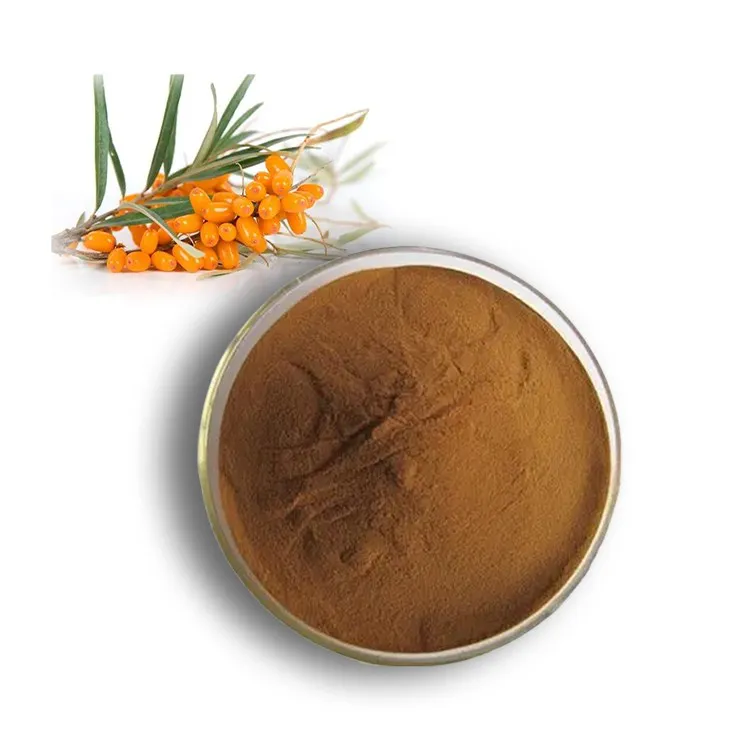
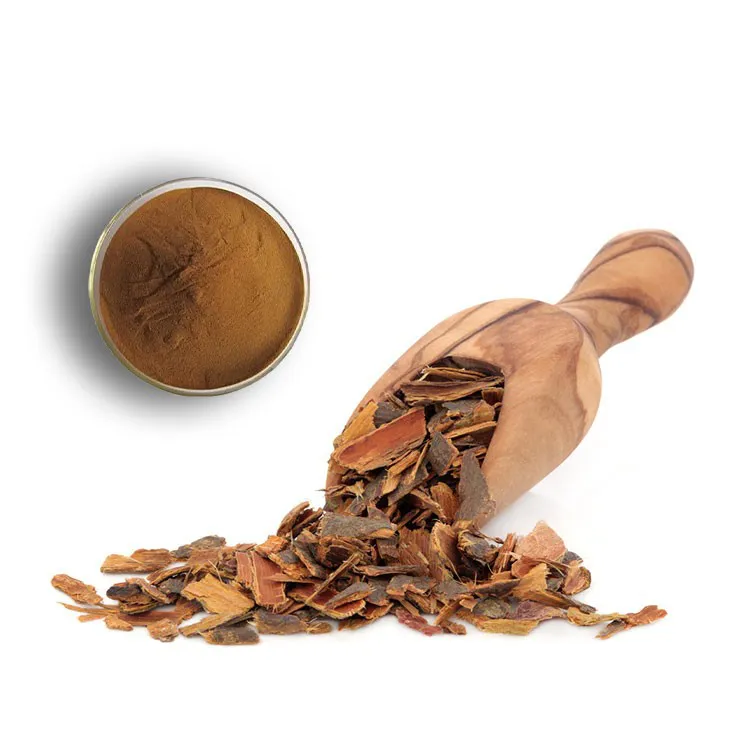
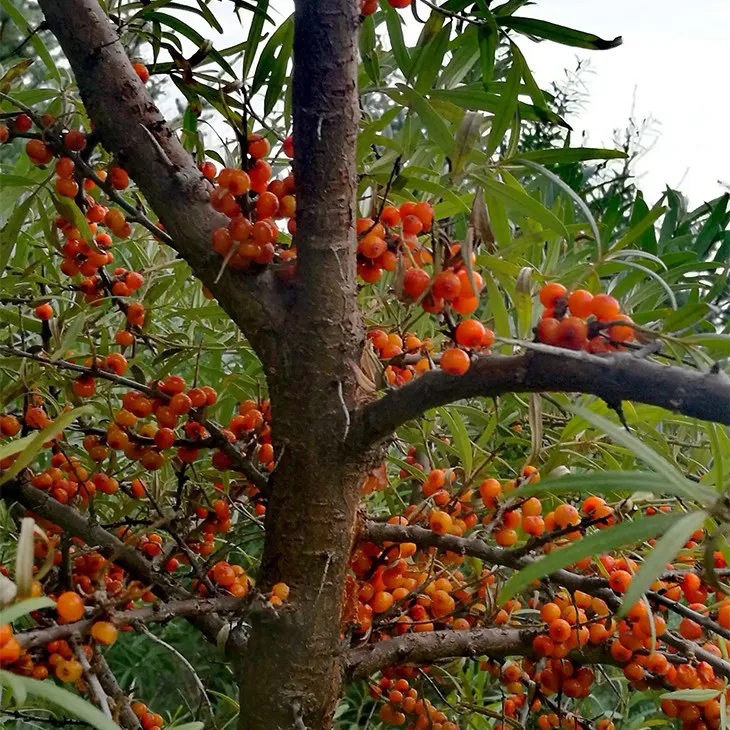
Sea - Buckthorn bark extract is a natural product that has been garnering increasing attention in recent years. It is derived from the bark of the sea - buckthorn plant, which is known for its hardiness and ability to thrive in cold and arid regions. The extraction process aims to isolate the beneficial compounds present in the bark, which are believed to have various health - promoting and industrial applications.
2. Geographical Distribution of Sea - Buckthorn and Extraction Areas
Sea - buckthorn is widely distributed across the globe. It can be found in regions such as Central Asia, parts of Europe, and China. These areas are often cold and arid, providing the ideal natural habitat for the sea - buckthorn plant. In terms of extraction, only areas with appropriate industrial facilities are able to carry out the extraction of sea - buckthorn bark. For example, in some regions of China and Russia, there are well - established extraction plants that can efficiently extract the valuable compounds from the sea - buckthorn bark.
3. Factors Affecting the Price of Sea - Buckthorn bark extract
3.1 Raw Material Quality
The quality of the raw material, i.e., the sea - buckthorn bark, is of utmost importance. High - quality bark that is free from contaminants and diseases will yield a better extract. Bark from older and well - grown sea - buckthorn plants is often considered more valuable as it may contain a higher concentration of the desired compounds. For instance, if the sea - buckthorn plants are grown in nutrient - rich soil and are properly cared for, the resulting bark will likely produce a more potent and valuable extract.
3.2 Extraction Technology
Advanced extraction technologies play a significant role in determining the price of the extract. Modern extraction methods, such as supercritical fluid extraction, are able to isolate the active compounds more efficiently and with greater purity compared to traditional methods. Companies that invest in state - of - the - art extraction technology can produce a higher - quality product, which can command a higher price in the market. However, these advanced technologies also come with higher costs, which are reflected in the final price of the sea - Buckthorn bark extract.
3.3 Production Scale
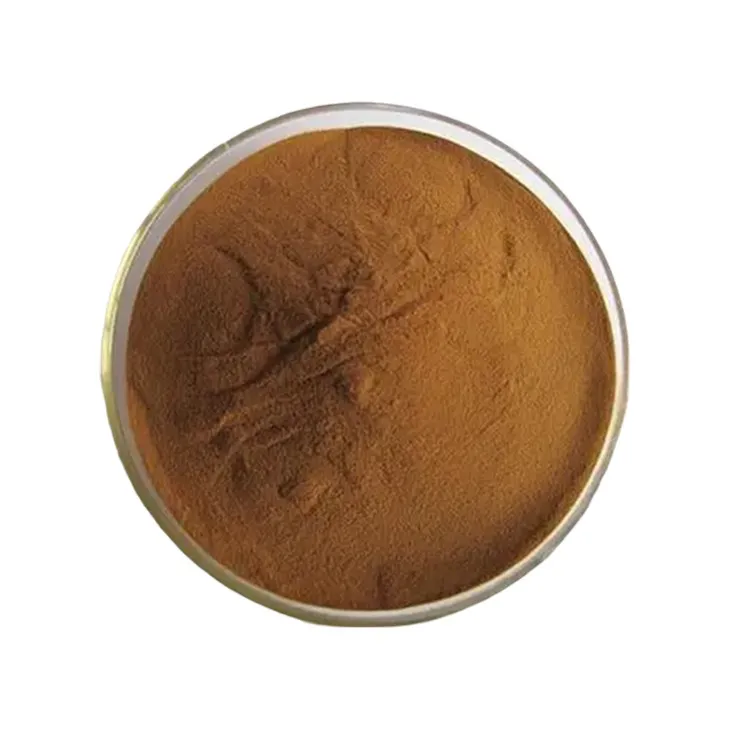
The production scale also affects the price. Larger production scales often lead to economies of scale, which can reduce the cost per unit of the extract. For example, a large - scale extraction facility can purchase raw materials in bulk, negotiate better deals with suppliers, and spread the fixed costs over a larger volume of production. This can result in a more competitive price in the market. On the other hand, small - scale producers may face higher costs per unit, which can limit their ability to compete on price.
4. The European Market
The European market has a significant demand for sea - Buckthorn bark extract. This is mainly due to the high awareness of environmental protection and natural health products in this region. European consumers are increasingly looking for natural alternatives to synthetic products, and sea - Buckthorn bark extract fits well into this trend.
Many European countries have a well - developed regulatory framework for natural products, which further boosts the confidence of consumers in purchasing sea - Buckthorn bark extract. For example, in countries like Germany and France, there are strict regulations regarding the quality and safety of natural health products. Suppliers need to meet these high standards to be able to export their products to these markets.
The demand in the European market is not only for general - use sea - Buckthorn bark extract but also for specialized products. For instance, there is a growing demand for extract - based cosmetics and dietary supplements. Cosmetic companies in Europe are constantly looking for new natural ingredients with skin - enhancing properties, and sea - Buckthorn bark extract is seen as a promising candidate due to its antioxidant and anti - inflammatory properties.
5. Emerging Markets
5.1 South American Markets
Some countries in South America are emerging as potential markets for sea - Buckthorn bark extract. Although sea - buckthorn is not native to this region, there is a growing interest in natural health products. With the increasing globalization of the health and wellness industry, South American consumers are being exposed to a wider range of products, including sea - Buckthorn bark extract.
Countries like Brazil and Argentina have large populations with a growing middle class that has more disposable income to spend on health - related products. However, there are also challenges in entering these markets. For example, cultural differences may affect the acceptance of new products, and local regulations regarding natural products may vary from those in other regions.
5.2 African Markets
In Africa, some countries are also showing potential for the import of sea - Buckthorn bark extract. Africa has a rich biodiversity, but at the same time, there is a growing need for natural health solutions. Sea - Buckthorn bark extract, with its various health benefits, could potentially fill this gap.
However, infrastructure and logistical challenges need to be overcome. For example, poor transportation networks may make it difficult to distribute the product across the continent. Additionally, awareness about sea - Buckthorn bark extract needs to be raised among African consumers, as it is still a relatively unknown product in most parts of the continent.
6. Sustainability and Environmental Issues
The sustainable harvesting of sea - buckthorn is crucial for the long - term export of its bark extract. Over - harvesting can lead to a decline in the sea - buckthorn population, which not only affects the availability of raw materials but also has ecological implications. For example, sea - buckthorn provides habitat and food for various wildlife species, and its depletion can disrupt local ecosystems.
During the extraction process, environmental protection is also a key consideration. The extraction plants need to ensure that they dispose of waste properly and minimize their environmental impact. For example, they should use environmentally friendly solvents and energy - efficient extraction methods to reduce pollution and conserve resources.
To address these issues, some regions have implemented sustainable harvesting practices and environmental regulations. For instance, in certain areas of China where sea - buckthorn is harvested, there are regulations on the amount of bark that can be harvested per plant and per area. This helps to ensure the long - term survival of the sea - buckthorn population while also allowing for the continued extraction of its bark for commercial purposes.
7. Conclusion
The export situation of sea - Buckthorn bark extract is complex and influenced by multiple factors. The demand in different markets, such as the European market and emerging markets in South America and Africa, offers both opportunities and challenges. While factors like raw material quality, extraction technology, and production scale affect the price of the extract, sustainability and environmental issues need to be carefully addressed to ensure the long - term and stable export of this valuable natural product. As the global market for natural health products continues to grow, sea - Buckthorn bark extract has the potential to play an increasingly important role, provided that all these aspects are managed effectively.
FAQ:
What are the main factors influencing the price of seaBuckthorn bark extract in export?
The price of seaBuckthorn bark extract in export is mainly affected by factors such as raw material quality, extraction technology, and production scale. High - quality raw materials, advanced extraction technologies and large - scale production usually lead to different price levels.
Why does the European market have a high demand for seaBuckthorn bark extract?
The European market has a relatively high demand for high - quality seaBuckthorn bark extract mainly because of the high awareness of environmental protection and natural health products there. People in Europe are more inclined to choose natural products for health care, and seaBuckthorn bark extract, as a valuable natural product, meets their needs.
What potential does the emerging market have for the export of seaBuckthorn bark extract?
In emerging markets, such as some countries in South America and Africa, the potential for the export of seaBuckthorn bark extract is gradually being explored. These regions may have a growing demand for natural health products as people's living standards improve and awareness of health care increases, which provides opportunities for the export of seaBuckthorn bark extract.
How to ensure the sustainable harvesting of seabuckthorn?
To ensure the sustainable harvesting of seabuckthorn, it is necessary to establish scientific management systems. This may include formulating reasonable harvesting quotas, protecting seabuckthorn growth areas, and promoting artificial cultivation to supplement natural resources. At the same time, relevant regulations and supervision mechanisms should be strengthened to prevent over - harvesting.
What environmental protection issues need to be considered during the extraction of seaBuckthorn bark extract?
During the extraction of seaBuckthorn bark extract, issues such as waste treatment and energy consumption need to be considered. For example, proper treatment of waste generated during the extraction process to avoid environmental pollution, and the use of energy - saving extraction technologies to reduce the impact on the environment.
Related literature
- The Export Potential of Seabuckthorn - based Products in the Global Market"
- "SeaBuckthorn bark extract: Production, Quality and Export Trends"
- "Environmental and Sustainability Aspects in SeaBuckthorn bark extract Export"


-

White mustard seed extract
2024-12-08
-

Sophora Japonica Flower Extract
2024-12-08
-

N-Acetyl-L-cysteine(NAC)
2024-12-08
-

Thunder God Vine Extract
2024-12-08
-

Kelp Extract Powder
2024-12-08
-

Vitamin D3
2024-12-08
-

Mulberry Extract
2024-12-08
-

Echinacea Extract
2024-12-08
-

Bayberry Extract
2024-12-08
-

Scutellaria Extract
2024-12-08