


1. Introduction
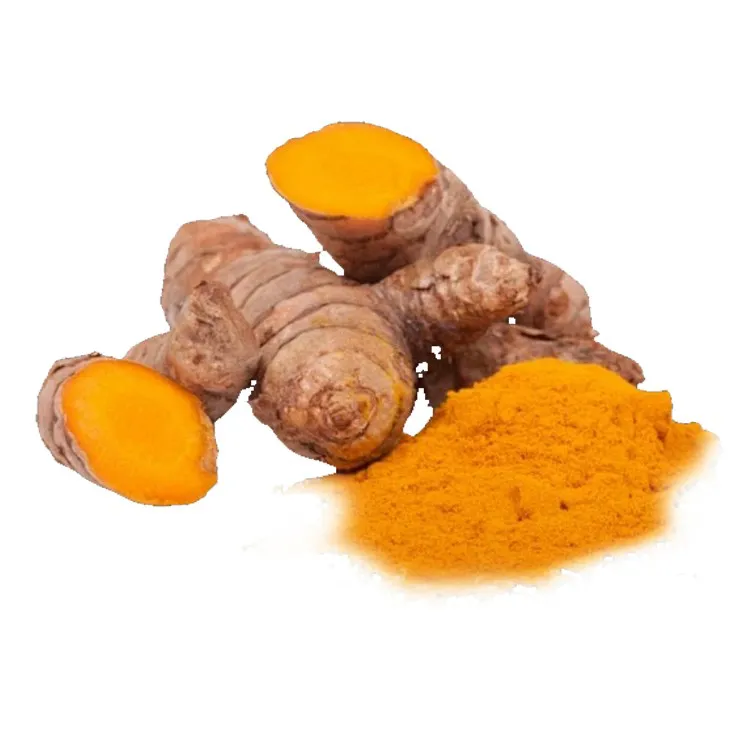
Curcumin is a natural polyphenolic compound that has gained significant attention in recent years due to its numerous health - beneficial properties. It is the main bioactive component of turmeric (Curcuma longa), a plant that has been used in traditional medicine for centuries. Efficient extraction and distillation methods are crucial for obtaining high - quality Curcumin with good purity and yield. These methods not only impact the final product's quality but also its applications in various fields such as medicine, food, and cosmetics.
2. Traditional Extraction Methods
2.1 Solvent Extraction
Solvent extraction is one of the most common traditional methods for Curcumin extraction. In this method, a suitable solvent is used to dissolve Curcumin from turmeric powder or rhizomes.
- Common solvents include ethanol, methanol, acetone, and ethyl acetate. Ethanol is often preferred due to its relatively low toxicity and availability. For example, in a typical solvent extraction process, turmeric powder is mixed with ethanol in a certain ratio, usually around 1:10 (turmeric powder: ethanol) by weight.
- The extraction process is typically carried out at room temperature or with gentle heating. Heating can increase the solubility of Curcumin in the solvent, but excessive heat may lead to the degradation of Curcumin. The mixture is stirred for a period of time, usually several hours to overnight, to ensure sufficient contact between the solvent and the turmeric powder.
- After extraction, the mixture is filtered to separate the solid residue (mainly consisting of insoluble components of turmeric) from the solvent - containing Curcumin extract. The filtrate is then further processed, often by evaporation of the solvent under reduced pressure to obtain a crude Curcumin extract. However, this crude extract may contain other impurities along with Curcumin, which may affect its purity.

2.2 Soxhlet Extraction
Soxhlet extraction is another traditional method that offers a more continuous and efficient extraction compared to simple solvent extraction.
- In this method, the turmeric sample is placed in a Soxhlet thimble, and the solvent is continuously refluxed through the sample. The solvent is vaporized in the Soxhlet apparatus's distillation flask, rises through the condenser, and then drips back onto the sample in the thimble. This process is repeated multiple times, ensuring thorough extraction of Curcumin.
- Similar to solvent extraction, ethanol or other suitable solvents can be used. However, Soxhlet extraction generally requires a longer extraction time, often several hours to a day or more, depending on the sample size and the nature of the solvent. The advantage of Soxhlet extraction is that it can achieve a relatively high extraction yield, but it may also lead to the extraction of more impurities if not carefully controlled.
3. Modern Extraction and Distillation Methods

3.1 Supercritical Fluid Extraction (SFE)
Supercritical fluid extraction has emerged as a modern and efficient method for Curcumin extraction. A supercritical fluid is a substance that is maintained at a temperature and pressure above its critical point, where it exhibits unique properties between those of a gas and a liquid.
- Carbon dioxide (CO₂) is the most commonly used supercritical fluid for Curcumin extraction. At supercritical conditions (around 31.1 °C and 7.38 MPa for CO₂), it has excellent solvent properties, similar to organic solvents, but with the advantage of being non - toxic, non - flammable, and easily removable from the extract. For example, in a supercritical CO₂ extraction system, turmeric powder is placed in an extraction vessel, and supercritical CO₂ is passed through it.
- The extraction process can be controlled by adjusting parameters such as temperature, pressure, and flow rate of the supercritical fluid. By increasing the pressure, the density of the supercritical fluid can be increased, which in turn enhances its solvent power. Temperature also affects the solubility of Curcumin in the supercritical fluid. Generally, higher temperatures can increase the solubility, but too high a temperature may cause the degradation of Curcumin.
- After extraction, the supercritical fluid containing Curcumin is depressurized, and the CO₂ returns to its gaseous state, leaving behind a relatively pure Curcumin extract. Supercritical fluid extraction can result in a high - purity Curcumin product with a relatively high yield compared to traditional methods. However, the equipment for supercritical fluid extraction is more complex and expensive.

3.2 Microwave - Assisted Extraction (MAE)
Microwave - assisted extraction is a modern technique that utilizes microwave energy to accelerate the extraction process.
- In this method, the turmeric sample and the solvent are placed in a microwave - transparent vessel and exposed to microwave radiation. The microwave energy causes rapid heating of the solvent molecules, which in turn increases their kinetic energy and enhances the mass transfer between the solvent and the Curcumin in the turmeric sample. For instance, when using ethanol as the solvent, microwave - assisted extraction can significantly reduce the extraction time compared to traditional solvent extraction.
- The extraction efficiency of MAE is affected by factors such as microwave power, extraction time, and the ratio of solvent to sample. Higher microwave power can lead to faster heating, but it may also cause local overheating and degradation of Curcumin if not properly controlled. The extraction time is typically in the range of a few minutes to half an hour, which is much shorter than traditional extraction methods.
- After extraction, the resulting extract is filtered and further processed in a similar way as in traditional solvent extraction methods. Microwave - assisted extraction can provide a relatively high - purity Curcumin extract with good yield, and it also has the advantage of being energy - efficient and time - saving.
3.3 Ultrasound - Assisted Extraction (UAE)
Ultrasound - assisted extraction is another modern extraction method that uses ultrasonic waves to improve the extraction efficiency.
- During UAE, the turmeric sample is immersed in a solvent, and ultrasonic waves are applied. The ultrasonic waves create cavitation bubbles in the solvent. When these bubbles collapse, they generate high - intensity shock waves and micro - jets that can disrupt the cell walls of the turmeric sample, facilitating the release of Curcumin into the solvent. For example, if water - ethanol mixtures are used as solvents, ultrasound - assisted extraction can enhance the extraction yield.
- The extraction efficiency of UAE is influenced by factors such as ultrasonic power, frequency, and extraction time. Higher ultrasonic power and appropriate frequencies can improve the cavitation effect and thus increase the extraction yield. However, excessive ultrasonic power may also cause degradation of Curcumin. The extraction time is usually in the range of 10 - 60 minutes, depending on the specific conditions.
- Similar to other extraction methods, after UAE, the extract is filtered and processed to obtain the Curcumin product. Ultrasound - assisted extraction is considered an environmentally friendly method as it can reduce the use of solvents and extraction time compared to traditional methods, while still achieving a relatively good extraction yield and purity.
4. Role of Solvents
Solvents play a crucial role in Curcumin extraction and distillation processes.
- Polarity of solvents: The polarity of the solvent determines its ability to dissolve Curcumin. Curcumin is a moderately polar compound, so solvents with moderate polarity are often more effective for its extraction. For example, ethanol, which has a relatively moderate polarity, can dissolve Curcumin well compared to non - polar solvents like hexane. However, very polar solvents like water may not be as effective alone, but water - ethanol mixtures can sometimes provide better extraction results due to the combined effects of different polarities.
- Solvent selectivity: Different solvents may selectively extract different components along with Curcumin. For instance, some solvents may extract more impurities or other bioactive compounds from turmeric, which can affect the purity of the Curcumin extract. Therefore, choosing the right solvent with good selectivity for Curcumin is important. In addition, solvents should be easily removable from the extract to obtain a pure Curcumin product. For example, supercritical CO₂ can be easily removed by depressurization, leaving a relatively pure Curcumin extract.
- Solvent - Curcumin interactions: The interactions between the solvent and Curcumin molecules also affect the extraction process. These interactions can be in the form of hydrogen bonding, van der Waals forces, etc. For example, in ethanol extraction, ethanol molecules can form hydrogen bonds with Curcumin molecules, which helps in dissolving Curcumin. Understanding these interactions can help in optimizing the extraction process by choosing the appropriate solvent and extraction conditions.
5. Role of Temperature
Temperature is a critical factor in both extraction and distillation of Curcumin.
- In extraction:
- At higher temperatures, the solubility of Curcumin in solvents generally increases. This is because higher temperatures provide more energy to the solvent and Curcumin molecules, allowing them to overcome intermolecular forces and mix more easily. For example, in solvent extraction with ethanol, increasing the temperature from room temperature to around 50 - 60 °C can significantly increase the amount of Curcumin extracted within a certain time.
- However, excessive heat can cause the degradation of Curcumin. Curcumin is thermally sensitive, and above a certain temperature (usually around 180 - 200 °C), it may start to decompose, losing its bioactive properties. Therefore, a balance needs to be struck between increasing the solubility and preventing the degradation of Curcumin during the extraction process.
- In distillation:
- Temperature is used to separate Curcumin from the solvent in distillation processes. In traditional solvent extraction followed by distillation, the solvent is evaporated at a temperature at which it has a relatively high vapor pressure, while Curcumin, which has a much higher boiling point, remains in the residue. For example, in the case of ethanol extraction, ethanol can be evaporated at around 78 °C under normal pressure, leaving the Curcumin behind.
- In modern distillation methods such as short - path distillation used for purifying Curcumin extracts, precise temperature control is required. By carefully adjusting the temperature, it is possible to separate Curcumin from other impurities with different boiling points more effectively.
6. Role of Pressure
Pressure also has an important role in Curcumin extraction and distillation, especially in modern methods.
- In supercritical fluid extraction:
- As mentioned earlier, supercritical fluid extraction uses supercritical fluids such as CO₂ at specific pressures above their critical points. By increasing the pressure, the density of the supercritical fluid can be increased, which enhances its solvent power. For example, increasing the pressure of supercritical CO₂ from 7.38 MPa to a higher value can lead to a greater amount of Curcumin being dissolved in the supercritical fluid.
- Pressure control is crucial in this process to ensure the stability of the supercritical state and to optimize the extraction yield and purity of Curcumin.
- In distillation:
- Reduced - pressure distillation is often used to evaporate solvents at lower temperatures. This is beneficial for Curcumin extraction as it can prevent the degradation of Curcumin due to high - temperature evaporation. For example, in the case of ethanol extraction, by using reduced - pressure distillation, ethanol can be evaporated at a lower temperature than its normal boiling point, reducing the risk of Curcumin degradation.
- In some modern distillation techniques, precise pressure control is used to separate Curcumin from other components with different vapor pressure characteristics more effectively.
7. Impact on Purity and Yield
The extraction and distillation methods, along with the factors such as solvents, temperature, and pressure, have a significant impact on the purity and yield of Curcumin.
- Purity:
- The choice of extraction method can directly affect the purity of Curcumin. Modern methods such as supercritical fluid extraction and microwave - assisted extraction generally tend to produce higher - purity Curcumin extracts compared to traditional methods. For example, supercritical fluid extraction with CO₂ can selectively extract Curcumin, leaving behind many of the impurities present in turmeric.
- The distillation process also plays a crucial role in purifying Curcumin. By carefully controlling the temperature and pressure during distillation, it is possible to separate Curcumin from other components with different boiling points or vapor pressure characteristics. For instance, short - path distillation can effectively remove low - boiling point impurities and improve the purity of Curcumin.
- Yield:
- The extraction yield of Curcumin is influenced by various factors. In traditional solvent extraction, factors such as the type of solvent, the ratio of solvent to sample, and the extraction time affect the yield. For example, using a larger amount of solvent relative to the sample may increase the yield, but it may also lead to the extraction of more impurities. In modern methods, factors such as microwave power in microwave - assisted extraction and ultrasonic power in ultrasound - assisted extraction can also impact the yield. Appropriate adjustment of these factors can optimize the yield of Curcumin.
- Temperature and pressure also have an impact on the yield. As mentioned earlier, increasing the temperature within a certain range can increase the solubility of Curcumin in solvents and thus increase the yield. Similarly, in supercritical fluid extraction, appropriate adjustment of pressure can enhance the solvent power of the supercritical fluid and improve the yield of Curcumin.
8. Conclusion
In conclusion, Curcumin extraction and distillation methods have evolved over time, from traditional to modern techniques. Traditional methods such as solvent extraction and Soxhlet extraction have been widely used, but modern methods like supercritical fluid extraction, microwave - assisted extraction, and ultrasound - assisted extraction offer several advantages in terms of purity, yield, and efficiency. Solvents, temperature, and pressure play crucial roles in these processes, and careful control of these factors can lead to high - quality Curcumin products with good purity and yield. Understanding these extraction and distillation methods and their associated factors is essential for the production of Curcumin for various applications in medicine, food, and cosmetics.
FAQ:
What are the traditional methods for Curcumin extraction?
Traditional methods for Curcumin extraction often include solvent extraction. For example, using organic solvents like ethanol. In the traditional process, the turmeric powder is soaked in the solvent for a certain period. Then, through filtration and evaporation, the Curcumin can be obtained. Another traditional method might involve maceration, where the turmeric is left in the solvent for an extended time to allow the Curcumin to dissolve into the solvent.
How do modern methods differ from traditional ones in Curcumin extraction?
Modern methods may use more advanced technologies. For instance, supercritical fluid extraction. Unlike traditional solvent extraction, supercritical fluid extraction uses substances like carbon dioxide at supercritical conditions. This method offers several advantages. It can operate at lower temperatures compared to some traditional methods, which helps to preserve the bioactivity of Curcumin. Also, it can often achieve higher purity and better yield. Additionally, modern methods might involve the use of microwave - assisted extraction, which can speed up the extraction process by using microwave energy to enhance the mass transfer of Curcumin from the turmeric matrix to the solvent.
What role does the solvent play in Curcumin extraction?
The solvent is crucial in Curcumin extraction. Different solvents have different solubilities for Curcumin. Organic solvents such as ethanol, acetone, and ethyl acetate are commonly used. The choice of solvent affects the extraction efficiency. A good solvent should have a high solubility for Curcumin to ensure that a large amount of Curcumin can be dissolved out from the turmeric source. However, the solvent also needs to be easily removable in the subsequent purification steps. For example, ethanol is a relatively safe and effective solvent, but its polarity affects how well it can extract Curcumin, as Curcumin has certain polarity characteristics itself.
How does temperature affect Curcumin extraction and distillation?
Temperature has a significant impact on Curcumin extraction and distillation. In extraction, increasing the temperature can generally enhance the solubility of Curcumin in the solvent, which may lead to a higher extraction yield. However, if the temperature is too high, it can cause the degradation of Curcumin. In distillation, temperature is used to separate Curcumin from the solvent mixture. The appropriate distillation temperature depends on the boiling points of Curcumin and the solvent. For example, in the case of solvent extraction followed by distillation, if the temperature is set too low during distillation, the solvent may not be completely removed, affecting the purity of the final Curcumin product.
How does pressure influence Curcumin extraction and distillation?
Pressure also plays a role in Curcumin extraction and distillation. In some extraction methods like supercritical fluid extraction, pressure is a key factor. By adjusting the pressure, the properties of the supercritical fluid can be changed, which in turn affects its ability to extract Curcumin. In distillation, pressure can affect the boiling points of the components. Reducing the pressure can lower the boiling point of the solvent, which may be beneficial for the separation of Curcumin from the solvent, especially when dealing with solvents with high boiling points. This can also help to protect Curcumin from over - exposure to high temperatures during distillation.
Related literature
TAGS:


-

Gynostemma pentaphyllum extract
2024-12-11
-

Natural grape seed extract
2024-12-11
-

Red Vine Extract
2024-12-11
-

Beta Carotene
2024-12-11
-

Acerola Juice Powder
2024-12-11
-

S-Adenosyl L-methionine(SAMe)
2024-12-11
-

Beetroot Powder
2024-12-11
-

Withania Somnifera Extract
2024-12-11
-

Tormentil Extract
2024-12-11
-

Cocoa Extract
2024-12-11