


1. Introduction
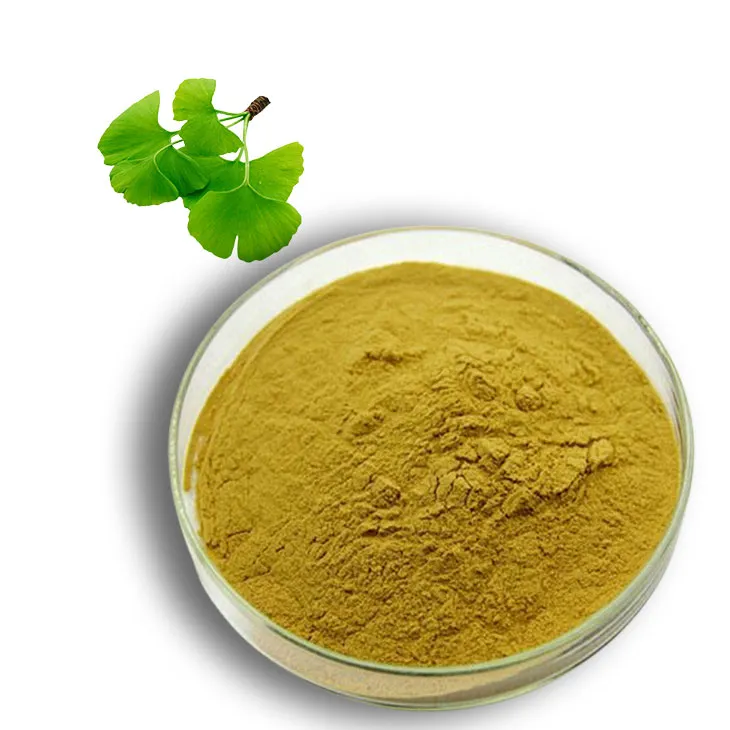
Ginkgo biloba, a unique and ancient tree species, has been a subject of great interest in various industries due to its potential health benefits. Ginkgo Biloba Extract is a concentrated form of the bioactive components found in the plant. However, not all extracts are the same. There are different grades of ginkgo biloba extract, each with its own set of characteristics. Understanding these grades and how to select the appropriate one is crucial for different applications, whether in pharmaceuticals, nutraceuticals, or cosmetics.
2. The Grading System of Ginkgo Biloba Extract
The grading of Ginkgo Biloba Extract is mainly based on certain key parameters.
2.1 Concentration of Bioactive Compounds
Ginkgoflavone glycosides and bilobalide are two of the most important bioactive compounds in ginkgo biloba extract.
- Higher - grade extracts usually have a higher concentration of these compounds. For example, in the pharmaceutical industry, a high - grade extract might be required to have a specific minimum percentage of ginkgoflavone glycosides, say 24% or more. This ensures that the extract has a sufficient amount of the active ingredients to potentially produce the desired pharmacological effects.
- In contrast, lower - grade extracts may have a lower concentration of these bioactive compounds. They might be suitable for applications where a less potent effect is sufficient, such as in some cosmetic products where the extract is mainly used for its antioxidant properties at a more diluted level.
2.2 Purity
Purity is another factor in the grading.
- A high - grade extract should be relatively pure, with minimal contaminants. Contaminants could include heavy metals, pesticides, or other unwanted substances. In the pharmaceutical field, strict regulations demand a high level of purity to ensure the safety and efficacy of the final product. For example, the presence of even trace amounts of heavy metals in a drug - grade Ginkgo Biloba Extract could be unacceptable as it may pose health risks to patients.
- Lower - grade extracts may have a slightly higher tolerance for impurities, especially in non - medicinal applications. For instance, in some nutraceutical products where the consumption is not as strictly regulated as pharmaceuticals, a certain level of impurity might be acceptable as long as it does not significantly affect the overall quality and safety of the product.
3. Different Industry Requirements
The appropriate grade of Ginkgo Biloba Extract varies depending on the industry.
3.1 Pharmaceutical Industry
In the pharmaceutical industry, the requirements for Ginkgo Biloba Extract are extremely strict.
- Quality Assurance: Pharmaceutical - grade Ginkgo Biloba Extract must meet the highest standards of quality assurance. This includes strict control over the raw materials, the extraction process, and the final product. For example, the manufacturing process must be carried out in facilities that comply with Good Manufacturing Practice (GMP) regulations. These regulations ensure that every step of the production process, from the sourcing of the ginkgo biloba leaves to the packaging of the final extract, is carefully monitored and controlled to prevent contamination and ensure product consistency.
- Efficacy and Safety: Since drugs are used for treating or preventing diseases, the efficacy and safety of the Ginkgo Biloba Extract are of utmost importance. A high - grade extract with a precisely defined concentration of bioactive compounds is necessary. Clinical trials are often required to prove the effectiveness of the extract for specific medical conditions. For example, if the extract is being developed for treating cognitive decline, the appropriate dosage and the concentration of active ingredients need to be carefully determined based on scientific research to ensure that it can actually improve cognitive function without causing harmful side effects.

3.2 Nutraceutical Industry
The nutraceutical industry focuses on products that have both nutritional and potential health - promoting benefits.
- Cost - Quality Balance: In this industry, there is often a need to balance cost and quality. While consumers expect a certain level of quality and effectiveness, they are also price - sensitive. As a result, a mid - grade Ginkgo Biloba Extract might be more commonly used. This grade can provide a reasonable amount of bioactive compounds at a relatively lower cost compared to the high - grade extracts used in pharmaceuticals. For example, a nutraceutical supplement designed to support general well - being may not require the same high concentration of ginkgo flavone glycosides as a drug for a specific medical condition.
- Product Variety: Nutraceutical products come in a wide variety, such as capsules, tablets, and liquid supplements. The grade of the Ginkgo Biloba Extract can be adjusted according to the specific product form and its intended use. For instance, a liquid supplement may require a more soluble form of the extract, which may be achieved with a different grade compared to a tablet - based product.

3.3 Cosmetic Industry
In the cosmetic industry, Ginkgo Biloba Extract is mainly used for its antioxidant and skin - enhancing properties.
- Skin - Friendly Properties: Cosmetic - grade Ginkgo Biloba Extract is selected based on its ability to improve skin texture, reduce wrinkles, and protect the skin from environmental damage. Since the extract is not ingested in the same way as in pharmaceuticals or nutraceuticals, the focus is more on its external benefits. A lower - grade extract may be sufficient for some cosmetic applications, as long as it can provide the necessary antioxidant activity. For example, in a facial cream, the extract can help prevent oxidative stress on the skin caused by UV radiation and pollution.
- Aesthetic Considerations: In addition to its functional properties, the extract should also be compatible with other cosmetic ingredients. It should not cause any adverse reactions such as skin irritation or discoloration. The grade of the extract may be adjusted to ensure that it blends well with the overall formulation of the cosmetic product. For instance, in a makeup product, the ginkgo biloba extract needs to have a texture and color that does not interfere with the appearance of the final product.
4. The Influence of the Extraction Process
The extraction process plays a significant role in determining the grade of Ginkgo Biloba Extract.
4.1 Traditional Extraction Methods
Traditional extraction methods, such as solvent extraction, have been widely used.
- Solvent Extraction: In solvent extraction, solvents like ethanol or ethyl acetate are used to extract the bioactive compounds from the ginkgo biloba leaves. This method can be relatively simple and cost - effective. However, it may result in a less pure extract compared to some modern extraction techniques. For example, the solvent may leave behind some residues in the extract, which can affect its quality and grade.
- Limitations: Traditional methods may also have limitations in terms of the efficiency of extracting certain bioactive compounds. For instance, they may not be able to fully extract all the beneficial components from the ginkgo biloba leaves, leading to a lower - grade extract in terms of the concentration of key bioactive compounds.
4.2 Modern Extraction Technologies
Modern extraction technologies offer some advantages over traditional methods.
- Supercritical Fluid Extraction: Supercritical fluid extraction, using substances like carbon dioxide in a supercritical state, can produce a purer and more effective extract. This method can selectively extract the desired bioactive compounds while leaving behind impurities. As a result, the extract obtained through this method may be of a higher grade. For example, it can achieve a higher concentration of ginkgoflavone glycosides and bilobalide with fewer contaminants compared to solvent extraction.
- Microwave - Assisted Extraction: Microwave - assisted extraction is another modern technique. It uses microwave energy to accelerate the extraction process. This method can be more energy - efficient and may also improve the extraction yield of bioactive compounds. The resulting extract may have a better quality and potentially be of a higher grade, especially when it comes to the concentration of key bioactive components.
5. How to Make an Informed Choice
When selecting the appropriate grade of Ginkgo Biloba Extract, several factors need to be considered.
5.1 Define the Purpose
The first step is to clearly define the purpose of using the Ginkgo Biloba Extract.
- If it is for a pharmaceutical application, a high - grade extract with strict quality control and a precisely defined composition of bioactive compounds is essential. For example, if developing a drug for cardiovascular diseases, the extract must meet the specific requirements for treating such conditions, including the appropriate concentration of ginkgoflavone glycosides and bilobalide.
- For nutraceutical products aimed at general health promotion, a mid - grade extract that balances cost and quality may be sufficient. For instance, a supplement for improving memory in a non - diseased state may not need the same high - level purity and concentration as a pharmaceutical product.
- In the case of cosmetic applications, the focus may be on the antioxidant and skin - enhancing properties. A lower - grade extract that can provide these benefits without causing skin irritation may be a good choice. For example, in a body lotion, the extract can be used to improve the skin's moisture retention and antioxidant protection.
5.2 Evaluate the Source
The source of the Ginkgo Biloba Extract is also important.
- Quality of Raw Materials: The quality of the ginkgo biloba leaves used for extraction can affect the grade of the final extract. Leaves from well - managed and sustainable sources are more likely to produce a high - quality extract. For example, leaves from organically grown ginkgo biloba trees may have fewer pesticide residues, which can contribute to a purer extract.
- Supplier Reputation: A reliable supplier with a good reputation is more likely to provide a consistent and high - grade extract. Suppliers should have proper quality control measures in place, such as testing for the concentration of bioactive compounds and purity. For instance, a supplier that has been in the business for a long time and has a track record of providing quality Ginkgo Biloba Extracts is more trustworthy.
5.3 Consider the Cost - Benefit Ratio
Cost - benefit ratio is a crucial factor, especially in non - pharmaceutical applications.
- In the nutraceutical and cosmetic industries, while quality is important, cost also plays a role. Comparing different grades of Ginkgo Biloba Extract in terms of their cost and the benefits they provide can help in making a more informed choice. For example, a slightly lower - grade extract that offers most of the desired benefits at a significantly lower cost may be a more viable option for a nutraceutical product with a large market but price - sensitive consumers.
- However, it is important to note that cutting costs too much may sacrifice quality and effectiveness. A balance needs to be struck between cost and the desired properties of the extract. For instance, in a high - end cosmetic product, a higher - grade extract may be necessary to achieve the premium quality and performance expected by consumers, even though it may be more expensive.
6. Conclusion
Selecting the appropriate grade of Ginkgo Biloba Extract is a complex process that requires consideration of multiple factors. The grading system is based on the concentration of bioactive compounds and purity. Different industries have different requirements, with the pharmaceutical industry demanding the highest grade for safety and efficacy, while the nutraceutical and cosmetic industries may opt for different grades depending on cost - quality balance and specific product needs. The extraction process also affects the grade of the extract, with modern techniques often producing higher - grade extracts. By carefully considering the purpose, source, and cost - benefit ratio, one can make an informed choice when selecting the appropriate grade of Ginkgo Biloba Extract for various applications.
FAQ:
What are the main bioactive compounds considered in the grading of Ginkgo Biloba Extract?
The main bioactive compounds considered in the grading of Ginkgo Biloba Extract are ginkgoflavone glycosides and bilobalide. The concentration of these compounds is an important parameter for determining the grade of the extract.
Why is a top - grade Ginkgo Biloba Extract necessary for the pharmaceutical industry?
In the pharmaceutical industry, a top - grade Ginkgo Biloba Extract with strict quality assurance is necessary because drugs need to have consistent and reliable effects. A high - grade extract ensures that the active ingredients are present in the appropriate amounts and of high purity, which is crucial for the safety and efficacy of pharmaceutical products.
How does the extraction process affect the grade of Ginkgo Biloba Extract?
The extraction process can significantly affect the grade of Ginkgo Biloba Extract. Some extraction methods may yield a purer and more effective extract. For example, advanced extraction techniques can better isolate the bioactive compounds, resulting in a higher - grade extract with better quality and more concentrated active ingredients.
What factors should be considered when choosing a grade of Ginkgo Biloba Extract for the nutraceutical sector?
When choosing a grade of Ginkgo Biloba Extract for the nutraceutical sector, a balance between cost and quality should be considered. Since nutraceutical products are not as strictly regulated as pharmaceuticals, a lower - cost grade may be acceptable as long as it still contains a sufficient amount of the beneficial bioactive compounds. However, quality also matters to ensure the effectiveness of the product for consumers.
How can one ensure the quality of Ginkgo Biloba Extract regardless of the grade?
To ensure the quality of Ginkgo Biloba Extract regardless of the grade, one can look for products from reliable manufacturers. These manufacturers should follow good manufacturing practices (GMP). Additionally, checking for third - party testing and certifications can also help verify the quality of the extract.
Related literature
- Ginkgo Biloba Extract: Properties, Health Benefits, and Applications"
- "Standardization of Ginkgo Biloba Extract: A Review of Current Practices"
- "Bioactive Compounds in Ginkgo biloba: Significance in Grading and Quality Assessment"


-

L-Theanine Powder
2024-12-20
-

Rutin
2024-12-20
-

Golden Seal Extract
2024-12-20
-

Saffron Extract Powder
2024-12-20
-

Moringa powder
2024-12-20
-

Yam Extract
2024-12-20
-

Lotus leaf extract
2024-12-20
-

Giant Knotweed Extract
2024-12-20
-

L-carnitine
2024-12-20
-

Acerola Juice Powder
2024-12-20