


1. Introduction
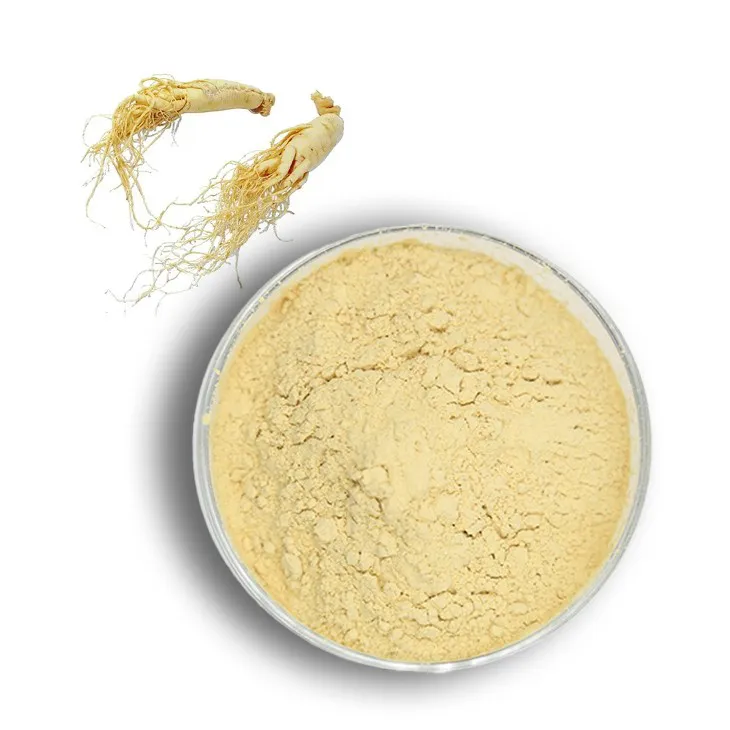
Ginseng has been highly regarded in traditional medicine for centuries, particularly in Asian cultures. Ginseng Root Extract, which is derived from the ginseng root, has gained significant popularity in recent years due to its potential health benefits. This article will explore the various aspects of Ginseng Root Extract, including its cultivation, processing, technological advancements, and market potential.
2. Cultivation of Ginseng
2.1 Suitable Environments
Ginseng is a fragile and demanding plant when it comes to its growing environment. It typically thrives in cool, humid regions with well - drained soil. In the wild, it is often found in shaded forest areas. For commercial cultivation, growers attempt to replicate these natural conditions as closely as possible. For example, in regions like Korea and parts of China, ginseng is often grown in shaded mountainous areas or in specially designed shade - houses.
2.2 Soil Requirements
The soil for ginseng cultivation needs to be rich in nutrients, have good water - holding capacity, and be well - aerated. Loamy soils are often preferred. Growers may need to amend the soil with organic matter such as compost or well - rotted manure to improve its fertility. Additionally, the soil pH should be in the range of 5.5 - 6.5 for optimal growth.

2.3 Propagation
Ginseng can be propagated through seeds or by dividing the roots. Seed propagation is more common in large - scale cultivation. However, ginseng seeds have a unique dormancy period. They need to be stratified, which means they are subjected to a period of cold and moist conditions to break dormancy. This process can take up to two years. Once the seeds are ready, they are planted in carefully prepared beds at a specific depth and spacing.

2.4 Growth and Care
During the growth period, ginseng requires regular watering to maintain soil moisture. However, over - watering can lead to root rot, so proper drainage is crucial. The plants also need protection from pests and diseases. Common pests include nematodes and slugs, while diseases such as root rot and leaf blight can be a significant threat. Growers often use organic pesticides and fungicides or practice crop rotation to manage these issues.
3. Processing of Ginseng Root Extract

3.1 Harvesting
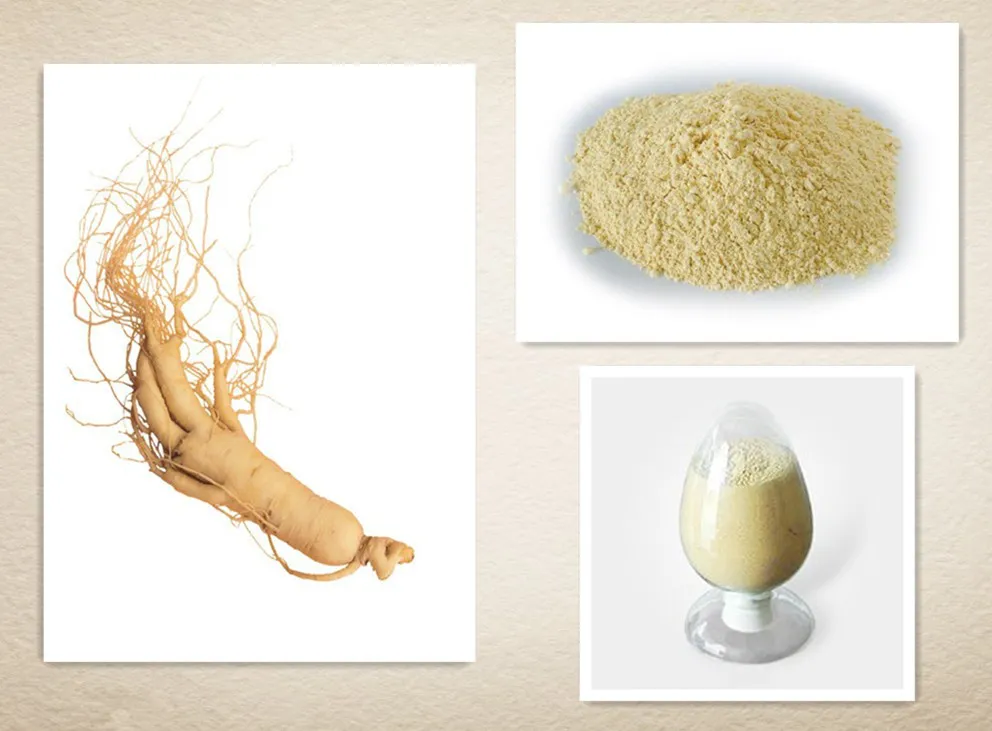
Ginseng roots are typically harvested when they reach a certain age, which can range from 3 - 6 years depending on the variety and intended use. Harvesting is a delicate process as the roots are easily damaged. Growers use tools like small forks or trowels to carefully dig out the roots from the soil.
3.2 Cleaning and Sorting
After harvesting, the roots are thoroughly cleaned to remove soil and debris. This can be done by gently washing them in clean water. Once cleaned, the roots are sorted based on their size, shape, and quality. High - quality roots are set aside for extraction, while those with defects may be used for other purposes or discarded.
3.3 Extraction Methods
- Solvent Extraction: This is one of the most common methods. Solvents such as ethanol or water are used to extract the active compounds from the ginseng roots. Ethanol extraction is often preferred as it can extract a wide range of compounds, including the ginsenosides, which are the main bioactive components in ginseng. The roots are soaked in the solvent for a period of time, and then the extract is filtered and concentrated.
- Supercritical Fluid Extraction: This is a more advanced method that uses supercritical fluids, such as carbon dioxide. Supercritical carbon dioxide has properties similar to both a gas and a liquid, which makes it an excellent solvent for extracting compounds. This method has several advantages, including being more environmentally friendly and producing a purer extract with a higher concentration of bioactive compounds.
3.4 Purification and Concentration
After extraction, the Ginseng Root Extract may need to be purified to remove any impurities or unwanted compounds. This can be done through techniques such as chromatography or filtration. The purified extract is then concentrated to increase the concentration of the active compounds. This concentrated extract can be in the form of a liquid, powder, or capsule, depending on the final product requirements.
4. Technological Advancements in Ginseng Root Extract Production
4.1 Biotechnology
Biotechnology has played an important role in Ginseng Root Extract production. Through genetic engineering, scientists are attempting to develop ginseng varieties with higher yields and improved resistance to pests and diseases. Additionally, biotechnological methods are being used to study the biosynthesis of ginsenosides, which could lead to more efficient production methods in the future.
4.2 Quality Control Technologies
Advanced quality control technologies are essential in ensuring the safety and efficacy of Ginseng Root Extract products. High - performance liquid chromatography (HPLC) is commonly used to analyze the composition of the extract, specifically to determine the concentration of ginsenosides. Other techniques such as mass spectrometry are also used for more detailed analysis of the chemical components. These technologies help in standardizing the production process and ensuring that the final product meets the required quality standards.
4.3 Packaging and Preservation Technologies
To maintain the freshness and potency of Ginseng Root Extract, appropriate packaging and preservation technologies are crucial. Packaging materials need to be able to protect the extract from light, moisture, and oxygen. Vacuum - sealed packaging and amber - colored bottles are often used to prevent degradation of the active compounds. Additionally, new preservation techniques such as freeze - drying are being explored to increase the shelf - life of Ginseng Root Extract products.
5. Market Potential of Ginseng Root Extract
5.1 Health and Wellness Industry
The growing interest in natural and herbal remedies has led to an increased demand for Ginseng Root Extract in the health and wellness industry. Ginseng is believed to have various health benefits, including boosting energy, improving cognitive function, and enhancing the immune system. As a result, it is commonly used in dietary supplements, functional foods, and herbal teas. The global dietary supplement market has been expanding steadily, and Ginseng Root Extract is well - positioned to capture a significant share of this market.
5.2 Cosmetics and Skincare Industry
Ginseng Root Extract has also found applications in the cosmetics and skincare industry. Its antioxidant and anti - inflammatory properties make it a valuable ingredient in products such as creams, lotions, and serums. It is believed to help in reducing wrinkles, improving skin elasticity, and promoting a healthy complexion. With the increasing consumer demand for natural and organic skincare products, the market for ginseng - based cosmetics is expected to grow.
5.3 Global Market Trends
- Increasing Consumption in Western Markets: Historically, ginseng has been mainly consumed in Asian markets. However, in recent years, there has been a growing trend of ginseng consumption in Western countries, driven by the increasing awareness of its health benefits. This has led to an expansion of the global Ginseng Root Extract market.
- Rising Demand for Organic and Sustainable Products: Consumers are becoming more conscious about the origin and production methods of the products they consume. There is a growing demand for organic Ginseng Root Extract, which is produced without the use of synthetic pesticides and fertilizers. Growers are responding to this trend by adopting more sustainable cultivation practices.
5.4 Market Challenges
- Quality Variability: Due to differences in cultivation methods, soil conditions, and extraction processes, the quality of Ginseng Root Extract can vary significantly. This can make it difficult for consumers to ensure that they are getting a high - quality product. Standardization of production processes and quality control measures are needed to address this issue.
- Competition from Synthetic Alternatives: In some cases, synthetic drugs or ingredients may offer similar benefits to Ginseng Root Extract at a lower cost. This poses a challenge for the Ginseng Root Extract market, as it needs to compete on the basis of its unique natural properties and potential health benefits.
- Regulatory Hurdles: Different countries have different regulations regarding the production, marketing, and sale of Ginseng Root Extract products. This can create barriers for companies looking to enter new markets. Compliance with these regulations requires significant investment in research and development, as well as quality control.
6. Conclusion
Ginseng Root Extract has significant potential in various industries, including health and wellness, cosmetics, and skincare. However, to fully realize this potential, it is essential to address the challenges related to cultivation, processing, and market access. Continued research and development in areas such as biotechnology, quality control, and sustainable cultivation will be crucial in ensuring the long - term viability and growth of the Ginseng Root Extract market.
FAQ:
What are the key factors in ginseng root cultivation?
Soil quality is crucial. Ginseng thrives in well - drained, loamy soil with a specific pH range. Adequate sunlight, but not excessive, is also necessary. It often requires a shaded environment. Temperature and humidity control are vital as well. Ginseng prefers cool and humid conditions. Additionally, proper spacing between plants ensures healthy growth and nutrient uptake.
How is ginseng root processed?
After harvesting, the ginseng roots are first carefully cleaned to remove dirt and debris. Then, they may be dried, either through natural air - drying or in a controlled drying environment. Drying helps to preserve the roots. Some processing methods also involve steaming the roots, which can change their chemical composition. After drying or steaming, the roots can be ground into a powder for extract production.
What are the main technologies used in Ginseng Root Extract production?
One common technology is solvent extraction. Different solvents, such as ethanol, can be used to extract the active compounds from the ginseng roots. Another technology is supercritical fluid extraction, which uses supercritical carbon dioxide. This method is considered more environmentally friendly and can produce high - quality extracts. There are also techniques for purification and concentration of the extracts to ensure the desired potency.
What is the current market situation for Ginseng Root Extract?
The market for Ginseng Root Extract has been growing steadily. It has a wide range of applications in the pharmaceutical, cosmetic, and dietary supplement industries. In the pharmaceutical industry, it is being studied for its potential health - promoting properties. In cosmetics, it is used for anti - aging and skin - enhancing products. In the dietary supplement market, Ginseng Root Extract is popular for its energy - boosting and immune - enhancing claims. However, market competition is also intense, with many producers vying for market share.
What are the challenges in the cultivation and production of Ginseng Root Extract?
Cultivation challenges include susceptibility to diseases and pests, as ginseng is a delicate plant. It also has specific environmental requirements that can be difficult to maintain on a large scale. In production, ensuring consistent quality of the extract is a challenge. There are also regulatory requirements to comply with, especially in the pharmaceutical and dietary supplement sectors. Additionally, the cost of production, including cultivation, processing, and research, can be high.
Related literature
- Ginseng Cultivation: Best Practices"
- "Advanced Processing Technologies for Ginseng Root Extract"
- "The Market Dynamics of Ginseng - Based Products"


-

Elderberry Extract
2024-12-07
-

Chasteberry Extract
2024-12-07
-

Tormentil Extract
2024-12-07
-

Gynostemma pentaphyllum extract
2024-12-07
-

N-Acetyl-L-cysteine(NAC)
2024-12-07
-

Citrus Aurantii Extract
2024-12-07
-

Diosmin
2024-12-07
-

Shikone Extract
2024-12-07
-

Milk Thistle Extract
2024-12-07
-

Kelp Extract Powder
2024-12-07