


Introduction
Ginseng Root Extract has been a subject of great interest for centuries, not only in traditional medicine but also in modern research and various industries. Originating from Asia, particularly from countries like China, Korea, and Siberia, ginseng has a long - standing reputation for its numerous health - promoting and beautifying properties.
Botanical Background
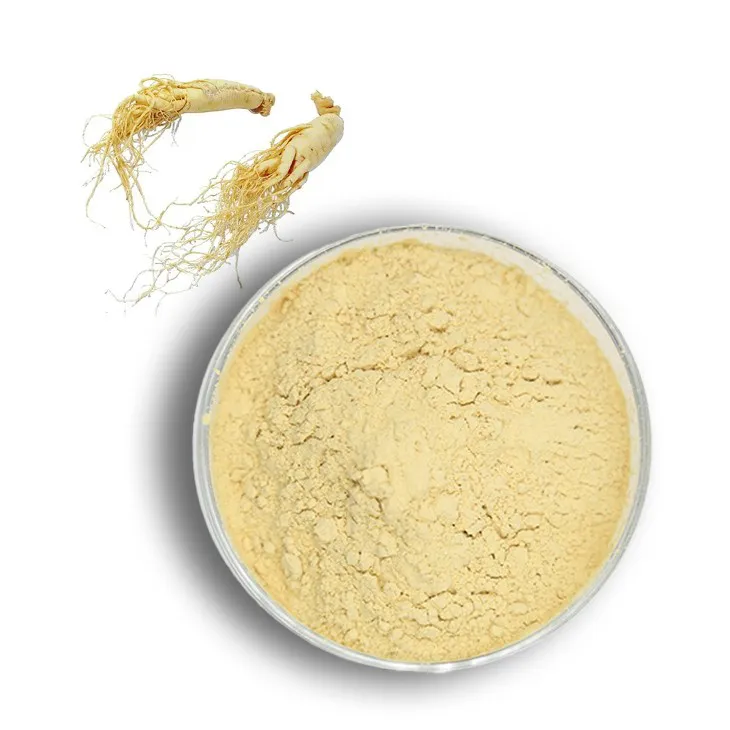
Ginseng belongs to the genus Panax, which includes several species such as Panax ginseng (Asian ginseng), Panax quinquefolius (American ginseng), and others. The root of the ginseng plant is the part that is typically used for extraction. It is a slow - growing perennial plant with fleshy roots.
The plant has characteristic compound leaves with leaflets. The flowers are small and usually greenish - white. The growth of ginseng requires specific environmental conditions, including well - drained soil, shade, and a certain level of humidity. This is one of the reasons why wild ginseng is becoming increasingly rare and is often protected in many regions.
Medicinal Properties
1. Adaptogenic Effects
One of the most well - known properties of Ginseng Root Extract is its adaptogenic nature. Adaptogens are substances that help the body adapt to various stressors, whether physical, mental, or environmental. Ginseng is believed to work on the hypothalamic - pituitary - adrenal (HPA) axis, which is involved in the body's stress response.
In times of stress, it can help regulate cortisol levels. For example, in a study on individuals exposed to chronic stress, those who took Ginseng Root Extract showed more stable cortisol patterns compared to the control group. This can lead to reduced feelings of fatigue, anxiety, and improved overall well - being.
2. Immune System Support
Ginseng Root Extract has also been shown to have positive effects on the immune system. It contains various bioactive compounds such as ginsenosides, which are thought to enhance the activity of immune cells.
Research has indicated that ginseng can stimulate the production of macrophages, which are cells responsible for engulfing and destroying foreign invaders such as bacteria and viruses. Additionally, it may help regulate the immune response, preventing over - activation or under - activation of the immune system.

3. Cognitive Function Improvement
There is growing evidence suggesting that Ginseng Root Extract can benefit cognitive function. Ginsenosides have been found to have neuroprotective effects, which may be beneficial for preventing age - related cognitive decline.
In studies on elderly individuals with mild cognitive impairment, ginseng supplementation was associated with improved memory, attention, and mental processing speed. It may also help improve blood flow to the brain, providing the necessary oxygen and nutrients for optimal brain function.

4. Anti - Inflammatory Properties
Chronic inflammation is associated with many diseases, including heart disease, diabetes, and arthritis. Ginseng Root Extract contains anti - inflammatory compounds that can help reduce inflammation in the body.
In vitro and in vivo studies have demonstrated that ginseng can inhibit the production of inflammatory cytokines, which are signaling molecules involved in the inflammatory process. By reducing inflammation, ginseng may play a role in preventing and managing various inflammatory - related diseases.
Chemical Composition
The main bioactive components in Ginseng Root Extract are ginsenosides. Ginsenosides are a group of steroid - like compounds that are responsible for many of the pharmacological effects of ginseng. There are different types of ginsenosides, such as Rg1, Rb1, and Re, each with its own set of properties.
In addition to ginsenosides, Ginseng Root Extract also contains polysaccharides, which have immunomodulatory effects. There are also flavonoids, peptides, and other minor components that may contribute to the overall activity of the extract.
Extraction Methods

1. Traditional Extraction
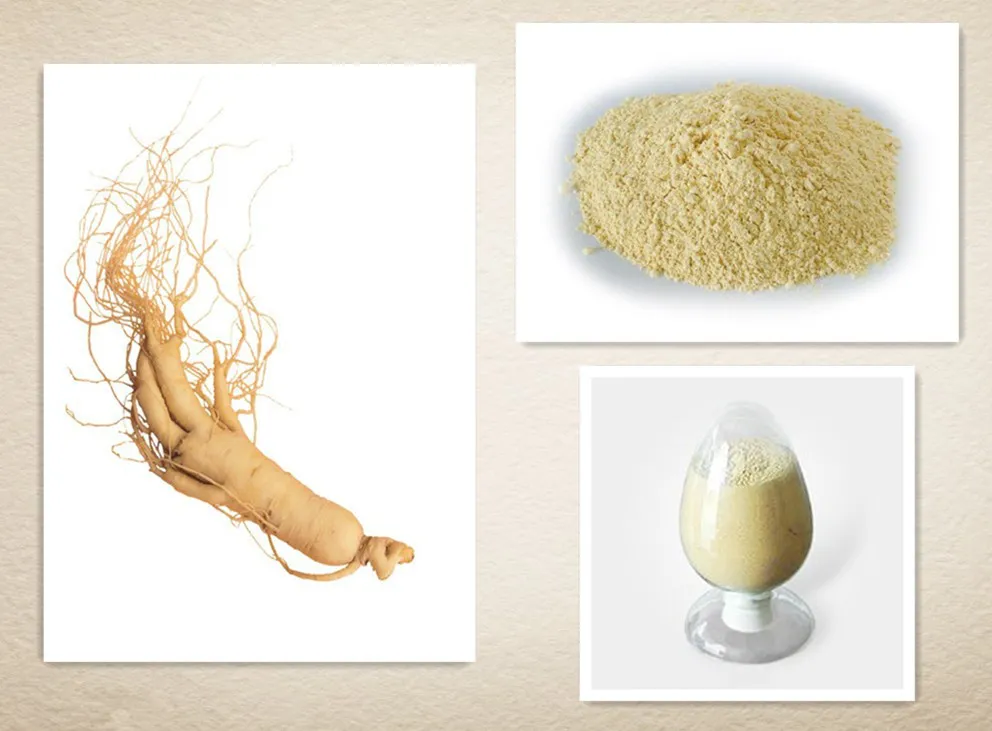
In traditional methods, ginseng roots are often dried first. Then, they are typically soaked in water or alcohol (such as ethanol) for an extended period. The liquid is then filtered to obtain the extract. For example, in some Asian traditional medicine preparations, dried ginseng roots are soaked in rice wine for weeks or even months to extract the active components.
2. Modern Extraction Technologies
With the development of modern technology, more advanced extraction methods have been developed. These include supercritical fluid extraction (SFE), which uses supercritical carbon dioxide as the solvent. This method has the advantage of being able to extract the active components more selectively and with less solvent residue compared to traditional methods.
Another modern method is microwave - assisted extraction (MAE), which can significantly reduce the extraction time. Ultrasonic - assisted extraction (UAE) is also used, which utilizes ultrasonic waves to enhance the extraction efficiency.
Uses in the Beauty Industry
1. Anti - Aging Effects
In the beauty industry, Ginseng Root Extract is highly valued for its anti - aging properties. The antioxidant activity of ginsenosides helps to neutralize free radicals, which are unstable molecules that can damage skin cells and contribute to premature aging.
It can also stimulate collagen production in the skin. Collagen is a protein that is essential for maintaining skin elasticity and firmness. By promoting collagen synthesis, Ginseng Root Extract can help reduce the appearance of wrinkles and fine lines.
2. Skin Brightening
Ginseng Root Extract has been found to have skin - brightening effects. It can help to even out skin tone and reduce the appearance of dark spots. This may be due to its ability to inhibit the production of melanin, the pigment responsible for skin color.
Some skincare products containing Ginseng Root Extract claim to provide a more radiant and youthful complexion by improving the overall skin tone.
3. Hair Health
For hair, Ginseng Root Extract can improve the health of the scalp. It has anti - inflammatory properties that can help soothe an itchy or irritated scalp. Additionally, it may stimulate hair follicles, promoting hair growth and reducing hair loss.
There are hair products, such as shampoos and hair tonics, that incorporate Ginseng Root Extract for these beneficial effects.
Side Effects and Precautions
While Ginseng Root Extract is generally considered safe for most people when used appropriately, there are some potential side effects and precautions to be aware of.
High doses of ginseng may cause side effects such as insomnia, nervousness, and increased blood pressure. People with certain medical conditions, such as hypertension, diabetes, or bleeding disorders, should consult their healthcare provider before using ginseng products.
Also, ginseng may interact with certain medications, including anticoagulants, antidepressants, and hypoglycemic agents. Pregnant and breastfeeding women should also avoid using Ginseng Root Extract due to the lack of sufficient safety data.
Conclusion
Ginseng Root Extract is a remarkable substance with a wide range of potential benefits in the fields of medicine, beauty, and overall well - being. Its long history of use in traditional medicine, combined with modern scientific research, continues to uncover new aspects of its effectiveness. However, it is important to use it responsibly and be aware of the potential side effects and interactions. As research progresses, we can expect to see even more applications and a deeper understanding of this valuable plant extract.
FAQ:
What are the main medicinal properties of Ginseng Root Extract?
Ginseng Root Extract has several medicinal properties. It is known for its adaptogenic qualities, which can help the body adapt to stress. It may also boost the immune system, improve cognitive function, and enhance physical stamina. Additionally, it has been studied for its potential anti - inflammatory and antioxidant effects.
How is Ginseng Root Extract used in the beauty industry?
In the beauty industry, Ginseng Root Extract is used in various ways. It is often included in skincare products due to its antioxidant properties, which can help fight free radicals and slow down the aging process. It may also improve skin complexion, increase skin elasticity, and promote hair growth when used in haircare products.
Are there any side effects of using Ginseng Root Extract?
While Ginseng Root Extract is generally considered safe for most people when used in moderation, some may experience side effects. These can include insomnia, nervousness, and increased blood pressure, especially if consumed in large amounts. It may also interact with certain medications, so it's important to consult a healthcare provider before use.
How is Ginseng Root Extract obtained?
Ginseng Root Extract is typically obtained through a process of extraction from the ginseng root. This can involve methods such as solvent extraction or steam distillation. The quality of the extract can depend on factors such as the type of ginseng used (e.g., Asian ginseng or American ginseng), the age of the root, and the extraction method employed.
Can Ginseng Root Extract be used in cooking?
Yes, Ginseng Root Extract can be used in cooking. It can be added to soups, teas, and other dishes. In cooking, it imparts a unique flavor and also brings its potential health benefits. However, it should be used sparingly as it has a strong taste.
Related literature
- The Medicinal Properties of Ginseng: A Comprehensive Review"
- "Ginseng in Cosmetics: Benefits and Applications"
- "Ginseng Root Extract: Production and Quality Control"


-

Medicinal Marshmallow Extract
2024-12-13
-

Rhodiola Rosea Root extract
2024-12-13
-

White mustard seed extract
2024-12-13
-

Baicalin
2024-12-13
-

Natural grape seed extract
2024-12-13
-

Quercetin
2024-12-13
-

Clove Powder
2024-12-13
-

Feverfew Extract
2024-12-13
-

Epimedium extract powder
2024-12-13
-

Nettle leaf extract
2024-12-13