


1. Introduction
Ginseng has been highly valued in various cultures for centuries due to its potential health benefits. Ginseng Root Extract is a concentrated form of the active compounds present in ginseng roots. This extract has found its way into numerous products in different industries, including nutraceuticals, traditional medicine, and skincare. The role of manufacturers and suppliers in this context is crucial as they are responsible for ensuring a steady supply of high - quality Ginseng Root Extract to meet the growing market demand.
2. Ginseng Root Extract Manufacturers
2.1. Manufacturing Processes
Manufacturers use a variety of advanced techniques to extract the potent compounds from ginseng roots. One common method is solvent extraction, where solvents such as ethanol or water are used to dissolve the active ingredients. Another technique is supercritical fluid extraction, which offers advantages in terms of selectivity and purity of the extract. For example, in supercritical fluid extraction using carbon dioxide, the process can be precisely controlled to obtain a high - quality extract with a specific composition of active compounds.
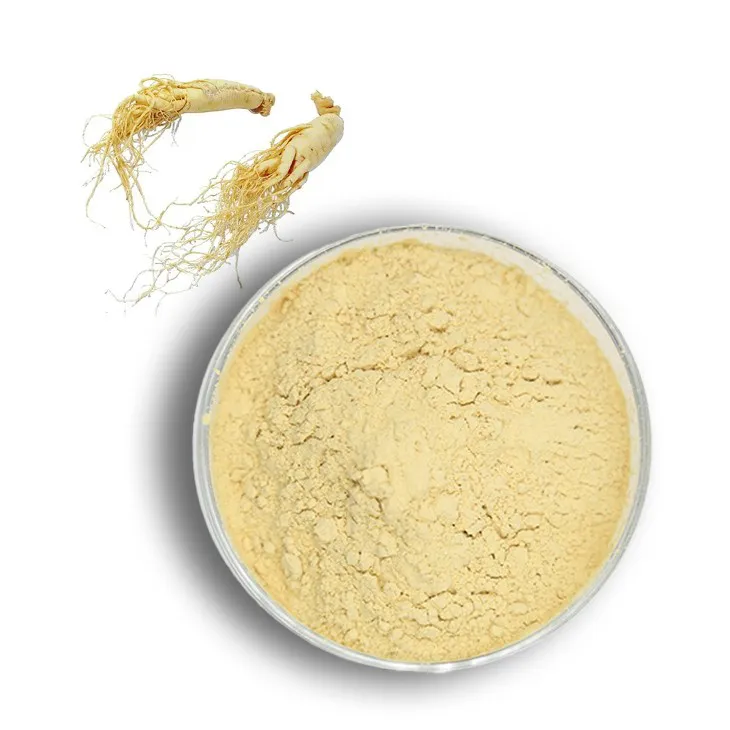
2.2. Quality Control in Manufacturing
Quality control is of utmost importance in the manufacturing of Ginseng Root Extract. Manufacturers need to ensure that the raw ginseng roots are of high quality, sourced from reliable suppliers. They conduct various tests on the incoming raw materials, such as identity testing to confirm that the roots are indeed ginseng, and purity testing to check for contaminants. During the extraction process, parameters like temperature, pressure, and extraction time are carefully monitored to ensure consistency in the quality of the extract. After extraction, the final product is subjected to analytical testing to determine the concentration of active compounds, such as ginsenosides.

2.3. Regional Specialties in Manufacturing
Ginseng Root Extract manufacturers are spread across different regions, each with its own specialty. For instance, in Asia, particularly in countries like South Korea and China, there is a long - standing tradition of ginseng cultivation and extraction. Asian manufacturers often focus on traditional extraction methods that have been passed down through generations, while also incorporating modern techniques. In North America, manufacturers may emphasize on large - scale production with a focus on meeting the demands of the nutraceutical and supplement markets. European manufacturers, on the other hand, may be more inclined towards high - end, specialized extracts for use in luxury skincare and pharmaceutical products.
3. Ginseng Root Extract Suppliers

3.1. The Role of Suppliers
Suppliers play a vital role as the link between manufacturers and end - users. They are responsible for sourcing Ginseng Root Extract from manufacturers and ensuring its timely delivery to customers. Suppliers also need to manage proper storage of the extract to maintain its quality. This involves storing the extract in suitable conditions, such as in a cool, dry place away from direct sunlight, to prevent degradation of the active compounds.

3.2. Supplier Networks
Suppliers typically have a vast network that allows them to reach a wide range of customers. They may have connections with small - scale local businesses as well as large international corporations. For example, a supplier may supply Ginseng Root Extract to a local herbalist for use in traditional medicine preparations, while also providing the extract to a multinational skincare company for use in their high - end product lines. This network also enables suppliers to source Ginseng Root Extract from different manufacturers, depending on the specific requirements of their customers in terms of quality, quantity, and price.
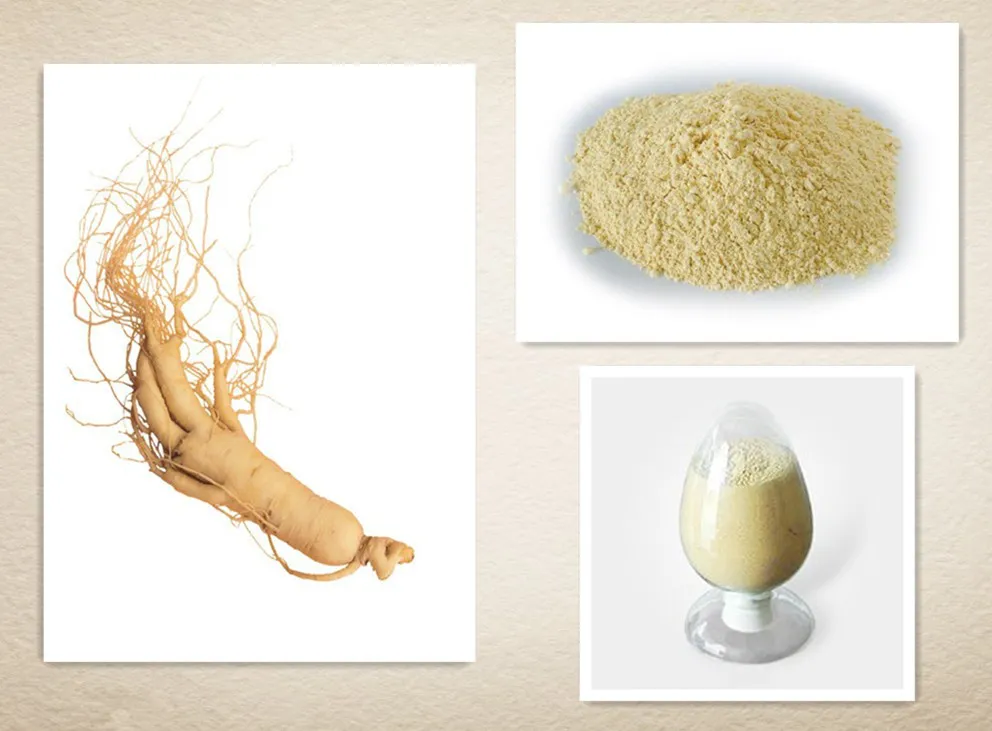
3.3. Ensuring Quality during Supply
Just like manufacturers, suppliers need to ensure the quality of the Ginseng Root Extract during the supply process. They should have proper documentation and traceability systems in place to track the origin and quality of the extract. This is especially important in industries such as pharmaceuticals and skincare, where regulatory requirements are strict. Suppliers may also conduct their own quality checks on the extract before delivering it to customers to ensure that it meets the required standards.
4. Collaboration between Manufacturers and Suppliers
4.1. Information Sharing
Manufacturers and suppliers need to share important information to ensure a smooth flow of Ginseng Root Extract in the market. Manufacturers can provide suppliers with details about the extraction process, quality control measures, and any potential changes in production. Suppliers, in turn, can share market trends and customer demands with manufacturers. For example, if suppliers notice an increasing demand for Ginseng Root Extract in the skincare industry due to new research on its anti - aging properties, they can inform manufacturers, who can then adjust their production accordingly.
4.2. Inventory Management
Effective inventory management is a key aspect of collaboration between manufacturers and suppliers. Suppliers need to have an accurate understanding of the manufacturer's production capacity and inventory levels. This helps them plan their orders and ensure that there is a continuous supply of Ginseng Root Extract to meet market demand. Manufacturers, on the other hand, can rely on suppliers to manage their inventory levels by adjusting their orders based on market trends. For instance, if the demand for Ginseng Root Extract in the nutraceutical market is expected to decline in a particular season, suppliers can reduce their orders from manufacturers to avoid overstocking.
4.3. Joint Quality Improvement Initiatives
Manufacturers and suppliers can collaborate on joint quality improvement initiatives. They can work together to develop new extraction techniques or improve existing ones to enhance the quality of Ginseng Root Extract. For example, they may invest in research to find more efficient ways to extract specific ginsenosides with higher purity. Additionally, they can jointly develop quality standards and testing protocols that are more in line with the requirements of different industries. This not only improves the quality of the extract but also enhances the competitiveness of both manufacturers and suppliers in the market.
5. Meeting Market Demand in Different Industries
5.1. Nutraceuticals
In the nutraceutical industry, the demand for Ginseng Root Extract is growing steadily. Consumers are increasingly interested in natural supplements that can boost their energy, improve cognitive function, and enhance their overall well - being. Manufacturers and suppliers need to meet this demand by providing high - quality Ginseng Root Extract with a consistent composition of active compounds. They also need to comply with regulatory requirements for nutraceutical products, which may include proper labeling and safety testing. For example, in some countries, nutraceutical products containing Ginseng Root Extract need to clearly state the concentration of ginsenosides and any potential side effects.
5.2. Traditional Medicine
Ginseng has a long history of use in traditional medicine in many cultures. In traditional medicine systems such as Traditional Chinese Medicine and Ayurveda, ginseng root is used to treat various ailments. Manufacturers and suppliers need to ensure that the Ginseng Root Extract they provide is suitable for use in these traditional medicine practices. This may involve following traditional extraction methods or adhering to specific quality standards set by traditional medicine practitioners. For instance, in Traditional Chinese Medicine, different types of ginseng (such as Panax ginseng and Panax quinquefolius) are used for different purposes, and manufacturers and suppliers need to be able to distinguish and supply the appropriate type of extract.
5.3. Skincare
The skincare industry has also embraced Ginseng Root Extract due to its potential anti - aging and skin - rejuvenating properties. Manufacturers and suppliers need to provide Ginseng Root Extract that is of high enough quality for use in skincare products. This includes ensuring that the extract is free from contaminants that could be harmful to the skin. Additionally, they need to work with skincare companies to develop products that effectively incorporate Ginseng Root Extract. For example, they may collaborate on formulating creams or serums that can penetrate the skin and deliver the active compounds of Ginseng Root Extract to the underlying layers of the skin.
6. Maintaining the Highest Quality
6.1. Quality Assurance Standards
To maintain the highest quality of Ginseng Root Extract, manufacturers and suppliers need to adhere to strict quality assurance standards. These standards may include international standards such as Good Manufacturing Practice (GMP) and ISO quality standards. GMP ensures that the manufacturing process is carried out in a controlled and hygienic environment, while ISO standards cover various aspects such as quality management, environmental management, and occupational health and safety. By following these standards, manufacturers and suppliers can ensure that their Ginseng Root Extract is of consistent high quality.
6.2. Certification and Accreditation
Certification and accreditation play an important role in demonstrating the quality of Ginseng Root Extract. Manufacturers and suppliers can obtain certifications such as organic certification for Ginseng Root Extract sourced from organically grown ginseng. This certification can be appealing to consumers who prefer organic products. Additionally, accreditation from recognized industry bodies can enhance the credibility of manufacturers and suppliers. For example, accreditation from a pharmaceutical industry association can indicate that a manufacturer or supplier meets the high - quality requirements of the pharmaceutical sector.
6.3. Continuous Improvement
Manufacturers and suppliers should also be committed to continuous improvement in maintaining the highest quality of Ginseng Root Extract. This can involve investing in research and development to find better extraction methods, improving quality control procedures, and enhancing customer service. For example, a manufacturer may invest in new analytical equipment to more accurately measure the concentration of active compounds in Ginseng Root Extract. A supplier may improve its delivery service to ensure that the extract reaches customers in a timely and proper condition.
7. Conclusion
Ginseng Root Extract manufacturers and suppliers play a crucial role in the ginseng - based product industry. Their collaboration is essential in meeting the growing demand for Ginseng Root Extract in various industries while maintaining the highest quality. By focusing on manufacturing processes, quality control, supplier networks, and joint initiatives, they can ensure a sustainable supply of high - quality Ginseng Root Extract. Adhering to quality assurance standards, obtaining certifications, and continuously improving their operations will further enhance their competitiveness in the market and contribute to the long - term success of the Ginseng Root Extract industry.
FAQ:
What are the main extraction techniques used by Ginseng Root Extract manufacturers?
Manufacturers often use techniques such as solvent extraction. In solvent extraction, solvents like ethanol are used to dissolve the active compounds in the ginseng root. Another common method is supercritical fluid extraction, which uses supercritical carbon dioxide. This method is preferred in some cases as it can produce a purer extract with fewer solvent residues. Steam distillation can also be used for extracting certain volatile components of ginseng root.
How do Ginseng Root Extract suppliers ensure the quality during storage and transportation?
Suppliers use proper packaging materials to protect the Ginseng Root Extract from factors such as light, moisture, and air. For example, they may use amber - colored glass bottles or sealed aluminum pouches. Temperature - controlled storage facilities are also crucial. During transportation, they may use refrigerated trucks if necessary to maintain the stability of the extract. Regular quality checks are carried out at different stages to ensure that the extract remains within the specified quality parameters.
What are the quality standards that Ginseng Root Extract manufacturers need to follow?
Manufacturers need to follow international and national quality standards. In the nutraceutical and traditional medicine industries, for example, they may need to comply with Good Manufacturing Practice (GMP) guidelines. These guidelines cover aspects such as raw material sourcing, production processes, and quality control. There are also specific standards for the content of active ingredients in the Ginseng Root Extract. For instance, the amount of ginsenosides, which are important bioactive components, should be within a certain range. Analytical methods such as High - Performance Liquid Chromatography (HPLC) are often used to measure the content of these components and ensure compliance with the standards.
How do manufacturers and suppliers collaborate to meet the market demand?
Manufacturers communicate with suppliers about the expected production volumes based on market forecasts. Suppliers then ensure that they have a sufficient supply of raw ginseng roots to meet the manufacturing needs. Suppliers also provide feedback to manufacturers about market trends and customer requirements. For example, if there is an increasing demand for a particular form of Ginseng Root Extract in the skincare market, suppliers can pass this information to manufacturers. Manufacturers can then adjust their production processes or develop new products accordingly. Additionally, suppliers help manufacturers in terms of logistics, ensuring that the finished extract reaches the end - users in a timely manner.
What are the challenges faced by Ginseng Root Extract manufacturers and suppliers?
One of the main challenges for manufacturers is the variability in the quality of raw ginseng roots. Since ginseng is a natural product, factors such as the growing environment and harvesting time can affect its quality. This makes it difficult to produce a consistent extract. For suppliers, one challenge is the complex regulatory environment. Different regions may have different regulations regarding the import and export of Ginseng Root Extract, which can affect the supply chain. Another challenge for both is competition. There are many manufacturers and suppliers in the market, and they need to constantly innovate in terms of product quality, cost - effectiveness, and customer service to stay competitive.
Related literature
- Ginseng Root Extract: Production and Quality Control"
- "The Role of Suppliers in the Ginseng Root Extract Supply Chain"
- "Manufacturing Techniques for High - Quality Ginseng Root Extract"


-

Tinospora cordifolia extract
2024-12-06
-

L-carnitine
2024-12-06
-

Propolis Extract Powder
2024-12-06
-

Rhodiola Rosea Root extract
2024-12-06
-

Tongkat Ali Extract
2024-12-06
-

White mustard seed extract
2024-12-06
-

Selenium yeast
2024-12-06
-

Nettle Root Extract
2024-12-06
-

Echinacea Extract
2024-12-06
-

Medicinal Marshmallow Extract
2024-12-06