


1. Introduction
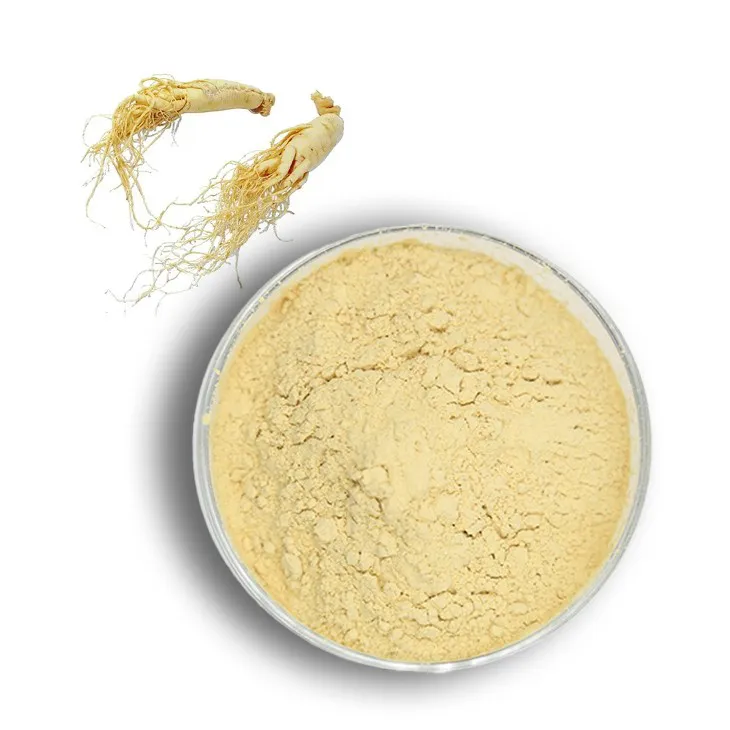
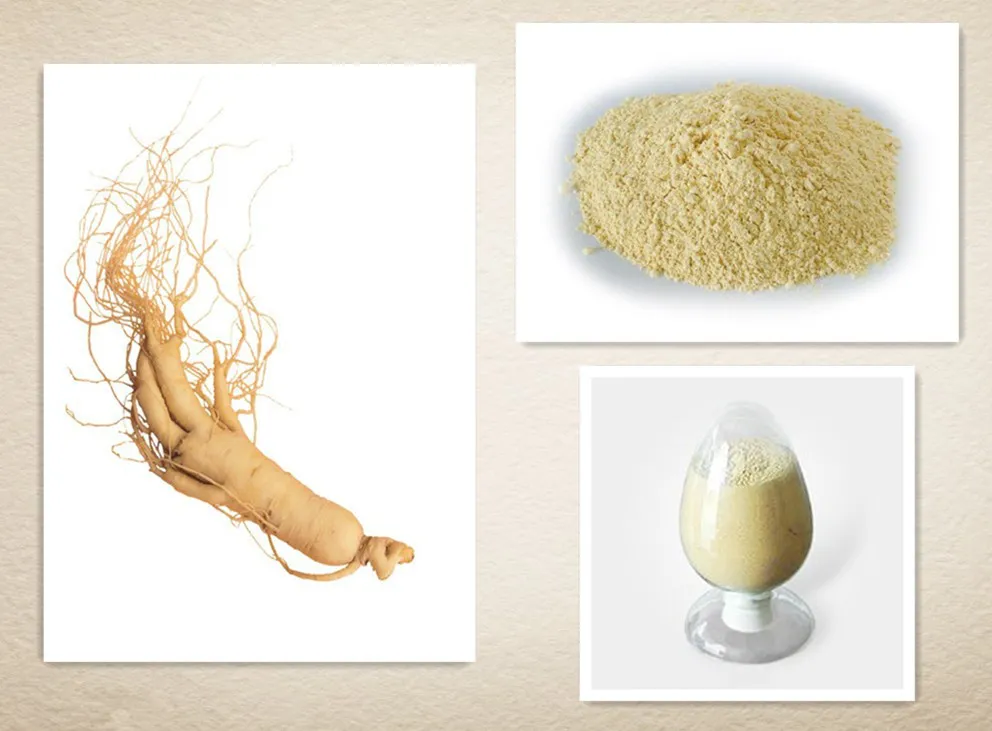
Ginseng, a well - known and highly valued plant in traditional medicine, has been used for centuries due to its potential health benefits. Ginseng Root Extract is a key product derived from this plant, which has found applications in a variety of industries, including pharmaceuticals, cosmetics, and food supplements. As the demand for Ginseng Root Extract continues to grow, it becomes crucial to understand the different aspects of the production process, especially when it comes to differentiating between partners and raw material suppliers.
2. Importance of Ginseng Root Extract in Various Industries
2.1 Pharmaceuticals
In the pharmaceutical industry, Ginseng Root Extract is often studied for its potential medicinal properties. It may be used as an ingredient in drugs aimed at improving cognitive function, enhancing the immune system, or treating certain chronic diseases. For example, some research suggests that ginseng compounds can help reduce fatigue and increase mental alertness. This makes it a valuable addition to medications or dietary supplements targeted at individuals with high - stress lifestyles or those recovering from illness.
2.2 Cosmetics
For the cosmetics industry, Ginseng Root Extract is highly sought after for its antioxidant and anti - aging properties. Antioxidants in ginseng can help protect the skin from damage caused by free radicals, which are known to contribute to premature aging. It is often included in skin - care products such as creams, lotions, and serums to improve skin elasticity, reduce wrinkles, and give the skin a more youthful appearance.

2.3 Food Supplements
As a food supplement, Ginseng Root Extract is popular among consumers looking to boost their overall health and well - being. It can be found in various forms, such as capsules, tablets, or powders. People take ginseng supplements for reasons ranging from increased energy levels to improved digestion. The natural properties of ginseng make it an attractive option for those who prefer natural remedies over synthetic products.
3. Key Aspects for Differentiating between Partners and Raw Material Suppliers

3.1 Quality Control
Quality control is a crucial factor in the Ginseng Root Extract business. For raw material suppliers, it mainly involves ensuring the quality of the ginseng roots before extraction. This includes factors such as the origin of the ginseng, its variety, and the cultivation methods used. For example, ginseng grown in specific regions may be of higher quality due to favorable soil and climate conditions. Suppliers need to have strict procedures in place to verify the authenticity and quality of the ginseng roots they provide.
On the other hand, partners in the Ginseng Root Extract process, such as manufacturers or research institutions, have a broader scope of quality control. They not only need to ensure the quality of the raw materials but also the entire extraction process. This includes monitoring the extraction methods, purification processes, and the final product quality. For instance, they need to ensure that the extraction process does not damage the active compounds in ginseng and that the final extract meets the required purity and potency standards.

3.2 R & D Capabilities
When it comes to R & D capabilities, raw material suppliers typically have limited involvement. Their main focus is on the supply of raw materials. However, they may play a role in providing information about the characteristics of the ginseng roots, such as their chemical composition and potential variability.
Partners, especially those involved in the development of new ginseng - based products, need to have strong R & D capabilities. This includes the ability to conduct in - depth research on Ginseng Root Extract, explore new extraction techniques, and develop innovative products. For example, a research - based partner may be working on finding more efficient ways to extract the active ingredients from ginseng roots or developing new formulations of ginseng - based drugs or cosmetics.
3.3 Market Focus
Raw material suppliers are generally more concerned with the supply side of the market. Their success depends on factors such as the quantity and quality of ginseng roots they can supply, and their ability to maintain stable relationships with growers. They may also need to keep an eye on market trends to adjust their supply accordingly, for example, increasing or decreasing production based on the expected demand for ginseng roots.
Partners, on the other hand, have a more diverse market focus. Manufacturers may be focused on product development, marketing, and meeting the specific needs of different industries. For example, a partner producing ginseng - based cosmetics may be more interested in the trends in the beauty market, such as consumer preferences for natural and organic products. Research institutions may be focused on collaborating with industry partners to bring their research findings to the market and contribute to the overall development of the ginseng - based product market.
4. Additional Factors for Consideration
4.1 Intellectual Property
In the Ginseng Root Extract business, intellectual property can be an important factor in differentiating between partners and raw material suppliers. Partners, especially those involved in research and product development, are more likely to be involved in activities related to intellectual property. This could include patenting new extraction methods, new product formulations, or new applications of Ginseng Root Extract. For example, a company that has developed a unique way to extract a specific compound from ginseng roots may seek to protect this method through a patent.
Raw material suppliers, while not typically involved in such intellectual property activities, may still need to be aware of intellectual property issues. For example, they need to ensure that the ginseng roots they supply are not sourced from areas where there are intellectual property disputes regarding the cultivation or use of ginseng.
4.2 Regulatory Compliance
Both partners and raw material suppliers need to comply with relevant regulations in the Ginseng Root Extract business. However, the nature of their compliance requirements may differ.
Raw material suppliers need to ensure that their ginseng roots are cultivated and harvested in accordance with agricultural regulations. This may include compliance with pesticide use limits, sustainable farming practices, and quality standards for agricultural products. For example, in some regions, there are strict regulations on the use of pesticides in ginseng cultivation to ensure the safety of the final product.
Partners, especially those involved in manufacturing and marketing ginseng - based products, need to comply with additional regulations. In the pharmaceutical industry, for example, products need to meet strict drug approval regulations. In the cosmetics industry, there are regulations regarding product safety, labeling, and ingredient disclosure. Partners need to ensure that their Ginseng Root Extract - based products meet all these requirements to be legally sold in the market.
5. Conclusion
In conclusion, the Ginseng Root Extract process involves a complex web of relationships between different parties, especially when it comes to differentiating between partners and raw material suppliers. Understanding the key aspects such as quality control, R & D capabilities, market focus, as well as additional factors like intellectual property and regulatory compliance, is essential for anyone involved in this business. By having a clear understanding of these differences, businesses can make more informed decisions when choosing partners or raw material suppliers, which can ultimately lead to the successful development and marketing of high - quality Ginseng Root Extract - based products in various industries.
FAQ:
What are the main applications of Ginseng Root Extract in different industries?
Ginseng Root Extract has a wide range of applications. In the pharmaceutical industry, it can be used for its potential health - enhancing properties, such as improving immunity and reducing fatigue. In the cosmetic industry, it is often added to skincare products for its antioxidant and anti - aging effects. In the food and beverage industry, it can be used to produce functional foods and drinks with certain health benefits.
Why is quality control so important in the Ginseng Root Extract process?
Quality control is crucial in the Ginseng Root Extract process. Firstly, it ensures the safety of the extract. Ginseng root may contain contaminants or impurities, and strict quality control can eliminate these risks. Secondly, it guarantees the effectiveness of the extract. Only high - quality Ginseng Root Extract can have the desired pharmacological or biological activities. Moreover, consistent quality control helps to maintain the reputation of the product in the market and meet the regulatory requirements.
How can we evaluate the R & D capabilities of a partner or a raw material supplier in the Ginseng Root Extract business?
To evaluate the R & D capabilities, we can look at several aspects. For example, we can check their history of research projects related to Ginseng Root Extract. A company with a long - term and successful R & D track record is more likely to have strong capabilities. We can also examine their facilities and equipment for research. Advanced laboratories and modern equipment indicate a higher level of R & D capacity. Additionally, the number and quality of their R & D staff, including their educational background and experience in ginseng - related research, are important factors to consider.
What are the typical market focuses of partners and raw material suppliers in the Ginseng Root Extract industry?
Raw material suppliers usually focus on the cultivation, harvesting, and initial processing of ginseng roots. Their market focus is mainly on providing high - quality raw materials to meet the demands of the extract producers. On the other hand, partners in the Ginseng Root Extract business may have a broader market focus. They may be involved in further processing of the extract, product development, and marketing. They are more concerned with the end - use applications of the extract, such as in pharmaceuticals, cosmetics, or food products, and how to meet the specific requirements of different markets.
How can a company ensure a good relationship with both partners and raw material suppliers in the Ginseng Root Extract process?
To ensure a good relationship, clear communication is essential. The company should clearly define the requirements and expectations to both partners and raw material suppliers. In terms of quality, it should establish common quality standards and inspection procedures. For payment terms, fair and transparent agreements should be made. Additionally, mutual respect and long - term cooperation vision are also important. The company can also support the development of its partners and suppliers, for example, by providing technical assistance or market information, which can strengthen the overall relationship.
Related literature
- The Ginseng Root: A Comprehensive Review of Its Properties and Applications"
- "Quality Control in Herbal Extract Production: The Case of Ginseng Root Extract"
- "Research and Development in Ginseng - based Products: Current Trends and Future Prospects"


-

Senna Leaf Extract
2024-12-06
-

Diosmin
2024-12-06
-

Red Clover Extract
2024-12-06
-

Sophora Flavescens Root Extract
2024-12-06
-

Nettle leaf extract
2024-12-06
-

Genistein
2024-12-06
-

Orange Flavor Powder
2024-12-06
-

S-Adenosyl L-methionine(SAMe)
2024-12-06
-

Mangosteen extract powder
2024-12-06
-

Bladder horn extract powder
2024-12-06