


1. Purity and Quality Assurance
Organic certification is a rigorous process that involves strict regulations and inspections. For Astaxanthin to be organically - certified, it must meet high - quality standards throughout its production cycle. This includes aspects such as the source of raw materials, cultivation methods, and processing procedures.
The strictness of the organic certification process acts as a guarantee of purity. In the case of Astaxanthin, this means that consumers can be confident that the product they are purchasing is free from harmful contaminants such as pesticides, heavy metals, and synthetic additives. This is especially important for health - conscious consumers who are increasingly cautious about what they put into their bodies.
Consumers are often willing to pay a premium for products that they perceive as being of high quality. Organically - certified Astaxanthin, with its assurance of purity, falls into this category. It becomes a preferred choice for those who are looking for a pure and reliable source of Astaxanthin, whether for its potential health benefits or for use in various applications.
2. Diverse Applications
2.1 Food and Supplement Industries
In the food industry, Astaxanthin has gained popularity as a natural colorant. It can be used to give a vibrant red or pink color to products such as fish, shellfish, and other food items. This not only enhances the visual appeal of the food but also provides a natural alternative to synthetic colorants, which are often viewed with suspicion by consumers.
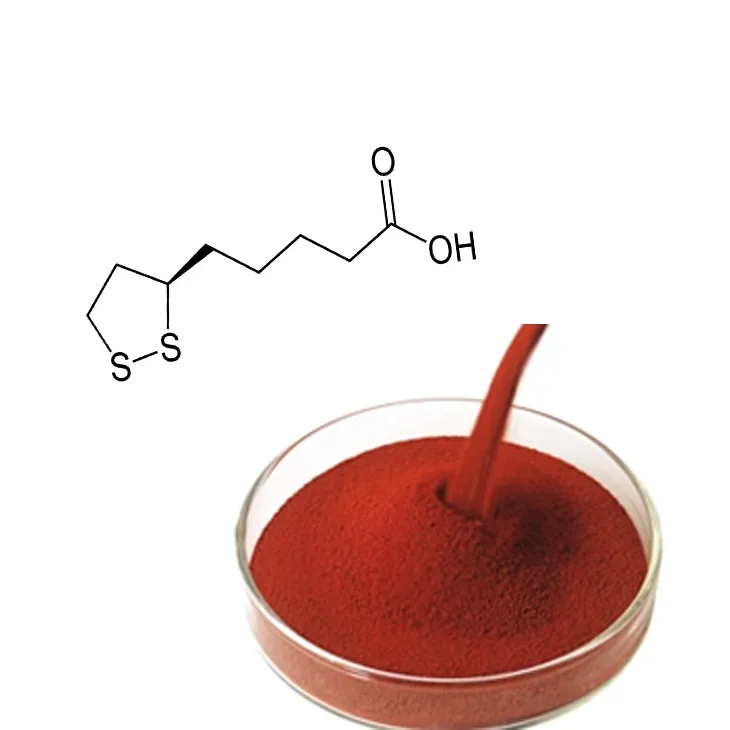
In the supplement industry, Astaxanthin is recognized for its potential health - promoting properties. It is rich in antioxidants, which can help to protect the body against oxidative stress. This has led to its inclusion in a wide range of dietary supplements, from multivitamins to specialized antioxidant formulations.
2.2 Pharmaceuticals
The pharmaceutical industry is also exploring the potential of Astaxanthin. Research has suggested that it may have beneficial effects on various health conditions, such as eye health, skin health, and cardiovascular health. For example, it may help to prevent age - related macular degeneration, a leading cause of vision loss. As a result, there is growing interest in developing Astaxanthin - based pharmaceuticals or nutraceuticals.

2.3 Aquaculture
In aquaculture, Astaxanthin plays a crucial role in the diet of fish and shellfish. It is responsible for the characteristic pink or red color of salmon, trout, and shrimp, which is an important factor in consumer acceptance. Additionally, Astaxanthin can enhance the health and growth of aquaculture species, making it an essential component of their feed.
By having applications in multiple industries, organically - certified Astaxanthin can target different market segments. Producers can develop products tailored to the specific needs and requirements of each industry, thereby expanding their market reach and increasing marketability.
3. The Story Behind Organic - Certified Astaxanthin
Sustainable sourcing is an important part of the story behind organically - certified Astaxanthin. Organic production methods often emphasize environmental sustainability, such as using natural fertilizers, conserving water, and protecting biodiversity. This can be a powerful selling point when communicating with consumers who are increasingly concerned about the environmental impact of the products they purchase.
Production methods also play a role in creating a positive narrative. For example, some producers of organically - certified Astaxanthin may use innovative cultivation techniques that are more environmentally friendly and efficient. This can include methods such as bio - fermentation, which can produce high - quality Astaxanthin in a more sustainable way compared to traditional extraction methods.
Communicating these aspects effectively to consumers can create an emotional connection. Consumers are more likely to support products that they feel good about, both in terms of the product itself and its production process. For example, a consumer who is passionate about environmental conservation may be more inclined to choose an organically - certified Astaxanthin product that is sourced sustainably and produced using environmentally friendly methods.
Brands can use various marketing channels to tell this story. This can include product packaging, where they can highlight the organic certification, sustainable sourcing, and production methods. Social media and websites are also effective platforms for sharing the story behind the product, engaging with consumers, and building a brand image that is associated with quality, sustainability, and innovation.
4. Meeting Consumer Trends
One of the current consumer trends is the preference for natural and organic products. Consumers are increasingly turning away from synthetic and chemically - processed products in favor of those that are perceived as more natural and closer to nature. Organically - certified Astaxanthin fits well into this trend, as it is a natural product that is produced using organic methods.
Another trend is the growing interest in health - promoting products. With the increasing awareness of the importance of health and wellness, consumers are actively seeking products that can support their overall well - being. Astaxanthin, with its potential health benefits, such as antioxidant properties, is an attractive option for these health - conscious consumers.
By aligning with these consumer trends, organically - certified Astaxanthin can enhance its marketability. Producers can position their products in a way that appeals to these trends, for example, by emphasizing the natural and organic nature of the Astaxanthin in their marketing campaigns, and highlighting its potential health benefits.
5. Brand Image and Reputation
Offering organically - certified Astaxanthin can contribute to building a positive brand image. A brand that is associated with high - quality, organic products is likely to be perceived as more reliable and trustworthy by consumers. This can lead to increased brand loyalty and repeat purchases.
A good reputation in the market is also crucial for long - term success. Brands that are known for their commitment to quality, sustainability, and ethical production practices, such as those involved in the production of organically - certified Astaxanthin, are more likely to succeed in a competitive market. Word - of - mouth recommendations from satisfied customers can also help to spread the brand's reputation and attract new customers.
In addition, a positive brand image and reputation can enable a brand to charge a premium price for its products. Consumers are often willing to pay more for products from brands that they trust and respect, which can further improve the marketability and profitability of organically - certified Astaxanthin products.
6. Regulatory Compliance and Global Market Access
Organic certification ensures compliance with relevant regulations. In many countries, there are strict regulations governing the production, labeling, and marketing of organic products. By obtaining organic certification for Astaxanthin, producers can ensure that their products meet these regulatory requirements, which is essential for accessing domestic and international markets.
In the global market, there is a growing demand for organic products. However, different countries may have different regulatory standards for organic products. Having an organic - certified product can help producers to overcome trade barriers and enter new markets more easily. For example, in the European Union, products labeled as organic must meet specific criteria set by the EU organic regulations. An organically - certified Astaxanthin product would have a better chance of being accepted in the EU market compared to a non - certified product.
Moreover, regulatory compliance can also enhance the credibility of the product in the eyes of consumers. Consumers are more likely to trust products that have been certified as meeting certain quality and safety standards, which can further improve the marketability of organically - certified Astaxanthin.
7. Competitive Advantage
In a competitive market, organically - certified Astaxanthin can provide a competitive advantage. Compared to non - organic Astaxanthin products, it can attract more consumers who are specifically looking for organic products. This can give producers an edge in terms of market share and sales volume.
The quality assurance and positive brand image associated with organic certification can also make it more difficult for competitors to compete on an equal footing. Competitors may find it challenging to replicate the same level of quality, purity, and sustainability that organically - certified Astaxanthin offers.
Additionally, as the demand for organic products continues to grow, producers of organically - certified Astaxanthin are well - positioned to capitalize on this trend and expand their business, further solidifying their competitive advantage in the market.
FAQ:
Q1: What makes organically - certified Astaxanthin more marketable in terms of quality?
The strict organic certification process ensures the purity and quality of organically - certified Astaxanthin. This provides consumers with a high - level quality assurance, which is very attractive to those who are willing to pay more for high - quality products.
Q2: How can the applications of organically - certified Astaxanthin contribute to its marketability?
Organically - certified Astaxanthin has diverse applications. It can be used in the food and supplement industries, as well as in pharmaceuticals and aquaculture. By targeting different market segments based on these applications, producers can expand the market for the product and thus improve its marketability.
Q3: Why is it important to communicate the story of organically - certified Astaxanthin to consumers?
Communicating the story, such as its sustainable sourcing and production methods, can create an emotional connection with consumers. This makes the product more appealing, as consumers are increasingly interested in products with positive stories behind them.
Q4: How does organically - certified Astaxanthin stand out in the competitive market?
Its purity, quality assurance from organic certification, wide range of applications, and appealing production story all contribute to making it stand out. These factors differentiate it from non - organic or less - quality alternatives in the highly competitive market.
Q5: Can organically - certified Astaxanthin attract more high - end consumers? How?
Yes, it can. High - end consumers are often looking for products with high quality, purity, and positive stories. Organically - certified Astaxanthin meets these criteria with its strict quality control through organic certification, diverse applications, and sustainable production story, which can attract high - end consumers.
Related literature
- The Role of Organic Certification in Astaxanthin Quality and Marketability"
- "Astaxanthin: Organic Production and Its Impact on Market Trends"
- "Enhancing Astaxanthin Marketability through Organic Certification"


-

Dandelion Root Extract
2024-12-21
-

Pueraria Lobata Extract
2024-12-21
-

Green Tea Extract
2024-12-21
-

Tinospora cordifolia extract
2024-12-21
-

Alisma Extract
2024-12-21
-

Dandelion Leaf Extract
2024-12-21
-

Rose Hip Extract
2024-12-21
-

Purple Sweet Potato Extract
2024-12-21
-

Peppermint Oil
2024-12-21
-

Lemon Extract
2024-12-21