


1. Introduction
Ginkgo Biloba Extract has been widely studied and used in various fields, especially in medicine and health. However, choosing the appropriate concentration of Ginkgo Biloba Extract is crucial for ensuring its effectiveness and safety. This article will explore the key factors in selecting the right concentration, from its different applications to considerations in research.
2. Applications of Ginkgo Biloba Extract
2.1. Medical Applications
Ginkgo Biloba Extract has been used in the treatment of several medical conditions. For example, it has been studied for its potential role in improving cognitive function. In the treatment of Alzheimer's disease and other forms of dementia, different concentrations may have different effects. A lower concentration might be used in the initial stages of treatment as a preventive measure or for mild cognitive impairment. On the other hand, a higher concentration could be considered for more severe cases, but this needs to be carefully balanced with potential side effects.
It is also used in improving blood circulation. In cases of peripheral arterial disease, a certain concentration of the extract may help in dilating blood vessels and increasing blood flow. The choice of concentration here depends on the severity of the condition. For mild cases, a relatively lower concentration may be sufficient, while more severe cases may require a higher concentration. However, safety concerns always need to be taken into account, as high concentrations may increase the risk of bleeding in some patients.
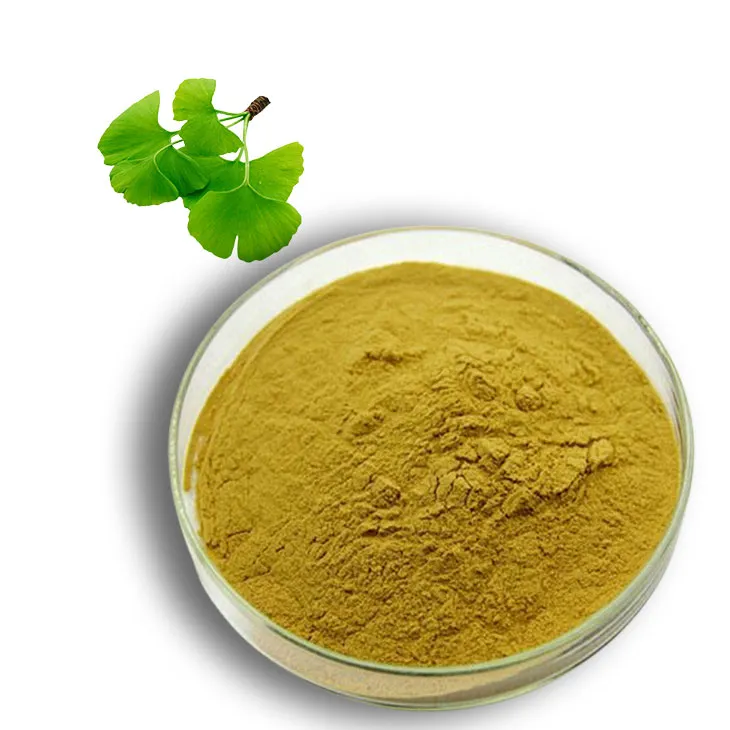
2.2. Health Supplements
As a health supplement, Ginkgo Biloba Extract is popular for its antioxidant properties. Many people take it to improve overall health and well - being. In this context, the concentration is often adjusted to provide a balance between benefits and potential risks. A lower concentration is usually more suitable for general health maintenance, as it can still provide antioxidant effects without causing significant side effects. For those who are more interested in a targeted health benefit, such as enhancing memory or reducing fatigue, a slightly higher concentration may be considered. But again, it is important to follow the recommended dosage and consult a healthcare professional.
3. Factors Affecting the Choice of Concentration
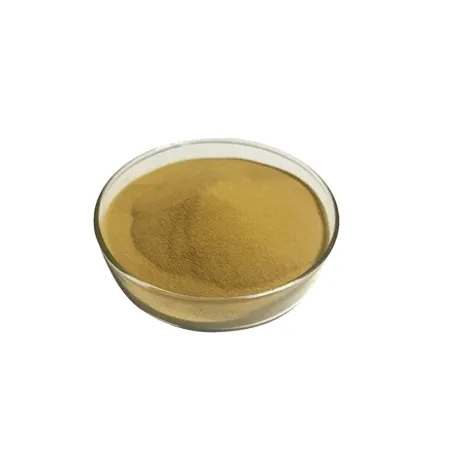
3.1. The Purpose of Use
If the goal is to prevent a certain condition, a lower concentration of Ginkgo Biloba Extract may be sufficient. For example, for those who want to maintain good cognitive function as they age, a preventive dose at a relatively low concentration can be taken regularly. However, if the aim is to treat an existing condition, a higher concentration might be required. But this must be determined on a case - by - case basis, taking into account the patient's overall health, age, and other medications they are taking.

3.2. Patient's Health Status
The health status of the patient plays a significant role in choosing the concentration. Elderly patients or those with compromised liver or kidney function may not be able to tolerate high concentrations of the extract. In these cases, a lower concentration should be used to avoid potential toxicity. Pregnant and breastfeeding women are another special group. Due to the potential risks to the fetus or infant, they should only use Ginkgo Biloba Extract under strict medical supervision, and usually at a very low concentration if necessary.

3.3. Interaction with Other Substances
Ginkgo Biloba Extract may interact with other medications or substances. For example, it can interact with blood - thinning medications, increasing the risk of bleeding. When a patient is taking such medications, the concentration of Ginkgo Biloba Extract needs to be carefully adjusted. In some cases, it may be necessary to avoid using the extract altogether. Additionally, if a person is consuming other herbal supplements or substances that have similar effects, the combined use may require a lower concentration of the Ginkgo Biloba Extract to prevent over - dosage or adverse interactions.
4. Research Considerations
4.1. In - vitro Studies
In - vitro studies are often the first step in researching the effects of Ginkgo Biloba Extract. In these studies, different concentrations are tested to determine the optimal range for a particular effect. For example, in cell culture studies looking at the antioxidant effects of the extract, a wide range of concentrations may be tested. The lowest concentration that shows a significant effect is often considered a starting point for further research. However, it is important to note that in - vitro results may not always translate directly to in - vivo situations.
4.2. In - vivo Studies
In - vivo studies in animals and humans are more complex. When conducting animal studies, researchers need to consider the species - specific differences in drug metabolism. Different concentrations of Ginkgo Biloba Extract may be tested to find the most effective and safe dose. In human studies, ethical considerations come into play. The initial trials usually start with a relatively low concentration to assess safety, and then gradually increase the concentration if no significant adverse effects are observed. The goal is to find the concentration that provides the maximum benefit with the minimum risk.
4.3. Long - term and Short - term Effects
Both long - term and short - term effects need to be considered when choosing the concentration. In short - term studies, a higher concentration may show quick and significant effects. However, long - term use of high concentrations may lead to potential adverse effects. For example, long - term use of high - concentration Ginkgo Biloba Extract may affect liver function or cause other health problems. Therefore, for long - term use, a lower concentration that can still maintain the desired effect may be more appropriate.
5. Determining the Optimal Concentration
To determine the optimal concentration of Ginkgo Biloba Extract, a comprehensive approach is required. This involves considering all the factors mentioned above, including the purpose of use, patient's health status, and potential interactions. It is also important to stay updated with the latest research findings. Healthcare professionals should base their decisions on evidence - based medicine.
For example, in a patient with mild cognitive impairment who is otherwise healthy and not taking any interacting medications, a moderate concentration of Ginkgo Biloba Extract may be recommended. This concentration should be adjusted over time based on the patient's response to the treatment. If the patient shows improvement with no adverse effects, the concentration may be maintained. If there are side effects or no significant improvement, the concentration may need to be decreased or other treatment options considered.
6. Conclusion
Choosing the right concentration of Ginkgo Biloba Extract is a complex process that involves multiple factors. From its various applications in medicine and health to considerations in research, different concentrations can have a significant impact on effectiveness and safety. By carefully considering the purpose of use, patient's health status, and potential interactions, healthcare professionals can make more informed decisions about the appropriate concentration of Ginkgo Biloba Extract for their patients. Additionally, continued research is needed to further refine our understanding of the optimal concentration for different applications and patient populations.
FAQ:
Question 1: What are the main factors to consider when choosing the concentration of Ginkgo Biloba Extract?
The main factors include the intended application (such as for treating a specific medical condition or for general health promotion), the age and health status of the user, and the form of administration. For example, if it is for treating cognitive decline in the elderly, a different concentration might be considered compared to using it for general antioxidant benefits in a younger, healthy individual. Also, whether it is taken orally, applied topically, or used in other forms can influence the optimal concentration.
Question 2: How does the concentration of Ginkgo Biloba Extract affect its effectiveness in treating cognitive disorders?
Lower concentrations may not provide enough active compounds to have a significant impact on cognitive functions. However, extremely high concentrations might lead to potential side effects without necessarily increasing the effectiveness proportionally. There is an optimal range where the key components in Ginkgo Biloba Extract, such as flavonoids and terpenoids, can interact with the body's systems involved in cognitive processes, like improving blood flow to the brain and protecting neurons from oxidative stress.
Question 3: Are there different optimal concentrations for Ginkgo Biloba Extract in different medical applications?
Yes, there are. In the treatment of circulatory problems, for example, a concentration that effectively improves blood vessel dilation and reduces platelet aggregation might be different from the concentration used for treating nerve - related problems. For circulatory issues, a concentration that can enhance the endothelium - dependent relaxation of blood vessels may be more crucial, while for nerve - related conditions, a concentration that can better support nerve cell function and regeneration might be preferred.
Question 4: How can one determine the safe concentration range of Ginkgo Biloba Extract?
Clinical trials and research studies play a crucial role. These studies observe the effects of different concentrations on a large number of participants. They monitor for any adverse effects such as allergic reactions, bleeding disorders (since ginkgo biloba can affect blood clotting), and gastrointestinal problems. Regulatory agencies also review the available evidence to set guidelines on the safe concentration range for general use.
Question 5: What role does the quality of Ginkgo Biloba Extract play in choosing the concentration?
The quality of the extract affects the potency of its active ingredients. High - quality extracts with a pure and well - preserved composition may require lower concentrations to achieve the desired effects compared to lower - quality extracts. Poor - quality extracts may contain impurities or degraded active compounds, which could mean that a higher concentration is needed, but this also increases the risk of potential side effects.
Related literature
- The Pharmacology and Therapeutic Applications of Ginkgo Biloba Extract"
- "Optimal Dosage and Concentration of Ginkgo Biloba in Health Promotion"
- "Safety and Efficacy of Different Concentrations of Ginkgo Biloba Extract in Clinical Trials"


-

Shikonin
2024-12-11
-

Dandelion Root Extract
2024-12-11
-

Bitter Melon Extract
2024-12-11
-

Agaricus Blazei Extract
2024-12-11
-

Yam Extract
2024-12-11
-

Bamboo Leaf extract
2024-12-11
-

Oat Straw Extract Powder
2024-12-11
-

Angelica sinensis extract
2024-12-11
-

Motherwort Extract
2024-12-11
-

Centella Asiatica Extract
2024-12-11