


1. Introduction
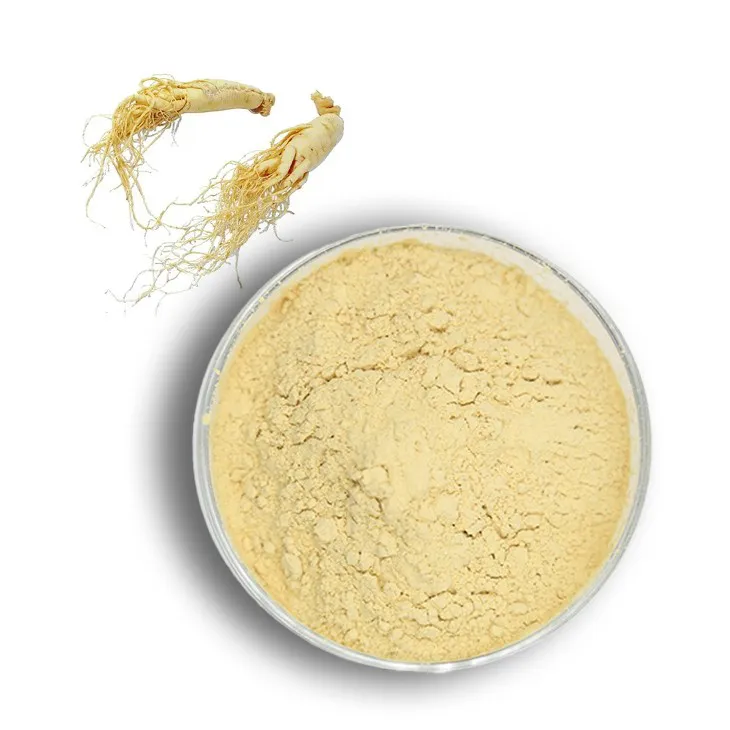
Ginseng Root Extract has been widely used in various industries, especially in cosmetics and pharmaceuticals. However, choosing the appropriate concentration of Ginseng Root Extract is not a straightforward task. It requires a comprehensive understanding of multiple factors, including the application area, the quality of ginseng root, and relevant scientific research and regulations.
2. Considerations in different industries
2.1 Cosmetics
In the cosmetics industry, the choice of Ginseng Root Extract concentration is highly related to the target skin type and the desired effect.
Sensitive skin: For products targeted at sensitive skin, a relatively low concentration of Ginseng Root Extract is often more suitable. Sensitive skin is more vulnerable to irritation, and a high - concentration extract may cause adverse reactions such as redness, itching, or burning sensations. A lower concentration can still provide some beneficial effects, such as antioxidant and moisturizing properties, while minimizing the risk of irritation.
Normal skin: For normal skin, a moderate concentration can be considered. This can help to improve skin texture, enhance skin elasticity, and provide certain anti - aging effects. For example, it can stimulate collagen production, which is important for maintaining skin firmness.
Oily skin: In the case of oily skin, a slightly higher concentration might be acceptable, but it also needs to be carefully adjusted. Ginseng Root Extract has the potential to regulate sebum secretion. However, if the concentration is too high, it may disrupt the skin's natural balance. Therefore, formulators need to conduct proper tests to find the optimal concentration for oily skin.
2.2 Pharmaceuticals
In the pharmaceutical field, the determination of Ginseng Root Extract concentration is even more crucial as it directly affects the efficacy and safety of the drug.
Treatment of specific diseases: When using Ginseng Root Extract to treat specific diseases, such as fatigue syndrome or certain immune - related disorders, the concentration must be precisely adjusted based on scientific research and clinical trials. Different diseases may require different effective concentrations. For example, in the treatment of mild fatigue, a relatively lower concentration may be sufficient to enhance the body's energy level, while for more severe immune - deficiency conditions, a higher concentration might be necessary to stimulate the immune system effectively.
Dosage forms: The concentration also varies depending on the dosage form. For oral medications, the concentration needs to be adjusted to ensure proper absorption in the gastrointestinal tract. In contrast, for topical medications, the concentration should be suitable for skin penetration and local effect without causing excessive systemic absorption and potential side effects.
3. Influence of ginseng root quality and extraction process
The quality of ginseng root itself and the extraction process play significant roles in determining the concentration of the extract.
Quality of ginseng root: High - quality ginseng roots are more likely to produce concentrated and effective extracts. Factors such as the origin of ginseng, the growth environment (including soil quality, climate, etc.), and the age of the root can affect its quality. For example, ginseng grown in suitable soil and climate conditions and with a longer growth period may contain more active ingredients. Roots from renowned ginseng - growing regions are often considered to be of higher quality.
Extraction process: The extraction method used can significantly impact the concentration and quality of the extract. Different extraction techniques, such as solvent extraction, supercritical fluid extraction, or enzymatic extraction, have their own advantages and limitations. Solvent extraction is a common method, but the choice of solvent and extraction conditions (such as temperature, time, and solvent - to - material ratio) can influence the extraction efficiency and the resulting concentration. Supercritical fluid extraction can produce relatively pure extracts with high concentrations of active ingredients, but it requires more sophisticated equipment and higher costs. Enzymatic extraction can be a milder method that may better preserve the bioactivity of the extract, but it also needs to be carefully optimized to achieve the desired concentration.
4. Scientific research and regulatory guidelines
Scientific research: Scientific studies provide valuable information for choosing the appropriate concentration of Ginseng Root Extract. Researchers conduct in - vitro and in - vivo experiments to explore the biological activities of Ginseng Root Extract at different concentrations. For example, studies on the antioxidant activity of Ginseng Root Extract may find that a certain concentration range exhibits the strongest antioxidant effect. These research results can serve as important references for industries using Ginseng Root Extract.
Regulatory guidelines: Regulatory authorities also play a role in guiding the choice of concentration. In the cosmetics industry, regulatory agencies may set limits on the use of certain ingredients, including Ginseng Root Extract, to ensure consumer safety. In the pharmaceutical industry, strict regulations govern the development, production, and quality control of drugs containing Ginseng Root Extract. These regulations require manufacturers to follow established standards for concentration determination based on scientific evidence and clinical trials.
5. Conclusion
In conclusion, choosing the right concentration of Ginseng Root Extract is a complex process that involves considering multiple factors. Whether in the cosmetics or pharmaceuticals industry, it is necessary to take into account the target application, the quality of ginseng root, the extraction process, as well as scientific research and regulatory guidelines. By carefully evaluating these aspects, manufacturers can ensure the efficacy and safety of products containing Ginseng Root Extract, and consumers can benefit from the proper use of ginseng - related products.
FAQ:
Q1: What are the general factors to consider when choosing the concentration of Ginseng Root Extract in cosmetics?
When choosing the concentration of Ginseng Root Extract in cosmetics, several factors need to be considered. Firstly, the skin type is crucial. For sensitive skin, a relatively low concentration is usually better to prevent irritation. Secondly, the desired cosmetic outcome also plays a role. If the goal is a mild effect, a lower concentration might be sufficient, while for more significant results, a higher but still skin - friendly concentration could be considered. Additionally, the other ingredients in the cosmetic product can interact with the Ginseng Root Extract, so their compatibility should be taken into account.
Q2: How does the quality of ginseng root affect the choice of extract concentration?
The quality of the ginseng root has a direct impact on the choice of extract concentration. High - quality ginseng roots typically contain more active compounds. With efficient extraction methods, these high - quality roots can produce more concentrated and effective extracts. So, if the ginseng root is of excellent quality, it may be possible to use a lower volume of the extract (higher concentration) to achieve the desired effect compared to lower - quality roots.
Q3: Are there any regulatory guidelines for choosing the concentration of Ginseng Root Extract in pharmaceuticals?
Yes, there are regulatory guidelines for choosing the concentration of Ginseng Root Extract in pharmaceuticals. These guidelines are in place to ensure the safety and efficacy of the products. Pharmaceutical companies must follow strict regulations to determine the appropriate concentration. These regulations are based on scientific research, pre - clinical and clinical trials to ensure that the chosen concentration will not cause harm to patients and will effectively treat the intended medical conditions.
Q4: How can scientific research help in determining the right concentration of Ginseng Root Extract?
Scientific research plays a vital role in determining the right concentration of Ginseng Root Extract. Research studies can identify the active components in ginseng root and their effects at different concentrations. For example, they can show how certain concentrations may be more effective in treating specific diseases in the pharmaceutical field or improving skin conditions in cosmetics. Through in - vitro and in - vivo experiments, researchers can establish dose - response relationships, which provide valuable information for choosing the optimal concentration.
Q5: What if the wrong concentration of Ginseng Root Extract is chosen in cosmetics?
If the wrong concentration of Ginseng Root Extract is chosen in cosmetics, it can lead to various issues. If the concentration is too high for a particular skin type, it may cause irritation, redness, or allergic reactions. On the other hand, if the concentration is too low, the desired cosmetic effects such as anti - aging, moisturizing, or brightening may not be achieved. This can result in dissatisfaction among consumers who expect certain benefits from the product.
Related literature
- The Pharmacological Effects and Applications of Ginseng Root Extract"
- "Ginseng Root Extract in Cosmetics: Optimal Concentration for Different Skin Conditions"
- "Regulatory Aspects of Ginseng - Based Pharmaceutical Products: Concentration Determination"


-

Taurine
2025-01-09
-

L-carnitine
2025-01-09
-

Aged Garlic Extract
2025-01-09
-

Green Tea Extract
2025-01-09
-

Withania Somnifera Extract
2025-01-09
-

Beetroot Powder
2025-01-09
-

Red Date Extract
2025-01-09
-

Shikonin
2025-01-09
-

Cordyceps Extract
2025-01-09
-

Green coffee bean Extract
2025-01-09