


1. Introduction to Curcumin
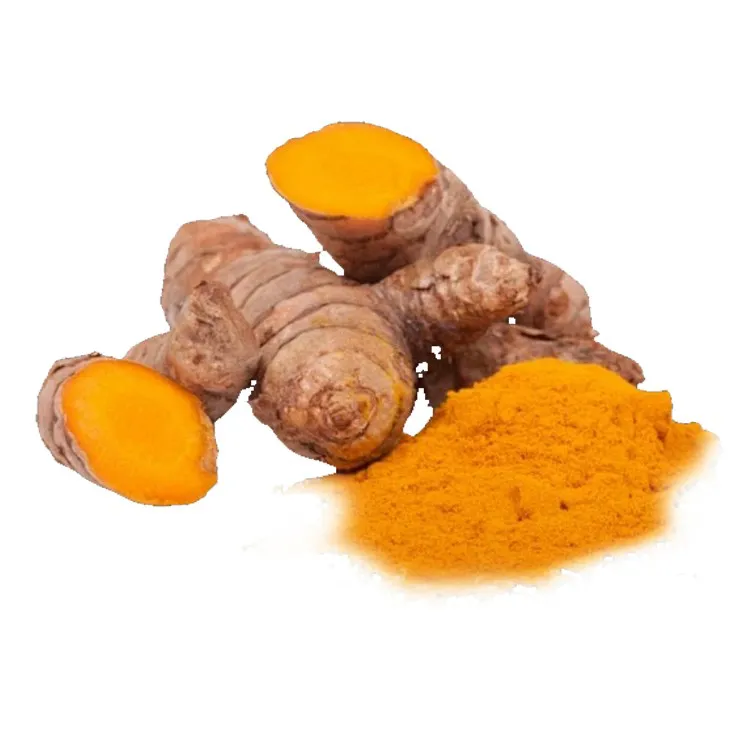
Curcumin is a natural compound found in the rhizome of the turmeric plant (Curcuma longa). It has been used for centuries in traditional medicine, particularly in Ayurvedic and Chinese medicine. Curcumin is known for its numerous potential health benefits, including anti - inflammatory, antioxidant, and anticancer properties. However, not all Curcumin products are of equal quality, and it is essential to understand how to identify and obtain high - quality Curcumin.
2. Sourcing of Turmeric
2.1 Geographic Origin
The origin of the turmeric plant plays a significant role in the quality of Curcumin. Turmeric is native to South Asia, particularly India, and regions with a similar climate. India is one of the largest producers of turmeric in the world, and turmeric grown in this region often has a high Curcumin content. However, other countries such as Indonesia, Thailand, and parts of Africa also produce turmeric.
When sourcing turmeric for Curcumin extraction, it is important to consider the reputation of the growing region. Regions with a long history of turmeric cultivation and strict agricultural practices are more likely to produce high - quality turmeric. For example, in India, some regions are known for their organic and sustainable turmeric farming methods.

2.2 Organic vs. Conventional
Organic turmeric is becoming increasingly popular due to concerns about pesticide residues and environmental sustainability. Organic turmeric is grown without the use of synthetic pesticides, fertilizers, or genetically modified organisms (GMOs). This can result in a purer form of Curcumin, as there are no potential contaminants from pesticides.
On the other hand, conventional turmeric may be more widely available and potentially less expensive. However, it may contain pesticide residues, which could affect the quality and safety of the Curcumin extracted from it. When choosing between organic and conventional turmeric, it is important to weigh the potential benefits of purity against the cost and availability.
3. Extraction Methods

3.1 Solvent Extraction
Solvent extraction is one of the most common methods for extracting Curcumin from turmeric. In this method, a solvent such as ethanol, acetone, or hexane is used to dissolve the Curcumin from the turmeric rhizome. Ethanol is a popular solvent choice as it is relatively safe and can effectively extract Curcumin. However, the quality of the solvent used can impact the final Curcumin product.
High - quality solvents should be pure and free from contaminants. If the solvent contains impurities, these can be transferred to the Curcumin extract, reducing its quality. Additionally, the extraction process should be carefully controlled to ensure that the correct amount of solvent is used and that the extraction time and temperature are optimized. For example, excessive heat or a long extraction time can lead to the degradation of Curcumin.

3.2 Supercritical Fluid Extraction
Supercritical fluid extraction (SFE) is a more advanced extraction method that uses a supercritical fluid, typically carbon dioxide (CO₂), to extract Curcumin. Supercritical CO₂ has properties that make it an excellent solvent for Curcumin extraction. It can penetrate the turmeric matrix effectively and selectively extract Curcumin while leaving behind unwanted components.
This method has several advantages over solvent extraction. It is a cleaner process as CO₂ is a non - toxic and environmentally friendly solvent. It also allows for better control of the extraction process, resulting in a higher - quality Curcumin extract with a higher purity and potency. However, SFE equipment is more expensive, which can make products extracted using this method more costly.
4. Quality Control
4.1 Purity Testing
One of the most important aspects of ensuring high - quality Curcumin is purity testing. This involves analyzing the Curcumin extract to determine the percentage of Curcumin present and to check for the presence of impurities. High - performance liquid chromatography (HPLC) is a commonly used method for purity testing. HPLC can accurately separate and quantify the Curcumin and other components in the extract.
A high - quality Curcumin product should have a high percentage of Curcumin, typically above 95%. Lower percentages may indicate the presence of fillers or other impurities. Additionally, purity testing should also check for the presence of heavy metals, pesticides, and other contaminants that could affect the safety and effectiveness of the Curcumin.

4.2 Bioavailability Enhancement
While purity is important, the bioavailability of Curcumin is also a crucial factor. Curcumin has relatively low bioavailability on its own, meaning that only a small amount is absorbed by the body. To address this issue, many Curcumin products are formulated with bioavailability enhancers.
Some common bioavailability enhancers include piperine (found in black pepper), which has been shown to significantly increase the absorption of Curcumin. Other methods to enhance bioavailability include encapsulation in liposomes or nanoparticles, which can protect Curcumin from degradation in the digestive tract and improve its absorption. When evaluating a Curcumin product, it is important to consider whether it contains bioavailability enhancers and the effectiveness of these enhancers.
5. Packaging and Storage
5.1 Packaging Materials
The packaging of Curcumin products can also impact their quality. Curcumin is sensitive to light, heat, and oxygen, so it should be packaged in materials that can protect it from these factors. Dark - colored glass bottles or opaque plastic containers are often used to protect Curcumin from light. Additionally, air - tight packaging can prevent oxygen from degrading the Curcumin.
Some Curcumin products may also be packaged with desiccants to absorb moisture, as moisture can also affect the stability of Curcumin. When purchasing Curcumin, check the packaging to ensure that it is designed to protect the product's quality.
5.2 Storage Conditions
Proper storage conditions are essential for maintaining the quality of Curcumin. Curcumin should be stored in a cool, dry place away from direct sunlight. Ideal storage temperatures are typically between 15 - 25°C (59 - 77°F). High temperatures can cause Curcumin to degrade, reducing its potency and effectiveness.
It is also important to keep Curcumin away from sources of heat such as stoves or radiators. If stored properly, Curcumin can maintain its quality for an extended period, ensuring that you get the maximum benefits from the product.
6. Reputable Brands and Suppliers
Choosing a reputable brand and supplier is another key factor in obtaining high - quality Curcumin. Look for brands that have a good reputation in the market and are known for their quality products. Reputable brands often invest in research and development to ensure the purity and effectiveness of their Curcumin products.
Check for certifications such as Good Manufacturing Practice (GMP) certifications, which indicate that the brand follows strict manufacturing standards. Additionally, read customer reviews and testimonials to get an idea of the experiences of other users with the brand's Curcumin products. A brand with positive reviews is more likely to offer high - quality Curcumin.
When it comes to suppliers, choose those that have a reliable supply chain and can provide information about the sourcing and extraction of their Curcumin. A transparent supplier will be able to answer questions about the origin of the turmeric, the extraction method used, and the quality control measures in place.
7. Conclusion
Ensuring high - quality Curcumin requires attention to several factors, including the sourcing of turmeric, extraction methods, quality control, packaging, storage, and the choice of brand and supplier. By understanding these aspects and making informed decisions, you can increase the likelihood of obtaining a Curcumin product that is pure, potent, and effective for your health needs. Whether you are using Curcumin for its anti - inflammatory, antioxidant, or other potential benefits, taking the time to ensure its quality is well worth the effort.
FAQ:
What are the main sources of Curcumin?
Curcumin is mainly sourced from the rhizomes of the Curcuma longa plant, which is commonly known as turmeric. Turmeric is native to South Asia and is widely cultivated in tropical regions. The quality of the source plant can significantly impact the quality of the Curcumin obtained. For example, plants grown in optimal soil conditions, with proper sunlight and water, are more likely to yield high - quality Curcumin.
How does the extraction method affect the quality of Curcumin?
Different extraction methods can have a substantial influence on Curcumin quality. Traditional extraction methods include solvent extraction. However, modern techniques such as supercritical fluid extraction are also being used. Solvent extraction may leave behind some solvent residues if not properly purified, which can affect the purity of Curcumin. Supercritical fluid extraction, on the other hand, can often produce a purer form of Curcumin with fewer impurities, but it is also more complex and costly. So, the choice of extraction method needs to balance cost, purity, and overall quality requirements.
What are the signs of high - quality Curcumin?
High - quality Curcumin typically has a high level of purity. It should be free from contaminants such as heavy metals, pesticides, and other harmful substances. The color can also be an indicator; pure Curcumin has a bright yellow - orange color. In addition, its solubility and stability are important factors. High - quality Curcumin should be relatively stable and have good solubility in appropriate solvents, which is beneficial for its absorption and utilization in the body.
How can quality control be implemented during Curcumin production?
Quality control during Curcumin production involves multiple steps. Firstly, raw material inspection is crucial to ensure that the turmeric used as the source is of high quality. This includes checking for contaminants and proper growth conditions. During the extraction process, strict monitoring of parameters such as temperature, pressure (in the case of certain extraction methods), and extraction time is necessary. After extraction, the final product should be tested for purity, using techniques like high - performance liquid chromatography (HPLC) to determine the Curcumin content and detect any impurities. Regular audits of the production facility and processes also help in maintaining consistent quality.
Are there any certifications to look for when purchasing Curcumin?
Yes, there are several certifications to consider. For example, GMP (Good Manufacturing Practice) certification indicates that the manufacturing process follows strict quality and safety standards. ISO certifications, such as ISO 9001 for quality management systems, can also be a sign of a reliable Curcumin product. Additionally, some products may have organic certifications if they are sourced from organically grown turmeric, which can be an assurance of a more natural and potentially higher - quality product.
Related literature
TAGS:


-

Pueraria Lobata Extract
2024-12-05
-

Cat Claw Extract
2024-12-05
-

Antler Extract
2024-12-05
-

S-Adenosyl L-methionine(SAMe)
2024-12-05
-

Vitamin B9 powder
2024-12-05
-

Medicinal Marshmallow Extract
2024-12-05
-

Agaricus Blazei Extract
2024-12-05
-

Nutmeg Extract
2024-12-05
-

Shikonin
2024-12-05
-

Aged Garlic Extract
2024-12-05