


Introduction
Astaxanthin has emerged as a highly sought - after supplement due to its myriad of health benefits. From its antioxidant properties that are far more potent than many other substances to its potential role in promoting skin health, eye health, and overall well - being, it has become a popular choice among health - conscious individuals. However, not all Astaxanthin products are created equal. Ensuring that you obtain high - quality Astaxanthin is crucial to reap its full benefits. In this article, we will explore in - depth how you can make sure you are getting the best Astaxanthin on the market.
Understanding Purity Levels
Purity is one of the most important factors when it comes to Astaxanthin. High - purity Astaxanthin is more likely to be effective in delivering the promised health benefits.
What Affects Purity?
- The source of Astaxanthin can significantly impact its purity. For example, Astaxanthin sourced from natural algae is generally considered to be of higher purity compared to synthetically produced versions. Natural sources often come with fewer contaminants and impurities.
- The extraction process also plays a vital role. A well - refined extraction method can help to separate Astaxanthin from other substances in the source material, resulting in a purer end product. Poor extraction techniques may leave behind unwanted substances, reducing the overall purity of the Astaxanthin.
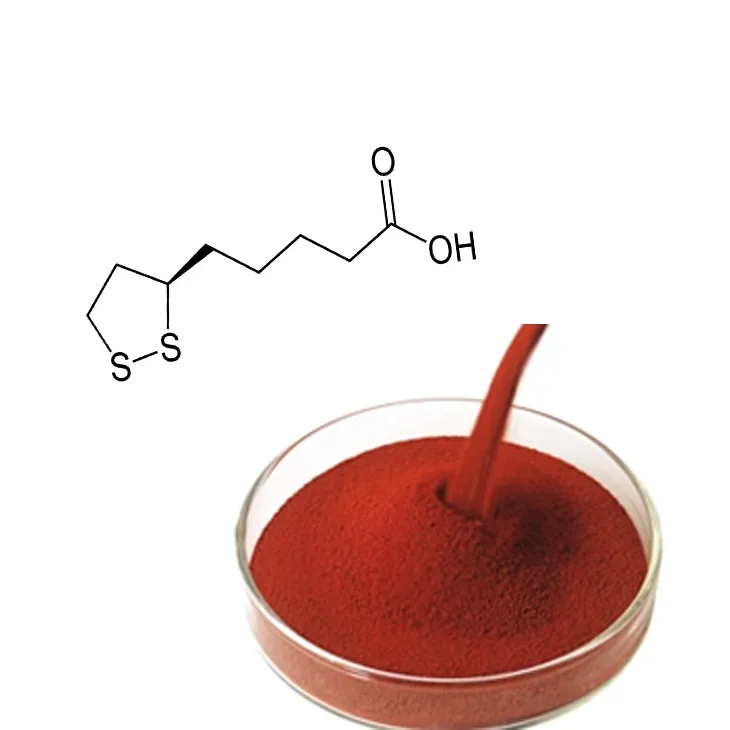
How to Determine Purity?
- Look for products that clearly state the purity level on the label. This is a sign that the manufacturer is transparent about the quality of their Astaxanthin. For example, a product might indicate that it contains 98% pure Astaxanthin.
- Research the manufacturing process. If the company provides detailed information about how they source and extract the Astaxanthin, it can give you clues about the potential purity. For instance, if they use advanced filtration and purification techniques during the extraction process, it is more likely that the resulting Astaxanthin will be of high purity.
Evaluating Brand Reputation
A brand's reputation is another key aspect to consider when aiming for high - quality Astaxanthin.

Long - Standing Positive Track Record
- Brands with a long history of producing quality supplements are more likely to offer high - quality Astaxanthin. These brands have had time to refine their production processes, source the best raw materials, and build a reputation for reliability. For example, companies that have been in the supplement business for decades are often more trustworthy.
- Look for customer reviews and testimonials. Positive feedback from customers who have used the brand's Astaxanthin products can be a strong indicator of quality. You can find reviews on the brand's website, as well as on independent review platforms. However, be cautious of reviews that seem overly promotional or lack specific details about the product's effectiveness.

Industry Recognition and Certifications
- Brands that have received industry recognition or certifications related to quality and safety are generally more reliable. For example, if a brand has been awarded a quality seal from a recognized supplement industry association, it shows that their products meet certain standards. Certifications such as Good Manufacturing Practice (GMP) are also important as they ensure that the brand follows strict manufacturing guidelines.
- Check if the brand is involved in any research or development related to Astaxanthin. Brands that invest in scientific research are more likely to be committed to producing high - quality products. They may be involved in clinical trials or collaborate with research institutions to further understand the properties and benefits of Astaxanthin.
Researching Product Formulation
The formulation of the Astaxanthin product can greatly affect its quality and effectiveness.
Ingredients Compatibility
- A good Astaxanthin product should have ingredients that are compatible with Astaxanthin. For example, if it is combined with other antioxidants or nutrients that enhance its absorption or stability, it can be more beneficial. Some products may include vitamin E or olive oil, which can help in the absorption of Astaxanthin by the body.
- On the other hand, beware of products that contain ingredients that may interfere with Astaxanthin. For instance, certain substances might react with Astaxanthin and reduce its effectiveness. Avoid products with a long list of unnecessary additives or fillers that may not contribute to the product's quality.
Dosage and Concentration
- The dosage of Astaxanthin in the product is an important consideration. The appropriate dosage can vary depending on factors such as the intended use (e.g., for general health maintenance or for specific health conditions) and individual characteristics. Research the recommended dosages based on scientific studies and consult a healthcare professional if necessary. Make sure the product provides a clear indication of the Astaxanthin dosage per serving.
- Concentration also matters. A higher - concentration product may be more convenient if you need to take a larger amount of Astaxanthin. However, it should still be within a safe and effective range. Some products may offer a concentrated form of Astaxanthin, which can be beneficial for those who prefer to take fewer capsules or doses.
Assessing Product Stability
Product stability is crucial for ensuring that you are getting high - quality Astaxanthin.
Packaging and Storage Conditions
- The packaging of Astaxanthin products can affect their stability. Look for products that are packaged in dark - colored, light - resistant bottles. Astaxanthin is sensitive to light, and exposure to light can cause it to degrade. Additionally, air - tight packaging helps to prevent oxidation, which can also reduce the quality of Astaxanthin.
- Storage instructions are also important. Products should be stored in a cool, dry place away from direct sunlight. Some Astaxanthin products may require refrigeration to maintain their stability. Follow the storage instructions provided by the manufacturer to ensure the product remains stable throughout its shelf life.
Stability Testing
- Reputable brands may conduct stability testing on their Astaxanthin products. This involves subjecting the product to various conditions (such as different temperatures and humidity levels) to determine how stable it is over time. Look for information on the brand's website or product label regarding stability testing. If a brand has evidence of their product's stability, it is a good sign that the Astaxanthin will maintain its quality.
- Some products may also include stabilizers or preservatives to enhance their stability. However, these should be carefully evaluated. Natural stabilizers are generally preferred over synthetic ones, as they are less likely to have potential negative impacts on health. For example, some natural oils can act as stabilizers for Astaxanthin while also providing additional health benefits.
Conclusion
Ensuring that you obtain high - quality Astaxanthin requires a comprehensive approach. By understanding purity levels, evaluating brand reputation, researching product formulation, and assessing product stability, you can increase your chances of getting an Astaxanthin product that will deliver the desired health benefits. Remember to always do your due diligence when choosing a supplement, and consult a healthcare professional if you have any doubts or concerns. With the right Astaxanthin product, you can potentially enjoy the many advantages that this powerful antioxidant has to offer.
FAQ:
Q1: Why is the purity level of Astaxanthin important?
Purity level is crucial because high - purity Astaxanthin is more effective. Higher purity means fewer impurities that could potentially interfere with its function or cause unwanted side effects. Pure Astaxanthin can deliver its promised benefits, such as antioxidant properties, more efficiently.
Q2: How can one analyze a brand's reputation regarding Astaxanthin?
You can start by looking at customer reviews and testimonials. Check online platforms where consumers share their experiences with the product. Also, consider the brand's history in the market. A brand that has been around for a long time and has a consistent positive image is more likely to offer high - quality Astaxanthin. Additionally, look for any awards or certifications the brand has received related to quality control or product excellence.
Q3: What should be considered about the product's formulation when choosing Astaxanthin?
The formulation of Astaxanthin can affect its absorption and effectiveness. For example, the form in which Astaxanthin is presented, such as softgels or capsules, can influence how well it is absorbed by the body. Some formulations may also include other ingredients that can enhance or complement the action of Astaxanthin. It's important to check if these additional ingredients are of high quality and if they interact well with Astaxanthin.
Q4: Why is the stability of Astaxanthin important?
The stability of Astaxanthin is important because it can affect its potency over time. If Astaxanthin is not stable, it may degrade and lose its beneficial properties. Factors such as storage conditions, packaging, and the presence of stabilizers in the product can all impact its stability. Stable Astaxanthin ensures that you are getting a product that will maintain its quality from the time of purchase until you consume it.
Q5: Are there any specific tests to determine the quality of Astaxanthin?
There are several tests that can be used to determine the quality of Astaxanthin. One common test is spectroscopic analysis, which can measure the purity and concentration of Astaxanthin. Chromatography techniques can also be used to separate and identify different components in the Astaxanthin sample. Additionally, tests for stability, such as accelerated stability testing, can be carried out to see how the product holds up under different conditions.
Related literature
- The Role of Astaxanthin in Health and Disease"
- "Astaxanthin: A Potent Antioxidant for Human Health"
- "Quality Control and Standardization of Astaxanthin - Containing Products"


-

Feverfew Extract
2024-12-08
-

Medicinal Marshmallow Extract
2024-12-08
-

Bayberry Extract
2024-12-08
-

Hesperidin
2024-12-08
-

Green Tea Extract
2024-12-08
-

Ginseng Root Extract
2024-12-08
-

Natural grape seed extract
2024-12-08
-

Citrus bioflavonoids
2024-12-08
-

Sugarcane Extract
2024-12-08
-

Yellow Pine Extract
2024-12-08