


I. Introduction
Yam Extract has gained significant popularity in various industries, including the food, cosmetic, and pharmaceutical sectors. Its rich nutritional profile and potential health benefits make it a valuable ingredient. However, ensuring the quality of Yam Extract is crucial for its effective use. This article will explore multifaceted approaches to obtaining high - quality Yam Extract, covering proper yam sourcing, advanced extraction techniques, and strict quality checks.
II. Proper Yam Sourcing
A. Selecting the Right Yam Species
There are numerous yam species, but not all are equally suitable for extract production. Dioscorea opposita and Dioscorea alata are among the commonly used species. These species are known for their relatively high content of active compounds such as diosgenin, which is important for many applications. When sourcing yams, it is essential to identify the correct species to ensure the desired quality of the extract.

B. Geographical Origin
The geographical origin of yams can significantly impact their quality. Yams grown in certain regions may have better soil conditions, climate, and agricultural practices that contribute to their superior quality. For example, yams from regions with rich, well - drained soil and appropriate sunlight exposure tend to have a higher content of nutrients. Regions with a long history of yam cultivation, such as parts of Africa and Asia, are often known for producing high - quality yams. It is advisable to source yams from these regions known for their yam - growing expertise.

C. Organic and Sustainable Sourcing
- Opting for organically grown yams is a great choice. Organic yams are grown without the use of synthetic pesticides and fertilizers, which reduces the risk of chemical residues in the extract. This is especially important for applications in the food and pharmaceutical industries where purity is of utmost importance.
- Sustainable sourcing also plays a crucial role. This ensures that the yam production does not harm the environment in the long run. Sustainable farming practices, such as crop rotation and water conservation, can lead to healthier yams and, consequently, better - quality extracts.
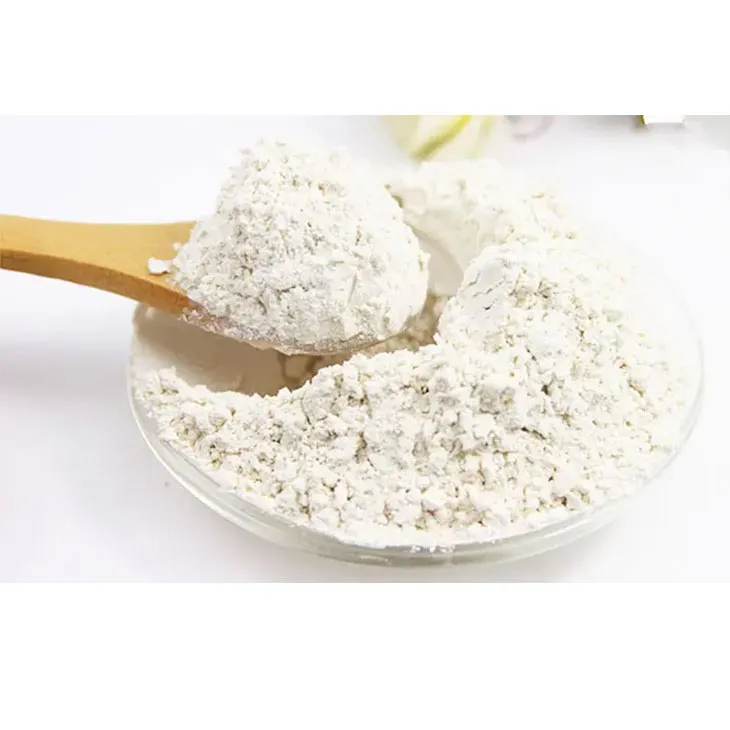
D. Quality of Raw Yams
- When sourcing yams, their physical appearance can provide some clues about their quality. Yams should be firm, without any signs of softening or rotting. The skin should be intact and free from blemishes.
- Size can also be an indicator. While there is no strict rule, overly small or abnormally large yams may sometimes indicate potential problems with growth conditions or genetic abnormalities that could affect the quality of the extract.
III. Advanced Extraction Techniques
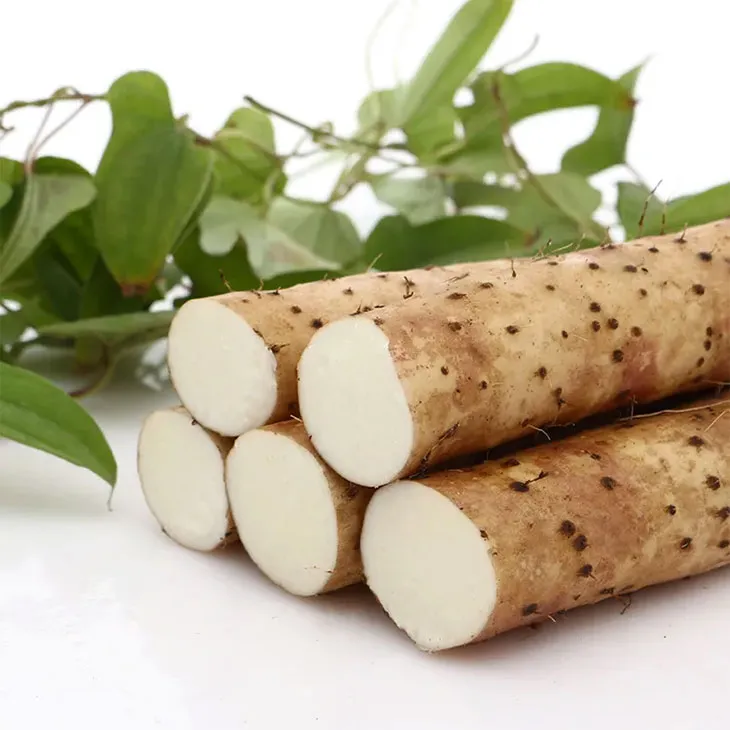
A. Solvent Extraction
- Solvent extraction is a commonly used method for obtaining Yam Extract. The choice of solvent is crucial. Ethanol is a popular solvent as it is relatively safe and effective in extracting the active compounds from yams. It has the ability to dissolve a wide range of compounds, including diosgenin.
- The extraction process involves grinding the yams into a fine powder and then soaking it in the solvent. The ratio of yam powder to solvent, the extraction time, and temperature all play important roles in determining the quality of the extract. For example, a higher temperature may increase the extraction rate, but it may also lead to the degradation of some sensitive compounds if not carefully controlled.
B. Supercritical Fluid Extraction
- Supercritical fluid extraction (SFE) is an advanced technique that has several advantages over traditional solvent extraction. Carbon dioxide (CO₂) is often used as the supercritical fluid. At supercritical conditions, CO₂ has properties that allow it to penetrate the yam matrix effectively and extract the desired compounds.
- One of the main benefits of SFE is that it is a cleaner process. Since CO₂ is a gas at normal conditions, it can be easily removed from the extract, leaving no solvent residues. This is highly desirable for applications in the food and pharmaceutical industries where purity is essential.
- However, SFE requires specialized equipment and precise control of parameters such as pressure and temperature. These factors need to be optimized to ensure high - quality extraction.
C. Microwave - Assisted Extraction
- Microwave - assisted extraction (MAE) is another innovative technique. Microwaves can be used to heat the yam - solvent mixture rapidly and uniformly. This can significantly reduce the extraction time compared to traditional methods.
- The key to successful MAE is to find the optimal microwave power and extraction time. Too high a power may cause overheating and degradation of the active compounds, while too short an extraction time may result in incomplete extraction.
D. Enzyme - Assisted Extraction
- Enzyme - assisted extraction involves the use of specific enzymes to break down the cell walls of yams. This can improve the release of the active compounds and increase the extraction efficiency.
- For example, cellulase and pectinase enzymes can be used. These enzymes target the cellulose and pectin components of the yam cell walls, respectively. By pre - treating the yams with these enzymes before extraction, a higher yield of high - quality extract can be obtained.
IV. Strict Quality Checks
A. Chemical Analysis
- One of the first steps in quality checking is chemical analysis. This involves determining the content of key compounds in the Yam Extract, such as diosgenin. High - performance liquid chromatography (HPLC) is a commonly used technique for this purpose. HPLC can accurately measure the concentration of diosgenin and other compounds, ensuring that the extract meets the expected quality standards.
- Analysis for heavy metals is also crucial. Yams may absorb heavy metals from the soil, and if present in the extract, they can pose a health risk. Techniques such as atomic absorption spectrometry can be used to detect and quantify heavy metals like lead, mercury, and cadmium.
B. Microbiological Testing
- Microbiological testing is essential to ensure the safety of the Yam Extract. Tests for bacteria, yeast, and mold are carried out. Total plate count methods can be used to determine the overall microbial load in the extract. If the microbial count exceeds the acceptable limits, it indicates poor hygiene during the production process or improper storage, which can lead to spoilage and potential health hazards.
- Specific pathogen testing, such as for Salmonella and Escherichia coli, is also necessary, especially for extracts used in the food and pharmaceutical industries.
C. Physical Properties Assessment
- The physical properties of the Yam Extract, such as its color, odor, and solubility, can provide valuable information about its quality. A high - quality Yam Extract should have a consistent color, a characteristic odor, and good solubility in the relevant solvents. Any deviation from the expected physical properties may indicate problems during the extraction or storage process.
- For example, a change in color may suggest oxidation or degradation of the compounds in the extract. An unpleasant odor may be a sign of microbial contamination or improper extraction conditions.
D. Stability Testing
- Stability testing is important to determine how the Yam Extract will behave over time. This includes testing its stability under different storage conditions, such as temperature and humidity. Accelerated stability testing can be carried out, where the extract is exposed to higher - than - normal temperatures and humidity levels to simulate long - term storage conditions in a shorter period.
- By monitoring the chemical and physical properties of the extract during stability testing, it is possible to predict its shelf - life and ensure that it remains of high quality throughout its intended use.
V. Conclusion
Ensuring high - quality Yam Extract requires a comprehensive approach that encompasses proper yam sourcing, advanced extraction techniques, and strict quality checks. By carefully selecting the yam species, sourcing from the right geographical regions, and following sustainable and organic practices, a good foundation for high - quality extract can be laid. Employing advanced extraction techniques such as supercritical fluid extraction, microwave - assisted extraction, and enzyme - assisted extraction can optimize the extraction process. Finally, strict quality checks through chemical analysis, microbiological testing, physical properties assessment, and stability testing are essential to guarantee that the Yam Extract meets the required quality standards for various applications in the food, cosmetic, and pharmaceutical industries.
FAQ:
Question 1: What are the key factors in sourcing yams for high - quality extract?
The key factors in sourcing yams for high - quality extract include the yam variety. Different varieties may have different nutrient compositions. For example, Dioscorea opposita is a commonly used variety with rich beneficial components. The growth environment also matters. Yams grown in fertile soil with proper sunlight and water conditions are likely to be of better quality. Organic farming methods are preferred as they reduce the risk of chemical contamination. Additionally, the freshness of the yams at the time of sourcing is crucial. Fresher yams are more likely to yield high - quality extract.
Question 2: How do advanced extraction techniques contribute to high - quality Yam Extract?
Advanced extraction techniques play a significant role in obtaining high - quality Yam Extract. For instance, modern solvent - based extraction methods can precisely target and extract the desired active compounds from the yam. Supercritical fluid extraction is one such advanced technique. It uses a supercritical fluid, like carbon dioxide, which has properties between a gas and a liquid. This allows for a more selective and efficient extraction of components such as diosgenin, which is an important compound in Yam Extract. Another technique is microwave - assisted extraction, which can speed up the extraction process while minimizing the degradation of heat - sensitive compounds in the yam.
Question 3: What are the typical strict quality checks for Yam Extract?
Typical strict quality checks for Yam Extract start with raw material inspection. This involves checking the yams for any signs of disease, damage, or contamination. In the extraction process, parameters such as temperature, pressure, and extraction time are closely monitored to ensure consistency. After extraction, the chemical composition of the extract is analyzed. This includes testing for the presence and quantity of key active ingredients like polysaccharides and steroidal saponins. Microbiological tests are also carried out to check for the presence of harmful bacteria, fungi, or viruses. Physical characteristics such as color, odor, and solubility are also evaluated to ensure the quality of the Yam Extract.
Question 4: Can the storage conditions of yams before extraction affect the quality of the extract?
Yes, the storage conditions of yams before extraction can significantly affect the quality of the extract. If yams are stored in improper conditions, such as high humidity or temperature, they may be prone to spoilage or mold growth. This can lead to a decrease in the nutrient content and an increase in the presence of harmful substances. For example, yams stored in damp conditions may develop mycotoxins, which can then contaminate the extract. Ideal storage conditions include a cool, dry place with proper ventilation to maintain the freshness and integrity of the yams until extraction.
Question 5: Are there any regulations or standards for high - quality Yam Extract?
Yes, there are regulations and standards for high - quality Yam Extract. In many countries, food and drug regulatory agencies have set guidelines for the production and quality of herbal extracts, including Yam Extract. These regulations often cover aspects such as good manufacturing practices (GMP). GMP ensures that the production facilities are clean, well - maintained, and operate in a hygienic manner. There are also standards for the labeling of Yam Extract products, which should accurately disclose the ingredients, usage instructions, and any potential side effects. Additionally, international organizations may also have guidelines regarding the quality and safety of herbal extracts, which Yam Extract producers may need to follow.
Related literature
- Advances in Yam Extraction Technologies"
- "Quality Control in Yam Extract Production"
- "Sourcing Yams for Optimal Extract Quality"


-

Melatonin
2024-12-07
-

D-Mannose
2024-12-07
-

Curcuma Longa Extract/Turmeric extract
2024-12-07
-

Mangosteen extract powder
2024-12-07
-

Phyllanthus Emblica Extract
2024-12-07
-

Black Rice Extract
2024-12-07
-

Angelica sinensis extract
2024-12-07
-

Scutellaria Extract
2024-12-07
-

Pine bark Extract Powder
2024-12-07
-

Rutin
2024-12-07