


1. Introduction: The Rising Popularity of Ginkgo Biloba Extract
Ginkgo Biloba Extract has been increasingly popular in the health and wellness market in recent years. This ancient plant has been used in traditional medicine for centuries, and modern science has started to uncover its potential health benefits. Ginkgo biloba is known for its antioxidant properties, which can help protect cells from damage caused by free radicals. It is also believed to have potential benefits for cognitive function, circulation, and more.
As a result, the demand for Ginkgo Biloba Extract has soared. However, with the increasing popularity, the market has become flooded with a wide variety of products, making it crucial for consumers to know how to ensure they are obtaining high - quality Ginkgo Biloba Extract.
2. Factors Influencing the Quality of Ginkgo Biloba Extract
2.1. Origin of the Ginkgo Leaves
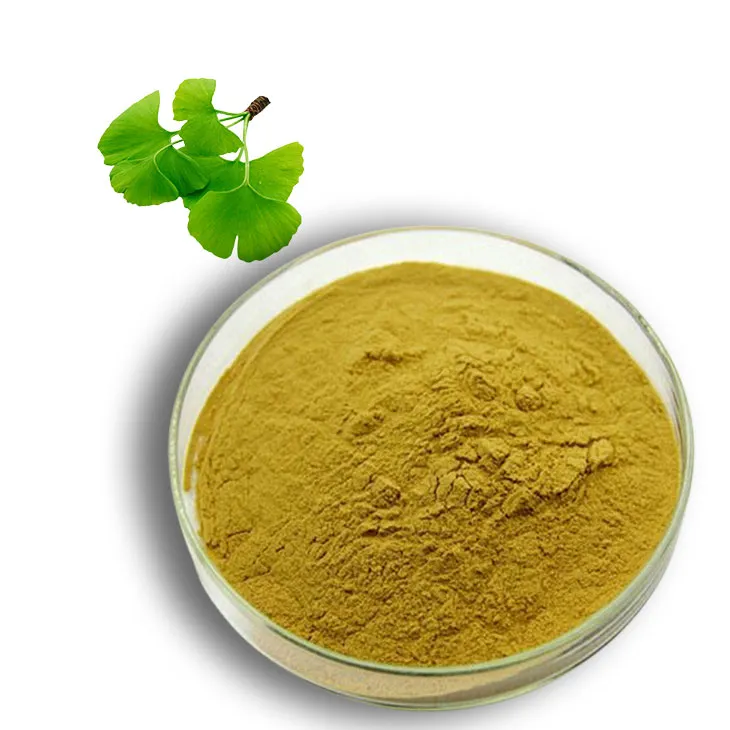
The origin of the ginkgo leaves is a significant factor in determining the quality of the extract. Ginkgo biloba trees grow in different regions around the world, and the environmental conditions in these areas can affect the chemical composition of the leaves.
For example, trees grown in regions with clean air, appropriate sunlight, and fertile soil are likely to produce leaves with higher levels of active compounds. On the other hand, ginkgo trees exposed to pollution or extreme weather conditions may have leaves with lower quality. In some areas, there may be higher levels of contaminants in the soil or air, which can be absorbed by the leaves and ultimately affect the quality of the extract.
2.2. Cultivation Methods
Cultivation methods also play a role in the quality of Ginkgo Biloba Extract. Organic cultivation is often preferred as it reduces the risk of chemical residues in the leaves. Organic farmers typically use natural fertilizers and pest control methods, which can result in a cleaner and more natural product.
Proper irrigation, pruning, and spacing of the trees are also important aspects of cultivation. Adequate water supply ensures the healthy growth of the trees, while proper pruning can improve the quality of the leaves by allowing better air circulation and sunlight exposure. Appropriate spacing between trees helps prevent overcrowding, which can lead to competition for resources and potentially lower - quality leaves.
3. Quality Control Measures during the Extraction Process
3.1. Selection of Raw Materials
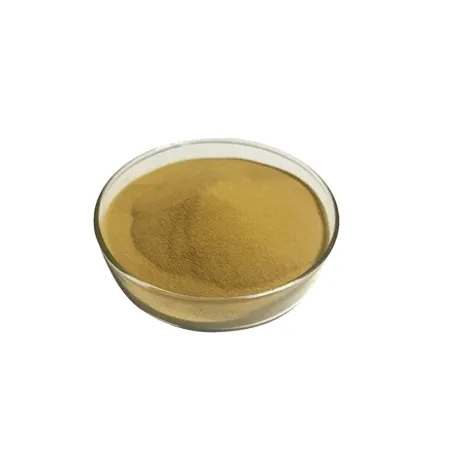
Before the extraction process begins, strict selection of raw materials is essential. Only high - quality ginkgo leaves should be used. This involves visual inspection to ensure the leaves are in good condition, free from signs of disease or damage. Additionally, the leaves should be harvested at the appropriate time to maximize the content of active compounds.
Some manufacturers may also conduct preliminary tests on the raw materials to determine their quality. For example, they may measure the levels of key active ingredients such as flavonoids and terpenoids in the leaves.

3.2. Extraction Techniques
The extraction technique used can significantly impact the quality of the Ginkgo Biloba Extract. There are several methods available, including solvent extraction, supercritical fluid extraction, and others.
Solvent extraction is a commonly used method, but the choice of solvent is crucial. Organic solvents such as ethanol are often preferred as they can effectively extract the active compounds while minimizing the risk of leaving harmful residues. Supercritical fluid extraction, using substances like carbon dioxide in a supercritical state, is another advanced technique that can produce high - quality extracts with a relatively pure composition.

3.3. Laboratory Testing for Purity and Potency
After the extraction process, laboratory testing is carried out to ensure the purity and potency of the Ginkgo Biloba Extract. Purity testing involves checking for the presence of contaminants such as heavy metals, pesticides, and other impurities.
Potency testing measures the levels of active compounds in the extract. This helps to ensure that the product contains the appropriate amount of beneficial substances. For example, the levels of flavonoids and terpenoids should be within a certain range to be considered a high - quality product. Manufacturers may use techniques such as high - performance liquid chromatography (HPLC) to accurately measure these components.
4. Consumer Awareness: Ensuring a High - Quality Purchase
4.1. Reading Labels Carefully
One of the most important steps for consumers to ensure they obtain high - quality Ginkgo Biloba Extract is to read labels carefully. The label should provide information about the origin of the ginkgo leaves, the extraction method used, and the content of active ingredients.
Look for products that clearly state the percentage of key active compounds such as flavonoids and terpenoids. Also, check for any certifications or quality marks on the label. For example, if the product is organically certified, it indicates that it has met certain standards for organic cultivation and processing.
4.2. Being Aware of Potential Contaminants
Consumers should be aware of potential contaminants in Ginkgo Biloba Extract. As mentioned earlier, heavy metals and pesticides are two common contaminants to watch out for.
Heavy metals such as lead, mercury, and cadmium can be harmful if present in high levels in the extract. Pesticide residues can also pose a risk to health. To minimize the risk of consuming contaminated products, choose products from reputable manufacturers who conduct regular testing for contaminants.
4.3. Researching the Manufacturer
Researching the manufacturer is another important aspect of ensuring a high - quality purchase. Look for manufacturers with a good reputation in the industry. Check online reviews and ratings from other consumers to get an idea of the quality of their products.
A reliable manufacturer will typically have strict quality control procedures in place and be transparent about their production processes. They may also have a history of producing high - quality herbal extracts.
5. Conclusion
Ensuring the acquisition of high - quality Ginkgo Biloba Extract requires a comprehensive understanding of various factors. From the origin of the ginkgo leaves to the extraction process and quality control measures, every step plays a crucial role.
As a consumer, being vigilant and informed is key. By carefully reading labels, being aware of potential contaminants, and researching the manufacturer, one can increase the likelihood of obtaining a high - quality Ginkgo Biloba Extract that may potentially offer the desired health benefits.
FAQ:
What are the main factors affecting the quality of Ginkgo Biloba Extract?
The origin of the ginkgo leaves is a crucial factor. Leaves from different regions may have varying levels of active compounds. Additionally, the extraction process plays a vital role. Quality control measures during extraction, such as proper handling, purification techniques, and laboratory testing for purity and potency, also significantly impact the quality of the extract.
Why is the origin of ginkgo leaves important for the quality of its extract?
The origin of ginkgo leaves can affect their chemical composition. Different environmental conditions, such as soil quality, climate, and altitude in different regions, can lead to differences in the concentration of active ingredients in the leaves. For example, ginkgo trees in some areas may produce leaves with higher levels of flavonoids and terpenoids, which are important components in Ginkgo Biloba Extract, thus potentially resulting in a higher - quality extract.
What kind of laboratory tests are usually carried out to ensure the quality of Ginkgo Biloba Extract?
Laboratory tests for Ginkgo Biloba Extract typically include tests for purity and potency. Purity tests may check for the presence of contaminants such as heavy metals, pesticides, or other impurities. Potency tests are used to determine the concentration of active compounds like flavonoids and terpenoids. These tests help to ensure that the extract meets the required standards for quality and effectiveness.
How can consumers ensure they are buying high - quality Ginkgo Biloba Extract?
Consumers can take several steps. Firstly, they should read product labels carefully. This includes looking for information about the source of the ginkgo leaves, the extraction method, and any certifications. Secondly, they should be aware of potential contaminants and look for products that have been tested for purity. Also, it is advisable to choose products from reputable brands with a history of quality control.
Are there any regulations regarding the quality of Ginkgo Biloba Extract?
Yes, there are regulations in many countries. These regulations often set standards for the content of active ingredients, limits on contaminants, and requirements for manufacturing processes and quality control. For example, in some regions, there are specific limits on the amount of heavy metals and pesticides allowed in Ginkgo Biloba Extract products. Manufacturers are required to comply with these regulations to ensure the safety and quality of the products.
Related literature
- Quality Assessment of Ginkgo Biloba Extracts: Chemical and Biological Aspects"
- "The Role of Standardization in Ensuring the Quality of Ginkgo Biloba Extract"
- "Ginkgo Biloba Extract: Production, Quality Control and Therapeutic Applications"


-

Angelica sinensis extract
2024-12-07
-

Purple Sweet Potato Extract
2024-12-07
-

Giant Knotweed Extract
2024-12-07
-

Pine bark Extract Powder
2024-12-07
-

Lavender Extract
2024-12-07
-

Oyster Peptide
2024-12-07
-

Vitamin B9
2024-12-07
-

Beta Carotene
2024-12-07
-

Sugarcane Extract
2024-12-07
-

Maca Extract
2024-12-07