


1. Introduction
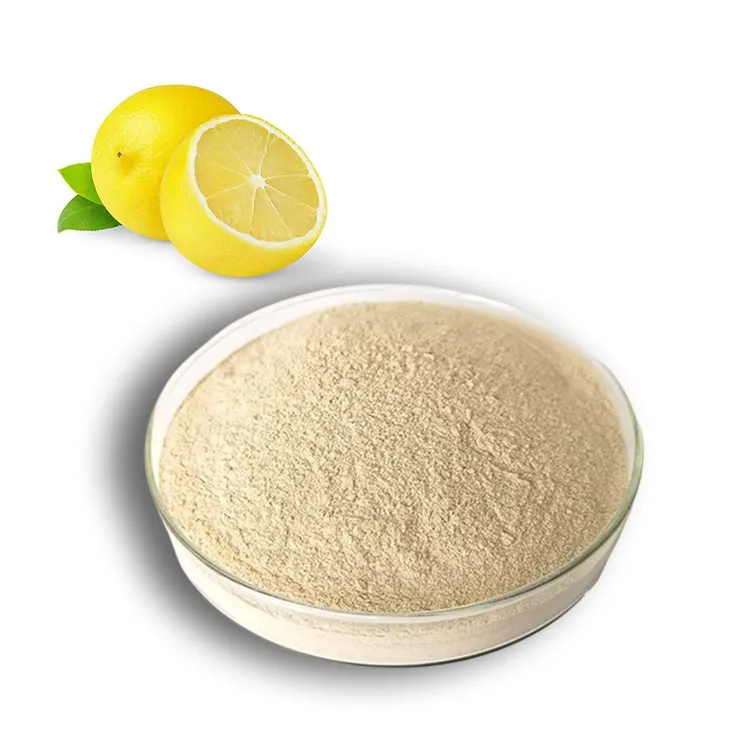
Lemon Extract is a versatile and popular ingredient in the food, beverage, and cosmetic industries. It offers a natural, refreshing lemon flavor and aroma, along with potential health benefits. Establishing your own Lemon Extract product line can be a lucrative business venture, but it requires careful planning, knowledge of the market, and attention to quality control. This comprehensive guide will walk you through the essential steps, from understanding the market potential to marketing your final products.
2. Discovering the Market Potential
2.1. Food and Beverage Industry
The food and beverage industry is a significant consumer of Lemon Extract. In the baking sector, Lemon Extract is used in cakes, cookies, and pastries to add a tangy flavor. In the beverage industry, it can be found in lemonades, teas, and cocktails. The growing trend towards natural and healthy ingredients has increased the demand for real Lemon Extract as opposed to artificial flavorings. Consumers are more conscious about what they consume and are willing to pay a premium for products made with high - quality, natural ingredients.
2.2. Cosmetic and Skincare Industry
Lemon Extract is also widely used in the cosmetic and skincare industry. Its natural antibacterial and antioxidant properties make it a valuable ingredient in products such as facial cleansers, toners, and moisturizers. It can help to brighten the skin, reduce blemishes, and provide a refreshing scent. With the increasing popularity of natural and organic skincare products, the market for lemon - based skincare items is on the rise.

2.3. Market Research
To fully understand the market potential, it is essential to conduct in - depth market research. This includes:
- Identifying your target customers: Are they home bakers, professional chefs, skincare enthusiasts, or a combination of these?
- Analyzing your competitors: What Lemon Extract products are already on the market? What are their strengths and weaknesses?
- Studying market trends: Keep up with the latest consumer preferences, such as the demand for organic or sustainable products.
3. Raw Material Sourcing

3.1. Selecting the Right Lemons
The quality of your Lemon Extract depends largely on the quality of the lemons you use. Look for lemons that are fresh, ripe, and free from blemishes. The variety of lemon can also impact the flavor profile of the extract. For example, Meyer lemons have a sweeter, more floral flavor compared to regular Eureka or Lisbon lemons. Consider sourcing your lemons from local farmers if possible, as this can support the local economy and ensure freshness. Additionally, organic lemons may be a better choice if you are targeting the natural and organic market segment.

3.2. Quantity and Seasonality
When sourcing lemons, you need to consider the quantity required for your production scale. If you are starting small, you may be able to purchase lemons from local grocery stores or farmers' markets. However, as your business grows, you will need to establish more reliable and larger - scale sourcing channels. Lemons are seasonal fruits, so you may need to plan for storage or alternative sourcing during off - seasons. Some options include frozen lemons or lemon concentrates, although these may not provide the same quality as fresh lemons.
4. Extraction Methods
4.1. Traditional Cold - Press Extraction
One of the most common and traditional methods of Lemon Extract production is cold - press extraction. This method involves squeezing the lemons to extract the juice, which is then filtered to remove any pulp or solids. The resulting juice can be further concentrated to create a more potent extract. Cold - press extraction helps to preserve the natural flavor and aroma of the lemons, as well as their nutritional value. However, it can be a time - consuming process, especially if you are working with large quantities of lemons.
4.2. Solvent - Based Extraction
Solvent - based extraction uses a solvent, such as ethanol or ethyl acetate, to extract the flavor compounds from the lemons. This method can be more efficient in terms of yield and can produce a more concentrated extract. However, it requires careful handling of the solvent to ensure safety and compliance with regulations. The final product may also need to be processed further to remove any residual solvent, which can add to the production cost.
4.3. Supercritical Fluid Extraction
Supercritical fluid extraction is a more advanced method that uses supercritical carbon dioxide as the extraction medium. This method offers several advantages, including high selectivity, low - temperature operation (which helps to preserve the delicate flavor compounds), and the production of a solvent - free extract. However, it requires specialized equipment and a higher initial investment.
5. Product Development
5.1. Formulating Your Lemon Extract
Depending on your target market and product applications, you may need to formulate your Lemon Extract in different ways. For food and beverage applications, you may need to adjust the concentration of the extract to achieve the desired flavor intensity. In skincare products, you may need to combine the Lemon Extract with other ingredients, such as oils, emulsifiers, and preservatives, to create a stable and effective product. Consider working with a product development expert or a chemist to ensure that your formulations are safe, effective, and compliant with relevant regulations.
5.2. Packaging Design
The packaging of your Lemon Extract products is an important aspect of product development. For food - grade Lemon Extract, choose packaging materials that are food - safe, such as glass bottles or food - grade plastic containers. The packaging should also be designed to protect the product from light, air, and moisture, which can degrade the quality of the extract. In the case of skincare products, the packaging should be both aesthetically pleasing and functional, with features such as pumps or droppers for easy dispensing.
6. Quality Control
6.1. Ingredient Testing
Before using the lemons in the extraction process, it is important to test them for quality. This includes checking for pesticide residues, microbial contamination, and overall freshness. Regular testing of the raw materials can help to ensure that your final product is safe and of high quality. You may need to work with a laboratory or a testing facility to conduct these tests.
6.2. Process Monitoring
During the extraction and production process, monitor key parameters such as temperature, pressure, and extraction time. These factors can affect the quality and consistency of your Lemon Extract. Implement a quality management system to document and control these processes, ensuring that each batch of product meets the same high - standard quality requirements.
6.3. Final Product Testing
Once the Lemon Extract is produced, conduct comprehensive final product testing. This includes sensory evaluation (taste, smell, and appearance), chemical analysis (to check for the correct concentration of flavor compounds), and stability testing (to ensure that the product remains stable over time). Only release products that pass all the necessary quality tests.
7. Regulatory Compliance
7.1. Food - Related Regulations
If your Lemon Extract is intended for food and beverage applications, you must comply with food - related regulations. This includes meeting food safety standards, obtaining the necessary food manufacturing licenses, and following labeling requirements. The label should clearly state the ingredients, nutritional information, and any potential allergens.
7.2. Cosmetic - Related Regulations
For Lemon Extract used in skincare and cosmetic products, there are specific cosmetic - related regulations to follow. These regulations cover aspects such as ingredient safety, product claims, and labeling. Ensure that your products are properly registered and that you are aware of any restrictions or requirements regarding the use of Lemon Extract in cosmetics.
8. Marketing Strategies
8.1. Brand Building
Create a strong brand identity for your Lemon Extract product line. This includes choosing a memorable brand name, designing a logo, and establishing a brand voice. Your brand should communicate the quality, naturalness, and uniqueness of your Lemon Extract products. Use storytelling to connect with your customers on an emotional level, for example, by highlighting the origin of your lemons or the traditional extraction methods you use.
8.2. Online Marketing
In today's digital age, online marketing is crucial for promoting your Lemon Extract products. Build a professional website that showcases your products, their features, and benefits. Use social media platforms such as Instagram, Facebook, and Pinterest to share engaging content, such as recipes using your Lemon Extract, skincare tips, and behind - the - scenes photos of your production process. Consider running online advertising campaigns, such as Google Ads or Facebook Ads, to reach a wider audience.
8.3. Offline Marketing
Don't overlook the power of offline marketing. Participate in food and beverage trade shows, beauty expos, and farmers' markets to showcase your products in person. Offer product samples to potential customers, and collect their contact information for future marketing efforts. Collaborate with local retailers, cafes, and spas to get your products in front of their customers. You can also distribute flyers, brochures, or business cards to raise awareness about your brand.
9. Conclusion
Establishing your own Lemon Extract product line is a challenging but rewarding endeavor. By carefully considering the market potential, sourcing high - quality raw materials, using appropriate extraction methods, ensuring quality control, complying with regulations, and implementing effective marketing strategies, you can create a successful and unique Lemon Extract product line that meets the needs and desires of your target customers.
FAQ:
1. What are the main market demands for Lemon Extract products?
The market demands for Lemon Extract products are diverse. In the food and beverage industry, it is used for flavoring various products like candies, baked goods, and beverages as it provides a fresh, tangy flavor. In the cosmetic and skincare sector, Lemon Extract is valued for its natural antioxidant and skin - brightening properties. It can be found in products such as face creams, lotions, and masks. Additionally, in the aromatherapy and home fragrance markets, Lemon Extract's pleasant smell makes it a popular ingredient for diffusers and scented candles.
2. Where can I source high - quality lemon raw materials?
You can source high - quality lemon raw materials from several places. One option is to directly contact local lemon farmers. This allows you to ensure the freshness and quality of the lemons, and you may also be able to negotiate better prices. Another source could be agricultural cooperatives that aggregate produce from multiple farmers. If you need a large quantity and consistent supply, international suppliers from major lemon - producing regions such as Italy, Spain, or California in the United States can also be considered. However, when sourcing internationally, you need to be aware of import regulations and quality control standards.
3. What are the common extraction methods for Lemon Extract?
There are mainly two common extraction methods for Lemon Extract. One is cold - press extraction, which involves mechanically pressing the lemons to extract the juice without using heat. This method helps preserve the natural flavor and nutrients of the lemons. The other is solvent extraction, where a solvent such as ethanol is used to dissolve the desired components from the lemon peel or pulp. After extraction, the solvent is removed, leaving behind the Lemon Extract. However, solvent extraction requires careful handling to ensure the removal of all solvent residues to meet safety and quality standards.
4. How can I ensure the quality and safety of my Lemon Extract products?
To ensure the quality and safety of your Lemon Extract products, start with high - quality raw materials. Implement strict quality control measures during the extraction process, such as monitoring temperature, pressure (if applicable), and extraction time. Conduct regular testing for contaminants like pesticides (if sourced from non - organic lemons), heavy metals, and microbial contamination. Follow all relevant food safety or cosmetic safety regulations depending on the end - use of your product. Also, proper packaging that protects the extract from light, air, and moisture can help maintain its quality over time.
5. What are some effective marketing strategies for a Lemon Extract product line?
Some effective marketing strategies for a Lemon Extract product line include highlighting the natural and pure nature of the product. Emphasize the origin of the lemons if they are sourced from a particular region known for high - quality produce. For the food - related market, offer recipe ideas that incorporate the Lemon Extract. In the cosmetic market, showcase before - and - after results of using products with Lemon Extract for skin - related benefits. Use social media platforms to share product information, engage with customers through product giveaways or contests, and collaborate with influencers in the food, beauty, or health niches to increase brand awareness.
Related literature
- The Chemistry and Applications of Lemon Extract in the Food Industry"
- "Lemon Extract: From Orchard to Market - A Supply Chain Analysis"
- "Quality Control in Lemon Extract Production: Best Practices"
- "Marketing Natural Extracts: The Case of Lemon Extract"


-

Kidney Bean Extract
2025-01-11
-

Reishi mushroom extract
2025-01-11
-

Purple Sweet Potato Extract
2025-01-11
-

Phellodendron Extract
2025-01-11
-

Longan Extract
2025-01-11
-

Plantain extract
2025-01-11
-

Senna Leaf Extract
2025-01-11
-

Natural grape seed extract
2025-01-11
-

Olive leaf extract
2025-01-11
-

Bitter Melon Extract
2025-01-11