


1. Introduction
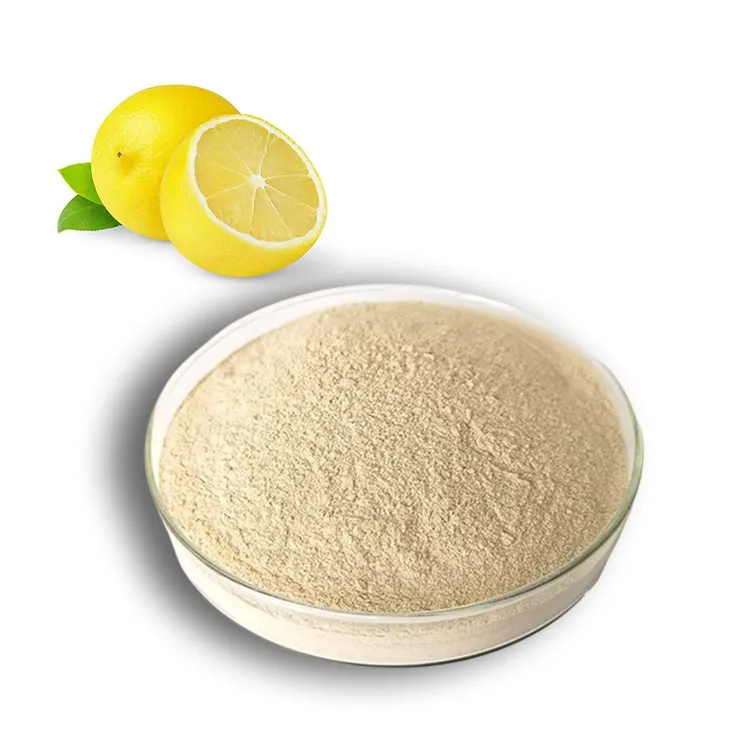
Lemon Extract is widely used in various industries, including food, beverage, cosmetics, and pharmaceuticals. The production of pure isolates from lemons involves a series of complex processing and extraction techniques. This article aims to explore the key aspects of Lemon Extract processing and extraction, including the influence of environmental factors on lemon quality for extraction, innovative extraction technologies for maximum yield and purity, and methods to ensure the stability and quality of the final pure lemon isolates.
2. Environmental Factors Affecting Lemon Quality for Extraction
2.1 Climate
The climate in which lemons are grown significantly impacts their quality for extraction. Lemons thrive in warm, subtropical climates. Adequate sunlight is crucial as it affects the development of essential oils and flavor compounds in the lemon peel. If the climate is too cold or cloudy, the growth of lemons may be stunted, and the content of valuable components for extraction may be reduced. For example, in regions with frequent frost, lemons may suffer damage, leading to a decrease in the quality of the extractable substances.
2.2 Soil Conditions
Soil quality also plays a vital role. Well - drained, fertile soil with the right balance of nutrients such as nitrogen, phosphorus, and potassium is ideal for lemon cultivation. The soil's pH level affects nutrient availability to the lemon trees. A slightly acidic to neutral pH (around 6 - 7) is generally favorable. If the soil is too alkaline or acidic, it can lead to nutrient deficiencies or toxicities in the lemon trees, which in turn can impact the quality of the lemons for extraction. For instance, in alkaline soils, iron deficiency may occur, resulting in yellowing of the leaves and potentially affecting the overall health and quality of the fruit.

2.3 Water Availability
Proper water availability is essential for lemon growth and quality. Lemons require consistent watering, but over - watering or water - logging can be detrimental. Insufficient water can cause stress to the plants, leading to reduced fruit size and a lower concentration of active compounds. On the other hand, excessive water can lead to root rot and other diseases, which can also affect the quality of the lemons for extraction. It is important to maintain an appropriate water regime, depending on the stage of growth and the local climate conditions.
3. Innovative Extraction Technologies for Maximum Yield and Purity

3.1 Solvent Extraction
Solvent extraction is a commonly used method in Lemon Extract production. Organic solvents such as ethanol or hexane can be used to dissolve the desired compounds from the lemon peel or juice. Ethanol is often preferred as it is relatively safe and can effectively extract a wide range of flavor and aroma compounds. The process involves soaking the lemon material in the solvent, followed by filtration to separate the solvent containing the extract from the solid residue. However, careful control of solvent concentration, extraction time, and temperature is required to ensure maximum yield and purity. For example, increasing the solvent concentration may increase the extraction rate, but it may also lead to the extraction of unwanted compounds, thus affecting the purity of the final extract.

3.2 Supercritical Fluid Extraction (SFE)
Supercritical fluid extraction is an innovative and more advanced technique. Supercritical carbon dioxide ($CO_2$) is often used as the supercritical fluid. It has several advantages over traditional solvent extraction. Firstly, $CO_2$ is non - toxic, non - flammable, and environmentally friendly. Secondly, it can be easily removed from the extract after extraction, leaving no solvent residue. The process involves adjusting the pressure and temperature of $CO_2$ to its supercritical state, where it has properties between a gas and a liquid. In this state, it can effectively penetrate the lemon material and extract the desired compounds. SFE can be precisely controlled to target specific compounds, resulting in a high - purity extract with excellent yield. However, the equipment for SFE is relatively expensive, which may limit its widespread use in small - scale production.
3.3 Microwave - Assisted Extraction (MAE)
Microwave - assisted extraction is another emerging technology. In this method, microwaves are used to heat the lemon material and the solvent simultaneously. This rapid heating can increase the extraction efficiency by enhancing the mass transfer of compounds from the lemon to the solvent. MAE can significantly reduce the extraction time compared to traditional methods. For example, in some cases, the extraction time can be reduced from several hours to just a few minutes. However, careful optimization of microwave power, extraction time, and solvent - to - sample ratio is necessary to avoid over - extraction or degradation of the target compounds.
4. Ensuring the Stability and Quality of the Final Pure Lemon Isolates
4.1 Storage Conditions
The proper storage of pure lemon isolates is crucial for maintaining their stability and quality. They should be stored in a cool, dry, and dark place. Exposure to light, heat, and moisture can cause degradation of the active compounds. For example, light can initiate photochemical reactions that may break down the flavor and aroma compounds in the Lemon Extract. Packaging also plays an important role. Air - tight containers made of materials that do not interact with the extract, such as glass or high - quality plastic, should be used to prevent oxidation and contamination.
4.2 Quality Control Tests
Regular quality control tests should be carried out during the production process. These tests can include analysis of the chemical composition of the extract, such as determining the concentration of key flavor compounds, essential oils, and other active ingredients. Chromatography techniques, such as gas chromatography (GC) and high - performance liquid chromatography (HPLC), can be used for this purpose. Microbiological testing should also be performed to ensure that the extract is free from harmful bacteria, fungi, and other microorganisms. In addition, sensory evaluation can be carried out to assess the flavor, aroma, and overall quality of the lemon isolate.
4.3 Standardization
Standardization of the production process is essential for ensuring consistent quality of the pure lemon isolates. This involves establishing standard operating procedures (SOPs) for every step of the processing and extraction, from lemon harvesting to final product packaging. The SOPs should define parameters such as the type and quality of lemons to be used, extraction methods and conditions, and quality control criteria. By following strict standardization, producers can ensure that each batch of lemon isolate meets the required quality standards.
5. Conclusion
In conclusion, the production of pure lemon isolates through effective processing and extraction techniques is a complex but rewarding process. Understanding the influence of environmental factors on lemon quality, employing innovative extraction technologies, and ensuring the stability and quality of the final product are all key aspects. With the increasing demand for natural and high - quality ingredients in various industries, the production of pure lemon isolates will continue to gain importance. By continuously exploring and improving these processes, producers can meet the market demands and provide high - quality Lemon Extracts for a wide range of applications.
FAQ:
Q1: What are the main environmental factors that can affect the quality of lemons for extraction?
Several environmental factors can impact lemon quality for extraction. Temperature is crucial. Extreme cold or heat can affect the growth and development of lemons, potentially leading to changes in the chemical composition. For example, very high temperatures might cause excessive evaporation of water from the fruit, concentrating certain substances in an unbalanced way. Rainfall also plays a role. Too much or too little rainfall can influence the size, juiciness, and nutrient content of lemons. Inadequate water supply may result in smaller fruits with less juice. Soil quality is another factor. Lemons grow best in well - drained, fertile soil. Poor soil can lead to nutrient deficiencies in the lemons, which in turn can affect the quality of the extract. Additionally, sunlight exposure is important. Insufficient sunlight can lead to under - ripening of lemons, while excessive sunlight might cause sunburn on the fruit, both of which can have an impact on the final extract quality.
Q2: What are some innovative extraction technologies for obtaining pure lemon isolates?
One innovative extraction technology is supercritical fluid extraction. In this method, a supercritical fluid, often carbon dioxide, is used. It has properties between those of a liquid and a gas. This allows it to penetrate the lemon cells effectively and extract the desired compounds with high selectivity. Another is microwave - assisted extraction. Microwaves are used to heat the lemon material quickly and uniformly, which can enhance the extraction efficiency. Enzyme - assisted extraction is also emerging. Specific enzymes are added to break down cell walls more easily, facilitating the release of the compounds for extraction. Additionally, ultrasound - assisted extraction is popular. High - frequency sound waves create cavitation bubbles in the extraction solvent, which helps in disrupting the lemon cells and improving the extraction of pure isolates.
Q3: How can we ensure the stability of pure lemon isolates?
To ensure the stability of pure lemon isolates, proper storage conditions are essential. Firstly, they should be stored in a cool, dry place away from direct sunlight. Exposure to heat and light can cause degradation of the compounds. Secondly, packaging plays a crucial role. Using airtight and light - blocking containers can prevent oxidation and other chemical reactions. Thirdly, the addition of stabilizers may be considered. For example, antioxidants can be added to prevent oxidative degradation. Also, controlling the moisture content is important. Excessive moisture can lead to microbial growth and spoilage, so keeping the isolates in a low - humidity environment helps maintain their stability.
Q4: How do you measure the purity of lemon isolates?
There are several methods to measure the purity of lemon isolates. Chromatographic techniques are commonly used. High - performance liquid chromatography (HPLC) can separate and quantify the different components in the isolate. By comparing the peaks in the chromatogram to known standards, the purity can be determined. Gas chromatography (GC) can also be used for volatile components. Spectroscopic methods are another option. For example, ultraviolet - visible spectroscopy (UV - Vis) can provide information about the absorption of light by the isolate, which can be related to its purity. Additionally, mass spectrometry (MS) can be used to identify and quantify the molecules present in the isolate, helping in the assessment of purity.
Q5: What are the potential applications of pure lemon isolates?
Pure lemon isolates have a wide range of potential applications. In the food industry, they can be used as natural flavorings in various products such as beverages, confectionery, and baked goods. Their antioxidant properties make them useful for food preservation. In the cosmetic industry, lemon isolates can be added to skincare products for their antibacterial and skin - brightening effects. They may also be used in aromatherapy due to their pleasant scent. In the pharmaceutical industry, certain compounds in lemon isolates may have potential medicinal properties, such as anti - inflammatory or anti - microbial effects, which could be explored for drug development.
Related literature
- Advanced Extraction Techniques for Citrus Fruit Components"
- "The Influence of Environmental Conditions on Citrus Quality for Industrial Use"
- "Quality Control and Stability of Fruit - derived Isolates"


-

Sophora Japonica Flower Extract
2024-12-08
-

Kelp Extract Powder
2024-12-08
-

Grape Leaf Extract
2024-12-08
-

Chasteberry Extract
2024-12-08
-

Eyebright Extract
2024-12-08
-

Vitamin B9 powder
2024-12-08
-

Genistein
2024-12-08
-

Clove Powder
2024-12-08
-

Citrus Aurantium Extract
2024-12-08
-

Jujube Extract
2024-12-08