


1. Introduction
In the field of natural product research and development, the production of pure isolates from plant materials such as artichoke leaves and aged garlic has gained significant attention. These pure isolates can possess various beneficial properties and have potential applications in pharmaceuticals, nutraceuticals, and the food industry. Understanding the processing and extraction techniques for Artichoke Leaf Extract and Aged Garlic Extract is crucial for obtaining high - quality pure isolates.
2. Artichoke Leaf Extract Processing
2.1 Raw Material Selection
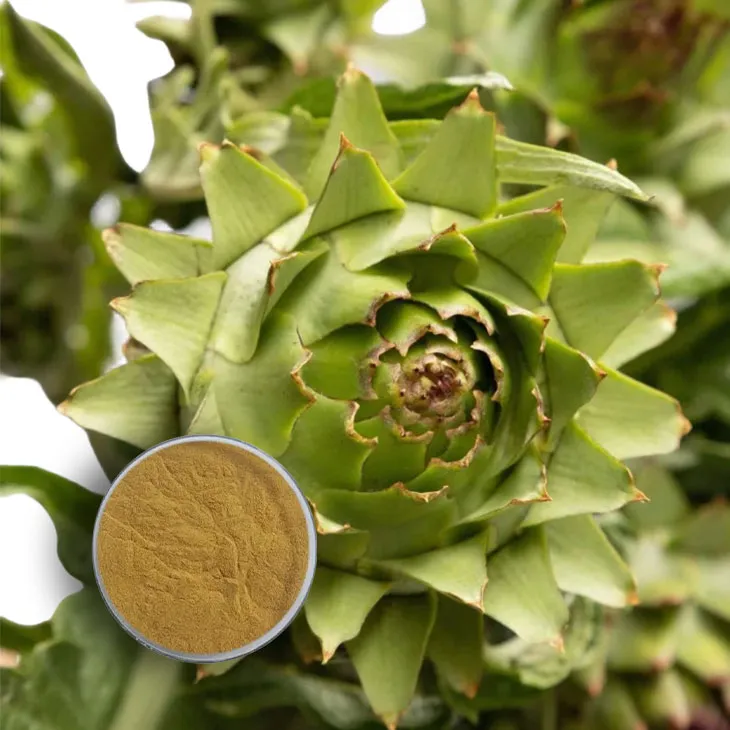
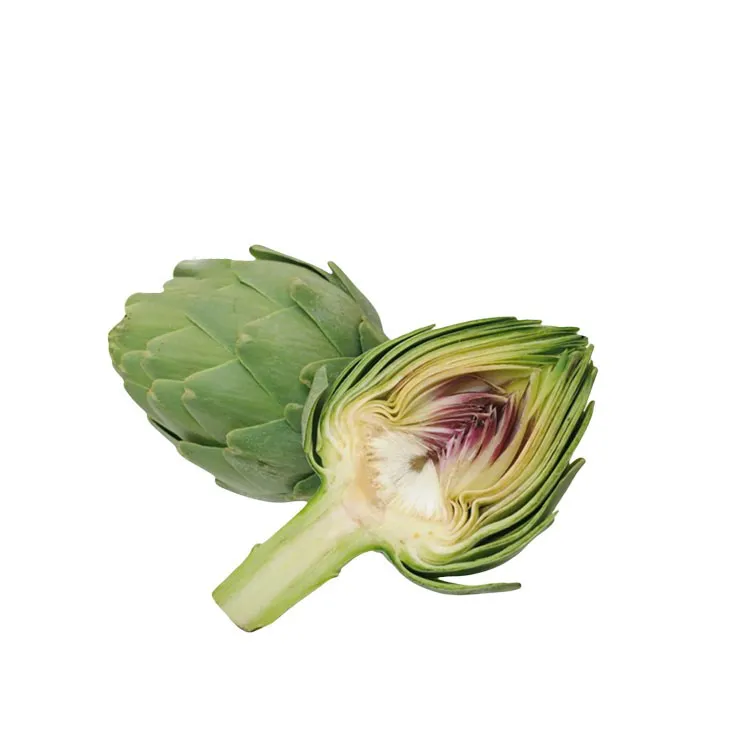
Quality of Artichoke Leaves: The first step in obtaining a pure Artichoke Leaf Extract is to select high - quality artichoke leaves. Freshness is a key factor. Leaves should be harvested at the appropriate time, preferably when the plant is in its prime growth stage. This ensures that the leaves contain the maximum amount of desired bioactive compounds. Additionally, leaves should be free from diseases, pests, and any signs of physical damage.
Source and Variety: Different varieties of artichoke may have varying levels of bioactive components. Some varieties are known to be rich in specific compounds such as cynarin. Therefore, it is important to choose the appropriate artichoke variety based on the desired end - product characteristics. Moreover, the source of the artichoke, whether it is organically grown or conventionally grown, can also influence the quality of the extract.
2.2 Extraction Methods
Solvent Extraction: One of the most common methods for extracting Artichoke Leaf Extract is solvent extraction. Organic solvents such as ethanol, methanol, or a mixture of these solvents can be used. Ethanol is often preferred due to its relatively low toxicity and its ability to dissolve a wide range of bioactive compounds. The process involves grinding the artichoke leaves into a fine powder and then mixing it with the solvent in a suitable ratio. For example, a ratio of 1:5 (leaf powder to solvent) can be used. The mixture is then stirred continuously for a certain period, usually several hours to ensure complete extraction.
Supercritical Fluid Extraction: This is a more advanced extraction technique. Supercritical carbon dioxide (scCO₂) is often used as the supercritical fluid. The advantage of this method is that it can operate at relatively low temperatures, which helps to preserve the thermally sensitive compounds in the artichoke leaves. In this process, the artichoke leaf powder is placed in a high - pressure vessel, and scCO₂ is passed through it. The pressure and temperature are carefully controlled to optimize the extraction of the desired compounds.
2.3 Purification Steps
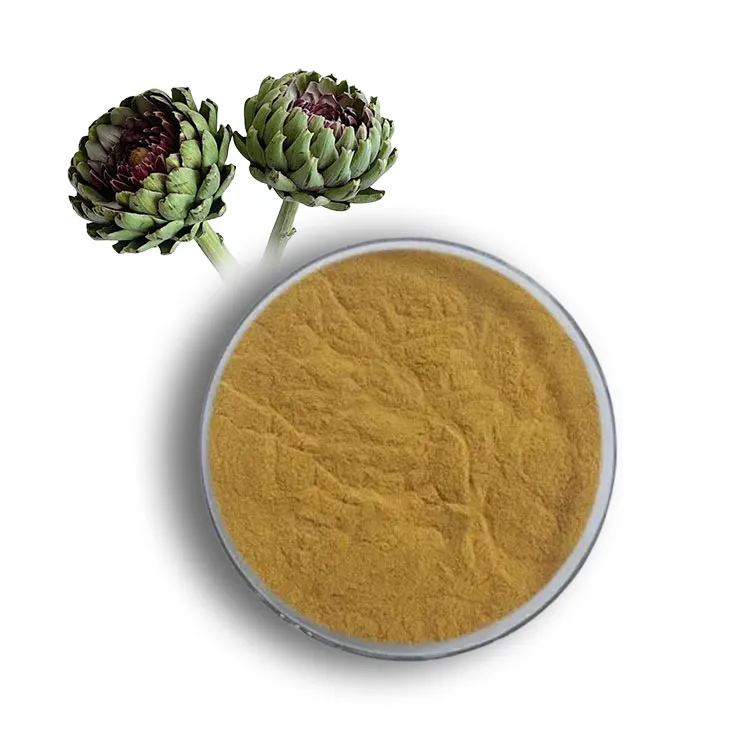
Filtration: After the extraction process, the resulting mixture needs to be filtered to remove any solid particles. This can be achieved using a filter paper or a membrane filter. Filtration helps to obtain a clear extract, which is a prerequisite for further purification steps.
Evaporation and Concentration: The filtered extract may contain a large amount of solvent. To obtain a more concentrated extract, the solvent needs to be evaporated. This can be done using a rotary evaporator under reduced pressure. By carefully controlling the temperature and pressure, the solvent can be removed without causing significant degradation of the bioactive compounds.
Chromatographic Purification: Chromatography techniques such as high - performance liquid chromatography (HPLC) or column chromatography can be used for further purification. HPLC is a very effective method for separating and purifying individual compounds in the Artichoke Leaf Extract. By using an appropriate stationary phase and mobile phase, different compounds can be separated based on their chemical properties.
3. Aged Garlic Extract Processing
3.1 Raw Material Selection
Quality of Garlic: For Aged Garlic Extract production, the quality of the garlic bulbs is of utmost importance. High - quality garlic bulbs should be selected, which are firm, free from mold and rot. The variety of garlic also plays a role in determining the composition of the extract. Some varieties may have higher levels of certain sulfur - containing compounds, which are important bioactive components in Aged Garlic Extract.
Aging Process: The aging process of garlic is a crucial factor in obtaining a high - quality extract. Garlic bulbs are typically aged for a period of several months to a year or more. During this time, the chemical composition of the garlic changes significantly. Enzymatic reactions occur, which convert some of the primary sulfur - containing compounds into more stable and bioactive forms.
3.2 Extraction Methods
Water Extraction: A simple and commonly used method for extracting aged garlic is water extraction. The aged garlic bulbs are minced or crushed and then mixed with water in a suitable ratio. The mixture is heated at a relatively low temperature, usually around 60 - 80°C, for a certain period, typically several hours. This gentle heating helps to extract the water - soluble bioactive compounds from the garlic while minimizing the degradation of heat - sensitive components.
Ethanol - Assisted Extraction: In some cases, ethanol can be added to the water extraction process to enhance the extraction efficiency. Ethanol can help to dissolve some of the less water - soluble compounds in the aged garlic. A mixture of water and ethanol, such as a 50:50 ratio, can be used. The extraction process is similar to that of water extraction, but the presence of ethanol may require some adjustments in the extraction conditions, such as temperature and extraction time.
3.3 Purification Steps
Filtration and Centrifugation: After the extraction, the resulting mixture needs to be purified. Filtration can be used to remove large solid particles, and centrifugation can be used to further separate the fine particles from the extract. This helps to obtain a relatively clear extract for further processing.
Concentration and Drying: The filtered and centrifuged extract can be concentrated using methods such as vacuum evaporation. By removing the water or solvent, a more concentrated extract can be obtained. Subsequently, the concentrated extract can be dried, either by freeze - drying or spray - drying, to obtain a powder form of the Aged Garlic Extract.
Separation of Bioactive Compounds: Similar to Artichoke Leaf Extract, chromatographic techniques can be used to separate and purify specific bioactive compounds in the Aged Garlic Extract. For example, gas chromatography - mass spectrometry (GC - MS) can be used to analyze and separate the sulfur - containing compounds in the extract.
4. Chemical Composition Changes during Processing
4.1 Artichoke Leaf Extract
During the extraction and purification of Artichoke Leaf Extract, significant chemical composition changes occur. In the initial extraction with solvents, the bioactive compounds such as flavonoids, phenolic acids, and cynarin are dissolved from the plant matrix. However, some minor components may also be co - extracted, which may need to be removed during the purification steps.
The evaporation and concentration steps can cause some changes in the relative concentrations of the compounds. Some volatile compounds may be lost during evaporation, while the non - volatile compounds become more concentrated. Chromatographic purification further separates the compounds, leading to a more pure isolate with a well - defined chemical composition.
4.2 Aged Garlic Extract
In Aged Garlic Extract, the aging process itself causes a major transformation in the chemical composition. Initially, raw garlic contains compounds such as alliin. During aging, alliin is converted into allicin through enzymatic reactions. Allicin is a highly reactive compound and further undergoes transformations to form more stable sulfur - containing compounds such as S - allyl cysteine.
During the extraction process, the water - soluble and ethanol - soluble compounds are selectively extracted. The purification steps help to separate these compounds from impurities and other non - bioactive components. The drying process may also affect the chemical stability of some of the compounds, but proper drying methods can help to preserve their bioactivity.
5. Potential Applications of Pure Isolates
5.1 In Pharmaceuticals
The pure isolates from Artichoke Leaf Extract and Aged Garlic Extract have potential applications in the pharmaceutical industry. For example, the bioactive compounds in Artichoke Leaf Extract, such as cynarin, have been shown to have hepatoprotective properties. They can be used in the development of drugs for liver diseases.
In Aged Garlic Extract, S - allyl cysteine has antioxidant and anti - inflammatory properties. It may be used in the development of drugs for treating various inflammatory diseases and for preventing oxidative stress - related disorders.
5.2 In Nutraceuticals
These pure isolates can also be used in nutraceutical products. Artichoke Leaf Extract isolates can be added to dietary supplements for promoting digestion and liver health. Aged Garlic Extract isolates can be used as antioxidant supplements, which can help to boost the immune system and improve overall health.
They can also be incorporated into functional foods. For example, Aged Garlic Extract powder can be added to food products such as bread or beverages to enhance their nutritional value.
5.3 In the Food Industry
In the food industry, the pure isolates can be used as natural flavorings or preservatives. The unique flavor of Artichoke Leaf Extract can be used to enhance the taste of certain food products. Aged Garlic Extract, with its characteristic flavor and antimicrobial properties, can be used as a natural preservative in food products.
6. Conclusion
In conclusion, the production of pure isolates from Artichoke Leaf Extract and Aged Garlic Extract involves a series of carefully controlled processes, including raw material selection, extraction methods, and purification steps. Understanding the chemical composition changes during processing is essential for optimizing these processes and obtaining high - quality pure isolates. The potential applications of these pure isolates in pharmaceuticals, nutraceuticals, and the food industry make them valuable products worthy of further research and development.
FAQ:
What are the key factors in raw material selection for Artichoke Leaf Extract processing?
When selecting artichoke leaves for extract processing, several factors are crucial. Firstly, the freshness of the leaves is important. Fresh leaves are more likely to contain a higher amount of active compounds. Secondly, the variety of artichoke can also influence the quality of the extract. Some varieties may have a higher concentration of the desired components. Additionally, the source of the artichoke, whether it is organically grown or not, can also be a consideration as it may affect the purity of the extract and the presence of contaminants.
What are the common extraction methods for Aged Garlic Extract?
There are several common extraction methods for Aged Garlic Extract. One method is maceration, where the aged garlic cloves are soaked in a solvent (such as ethanol) for a period of time to allow the active compounds to dissolve into the solvent. Another method is enzymatic extraction, which uses specific enzymes to break down the cell walls of the garlic and release the active components. Supercritical fluid extraction is also a modern technique that can be used. In this method, a supercritical fluid (such as carbon dioxide) is used as the solvent under specific pressure and temperature conditions to extract the active compounds from the aged garlic.
How are purification steps carried out in the production of Artichoke Leaf Extract?
For the purification of Artichoke Leaf Extract, filtration is often an initial step. This can remove large particles and debris from the crude extract. Then, chromatography techniques may be employed. For example, column chromatography can be used to separate different components based on their chemical properties such as polarity. Another purification method could be crystallization, which is suitable for isolating pure compounds that can form crystals from the extract solution. Additionally, dialysis can be used to separate small molecules from larger ones in the extract.
What chemical composition changes occur during the processing of Aged Garlic Extract?
During the processing of Aged Garlic Extract, several chemical composition changes take place. Initially, the allicin content, which is present in fresh garlic, is converted into other sulfur - containing compounds. For example, allicin can be transformed into S - allyl cysteine (SAC) and other organosulfur compounds during the aging process. Also, the phenolic compounds in garlic may undergo oxidation or other chemical reactions. The polysaccharides in garlic may also be modified, either by degradation or by forming complexes with other components in the extract.
What are the potential applications of pure isolates from Artichoke Leaf Extract in the medical field?
The pure isolates from Artichoke Leaf Extract have several potential applications in the medical field. Some of the active compounds in the extract, such as cynarin, may have hepatoprotective effects, which can be useful in treating liver diseases or protecting the liver from toxins. Additionally, Artichoke Leaf Extract isolates may have antioxidant properties, which can help in reducing oxidative stress in the body. There is also evidence to suggest that they may have anti - inflammatory effects, which could be beneficial in treating conditions such as arthritis or other inflammatory diseases.
Related literature
- Processing and Health - Promoting Properties of Artichoke Leaf Extract"
- "Aged Garlic Extract: Production, Composition, and Applications"
- "Advanced Extraction Techniques for Bioactive Compounds from Plant Materials"


-

Centella Asiatica Extract
2024-12-06
-

Scutellaria Extract
2024-12-06
-

Mulberry Extract
2024-12-06
-

Phellodendron Extract
2024-12-06
-

Gynostemma pentaphyllum extract
2024-12-06
-

Astaxanthin
2024-12-06
-

Ginger Extract
2024-12-06
-

Maca Extract
2024-12-06
-

Peppermint Extract Powder
2024-12-06
-

Andrographis Paniculata Extract Powder
2024-12-06